


I drove past four cannabis shops on Dale Mabry before I walked into one, and the difference between them came down to 90 seconds of inspection. Not price tags. Not neon. Paperwork and product labels.
If you hold a Florida medical cannabis card, you already know the state doesn’t hand out dispensary licenses to whoever applies. Every storefront you see cleared the same regulatory bar, which means the real differences live at the counter level: how staff talk to you, whether lab reports are actually available, and whether the menu tells you anything beyond THC percentage. Here’s how I judge a shop, and how you can do the same on your next pickup. Once you know which counter-level signs actually matter, choosing the best dispensary in Tampa, FL for your needs becomes a much simpler decision.
What Florida Already Guarantees You
Before you grade anyone, know the baseline. Florida runs medical cannabis through a vertically integrated system, meaning license holders grow, process, and sell their own product rather than reselling from a web of wholesale suppliers. That structure comes from state law, and the Florida Department of Health oversees the Office of Medical Marijuana Use that manages patient cards and licensee requirements.
What this means for you: any licensed shop in Tampa is legally allowed to sell you cannabis, so the decision isn’t legal versus illegal. It’s whether the shop respects your time and your intelligence. That’s the part no license can enforce.
A quick aside. Vertical integration explains something you’ve probably noticed if you’ve shopped around: two Tampa stores can carry the same brand name and still stack their shelves differently. One store sells through its own flower fast, keeps fresher stock, and rotates the menu weekly. Another sits on inventory for months. Same license type. Very different jar.
Does the Shop Hand You Lab Data Without Being Asked?
This is my first test, and it’s the one that separates serious operations from lazy ones. Medical cannabis in Florida gets tested for potency, pesticides, microbials, and residual solvents before it reaches a shelf. That’s a standard practice across regulated markets, and the Centers for Disease Control and Prevention documents how pesticides and contaminants in any consumed product create real health concerns.
So when you ask to see a certificate of analysis and the person behind the counter says “we don’t have those here,” that’s your answer. Walk.
When they instead pull up a QR code on the jar and it loads a full lab report with a batch number, harvest date, and terpene breakdown, you’re in a shop that treats testing as part of the product rather than an afterthought. You can ask about this by phone before you drive over, too. Try it. The reaction tells you plenty.
The Four-Label Test
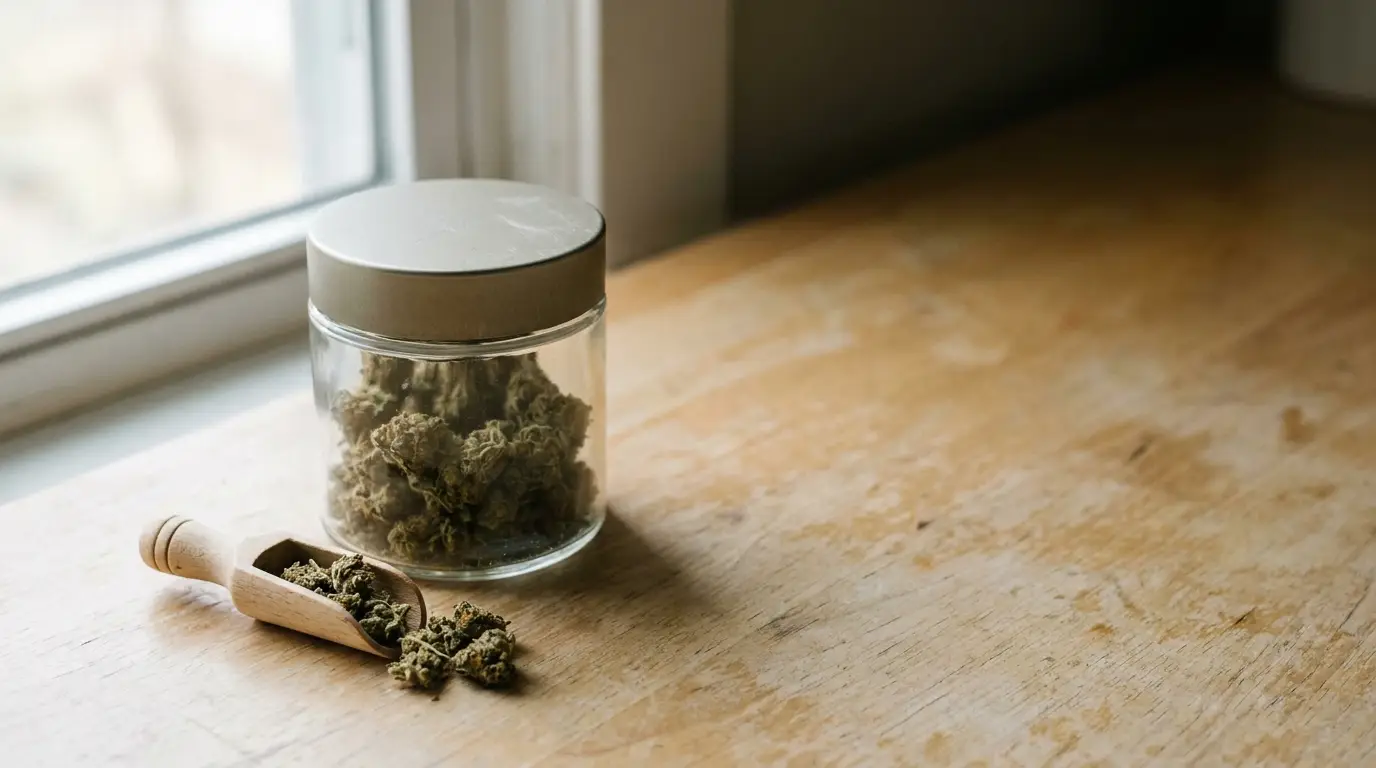
Here’s the framework I actually use, and I’ve never seen it printed on a dispensary wall. I call it the Four-Label Test, and it takes about five minutes per product.
- Batch or harvest date. Cannabis degrades. If a label has no date or a date older than a few months, ask for something fresher.
- Full cannabinoid panel. THC percentage alone tells you almost nothing useful. You want to see CBD, CBG, and CBN if the product claims to contain them.
- Terpene listing. The aroma compounds shape how a strain actually feels to you, and shops that care about education list them. Shops that don’t care print one number and hope you stop reading.
- Testing lab name. A named third-party lab means someone outside the grow room signed off. An unnamed “lab tested” sticker means nothing at all.
Run four products through those four labels and you’ll know more about the shop than any budtender bio wall can tell you.
What a Good Counter Conversation Sounds Like
Product quality is half the story. The other half is whether the people helping you can connect your actual situation to an actual jar.
A shop worth your loyalty will ask what you’re treating, what you’ve tried already, and how you reacted to it. They’ll steer you toward a lower THC option when your goal is sleep, and they won’t upsell you into a $60 edible on your first visit. The National Library of Medicine maintains research collections on cannabinoid pharmacology, and a strong advisor will at least speak in that general direction instead of reciting a marketing script.
My personal test question: “What would you recommend if I told you the last indica I tried made me groggy the next morning?” A good answer involves specific products, timing, and dosage. A bad answer involves the word “fire.”
I’d rather have a shorter menu and a sharper advisor than 40 flower strains and nobody who can explain the difference.
A Practical First-Visit Checklist
Print this in your head, or actually save it in your phone notes before you head out.
- Bring your medical cannabis card and state ID. No exceptions, no workarounds.
- Ask one staff member for a lab report on any product you’re considering. Watch the response time.
- Compare two stores on the same strain category rather than the same brand name.
- Check whether discounts require a rewards signup or apply at the register.
- Note the hours. Some Tampa locations run late on weekdays and shorter on Sundays, and a shop that matches your schedule saves you a second trip across town.
Two stores near each other, same city, same license type, and one takes twenty minutes to find a batch report while the other has it on the jar. That gap is what you’re shopping for.
If you’re anywhere near Dale Mabry and want to see what a well-run counter feels like, the best dispensary in Tampa, FL sets a solid benchmark for how staff handle product questions, and you can compare your own experience against it. Bring the checklist, ask the hard questions, and let the paper trail do the selling.
What Most Patients Get Wrong
People chase potency. It’s the easiest thing to compare and the least useful. A 32% flower that crumbles to dust in the jar is worse than a 19% flower harvested three weeks ago, and your body will tell you that long before a label will.
Others pick a shop once and never revisit. Menus rotate. Staff turn over. A store that was mediocre last spring may be the best-run counter in the city by fall, and the reverse happens too. Loyalty to a building is a strange thing to commit to.
Grade the shop, not the logo. Ask to see the paperwork, listen to how they answer, and buy small before you buy big. Do that a couple of times and you’ll stop guessing where to go.
What’s your current test question for a new dispensary counter?