

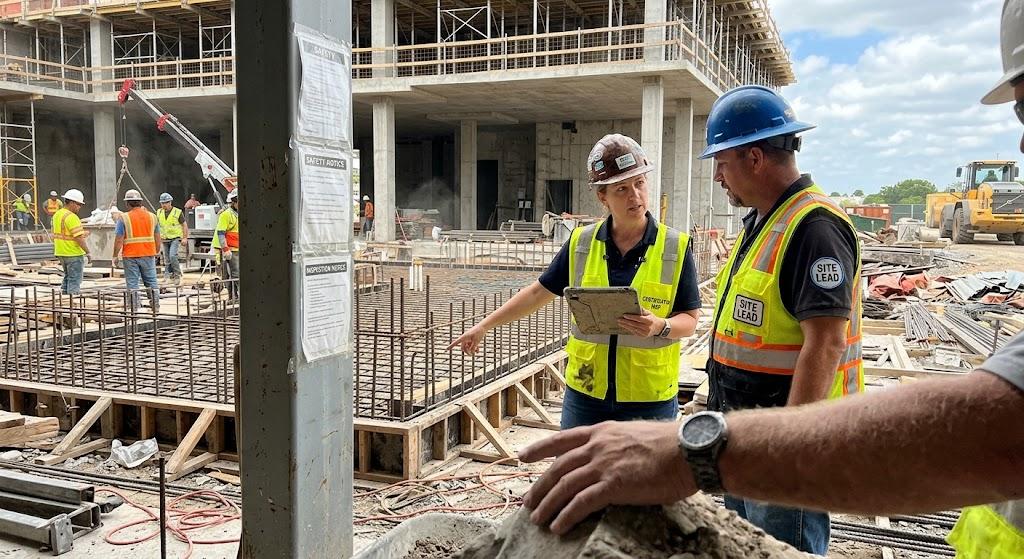
An older building rarely tells you its whole story from the street. Fresh paint, repaired balconies, renovated lobbies, and well-maintained landscaping can make a property look perfectly sound. Walk through the building with an experienced inspector, and a different picture of that building may start to appear.
That’s one reason building recertification inspections matter for aging properties. They’re not simply about finding one dramatic structural defect. They can reveal years of moisture exposure, deferred maintenance, corrosion, repairs that didn’t hold up, or small problems that have gradually become more significant. For owners, property managers, engineers, and condominium boards, understanding what an inspection can uncover makes the process much less mysterious. Here are some of the conditions that often deserve closer attention.
Small Cracks Can Tell a Bigger Story
Not every crack means a building has a structural problem. Concrete naturally develops cracks for several reasons, including shrinkage, temperature changes, settlement, and normal aging. The important question is what the crack looks like and where it occurs. An inspector may look at:
- The width and pattern of the crack
- Whether it is isolated or repeated across the building
- Its location around columns, beams, slabs, or walls
- Signs that the crack has changed over time
- Moisture staining or corrosion near the damaged area
For example, a hairline crack in a nonstructural wall is very different from cracking accompanied by exposed reinforcement or concrete deterioration around a structural member. That distinction is one reason a visual walk-through by someone familiar with aging structures can be valuable.
Concrete May Show Years of Moisture Exposure
Older concrete structures can reveal the effects of water long before a serious repair becomes unavoidable. Balconies, parking garages, exterior slabs, roofs, and areas around drainage systems can be particularly revealing. Water can find its way through small cracks, failed sealants, deteriorated waterproofing, or poorly maintained drainage paths.
Over time, moisture can reach embedded steel reinforcement. When that steel begins to corrode, it expands and can cause the surrounding concrete to crack, delaminate, or break away. A recertification inspection may therefore uncover conditions that appear cosmetic at first but point toward a deeper maintenance issue.
For property owners preparing for an inspection, addressing obvious water intrusion before the inspection isn’t about hiding defects. It’s actually about preventing a manageable maintenance problem from becoming a much larger repair issue. When a property needs a professional assessment of its condition and the work that may follow, owners can review building recertification services to understand how an engineering-led inspection is typically handled.
Parking Areas Can Be Surprisingly Informative
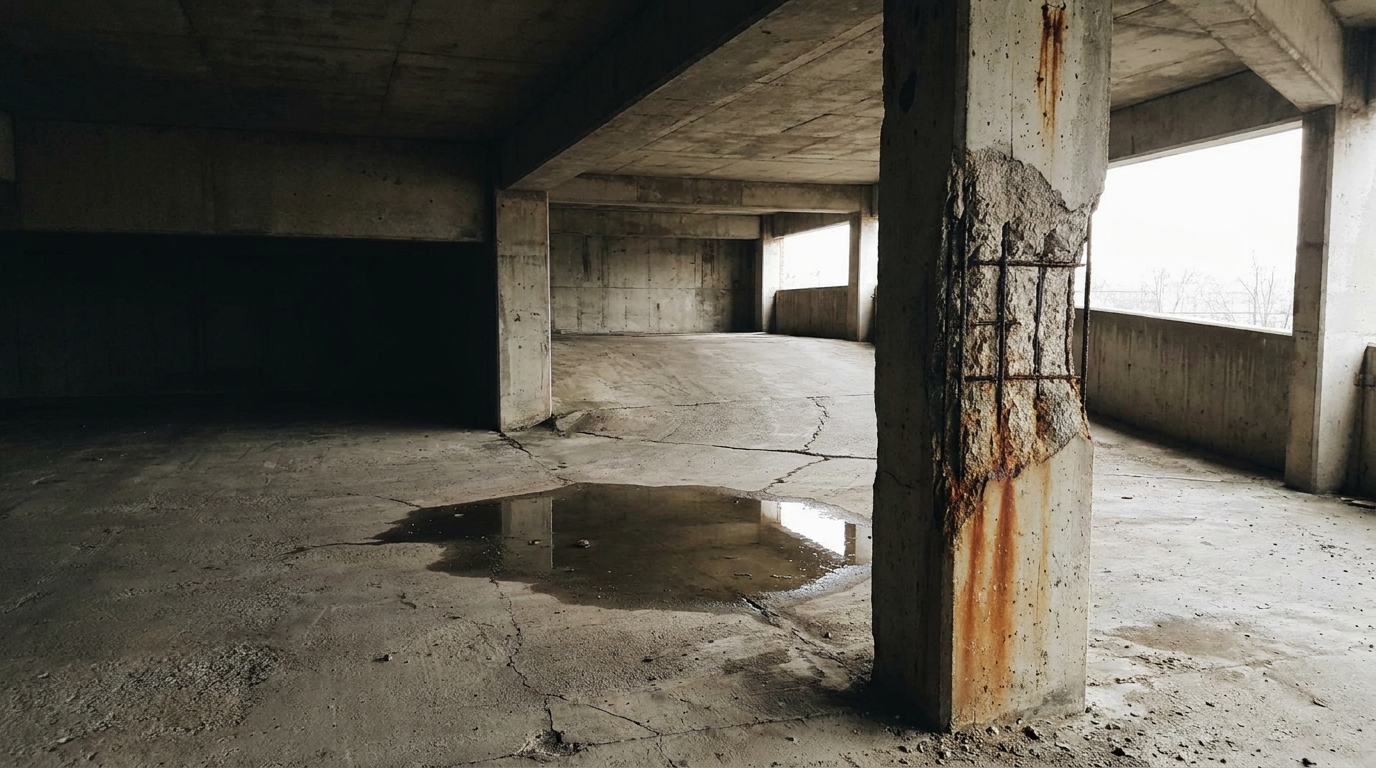
A building’s parking garage or exposed parking structure can reveal conditions that are easy to miss elsewhere. Vehicles, drainage, concrete joints, expansion areas, and repeated exposure to moisture can create a difficult environment for structural materials. Inspectors may pay attention to concrete spalling, cracks, rust staining, damaged coatings, drainage problems, and areas where water appears to remain after rainfall.
The underside of a slab can sometimes provide useful clues as well. A ceiling may show staining or deterioration even when the surface above looks relatively normal. This is why the inspection teams do more than simply look at the most visible parts of a property.
Previous Repairs Become Part of the Story
One of the more interesting things an older building can reveal is its maintenance history. A repaired section of concrete, replaced railing, patched wall, or recently sealed joint may look perfectly acceptable. But an inspector still needs to consider why the repair was necessary and whether the underlying condition was properly addressed. Sometimes an old repair remains sound for years. In other cases, deterioration returns around the repaired area. Signs that may attract attention include:
- Cracks developing beside an old patch
- Rust staining returning through a repaired surface
- Different concrete conditions across the same structural element
- Failed sealants around previously repaired joints
- Repairs that appear incomplete or poorly bonded
A building can essentially carry a visible record of past maintenance decisions.
Coastal Exposure Can Leave Its Mark
For older buildings in South Florida, environmental exposure deserves particular attention. Salt-laden air, humidity, heavy rainfall, and prolonged moisture exposure can accelerate deterioration of certain building materials. Exterior concrete and metal components may show corrosion or weathering even when the interior of the property appears well maintained.
This doesn’t mean every coastal building has the same problems. Exposure varies based on location, orientation, construction details, maintenance history, and the materials used. The practical lesson is simple: age should never be considered separately from the environment in which a building has spent those years.
Electrical Conditions May Also Surface
Building recertification isn’t exclusively about concrete and structural members. Depending on the applicable inspection requirements and jurisdiction, electrical systems may also form part of the safety evaluation. AskGBatista’s recertification information notes that its South Florida inspections can involve both structural and electrical safety considerations.
Older electrical installations can raise questions about deterioration, damaged equipment, unsafe conditions, or modifications made over the years. This is especially relevant in buildings that have gone through multiple renovations. A property may contain original systems alongside newer equipment installed decades later, making documentation and careful inspection important.
Documentation Can Reveal Problems Before the Inspector Does
Sometimes the biggest clue isn’t really physical. Old inspection reports, repair invoices, engineering drawings, permits, maintenance records, and previous violation notices can provide useful context. They may show that a particular area has been repaired repeatedly or that a known issue has been monitored for years.
Owners and boards should gather available records before the inspection rather than searching for them after a problem is discovered. Useful documents may include:
- Previous inspection or recertification reports
- Structural repair records
- Permits and approved plans
- Waterproofing records
- Concrete repair documentation
- Major renovation records
- Maintenance reports
Good documentation gives the inspector a clearer history and can help prevent the same investigative work from being repeated.
What Should Owners Do Before the Inspection?
Preparation doesn’t mean trying to make an older building look newer than it is. It means making the property accessible and giving the inspection team enough information to understand it. Before the inspection, owners and property managers should:
- Gather previous inspection and repair records.
- Make required areas accessible.
- Identify known leaks, cracks, or recurring maintenance problems.
- Make sure parking and mechanical areas can be inspected.
- Document recent structural or waterproofing work.
- Ask questions about any condition they do not understand.
Most importantly, do not wait until the inspection date to mention a recurring problem. If a balcony has been leaking for years or a garage regularly develops standing water, that history can be useful to the engineer.
What Older Buildings Really Reveal
An older building doesn’t necessarily reveal one major defect during recertification. More often, it reveals a pattern. A crack may connect to moisture exposure. Moisture may connect to failed waterproofing. Failed waterproofing may explain corrosion. Previous repairs may show that the same area has been problematic before.
That pattern is often more useful than any individual observation. The purpose of an inspection isn’t simply to produce a pass-or-fail moment. It is to understand the condition of the property, identify safety concerns, and determine what action may be necessary under the applicable requirements.
Why the Inspection Report Matters
The final report becomes an important record of the building’s current condition and any repairs or corrective work identified during the inspection. If repairs are required, the process may involve contractors, permits, engineering plans, follow-up inspections, and submission of the completed documentation to the appropriate building authority. AskGBatista describes this as a multi-step process that can continue through repair verification and final report submission.
For boards and property owners, that makes the inspection report more than paperwork. It can help establish priorities for maintenance and give everyone involved a clearer understanding of what needs attention.
A Practical Resource for Older Properties
For owners dealing with an aging property, the most useful approach is to treat recertification as an opportunity to understand the building rather than simply as another deadline.
G. Batista Engineering and Construction provides services that include building recertifications, structural inspections, concrete repair, and related work for properties in South Florida. The better an owner understands what an older building is revealing, the easier it becomes to address problems before they grow into larger and more disruptive repairs.
Frequently Asked Questions
What does a building recertification inspection look for?
A building recertification inspection generally evaluates applicable structural and safety conditions in an existing building. Depending on the jurisdiction and inspection program, areas may include structural components, concrete deterioration, balconies, parking structures, electrical systems, and other safety-related conditions.
Can small cracks cause a building to fail recertification?
Not necessarily. A crack by itself does not determine whether a building meets applicable requirements. Inspectors consider its size, location, pattern, surrounding conditions, and possible cause. Cracks accompanied by corrosion, concrete deterioration, movement, or other structural concerns may require closer evaluation.
Should previous repairs be disclosed during recertification?
Yes. Previous repairs can provide valuable information about the building’s history. Inspection reports, engineering documents, permits, and repair records can help an engineer understand recurring problems and determine whether earlier repairs appear to have addressed the underlying condition.
Does recertification require current building codes?
Not necessarily. The requirements depend on the applicable inspection program and jurisdiction. AskGBatista notes that its 40-year recertification process focuses on existing structural and electrical safety rather than automatically requiring an older building to be brought completely up to every current code provision.
How should a property manager prepare for recertification?
Start by gathering previous reports, repair records, permits, and other building documentation. Make inspection areas accessible and identify known problems such as leaks, recurring cracks, concrete deterioration, or drainage issues. Good preparation gives the inspection team useful context and can reduce avoidable delays.
What happens if an inspection identifies repairs?
The next steps depend on the findings and local requirements. Repairs may require contractors, permits, engineering plans, and follow-up verification. Once required work is completed and accepted, the applicable recertification documentation can proceed through the relevant building department process.