
Changing house locks is one of those jobs people often need quickly, but it should never feel like a mystery invoice. The cost depends on the type of door, the lock standard required, the number of locks, whether the door is working normally, and whether the job is urgent. A simple euro cylinder swap on a uPVC or composite door is usually quicker than replacing a mortice deadlock on a timber door, and both are very different from repairing a failed multi-point mechanism.
According to experts at LocksmithLocal, the most useful way to budget is to split the bill into three parts: labour, parts and timing. Labour covers the locksmith’s time, diagnosis and fitting. Parts cover the lock or mechanism itself. Timing covers whether you need help in normal hours or at night, on a weekend or during a bank holiday. A transparent locksmith should explain all three before the work starts.
Typical lock change situations
Homeowners usually change locks for one of five reasons. The first is moving into a new property. You may have received two keys from the seller, but you cannot know how many copies are still with cleaners, neighbours, tradespeople, former tenants or family members. The second is lost or stolen keys. The third is a lock that has become unreliable. The fourth is a security upgrade, often to meet an insurance requirement. The fifth is damage after a break-in or attempted break-in.
Each situation changes the advice. If the keys are missing but the lock is otherwise healthy, the priority is making old keys useless. If the lock is worn, the priority is reliability. If the cylinder is old or vulnerable, the priority is improving security. If there has been an attempted break-in, the door, frame and keeps need checking as well as the lock.
What affects the price?
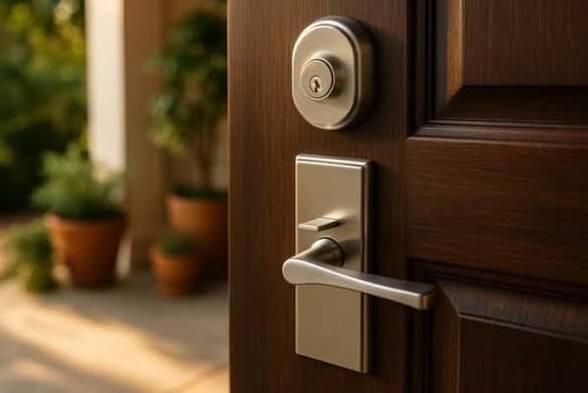
The biggest cost factor is the lock type. A standard euro cylinder is normally the most straightforward residential replacement. A high-security anti-snap cylinder costs more than a basic cylinder, but it is a sensible upgrade on many uPVC and composite doors. A mortice deadlock or sashlock on a timber door needs a lock case that matches the door preparation, backset and faceplate. A night latch can be simple or high-security depending on the model. A multi-point uPVC mechanism may need only a gearbox, but a full strip replacement costs more.
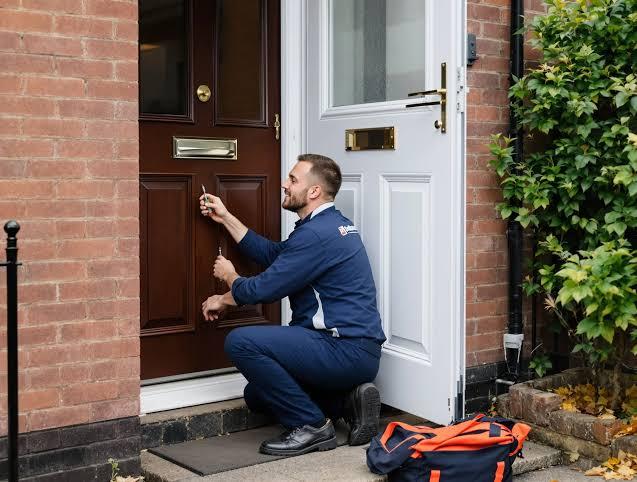
The second factor is condition. If the door is square, the lock comes out cleanly and the replacement matches, the job is usually quick. If the key has snapped, the door is jammed, the cylinder is seized or the door has dropped on its hinges, diagnosis and repair take longer. For uPVC doors, a locksmith should test the mechanism with the door open and closed. That reveals whether the issue is the cylinder, gearbox, alignment or the full locking strip.
Repair may be cheaper than replacement
A helpful locksmith will not automatically recommend a new lock. Sometimes a stiff key is caused by a worn copy rather than the cylinder. Sometimes a uPVC door will not lock because the keeps are slightly out of line. Sometimes a handle spring or spindle has failed while the lock itself is fine. Repair, realignment or servicing can cost less than replacing everything.
Replacement is usually the right choice when keys are compromised, the lock is physically damaged, the mechanism is badly worn, the lock no longer meets the security standard you need, or the cylinder is an old basic model on an exposed external door. If you are unsure, ask the locksmith to explain what has failed and whether the fault is in the key, cylinder, lock case, handle set, frame keep or multi-point mechanism.
Security standards matter
The cheapest lock is not always the best value. Many UK insurance policies refer to British Standard locks on external doors. Timber doors often need a five-lever mortice deadlock or sashlock to the appropriate British Standard. uPVC and composite doors commonly use euro cylinders, where anti-snap protection is important because basic cylinders can be attacked quickly if they protrude from the handle.
Look for locks that are suitable for the door rather than simply expensive. A high-security cylinder will not perform well if it is the wrong length and sticks out. A good mortice lock will still feel poor if the door is misaligned. A proper upgrade includes measuring, fitting, alignment and testing, not just swapping the part.
How to avoid overpaying
Before booking, ask for the likely total cost, not only the starting price. A fair quote should say whether there is a call-out charge, whether VAT is included, what lock grade or brand is being fitted, what happens if extra work is needed and whether payment is due only after completion. Beware of very low advertised prices that do not include labour, parts or realistic emergency rates.
Good questions to ask include:
- Is this a fixed price for the work described?
- What lock will be fitted and why is it suitable?
- Will you try non-destructive methods first if the door is locked shut?
- Will the lock meet my insurance requirements?
- Is the workmanship or part guaranteed?
- Can I pay by card and receive a proper invoice?
These questions are not awkward. They are normal checks, especially when the job affects home security.
Should you change every lock in the house?
Not always. External doors are the priority: front door, back door, side door, garage personnel door and any door connecting the garage to the house. Patio doors and French doors may use separate cylinders or additional bolts. Window locks are often forgotten, but accessible windows should be checked, especially on ground floors, above flat roofs and near drainpipes or low extensions.
If you have just moved in, changing every external lock is sensible. If you lost a single key but know it was not labelled with your address, you may decide to change only the lock it operates. If the key was stolen with ID, address details or a handbag, treat it as urgent and replace the affected locks promptly.
When to call a locksmith rather than DIY
A straightforward cylinder swap can look easy online, but there are traps. The cylinder must be the correct length, the cam must sit properly, the fixing screw must not be overtightened and the door must be tested open and closed. A badly fitted cylinder can leave the door vulnerable, stiff or impossible to lock. Mortice locks are less forgiving because the case, bolt throw, rebate kit and keep all need to match.
DIY also becomes risky when the door is locked shut, the key is broken, the handle is floppy, the mechanism has jammed or you suspect attempted burglary damage. Forcing the lock can damage the door slab, frame or multi-point strip and turn a modest repair into a larger bill.
A practical next step
For a fair price, start with a clear description: door type, lock type if you know it, whether the door is open or locked shut, how many locks need changing and why you want them changed. Photos help. A professional should then give a realistic quote and explain any variables before attending.
If you want a local, named locksmith to assess the door and fit the right hardware, LocksmithLocal provides lock changes and repairs with no call-out fee, fixed pricing agreed before work starts and a practical focus on fitting the cheapest secure solution rather than the most expensive part.