


Meeting someone you first encountered online can be exciting, but it is also a situation where a little preparation can make a significant difference. Dating apps and social platforms make it easy to connect with new people, yet an online profile may not always provide enough information to understand who you are communicating with.
Learning how to check a match’s phone number can be one practical part of preparing for an in-person meeting. A phone number may provide additional publicly available information that can help you verify basic details and identify potential inconsistencies before you meet someone for the first time.
This does not mean trying to uncover private information or invading someone’s privacy. A responsible phone lookup should focus on legitimate, publicly available information and should be used alongside sensible dating-safety practices.
Why Check a Phone Number Before Meeting?

Online dating requires a certain amount of trust. You may have exchanged messages with someone for days or weeks, but you may still know very little about them outside the information they chose to share.
A phone number can sometimes provide another way to verify information that is already available. For example, a reverse lookup may reveal whether a number is associated with publicly available social profiles or other information.
The purpose should not be to investigate every detail of another person’s private life. Instead, it can help answer simple questions: Does the information appear consistent? Are there obvious warning signs? Does the person seem to have a normal, established online presence?
A phone lookup should therefore be considered one small part of a broader safety check.
How to Check a Match’s Phone Number Responsibly
Before using any lookup service, start with information the person has already voluntarily shared.
If your match has provided a phone number, check that the number is correctly written, including the country and area code where relevant. An incorrect digit can lead to irrelevant results.
You can then use a legitimate reverse lookup service to see whether publicly available information may be associated with that number.
The goal is not to obtain private account information. A responsible search should stay within information that can legally and ethically be accessed.
If the results do not match what the person has told you, do not immediately assume that they are lying. People change phone numbers, use separate numbers for work and personal communication, and may have privacy settings that limit discoverability.
What a Phone Lookup Can Tell You
A reverse phone lookup may provide different types of information depending on the service and the availability of public data.
Possible information can include:
- Publicly associated social-media profiles
- General information connected with the number
- Potential names or usernames
- Public business information
- Other online references
The exact results vary considerably. Knowing how to check a match’s phone number can help you gather additional context, but the result should always be compared with information your match has already shared.
This is particularly true when someone has taken steps to limit the discoverability of their personal information.
Using Socialprofiler Before a First Date
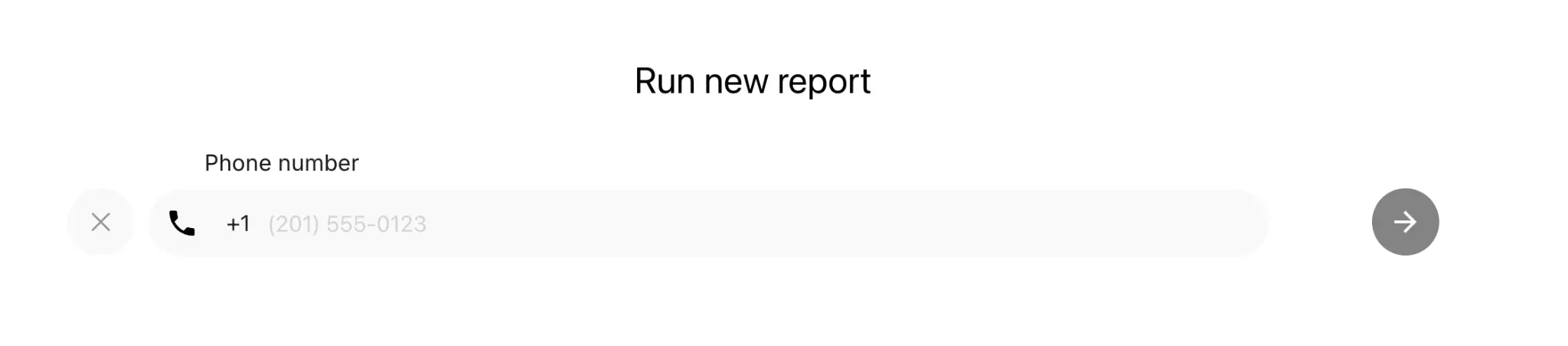
When you have a match’s phone number but do not know their social-media usernames, Socialprofiler provides a number-first way to begin the search. You can enter a complete 10-digit U.S. phone number without needing the person’s email address, Facebook username, profile URL, password, or access to their contacts.
After signing up, Socialprofiler can provide a free preview when a potential match is available. The profile photo remains visible, while identifying details such as the account name and direct profile link are blurred. This gives you a chance to assess whether the result appears relevant before accessing the full information.
With the full result, you can review the matched account details and separately check for possible profiles across Facebook, Instagram, TikTok, and X.
For someone learning how to check a match’s phone number before a date, this can provide additional context without requiring you to guess usernames across multiple platforms. Any potential match should still be compared with information the person has already shared.
What Else Can the Report Show?
Depending on the information available, a Socialprofiler report may also include Top Interests, followed accounts, connections, possible Red Flags, Unusual Aspects, an Executive Summary, and AI-assisted analysis.
These details can provide additional context, but they should not be used to make automatic assumptions about someone’s identity, character, or intentions.

Verify Information From More Than One Source
Knowing how to check a match’s phone number is useful, but a single search result should never determine whether you trust someone.
Suppose a phone lookup produces a social profile with the same name as your match. That is a clue, not proof. Common names can belong to many people, and phone numbers can change ownership.
Instead, compare several pieces of information.
Compare Profile Names
Check whether the name or username is consistent with what your match has told you.
Look at Profile Photos
A public profile photo may help you determine whether an account appears relevant. However, photographs can be copied or reused, so they should not be treated as conclusive evidence.
Check Public Biographies
A professional description, location, website, or shared interest may provide additional context.
Consider the Overall Picture
One matching detail means very little on its own. Several consistent public details can provide more useful context.
Online Dating Safety Goes Beyond Phone Numbers
A phone lookup is only one part of staying safe when meeting someone online.
The U.S. Federal Trade Commission recommends taking precautions with people you meet online and warns consumers about romance scams, where criminals may build relationships before asking for money or personal information.
One of the most important warning signs is a request for money or financial assistance. Be particularly cautious if someone you have never met in person asks you to send money, purchase gift cards, share financial information, or make an investment.
You should also be cautious if someone repeatedly avoids video calls or becomes defensive when you ask basic questions about information they have already shared.
These behaviors do not automatically prove that someone is dishonest, but they can justify slowing down and gathering more information.
Plan the First Meeting Carefully
Even if your online research looks normal, basic precautions are still worthwhile.
For a first meeting, choose a busy public location such as a café, restaurant, or other place where other people are present. Tell a friend or family member where you are going and approximately how long you expect to be there.
Consider arranging your own transportation so that you can leave independently if you become uncomfortable.
It is also useful to keep the first meeting relatively simple. A short coffee or meal in a public place gives both people an opportunity to decide whether they feel comfortable continuing the relationship.
No amount of online research can replace good judgment during an in-person meeting.
What If the Phone Lookup Shows Nothing?
A blank result is not automatically a warning sign.
Someone may have a new phone number, use a private number, avoid connecting their number to social accounts, or simply have very little public information online.
Some people also maintain a strong separation between their personal and online lives. The absence of a searchable profile does not by itself indicate that someone is suspicious.
If you are concerned about inconsistencies, focus on the person’s behavior and whether the information they voluntarily provide remains consistent over time.
Respect Privacy While Protecting Yourself
There is an important difference between reasonable verification and invasive investigation.
If you are checking a phone number before meeting someone, limit your search to information that is legitimately available. Do not attempt to access private accounts, passwords, private messages, location information, or other restricted data.
The purpose of a safety check is to help you make informed decisions about your own interaction, not to obtain information someone has deliberately chosen to keep private.
This approach also reduces the risk of incorrectly identifying another person who happens to share similar information.
When to Step Back
Sometimes the most useful result of an online safety check is realizing that you are not comfortable proceeding.
If someone provides contradictory information, repeatedly pressures you to meet privately, asks for money, refuses reasonable safety arrangements, or becomes aggressive when you establish boundaries, you do not need to continue the interaction.
You can stop communicating, block the account or number, and report concerning behavior through the relevant dating platform or social network.
Your comfort and personal safety should remain more important than avoiding an awkward conversation.
Final Thoughts

Knowing how to check a match’s phone number can provide an additional layer of information before meeting someone you first encountered online. A reverse lookup may help connect a phone number with publicly available social information and provide useful context when combined with details the person has already shared.
Socialprofiler offers a dedicated reverse phone lookup option for people who want to investigate possible social connections associated with a number.
However, no lookup service can guarantee someone’s identity or intentions. The most effective approach combines responsible online research with practical dating-safety habits: verify information without invading privacy, meet in public, tell someone where you are going, protect financial information, and trust your boundaries.
A phone number can provide another useful piece of the puzzle, but your overall safety should always come from considering the complete situation rather than relying on one search result.