

Elvis Presley died on August 16, 1977, yet questions about what actually happened that day have never fully quieted down.
Some searches want a plain medical answer. Others want to know if drugs were involved, or if the stories about his final hours hold up.
That mix of interest and confusion is common with sudden deaths of public figures. Below is a clear look at Elvis Presley’s cause of death, based on his death certificate, autopsy findings, and statements from people close to him at the time.
It covers his final day, the medical ruling, and the health issues and theories that came after, laid out so the confirmed facts and the ongoing debate don’t blur together.
Who Was Elvis Presley?
A short look at his background explains why his death became such a talked-about moment in music history. Elvis Aaron Presley was born on January 8, 1935, in Tupelo, Mississippi, and grew up in a working-class household before moving to Memphis as a teenager.
He signed with RCA Records in 1955, and songs like Heartbreak Hotel and Jailhouse Rock turned him into a household name within a few years.
Beyond music, he appeared in more than thirty films and later returned to live performing with a long run of concerts in Las Vegas.
By the mid-1970s, years of touring, irregular sleep, and heavy medication use had begun to wear on his health, setting up the events of August 1977, a decline that stands in contrast to the peak years covered in a closer look at one of his most famous recordings .
Elvis Presley’s Final Day at Graceland

Image Source : abcNews
Here is a short rundown of how his last day unfolded, based on accounts from people who were at Graceland that afternoon, showing exactly how quickly things changed in the hours before his death was confirmed.
- Early morning: Elvis stayed up late and spent time with his girlfriend, Ginger Alden, before going to sleep in the very early hours.
- Afternoon: He was preparing for an upcoming concert tour that was set to begin within days.
- Found unresponsive: Ginger Alden found him unresponsive on the bathroom floor and called for his longtime aide, Joe Esposito, who phoned for paramedics.
- Emergency response: Paramedics attempted resuscitation at Graceland before rushing him to Baptist Memorial Hospital in Memphis.
- 3:30 p.m.: He was pronounced dead at the hospital by his personal physician, Dr. George Nichopoulos, at age 42, roughly nine hours after he was last seen awake.
These events, confirmed by hospital records and statements from people present that day, set up the medical ruling that followed within hours, and they remain the most solid facts anyone has about his final hours.
What Was Elvis Presley’s Cause of Death?
This is the part most readers come here for, so here is the direct medical answer first. Elvis Presley’s official cause of death was cardiac arrhythmia, an irregular heartbeat that stopped his heart from pumping blood the way it needed to.
His physician, Dr. George Nichopoulos, listed this finding on the death certificate at the time, and the state pathologist who conducted the autopsy confirmed it within days.
In plain terms, the heart’s electrical signals misfired until it could no longer keep a steady rhythm, and that failure proved fatal within minutes.
This is a documented medical finding, not a theory, and it remains the only cause of death ever listed on his official records to this day, even as his Vegas years are more often remembered through profiles of the performers who shaped that era of entertainment than through how it ended.
Did Prescription Drugs Play a Role in Elvis Presley’s Death?
Toxicology results became a central part of this story almost immediately, so here is what was actually found and why it mattered so much to the public conversation afterward.
1. Medications Found in His System
Elvis Presley’s autopsy toxicology report identified more than a dozen prescription drugs in his system, including sedatives, painkillers, and sleep aids such as codeine, Valium, and Quaalude.
The first public statement after his death claimed no drugs were involved, a claim the full report contradicted once it came back nearly two weeks later.
None of the drugs alone reached a fatal dose, but combining that many depressants could slow breathing and heart function beyond what any single medication would cause.
2. Why Drugs Became Part of the Debate
News coverage in the days after his death leaned heavily on the drug angle, since a list of a dozen or more prescriptions made a far more dramatic headline than a slow-building heart problem.
Tabloids and biographers ran with the overdose narrative for years, and that framing spread faster than the quieter medical detail ever could.
This is largely why casual searches today still assume drugs were the direct cause, even though that was never the official finding, a pattern that has followed several other musicians whose deaths sparked similar drug-related speculation over the decades.
3. Was It Ever Ruled an Overdose?
Despite the number of drugs found, the medical examiner never ruled Elvis Presley’s death an overdose.
A separate review did happen in 1979, when Blanchard Tual, the court-appointed guardian overseeing Lisa Marie Presley’s estate, investigated Dr. Nichopoulos’s prescribing practices rather than the death certificate. That investigation led to board action against the doctor, but the ruling itself never changed.
Cardiac arrhythmia has remained the official cause, with drug levels treated as a contributing circumstance rather than a standalone verdict.
What Health Problems Did Elvis Presley Have Before He Died?
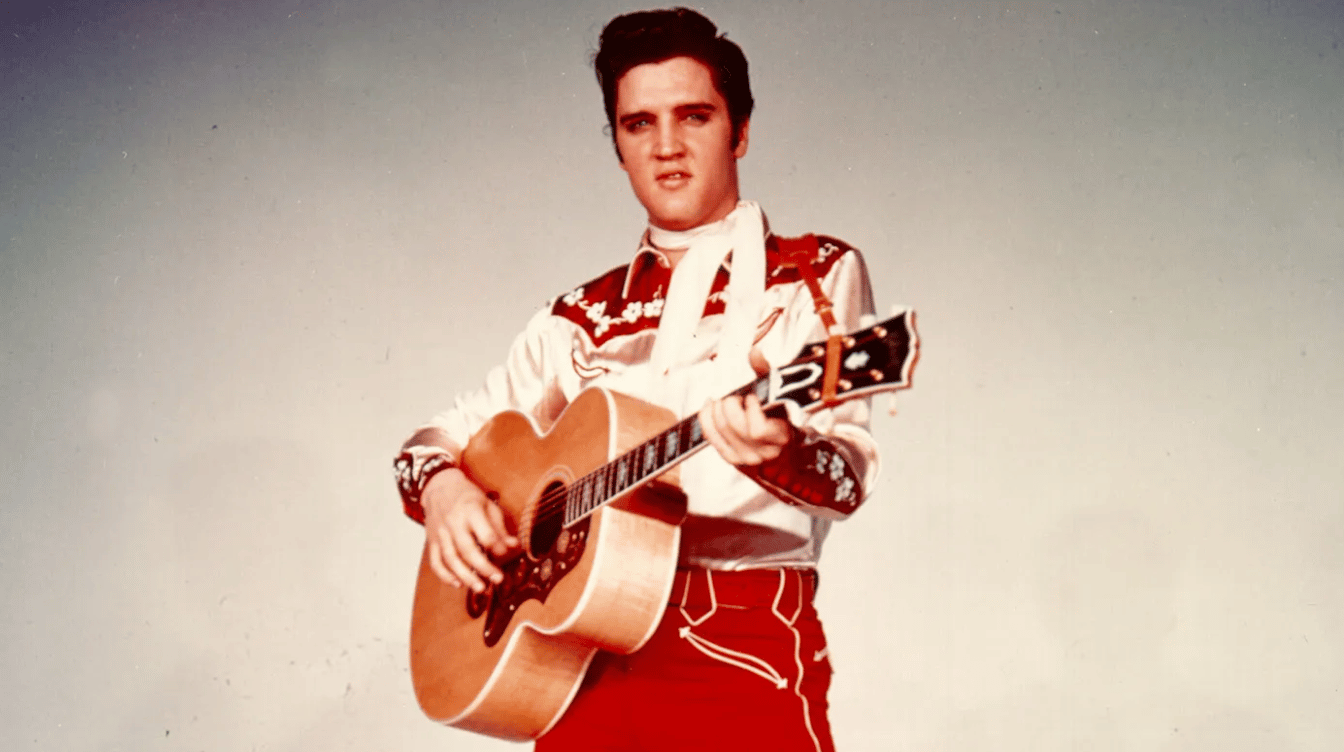
Image Source: Rolling Stone
His medical history in the years before 1977 helps explain why his heart was already under so much strain, and why doctors were not entirely surprised once the autopsy results came back.
- An enlarged heart and hardening of the coronary arteries, both confirmed during the autopsy.
- High blood pressure that had been treated for several years
- Significant weight gain in his final years, which added pressure on his heart
- Chronic back and neck pain from years of physically demanding performances
- Digestive problems, including a reported bowel condition that some doctors believe added physical strain in his final hours
Taken together, these conditions paint a picture of a body that had been under pressure for years before the fatal event, not a sudden and unexplained collapse that came out of nowhere.
Elvis Presley Death Theories That Are Still Debated
The medical cause on record is settled, but a few specific questions around it have never been fully closed. Here are the theories that still come up most, and where each one actually stands.
- Whether one specific drug or combination triggered the fatal arrhythmia, rather than the arrhythmia developing on its own
- Whether straining from constipation was a direct trigger for the fatal event, a detail some biographers point to but that was never confirmed as a cause.e
- Whether earlier misdiagnosed or undertreated conditions worsened his heart problems over time, beyond what the autopsy could pin down.wn
- Claims of a cover-up or a hidden true cause, largely fueled by the initial statement that understated the drug findings.
None of these theories has ever been proven or included in the official ruling, which has remained cardiac arrhythmia since 1977. They persist mainly because a few details from that day were never fully resolved.
Elvis Presley’s Legacy
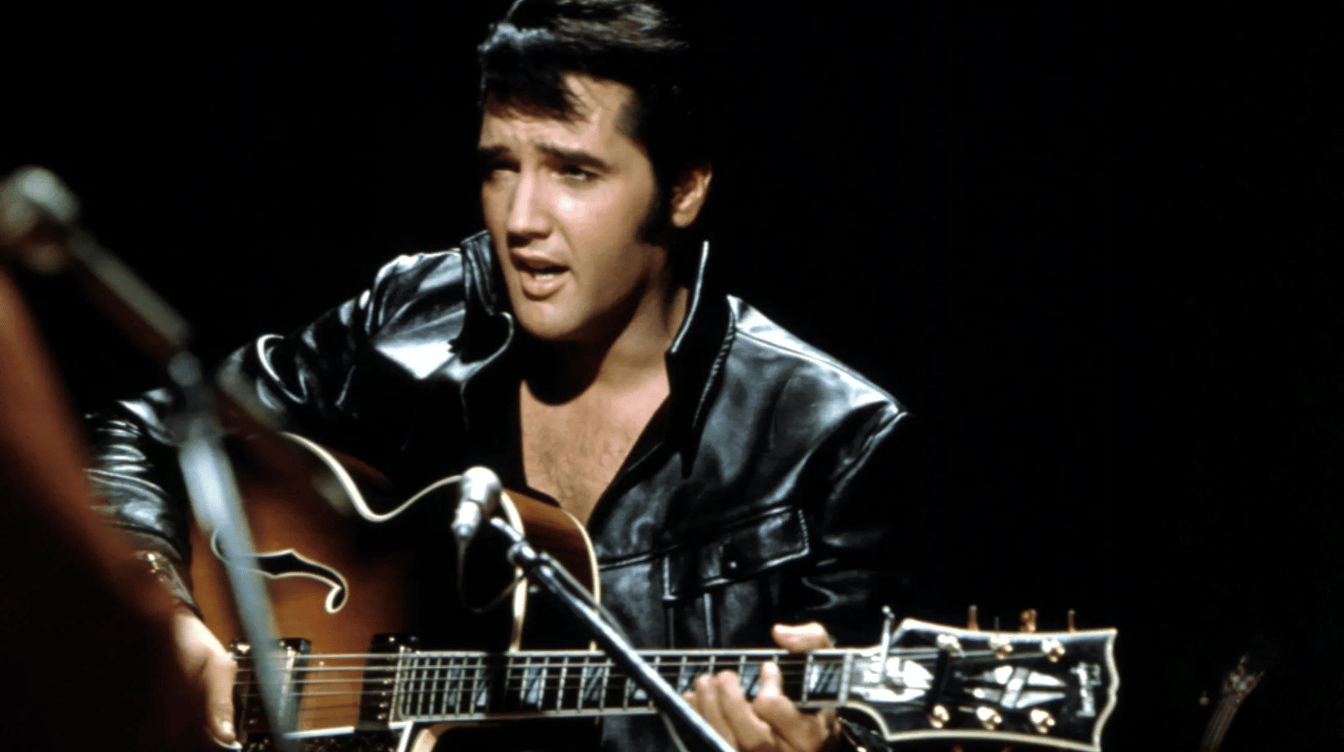
Image Source: Forbes
His influence on music didn’t end with his death, and that continued presence is a large part of why interest in his story has never really faded.
Elvis Presley remains one of the best-selling recording artists in history, with worldwide sales that still climb every year through reissues and new fans finding his catalog for the first time.
Graceland itself has become one of the most visited private homes in the United States, drawing hundreds of thousands of visitors annually who come to see where he lived and died.
His music, film career, and performing style shaped generations of artists that followed him, from rock to soul to country, and annual events like Elvis Week keep his memory active in Memphis every August.
Final Thoughts
Elvis Presley’s cause of death was cardiac arrhythmia, but that single term does not tell the whole story. Years of heart strain, prescription drug use, and untreated health problems all played a part in the events of August 16, 1977.
The bathroom collapse, the ride to Baptist Memorial Hospital, and the toxicology report that followed are documented facts, not rumors spread after the fact.
The constipation theory and other explanations remain debated, since no single test can prove every detail from that day. What stays clear is the medical record itself: a heart that gave out under years of pressure.
If you want the full story behind the King’s rise to fame, read our complete Elvis Presley biography next.
Frequently Asked Questions
Did Elvis Presley’s Family Dispute the Official Cause of Death?
His family did not publicly challenge the ruling of cardiac arrhythmia. Some later biographers and journalists raised questions about the drug findings, but no formal reversal of the ruling ever took place.
Is Elvis Presley Buried at Graceland?
Yes. After an initial burial at Forest Hill Cemetery, his remains, along with those of his mother, were moved to the Meditation Garden at Graceland in October 1977 for security reasons.
Did Elvis Presley Leave A Will Before He Died?
Yes. He had signed a will in March 1977 that named his father, Vernon Presley, as executor of his estate, with provisions for his daughter, Lisa Marie Presley.
How Did Fans React To Elvis Presley’s Death at The Time?
Thousands of fans gathered outside Graceland within hours of the announcement, and the crowd grew into one of the largest public gatherings of mourners for an entertainer in American history at that point.