A luxury watch can be more than a practical way to tell time. It may represent exceptional craftsmanship, personal achievement, distinctive style, or a horological history. Buying pre-owned makes many desirable models more accessible, but a successful purchase requires careful research and realistic expectations.
Understand What “Pre-Owned” Means
A pre-owned watch is simply one that has had at least one previous owner. Its condition can range from almost unworn to heavily used, so the label alone says little about its quality. Some watches have been professionally serviced and carefully stored, while others may have replacement parts, scratches, or mechanical issues.
Pre-owned should not automatically be confused with vintage. While definitions vary, vintage watches are generally older pieces valued for their age, design, rarity, or historical importance. A watch released only a few years ago can be pre-owned without being considered vintage.
Set a Realistic Budget
Before comparing watch models, determine how much you are comfortable spending. Your budget should cover more than the advertised price because shipping, insurance, taxes, servicing, and possible repairs can increase the total cost. Leaving a financial buffer can prevent an exciting purchase from becoming an unexpected burden. Your budget may need to account for:
- The watch’s purchase price
- Insured shipping or secure collection
- Import duties and local taxes
- Authentication or professional inspection
- Immediate servicing or minor repairs
- Replacement straps or bracelets
- Appropriate storage and insurance
Luxury watches should generally be purchased with discretionary funds rather than money intended for essential expenses. Even when a model has historically retained its value, future resale prices are never guaranteed. Choose something you would be happy to own and wear regardless of market movements.
Research the Reference, Not Just the Brand
Once you have identified a potential model, research its exact reference number. A single watch family may contain numerous variations produced in different years, materials, dial colors, and movement configurations. These details can significantly affect authenticity, desirability, maintenance needs, and price.
Study clear photographs of confirmed authentic examples and note the correct dial layout, hands, crown, bezel, clasp, engravings, and case-back design. Learn whether the manufacturer changed any features during the production period. This knowledge will help you recognize inconsistencies without relying only on a seller’s description.
Learn How Condition Affects Value
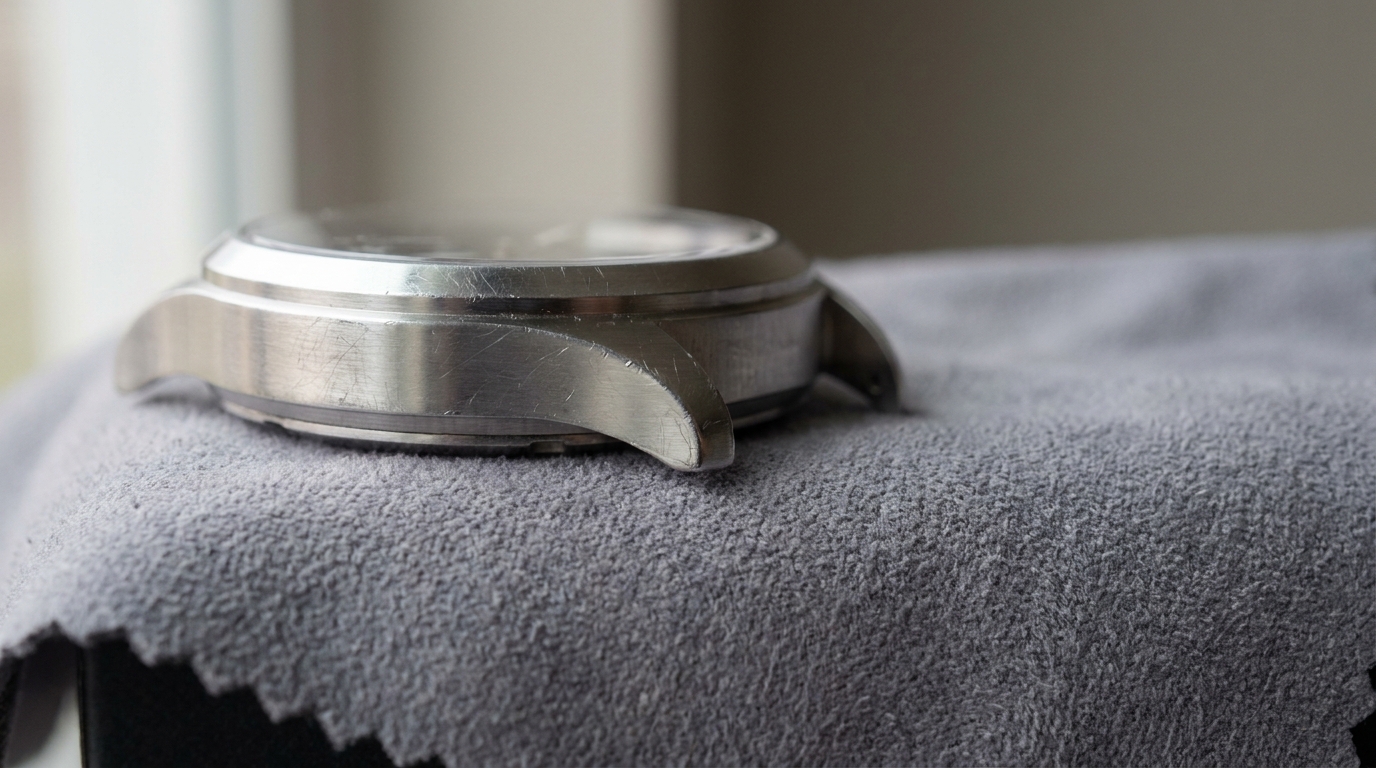
Condition has a major influence on the price of a pre-owned watch. Light scratches are normal on a regularly worn piece, but deep dents, corrosion, moisture damage, or an uneven dial deserve closer attention. Cosmetic damage may also indicate that the watch experienced a significant impact.
Polishing is another important consideration. Careful professional polishing can improve the appearance of a scratched case, but excessive polishing may soften its edges and alter its original shape. Collectors often prefer sharp, well-preserved cases, particularly when evaluating older or rarer watches. The dial hands should also be examined carefully. Ask for high-resolution images taken in neutral lighting before committing to a remote purchase.
Search Carefully and Compare Listings
After defining your preferred reference and acceptable condition, take time to find watches that match the same specification across several reputable sellers. Comparing equivalent examples provides a clearer sense of fair market pricing and reveals which details create meaningful price differences. It also reduces the likelihood of making an impulsive decision based on the first attractive listing. When comparing listings, check whether each watch incudes:
- Its original box
- Warranty papers or dated documentation
- Instruction manuals and tags
- Service records and repair invoices
- Spare bracelet links
- Manufacturer-issued accessories
- A seller warranty or return period
A complete set may command a higher price, but missing packaging does not necessarily make a watch unsuitable for daily wear. The watch itself should remain the priority, especially if you are buying primarily for enjoyment.
Evaluate the Seller
A trustworthy seller should provide detailed information and answer reasonable questions without applying unnecessary pressure. Examine the seller’s history, independent reviews, business address, return policy, warranty terms, and accepted payment methods. Be cautious when feedback appears repetitive, unusually vague, or limited to an easily manipulated platform.
The safest transaction method depends on the seller and purchase location. A credit card or reputable escrow service may provide stronger protection than an irreversible bank transfer. For an in-person transaction, consider meeting at an established watch dealer or qualified watchmaker who can inspect the piece.
Confirm Authenticity
Counterfeit watches have become increasingly convincing, and authentic watches may contain non-original components. A valid serial number alone does not prove authenticity because numbers can be copied. Papers, boxes, tags, and receipts can also be reproduced or paired with a different watch.
Professional authentication is therefore worthwhile, particularly for an expensive purchase. A qualified specialist can examine the movement, case, dial, bracelet, engravings, and internal reference markings. If a seller refuses an inspection or pressures you to complete the transaction immediately, it is safer to walk away.
Inspect the Watch Upon Arrival
When the watch arrives, compare it immediately with the listing photographs and description. Check the case, crystal, dial, crown, bezel, bracelet, clasp, and included accessories. Confirm that the serial and reference information matches the documents when appropriate.
Test the watch’s basic functions without forcing any controls. Make sure the crown operates smoothly, the hands adjust correctly, and complications function as described. If anything appears inconsistent, contact the seller within the stated return period and avoid having the watch opened or altered until the issue is resolved.
Buy for the Right Reasons
A pre-owned luxury watch can retain value, but it should not be treated as a guaranteed investment. Predictions about future collectibility should never replace careful evaluation of the watch’s present condition and price.
The best first luxury watch is usually one that fits comfortably, suits your lifestyle, and continues to appeal after the initial excitement fades. Research may take time, but patience is essential for making a smart purchase. There will nearly always be another listing, so do not let urgency override sound judgement.
Endnote
Buying a pre-owned luxury watch is less intimidating when the process is broken into manageable steps. With patience and careful judgement, you can choose a watch that delivers lasting enjoyment while avoiding many of the risks faced by inexperienced buyers.