The entertainment industry is a diverse field encompassing a wide range of creativity. Initially, this vast industry relied on its traditional and physical forms. However, with the consistent discovery of innovative technologies, it did not take long before the sectors within transitioned to the digital space.
Initially, the aim of transition was mainly to provide convenience and accessibility to users but over time, digital versions and platforms became the mainstream preference. Also, with the consistent churn of innovative technologies, the expectations of users have evolved, demanding even more seamless interactions. As a result, it led to a buzzing and rapid demand for consistent entertainment content, one after another totally rewiring expectations and behaviors.
With these advancements and innovations introduced within the industry, it created the on-demand culture shifting consumption and expectations for the younger generation. Below, let us learn more about on-demand culture and how it redefined digital entertainment and leisure, especially for Gen Z.
What Is On-Demand Culture?
The rapid digitization and introduction of innovative technologies paved the way for the boom of digital entertainment. To cater to the demands of a booming industry, developers, creators, and operators are working overtime to keep themselves above the competition.
Accordingly, it birthed the on-demand culture where digital entertainment can now be demanded: “right here, right now”. For example, if a user wants to watch their favorite TV show, they can just log into their chosen streaming platform, allowing them to watch not only just one episode but the whole entire season. For gamers, if they want to play their favorite game, they can just open their gaming app, and they can play instantly. For music lovers, if they want to listen to their favorite songs, they can just open their music app and play whatever song with such ease. As soon as this culture became mainstream, every country adopted it to provide immediate access to digital entertainment options.
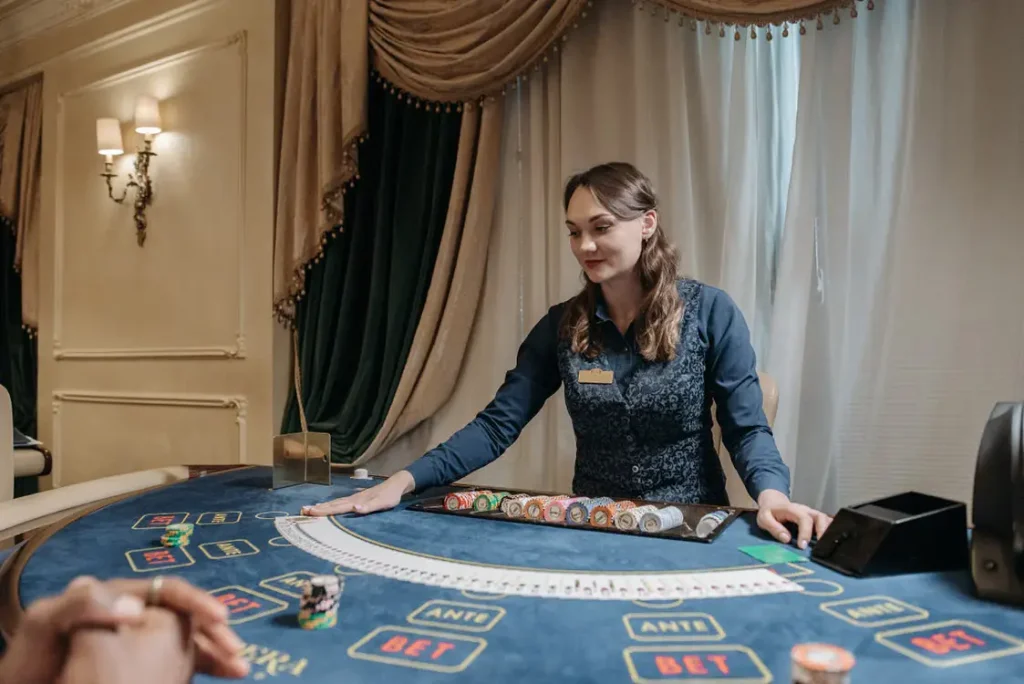
While adoption of the on-demand culture is rapidly catching fire across the globe, it is mostly felt in digitally advanced nations like the Nordic entertainment sector. This particular European sector is often considered one of the most digitally advanced, where a streamlined pikakasino (instant casino) platform is constantly offered to users, making it popular as it allows gamers to immediately start playing after making the first deposit. These gaming platforms became very popular with users as they removed the traditional user registration to deliver instant, frictionless gameplay anytime and anywhere.
Although this on-demand culture is basically favored among nations, it also comes with its own set of challenges and drawbacks. As soon as on-demand culture became popular, this led to platforms within the space shifting the competition from quality to speed. It has subtly recalibrated what ‘normal’ demand feels like.
Effect of This Culture on the Popular Sectors in the Industry

With the rise of on-demand culture, several sectors within digital entertainment have been significantly impacted, each adopting unique ways to meet the ‘on-demand’ expectations of users.
For the digital television and film sector, it birthed the streaming service where users get to watch their favorite film or TV show in an instant. This further brought forth pressure on streaming platforms and producers not only to deliver one film or episode of a show after another, but also to maintain a certain standard of quality.
In the digital music sector, it also adopted streaming services that allowed users to access music libraries instantly. This shift signalled the advancement in the music industry. Before, music lovers could only catch their favorite songs on the radio and on their bought vinyls and cassettes. Now, everyone can listen to their favorite
Lastly, the gaming sector also adopted on-demand servicing for gamers, launching the availability of mobile gaming apps. While mobile gaming apps increased convenience and accessibility for gamers, it did not take long before gamers demanded more, which then led to the creation of on-demand gaming. With on-demand gaming, users get to play high-end video games instantly on whatever device they are playing. This on-demand gaming became a more efficient way of gaming as it is directly processed by remote servers rather than relying on physical hardware capabilities.
While a lot can be said about the advantages of the on-demand culture becoming popular, experts also note certain challenges. Among these challenges is the increased pressure on developers and operators within the digital entertainment industry to continuously produce content, sometimes at the expense of depth and quality. Since users continuously demand for more, it does not give the creatives enough time to create quality output.
Another challenge would be the industry using cues to offer on-demand rewards or prizes. While it can be said that this is an excellent way to promote digital products, it causes users to expect speed, eventually lowering their ability to tolerate delays.
Despite these challenges, all it takes is for both various sectors in the digital entertainment industry and its users to work together to balance speed, quality, and sustainability. In doing so, they get to create a healthy and sustainable future for the digital entertainment industry.