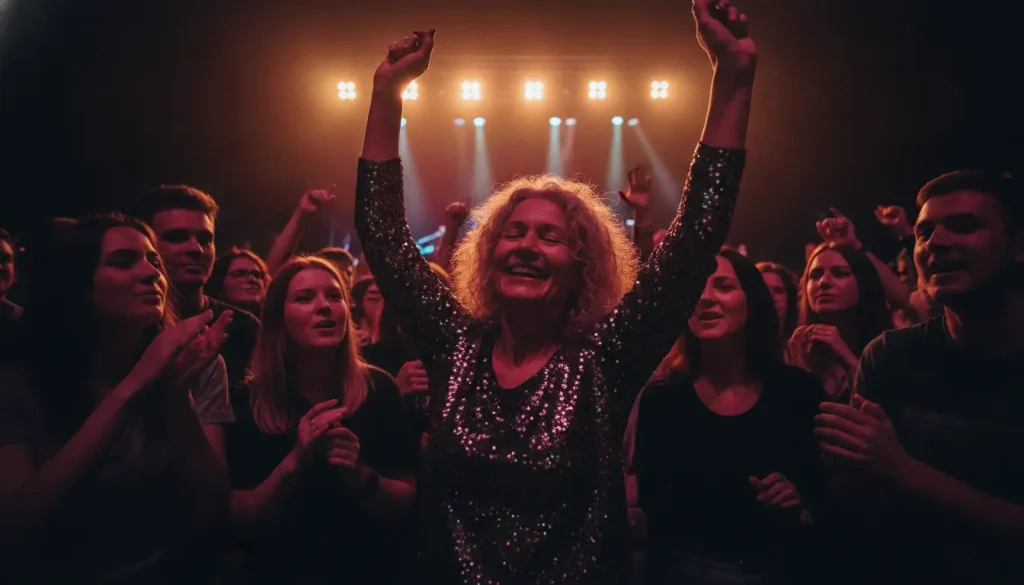
Loving live music doesn’t have to fade as you get older. Whether you’re the type to squeeze right up to the barrier, trek across a muddy festival field, or just fancy an evening discovering a new band, a few sensible habits can make the whole thing far more enjoyable.
Healthy ageing isn’t about giving up late nights or the things you love. It’s about looking after your body so you can keep doing them. Movement, decent meals, proper sleep and a bit of recovery time all help. Some people also like to add a magnesium supplement into the mix, though nothing beats eating well and staying active as the real foundation.
Build Strength for Standing, Walking and Dancing
Gigs are more physical than they look. There’s the walk to the venue, the stairs, hours on your feet, maybe some dancing in a packed crowd. Festivals ask even more of you, with long walks between stages and precious few chances to sit down.
Keeping your strength up makes all of this easier. Squats, step-ups, wall press-ups, a bit of light weight training – nothing fancy, just enough to support the muscles you rely on for standing, walking and balance.
You don’t need to train like you’re prepping for a marathon. Two or three short sessions a week is a realistic goal for most people. Pilates, yoga and swimming are worth a go too, since they help with mobility and posture as much as fitness.
The point isn’t athletic performance. It’s making sure a full night at a venue still feels doable.
Look After Your Hearing
If there’s one habit worth taking seriously, it’s protecting your ears. Loud music can leave your ears ringing afterwards, and repeated exposure over the years raises the risk of lasting hearing damage.
Musicians’ earplugs are worth considering; they cut the volume without muffling the music the way cheap foam plugs tend to. Handy for gigs, clubs, rehearsals and festivals alike.
Stepping away from the speakers now and then helps too, especially on longer nights. A short break in a quieter spot gives your ears a bit of a rest.
Ringing or muffled hearing after a show isn’t just part of the deal, it’s worth mentioning to a GP, audiologist or hearing specialist if it keeps happening.
Keep Moving Between Events
Fitness for gig-going doesn’t start on the night itself. Staying active in between events builds up your stamina and keeps stiffness at bay.
Walking is the easy one. A brisk walk most days does wonders for your heart and gets your legs used to standing for long stretches. Cycling, swimming and dancing all work just as well, and mix things up a bit.
If you spend a lot of the day sat down, some gentle mobility work for your ankles, hips, shoulders and back can make a real difference to how comfortable you feel in a crowd.
Little and often beats going all out for a fortnight and then giving up. A routine you can actually stick to matters more than an ambitious one you can’t.
Eat Before You Arrive
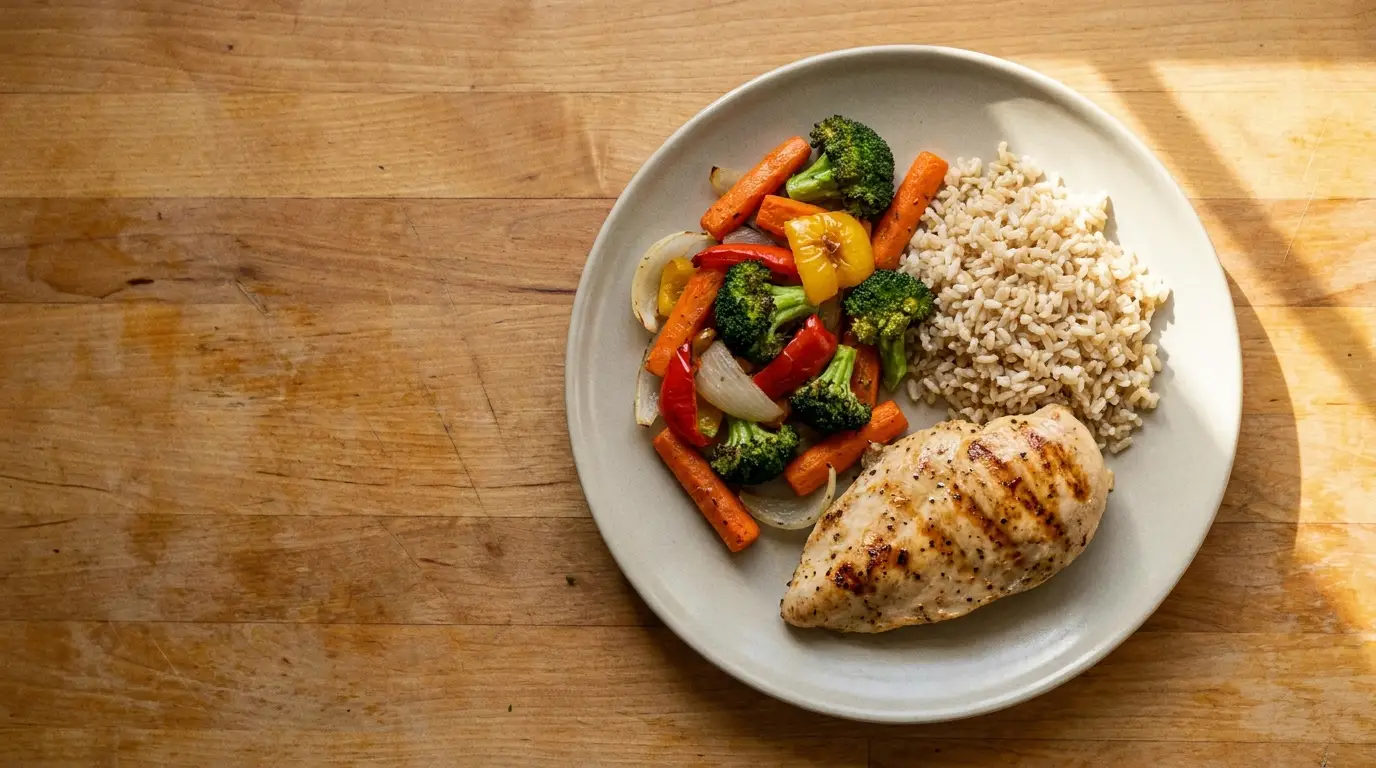
It’s easy to forget about food when you’re rushing to get to a venue or packing for a festival. Turning up hungry, though, tends to leave you flagging before the headliner’s even come on.
A proper meal beforehand sets you up much better. Aim for some protein, a few carbs and something like vegetables or fruit; chicken and rice, beans on toast, a pasta dish, or yoghurt with oats and berries all do the job.
On longer days, pack a snack to bridge the gaps between meals, though it’s worth checking the venue’s rules on what you can bring in.
This matters even more if you’re planning to drink. Food won’t stop alcohol affecting you, but drinking on an empty stomach tends to hit harder and faster.
Stay Hydrated Without Overcomplicating It
Venues get warm fast once they’re packed, and a day at an outdoor festival can mean hours in the sun. Drinking water throughout the day isn’t optional.
Start early rather than trying to catch up later. Refill your bottle at every water point at a festival, and find out where you can get water indoors too.
There’s nothing wrong with a drink or a coffee as part of the evening, but don’t let it be your only fluid. Alternating alcohol with water is a simple way to pace yourself and stay hydrated.
You don’t need to force down litres of water either. Just drink regularly, especially when you’re moving about, warm or outdoors.
Plan for Recovery
A late night has a way of catching up with you; sleep, energy, concentration, all of it can take a hit, especially with travel or alcohol thrown in. Giving yourself a gentler morning afterwards makes the whole thing easier to bounce back from.
Keep the next day fairly light where you can. Drink water, eat proper meals, and get out for a walk or a stretch rather than staying completely still.
Sleep matters, but lying in until the afternoon can sometimes make it harder to get back on track. A slightly later start, with some daylight and movement, tends to work better.
Recovery doesn’t need to be complicated. Food, fluids, rest and a bit of gentle activity usually cover it.
Pace Yourself at Festivals
A festival is a marathon, not a sprint. Trying to catch every act, cover every corner of the site and stay out until the last note each night will wear anyone down.
Pick your must-see acts ahead of time and leave room to breathe between them. A sit-down meal, some shade, or a short rest back at your tent or hotel can make a real difference to how much you enjoy the sets that matter most.
It’s worth checking the accessibility information beforehand too. Plenty of venues and festivals offer viewing platforms, seating, accessible entrances and other support for anyone who needs it.
Using them isn’t missing out. It’s just a sensible way to save your energy for the bits you care about.
Keep Enjoyment at the Centre
Healthy ageing should support the life you actually want, and for music lovers, that often means still going to gigs, still dancing, still travelling and sharing new discoveries with friends.
The habits that work best tend to be the least dramatic ones. Moving regularly, protecting your hearing, eating well, drinking enough and giving yourself time to recover, that’s most of it.
You might not bounce back from a late night quite the way you did at twenty, but that’s no reason to stop going. With a bit of preparation and a realistic pace, live music can stay a proper part of your life for decades to come.