For a generation that grew up switching between apps, playlists, and delivery orders without thinking twice, getting to work or school shouldn’t feel like the slowest part of the day. It shouldn’t require a parking search, a sweaty shirt, or a bike that looks like it belongs in a warehouse instead of on a city street.
That’s the gap a new kind of electric bike is filling. Not a scaled-down car, and not a heavier, more complicated bicycle — but a commuter eBike built specifically around how young people actually move: fast, low-effort, good-looking, and connected to the rest of their digital life.
Fast: A Trip That Doesn’t Get Slower When the City Does
Cars are fast on an open road and slow everywhere else — traffic, parking, circling the block twice for a spot. Trains are fast between stations but still involve waiting, transfers, and a walk on either end. A regular bicycle is direct, but a headwind or an uphill stretch can turn a twenty-minute ride into forty.
An electric bike removes most of that unpredictability. Pedal assistance keeps the pace steady through hills, stoplights, and wind, so a trip that should take twenty minutes actually takes twenty minutes — not because the bike is fast in a straight line, but because it doesn’t lose time the way other options do. For anyone with a class, a shift, or a meeting on the clock, that consistency matters more than top speed ever does.
Effortless: Less Sweat, Less Prep, Less Thinking About It
The reason a lot of young riders hesitate before biking to work isn’t the bike itself — it’s the aftermath. Showing up out of breath. Needing a change of clothes. Wondering if there’s enough energy left for the ride home after a full day.
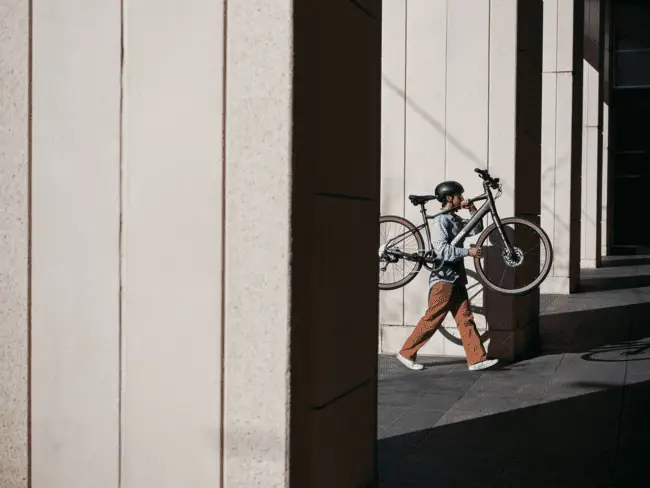
A well-built lightweight eBike solves most of this before it becomes a problem. Electric assistance handles the physical strain of hills and distance, so the rider arrives at the same effort level they left with. And because the bike itself is light, it’s just as easy off the road — carrying it up an apartment stairwell, wheeling it through a narrow building entrance, or lifting it onto a bike rack doesn’t turn into its own workout. A heavy eBike might ride fine but become a chore the moment the ride is over; a genuinely lightweight one stays effortless from door to desk and back.
Good-Looking: A Bike That Doesn’t Look Like Equipment
Early electric bikes were easy to spot — thick frames, exposed batteries, cables running everywhere, a look that screamed “specialized gear” rather than “everyday bike.” That aesthetic made sense for utility, but it also meant the bike rarely felt like something you’d want parked outside a coffee shop or leaned against a desk at the office.
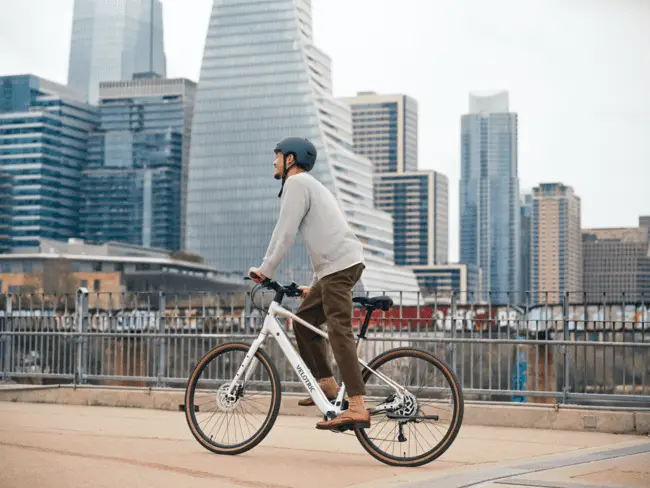
Young riders today want the opposite: an electric bike that reads as a clean, contemporary city bicycle first and an electric one second. Slim frame lines, hidden cables, balanced proportions, and colorways that actually fit an urban wardrobe — these aren’t just cosmetic choices. They’re what makes a rider comfortable bringing the bike into daily life instead of hiding it in a garage. A bike people are proud to be seen on is a bike people actually ride.
Smart: Technology That Works Quietly in the Background
This generation already manages payments, navigation, fitness, and schedules from a phone. A commuter eBike that ignores that reality feels dated the moment it leaves the shop.
The smart features that matter most aren’t flashy — they’re the ones that quietly remove friction. NFC unlocking instead of fumbling for a key. Phone-based location tracking so a parked bike is never really lost. An app that lets riders check battery level or adjust assist without extra buttons bolted to the handlebar. Fitness integration that turns pedal assistance into something adjustable around a workout goal, not just a way to avoid effort entirely. Good tech on a bike should be felt, not managed.
Tempo: One Bike, Four Boxes Checked
The Velotric Tempo is built around exactly this combination, rather than optimizing for a single spec.
Fast and steady: a quiet 350W hub motor with switchable torque and cadence sensing keeps the ride smooth and consistent whether the rider wants a more bicycle-like feel or steadier hands-off assistance through hills and headwinds.
Effortless in and out of the saddle: Tempo weighs 39 pounds with the battery and 34 pounds without it — light enough to carry up a stairwell, thread through a narrow entryway, or hoist onto a rack without turning storage into a second workout. Up to 60 miles of pedal-assist range means charging doesn’t have to be a daily ritual.
Genuinely good-looking: clean lines and a low-key frame let Tempo pass for a well-designed city bike at a glance — the kind of bike that looks just as natural outside a café as it does locked up at the office.
Smart without the clutter: NFC unlocking, Apple Find My and Google’s Find Hub support, app-based control, and Pulse Mode™ — which adjusts assistance around a wearable-tracked effort zone — give Tempo a connected layer that stays in the background until it’s actually useful.
The New Commute Looks Less Like a Machine and More Like a Bike
Young commuters aren’t chasing a smaller car or a faster bicycle. They want something that gets them where they’re going without stress, effort, or a second thought about how it looks doing it.
A commuter eBike like Tempo hits that combination by being fast enough to trust, light enough to forget about, good-looking enough to actually want to ride, and smart enough to stay out of the way. That’s less a niche upgrade than a preview of where everyday urban transportation is headed — not toward something more complicated, but toward a better bike.