Olive oil has been a kitchen staple for centuries, but its nutrition label can still raise questions. A small pour adds flavor, healthy fats, and a fair amount of energy.
Many people want to know how many calories are in olive oil, its fat content, and whether it contains carbs or protein, and a clear serving size makes those numbers much easier to understand.
This blog uses official nutrition data to break down serving sizes, macros, health benefits, and simple ways to use olive oil in daily meals.
Note: If you’re checking the carbs in olive oil nutrition facts, it contains zero carbohydrates because it is made entirely from fat.
What Makes Olive Oil Good for You?
Olive oil is a natural oil made by pressing olives, the fruit of the olive tree. Extra-virgin olive oil is the least processed type, helping to preserve more of the fruit’s natural compounds.
Unlike many cooking fats, olive oil is made mostly of monounsaturated fat. It also contains vitamin E and small amounts of plant compounds called polyphenols that are naturally present in olives.
Many health organizations, including the American Heart Association, recommend replacing saturated fats with unsaturated fats when possible.
While it is still high in calories, moderate portions can fit into many eating patterns.
Olive Oil Nutrition at a Glance
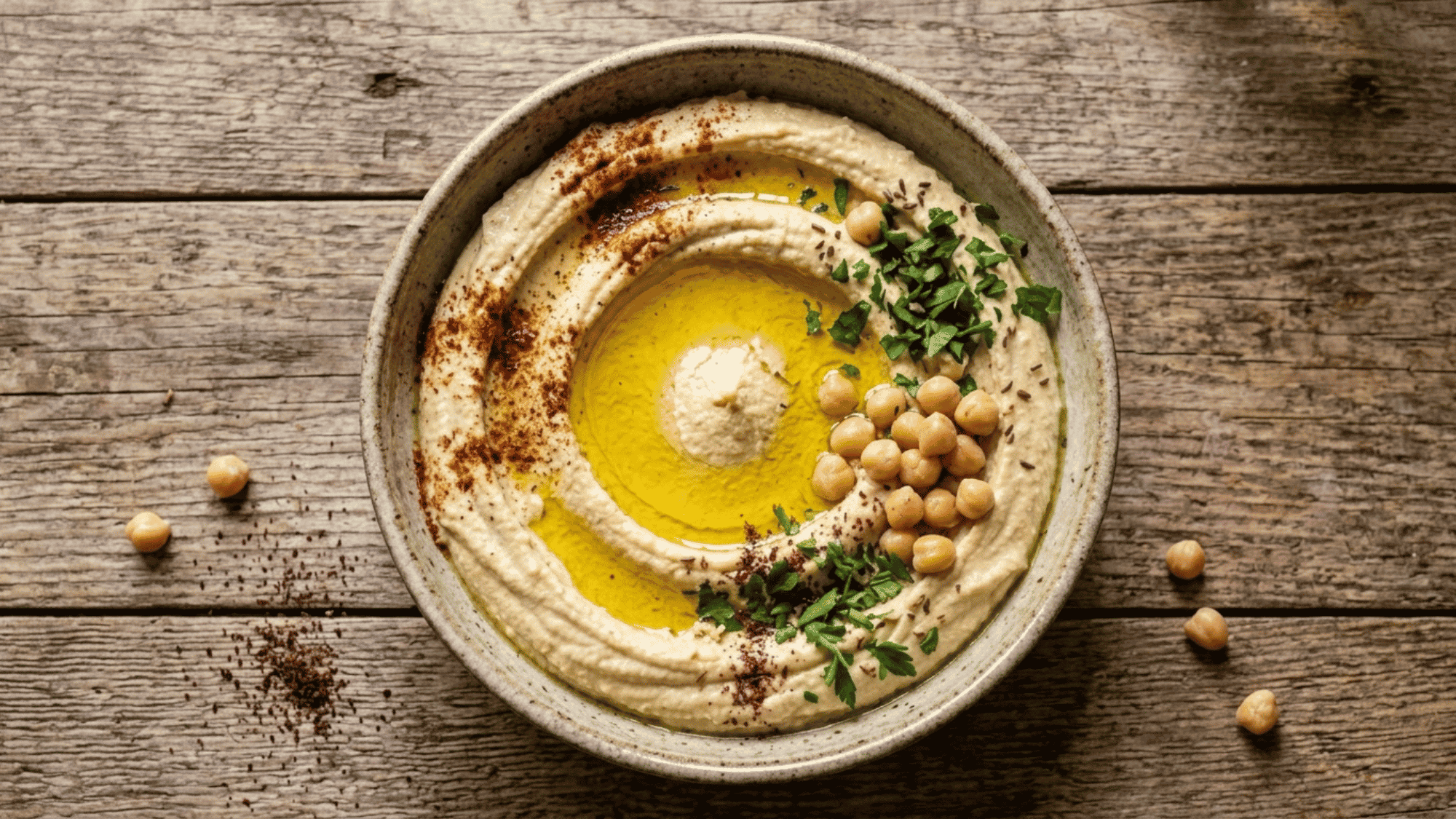
Olive oil is almost entirely fat and contains no meaningful amount of carbohydrates or protein. These macronutrients are listed below per 1 tablespoon (about 13.5 grams).
| Nutrient | 1 tsp (4.5 g) | 1 tbsp (13.5 g) | 2 tbsp (27 g) | ¼ cup (54 g) | 100 g |
|---|---|---|---|---|---|
| Calories | 40 | 119 | 238 | 477 | 884 |
| Total fat | 4.5 g | 13.5 g | 27 g | 54 g | 100 g |
| Monounsaturated fat | 3.3 g | 9.9 g | 19.8 g | 39.6 g | 73.3 g |
| Polyunsaturated fat | 0.5 g | 1.4 g | 2.8 g | 5.6 g | 10.5 g |
| Saturated fat | 0.6 g | 1.9 g | 3.8 g | 7.6 g | 13.8 g |
| Carbohydrates | 0 g | 0 g | 0 g | 0 g | 0 g |
| Protein | 0 g | 0 g | 0 g | 0 g | 0 g |
| Vitamin E | 0.6 mg | 1.9 mg | 3.8 mg | 7.6 mg | 14.4 mg |
| Vitamin K | 2.7 mcg | 8.1 mcg | 16.2 mcg | 32.4 mcg | 60.2 mcg |
Source: U.S. Department of Agriculture, Agricultural Research Service, FoodData Central
Health Benefits of Olive Oil
Olive oil is more than a cooking ingredient. Its nutritional value comes mainly from its healthy fats and naturally occurring plant compounds.
1. Supports Heart Health
Olive oil is rich in monounsaturated fat, especially oleic acid. Replacing saturated fats with monounsaturated fats may help maintain healthy cholesterol levels.
The American Heart Association recommends choosing unsaturated fats, such as those found in olive oil, instead of butter and other fats high in saturated fat.
2. Provides Natural Antioxidants
Extra virgin olive oil contains polyphenols and vitamin E. These compounds help protect cells from damage caused by free radicals.
Because extra virgin olive oil is less processed, it generally contains more of these natural compounds than refined olive oil.
3. May Help Reduce Inflammation
Some plant compounds in olive oil have been linked to a healthy inflammatory response. This benefit is one reason olive oil is a key part of the Mediterranean eating pattern.
Research suggests these compounds work best when olive oil is included regularly as part of an overall healthy diet.
4. Helps You Feel Full Longer
Fat takes longer to digest than carbohydrates. Adding a moderate amount of olive oil to meals may help increase feelings of fullness after eating.
Pairing it with vegetables, whole grains, or lean proteins can make meals more satisfying without relying on heavily processed foods.
5. Contains Fat-Soluble Vitamins
Olive oil naturally supplies vitamin E and vitamin K. It also helps the body absorb vitamins A, D, E, and K from other foods.
Adding a small amount to salads or cooked vegetables can improve the absorption of these nutrients.
6. Olive Oil and Cancer
Mediterranean populations, whose diets lean heavily on olive oil, tend to show lower overall cancer rates, which researchers partly attribute to oleic acid’s resistance to oxidation.
Early evidence points to a possible reduced breast cancer risk with regular intake; however, the research is promising, but it’s still developing rather than conclusive.
7. Olive Oil and Alzheimer’s disease
Alzheimer’s is the leading cause of dementia worldwide, and diet may play a role, as a 2026 meta-analysis found the Mediterranean diet may lower key risk factors for Alzheimer’s and dementia.
Other research links the same eating pattern to reduced cognitive decline, though olive oil’s specific contribution hasn’t yet been confirmed on its own.
How Olive Oil Compares to Other Oils?
Looking at olive oil calories alongside other cooking fats makes it easier to compare portion sizes, but the biggest nutritional difference is the type of fat each oil contains.
| Oil | Calories | Total Fat | Saturated Fat | Monounsaturated Fat |
|---|---|---|---|---|
| Olive oil | 119 | 13.5 g | 1.9 g | 9.9 g |
| Canola oil | 124 | 14 g | 1 g | 8.9 g |
| Avocado oil | 124 | 14 g | 1.6 g | 10 g |
| Coconut oil | 121 | 13.5 g | 11.8 g | 1 g |
| Butter | 102 | 11.5 g | 7.2 g | 3.3 g |
Suggested Ways to Use Olive Oil
Olive oil is easy to include in everyday meals. The right method depends on the type of olive oil and the dish being prepared.
1. Use It as a Finishing Oil
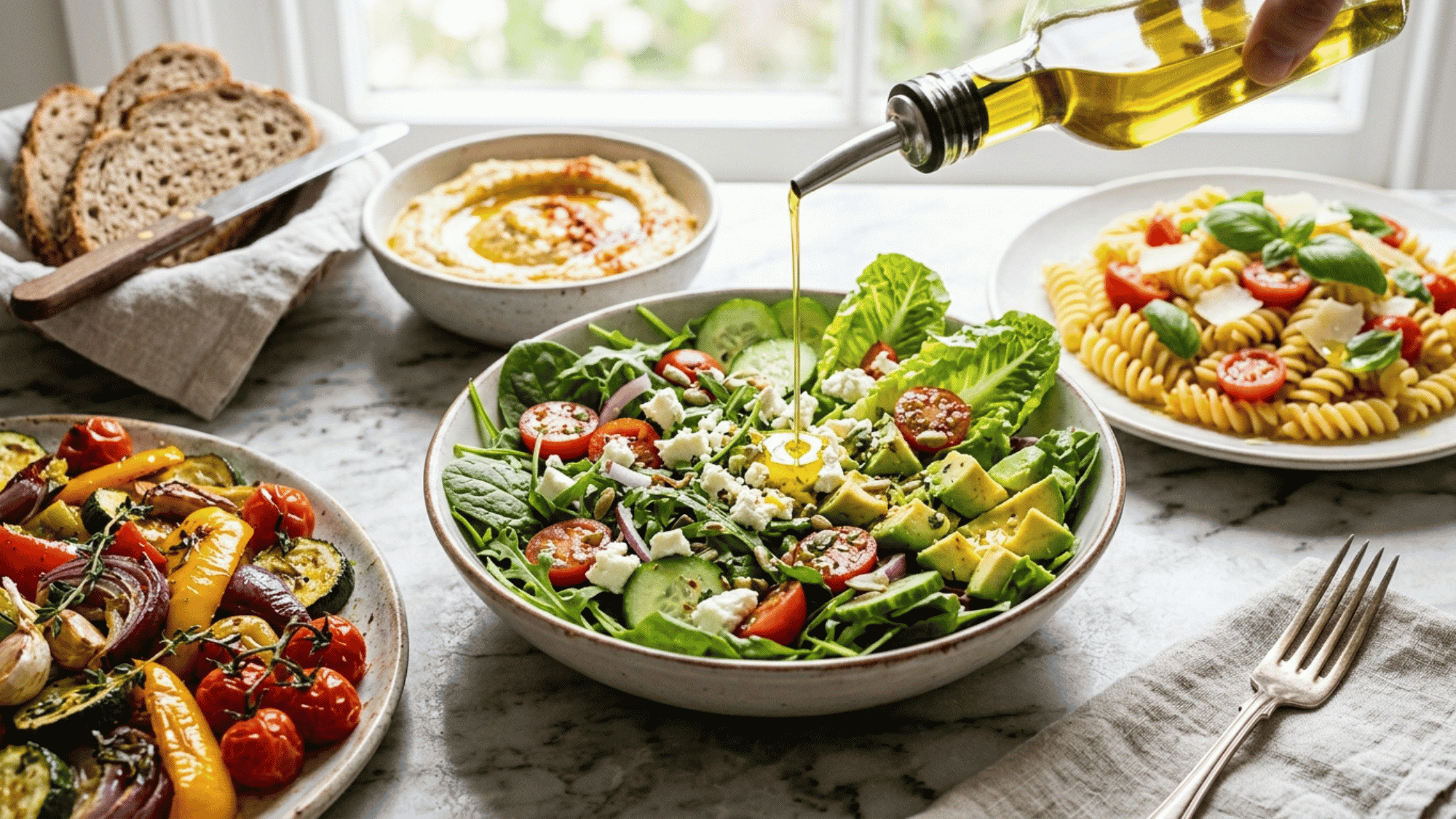
Drizzle olive oil over foods just before serving to add flavor and healthy fats. It works well when you want a richer taste without heavy sauces.
Try it with: fresh salads, roasted vegetables, soups, whole-grain bread, pasta dishes, and hummus.
2. Cook with Olive Oil
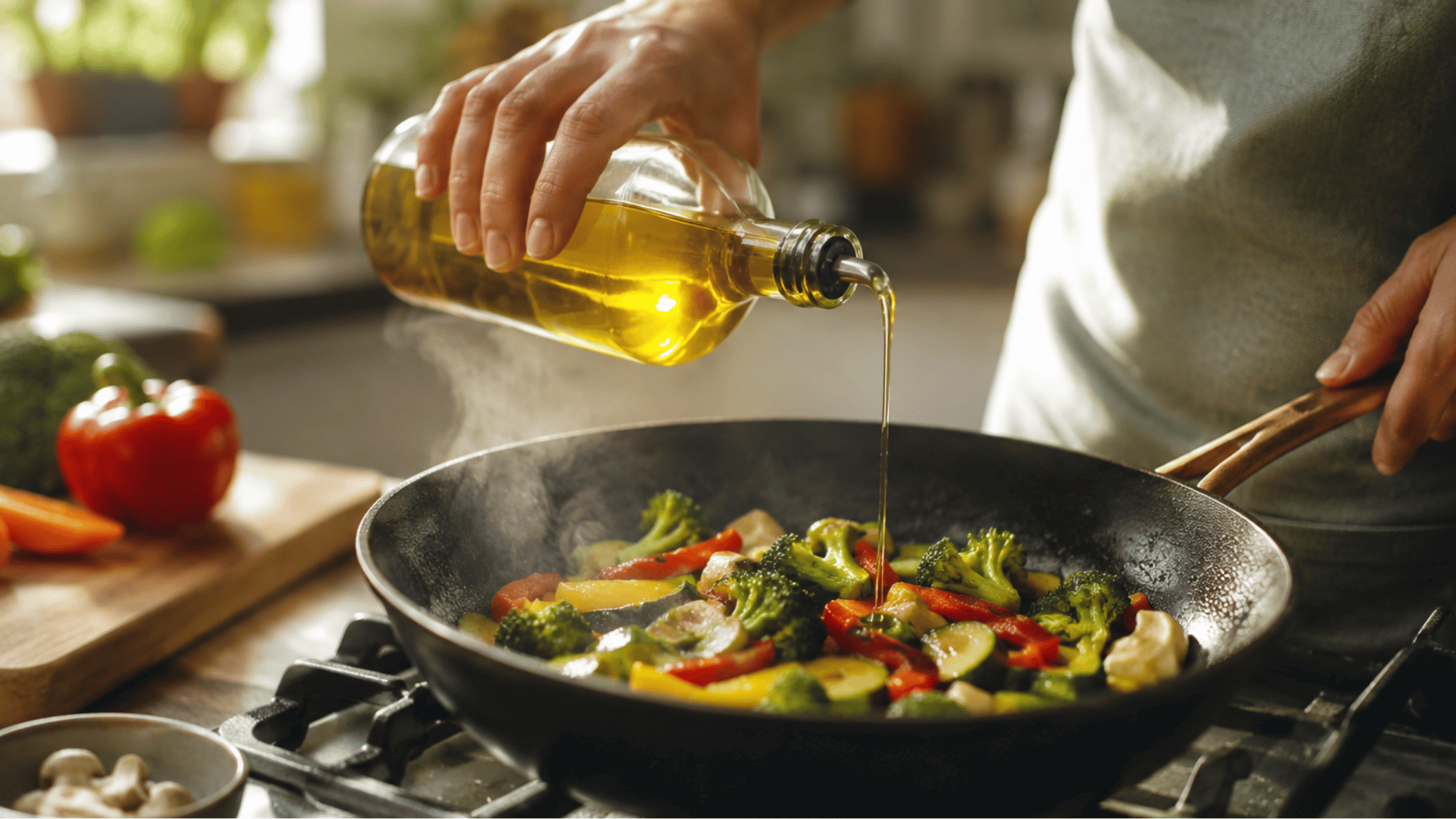
Olive oil works well for many everyday cooking methods. It can handle common stovetop and oven recipes when used at moderate heat.
Try it for sautéing vegetables, pan cooking chicken or fish, roasting potatoes, stirring into cooked grains, and making homemade sauces.
3. Make Homemade Dressings
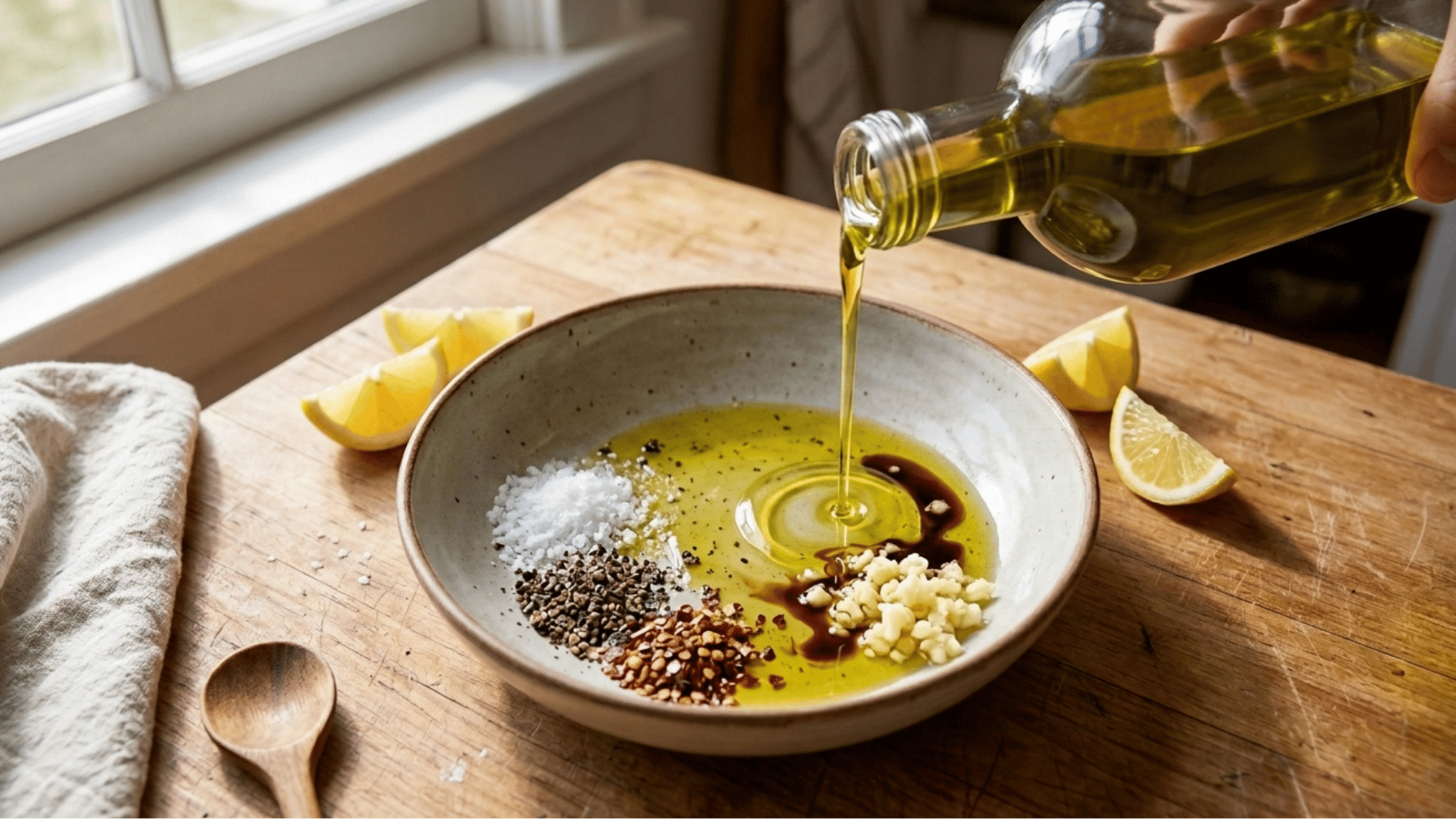
Olive oil blends well with common pantry ingredients. It helps carry flavor from herbs, spices, acids, and seasonings.
Try combining it withlemon juice, balsamic vinegar, apple cider vinegar, garlic, black pepper, and fresh herbs.
Some Risk Factors Related to Extra Virgin Olive Oil
Extra virgin olive oil is safe for most people, but its high calorie content and occasional allergic reactions to olive compounds are worth noting.
- Calorie-dense: At about 120 calories per tablespoon, olive oil adds up fast if poured freely rather than measured, even though the fat itself is a healthy type.
- Rare allergic reactions: True olive oil allergy is uncommon but documented and can cause skin irritation or digestive symptoms in sensitive individuals.
- Fraud and mislabeling: Authentic extra virgin olive oil matters because some products are diluted with cheaper oils, reducing the quality and health benefits you expect from the real product.
- Not built for high-heat frying: Extra-virgin olive oil has a lower smoke point than refined oils, making it better suited to sautéing and finishing than to deep frying.
Storage and Food Safety
Proper storage helps olive oil keep its flavor and quality for longer. Keep the bottle tightly sealed, store it in a cool, dark cupboard, and place it away fromheat, sunlight, and open air.
Dark glass or stainless-steel containers are better when possible, as an unopened bottle usually lasts 18 to 24 months, while an opened bottle is best used within 2 to 3 months.
Extra virgin olive oil is usually best within 12 to 18 months of harvest, and if it smells wax-like, tastes flat, loses its fresh aroma, or looks cloudy at room temperature, it may be rancid and should be replaced.
Final Thoughts
Olive oil is a simple ingredient with a strong nutritional profile. It contains healthy monounsaturated fats, naturally occurring vitamins E and K, and no carbohydrates or protein.
Understanding serving sizes makes it easier to enjoy it as part of balanced meals. Knowing the official nutrition values also helps when tracking intake or comparing cooking oils.
Although olive oil calories can add up because fat is energy-dense, moderate portions fit well into many healthy eating patterns.
Frequently Asked Questions
Is 2 Tablespoons of Olive Oil a Day Too Much?
If you’re askinghow many calories are in olive oil, two tablespoons provide about 238 calories. For most healthy adults, this amount can fit into a balanced diet.
Is Olive Oil a Fat or a Protein?
Olive oil is a fat, containing virtually no protein or carbohydrates, with most of its fat being monounsaturated.
Does Olive Oil Raise Cortisol?
Current research does not show that olive oil raises cortisol. In fact, olive oil is commonly included in Mediterranean-style eating patterns that have been associated with overall health and well-being.