
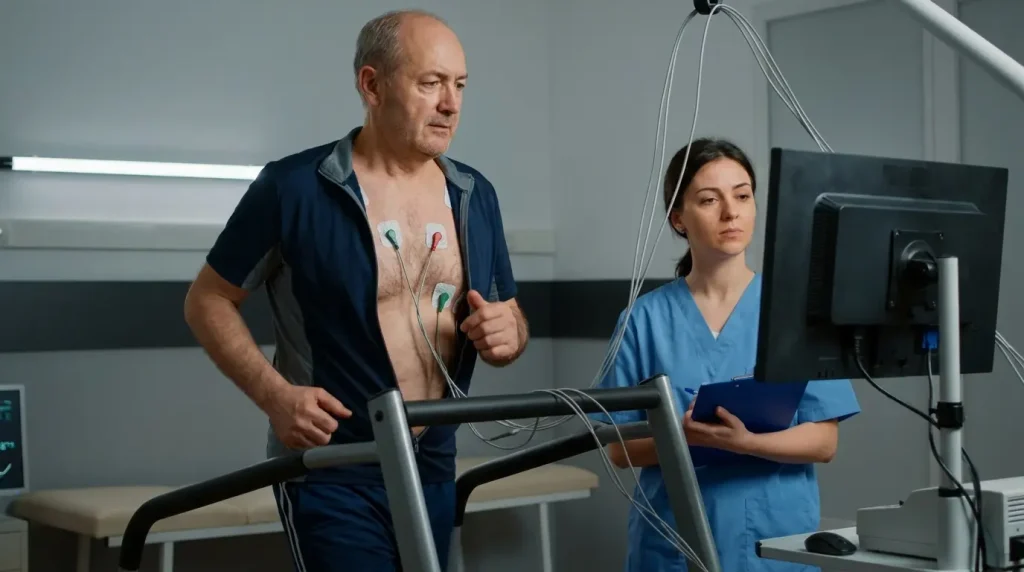
Many people feel uneasy when a doctor orders a stress test. The name alone sounds alarming, like something risky is about to happen.
In reality, the process is closely monitored by trained medical staff from start to finish.
What is a stress test, and what should you actually expect?
This blog covers what happens during a stress test, from preparation to how the test itself works, along with how long it takes and the risks involved.
What is a Stress Test?A stress test assesses how the heart performs during physical exertion, not at rest. The person walks on a treadmill or rides a stationary bike while providers monitor heart rate, blood pressure, breathing, and electrical activity. If exercise isn’t possible, medication creates the same effect. Doctors use it to spot reduced blood flow, abnormal rhythms, or other heart problems that don’t show up at rest. And despite the name, it has nothing to do with emotional stress. It’s purely a measure of the heart’s physical performance. |
Why Might You Need a Stress Test?
Doctors recommend stress tests when they need more information about how your heart performs during activity.
A person may have symptoms that only appear when the heart is under physical demand, making a stress test useful for evaluating those changes.
Common Reasons Include:
- Checking chest discomfort that occurs during exercise or activity.
- Investigating shortness of breath, unusual fatigue, or reduced exercise tolerance.
- Evaluating irregular heartbeat symptoms such as palpitations.
- Monitoring known heart conditions or previous heart problems.
- Assessing heart function before certain surgeries or treatments.
- Understanding how the heart responds after treatment.
Different Types of Stress Tests
Stress tests are not all performed the same way. The type recommended depends on your health condition, ability to exercise, and the information your doctor needs about your heart.
Each stress test provides different information. Your doctor chooses the method based on your symptoms, overall health, and the specific questions they need answered.
| Type of Stress Test | How It Works | Commonly Used for |
|---|---|---|
| Exercise Stress Test | You walk on a treadmill or ride a bike while your heart activity is monitored. | You can safely perform physical exercise. |
| Stress Echocardiogram | Combines exercise with ultrasound images of the heart. | Doctors need to view heart movement during stress. |
| Nuclear Stress Test | Uses a radioactive tracer and imaging camera to check blood flow. | More detailed circulation information is needed. |
| Pharmacological Stress Test | Uses medication to increase heart workload without exercise. | Exercise is difficult due to mobility or health limitations. |
How Does a Stress Test Work?
A stress test works by gradually increasing the workload on your heart while medical equipment tracks how your body responds. The goal is to compare your heart’s activity at rest with its performance during physical demand.
Before the Test Begins
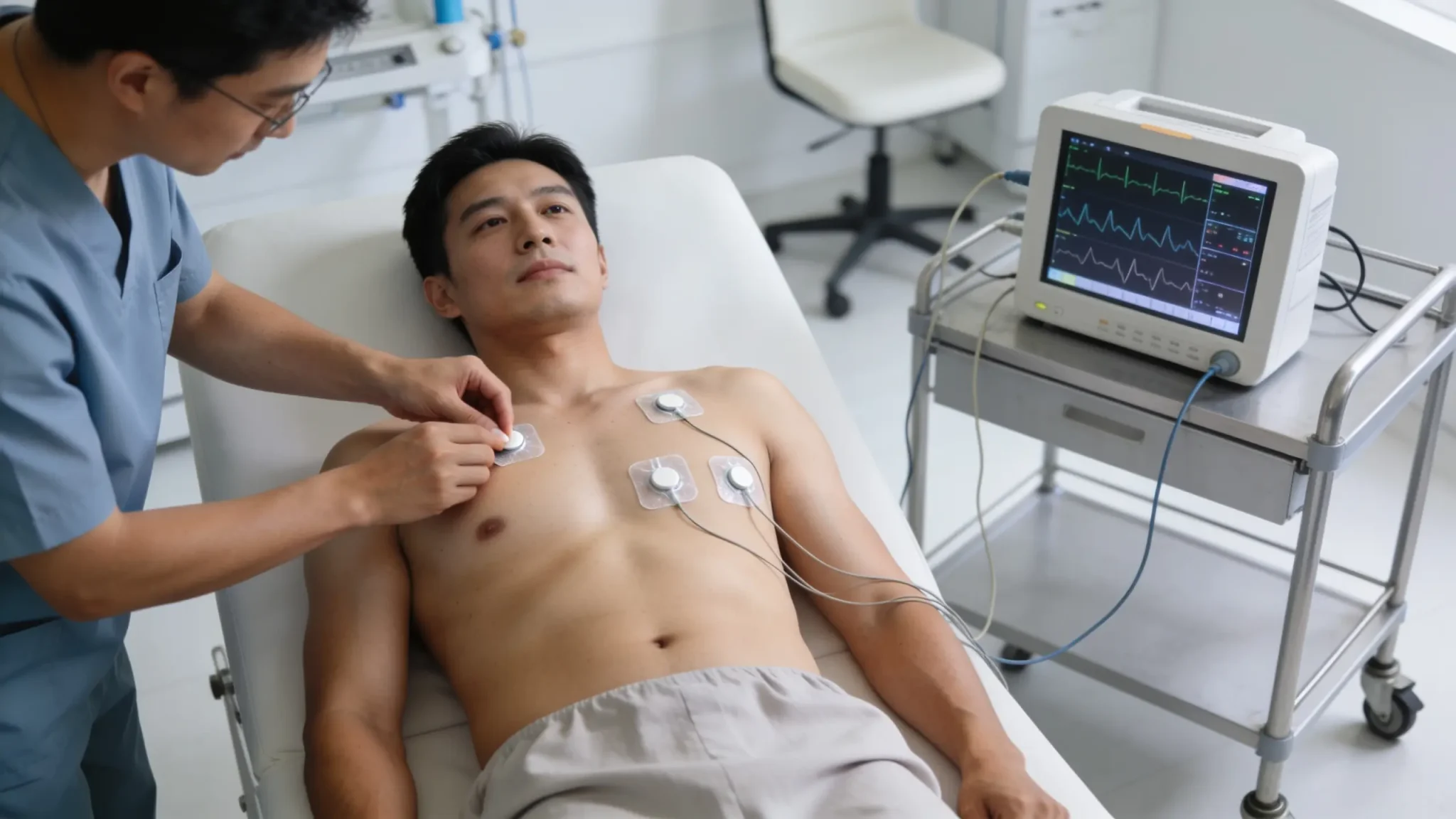
Before the test begins, healthcare providers review your medical history, symptoms, and medications.
They attach electrodes to your chest to monitor electrical activity and record baseline readings, including heart rate and blood pressure, to understand how your heart functions before stress is applied.
During the Exercise Phase

During the exercise phase, you walk on a treadmill or use a stationary bike while the intensity gradually increases.
Medical staff monitor your heart rhythm, blood pressure, breathing, and symptoms throughout the process.
The test continues until enough information is collected or concerns require it to stop.
During Recovery
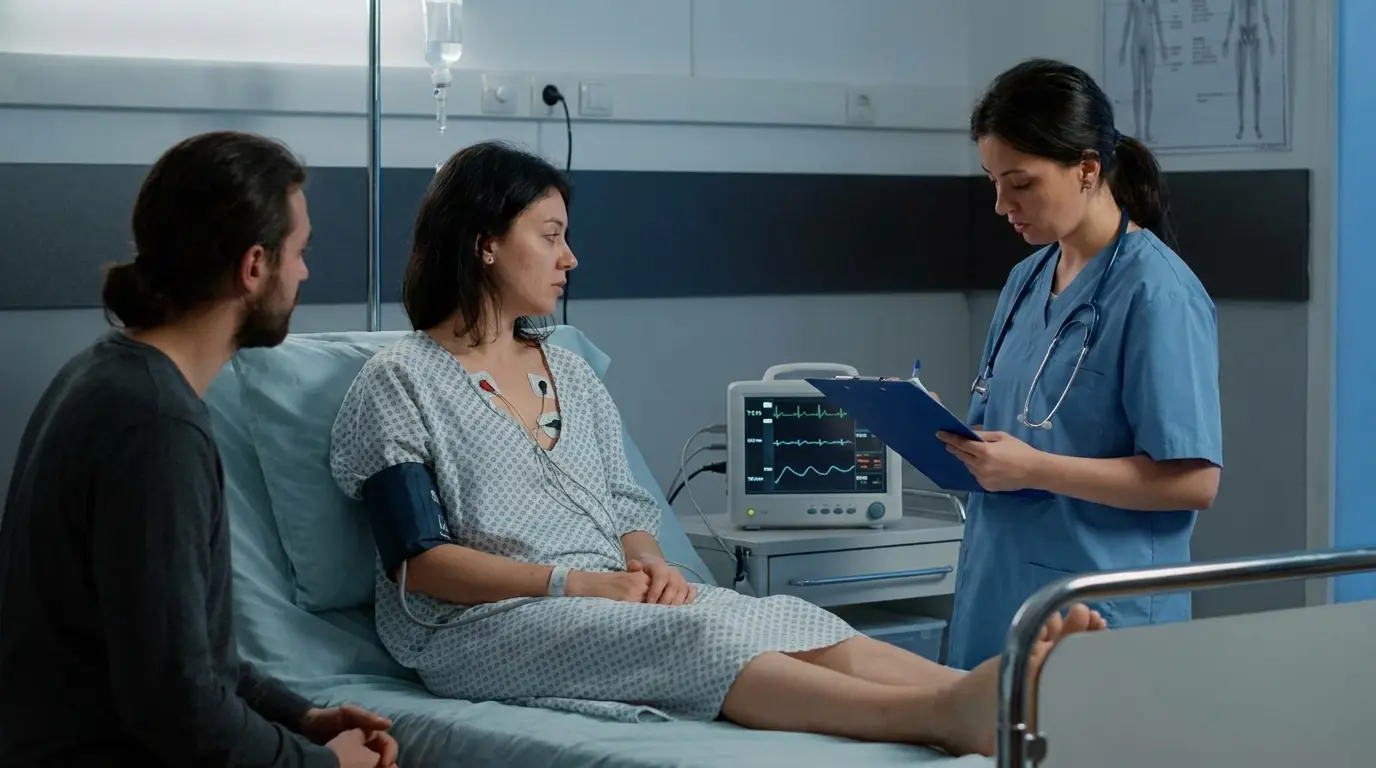
After the exercise or medication phase ends, your heart continues to be monitored during recovery.
Healthcare providers check how quickly your heart rate and blood pressure return to normal and document any symptoms that appear after the stress portion is complete.
How to Prepare for a Stress Test?
Preparing properly can make the appointment smoother and help doctors collect accurate information. Instructions may vary depending on the type of stress test, so follow the specific guidance provided by your healthcare team.
- Wear comfortable clothing and walking shoes suitable for exercise.
- Avoid heavy meals before the test if your provider recommends fasting.
- Ask whether you should temporarily stop certain medications.
- Avoid caffeine if instructed, as it may interfere with certain testing methods.
- Inform the medical team about chest pain, dizziness, or breathing problems before starting.
- Bring any required medical records or previous test information.
How Long Does a Stress Test Take?
The total appointment time depends on the type of stress test and the preparation required. While the actual exercise portion is usually short, the complete visit includes setup, monitoring, and recovery time.
Most standard stress tests take around 45 to 60 minutes from arrival to completion.
| Stage of Stress Test | Approximate Time |
|---|---|
| Preparation and equipment setup | 10–15 minutes |
| Resting heart measurements | 5–10 minutes |
| Exercise or medication testing phase | 5–15 minutes |
| Recovery monitoring | 5–15 minutes |
Are There Any Risks of a Stress Test?
Stress tests are generally considered safe because medical professionals monitor you throughout the procedure. Temporary effects are common because the test intentionally increases heart workload.
Possible short-term effects include:
- Faster Heartbeat: Your heart rate naturally increases as the test raises your heart’s workload during exercise or medication stimulation.
- Sweating: Increased activity and a faster heartbeat can cause sweating, similar to normal physical exertion.
- Shortness of Breath: Breathing may become heavier as your heart works harder to meet your body’s increased demand for oxygen.
- Muscle Tiredness: Walking or cycling during the test can cause temporary leg fatigue or weakness.
- Mild Dizziness: Some people may feel lightheaded due to changes in heart rate, blood pressure, or exertion.
The Bottom Line
A stress test isn’t as intimidating as it sounds once you know what’s involved. It’s just one piece of the bigger picture doctors use to understand your heart health.
If anything about the process still worries you, whether it’s the preparation, the test type, or a specific symptom, bring it up with your doctor beforehand.
A quick chat with your doctor beforehand can make the appointment feel a lot less stressful.
Frequently Asked Questions
Are Stress Test Results Available Immediately?
Some findings may be noticed during the test, but the complete results usually require a doctor’s review. Imaging-based stress tests may take longer to interpret.
Can You Eat Before a Stress Test?
Eating instructions vary depending on the test type. Some people may have a light meal, while others may need to avoid food beforehand for accurate results.
Can a Stress Test Detect All Heart Problems?
A stress test identifies certain heart issues related to blood flow, rhythm, and exercise response but cannot detect every condition. Additional tests may be needed.
Is Walking On a Treadmill Required For Every Stress Test?
No, treadmill exercise is not required for all stress tests. Medication-based tests can simulate the effects of exercise for people unable to exercise safely.
What Happens If I Cannot Finish the Exercise Portion?
The test does not need to be completed fully. Medical staff can stop it if symptoms occur or enough information has already been collected.
Is an Abnormal Stress Test Always Serious?
An abnormal result does not always indicate a serious heart problem. Doctors review symptoms, medical history, and other tests before deciding the next steps.


















