You scoop a cup of jasmine rice onto your plate and wonder what it is actually doing for you. That question matters more once you start tracking meals or managing blood sugar.
Maybe you have also seen long-grain rice on the same shelf and wondered if the choice even matters. It is a fair thing to wonder before you fill your grocery cart.
This blog breaks down the nutrition of jasmine rice in plain numbers. You will see calories and macros for cooked and uncooked portions, plus how this rice compares to plain white rice.
What’s the Nutrition in Jasmine Rice?
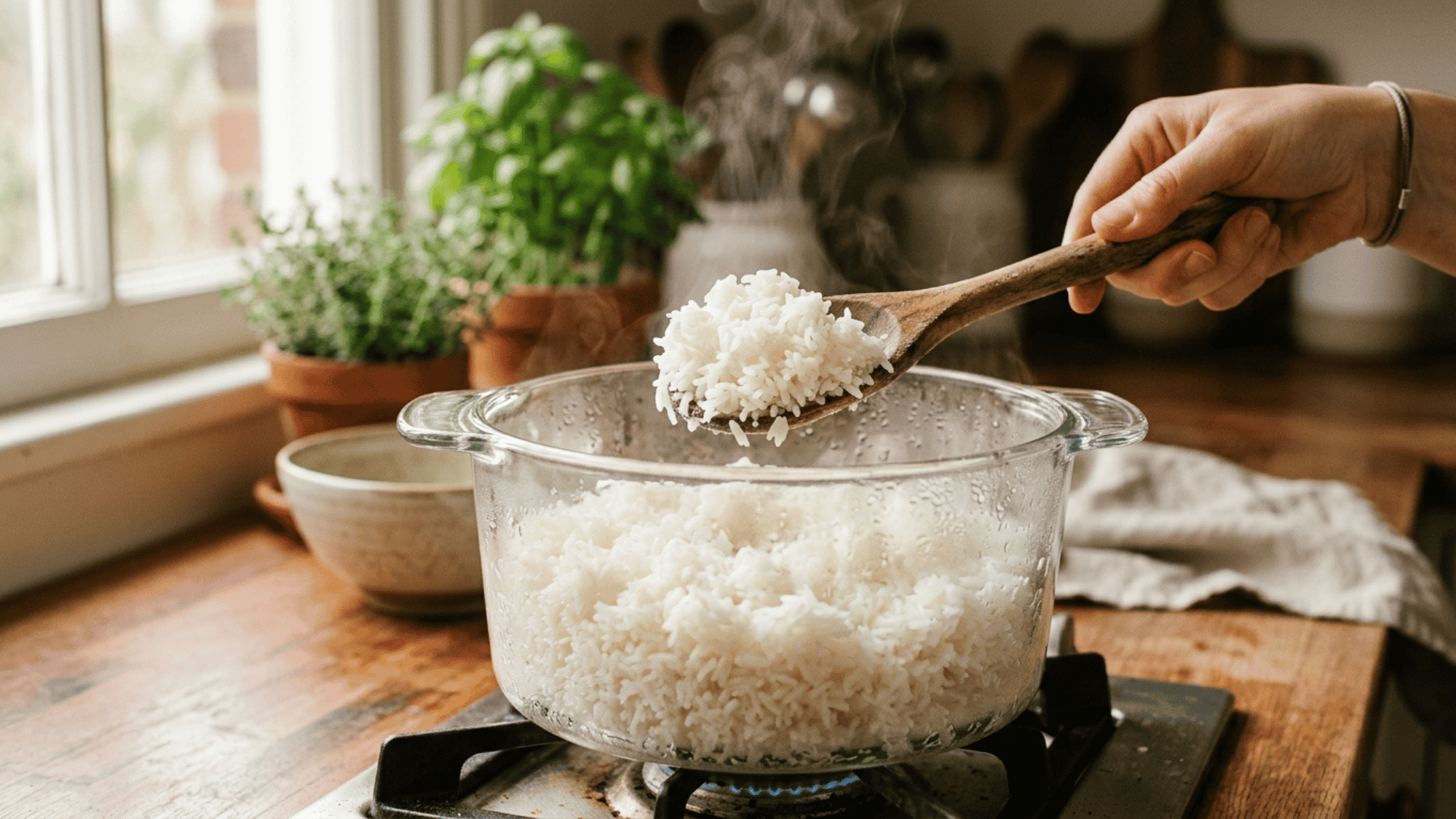
Jasmine rice is a long-grain rice grown mostly in Thailand. It gets its name from its light floral scent, which appears when the pot begins to steam.
The grains cook up soft and slightly sticky, unlike the drier texture of basmati. One cup of cooked white jasmine rice contains about 242 calories, 53 grams of carbs, and 4 grams of protein.
Many people ask, “Is jasmine rice healthy?”
The answer depends on your overall diet and portion size. Jasmine rice provides carbohydrates for energy and can fit into a balanced eating pattern.
Jasmine Rice Nutrition Facts
Jasmine rice changes significantly between dry and cooked forms, so serving size matters. This table shows the basic calorie, carb, protein, fat, and fiber content for common portions.
| Serving | Calories | Carbs | Protein | Fat | Fiber |
|---|---|---|---|---|---|
| Cooked jasmine rice, 1 cup, 158g | About 242 | About 53g | About 4g | About 0.4g |
About 1g |
| Uncooked jasmine rice, ¼ cup | 160 | 36g | 3g | 0g |
0.7 g |
| Uncooked jasmine rice, 1 cup | 640 | 144g | 12g | 0g |
2.7 g |
| Cooked jasmine rice, ½ cup | 121 | 26g | 2g | 0.2g |
0.5 g |
Is Jasmine Rice Healthy: Key Benefits to Know
Many people want to know whether jasmine rice is healthy and are surprised to learn that it can be part of a nutritious meal. Jasmine rice is mainly a source of carbohydrates, with small amounts of vitamins and minerals.
- Provides energy: Jasmine rice is rich in carbohydrates, the body’s primary fuel. It can support daily energy needs and works well in balanced meals.
- Naturally low in fat: Cooked jasmine rice contains very little fat. What you pair it with matters most for the overall meal.
- Easy to digest: White jasmine rice is low in fiber and has a soft texture, which makes it gentle on the stomach for many people.
- Provides essential minerals: Jasmine rice contains small amounts of minerals such as manganese, magnesium, and selenium, with higher levels in brown jasmine rice.
Why Does Cooked Rice Weigh More than Uncooked Rice?
Jasmine rice absorbs water and expands as it cooks, so 1 dry cup yields about 3 cups cooked; the calories stay the same, only the volume changes.
That’s why two people measuring “the same amount” can get different results, one measuring dry, the other after it’s already puffed up.
Measuring rice before cooking gives a more accurate calorie count, since cooked weight varies with water absorption and can shift slightly from one kitchen to the next.
Jasmine Rice Portion and Serving Sizes
Once you know why the numbers shift between dry and cooked rice, the next step is figuring out how much actually belongs on your plate.
The right amount depends less on a fixed rule than on the role the rice plays in the meal.
- Side dish: ½ cup cooked, about 120 calories, enough alongside vegetables or protein.
- Meal prep: ⅓ cup uncooked per person yields about 1 cooked cup; 1 cup uncooked feeds roughly 3 people.
- Lighter meal: ½ cup cooked, with vegetables or protein filling out the plate.
- Main carb source: A fully cooked cup works better as the centerpiece.
- Batch cooking: Portion right after cooking, since a big pot is easy to overserve.
Jasmine Rice Vs White Rice: What’s the Difference
Jasmine rice is a variety of white rice, not a separate type of grain. When comparing jasmine rice vs white rice, it has nutrition similar to regular long-grain white rice, with nearly the same calories, carbs, and protein.
| Feature | Jasmine Rice | Long-Grain White Rice |
|---|---|---|
| Calories (per cooked cup) | About 242 |
About 240 |
| Texture | Softer and slightly stickier |
Fluffy and separate |
| Aroma | Light natural floral scent |
Mild, little to no aroma |
| Best Uses | Thai curries, stir-fries, and Vietnamese dishes |
Pilafs, casseroles, everyday side dishes |
How to Cook Jasmine Rice: 3 Easy Recipes
Jasmine rice works as more than a simple side dish. These easy recipes show how one pot of rice can become a flavorful meal or a base.
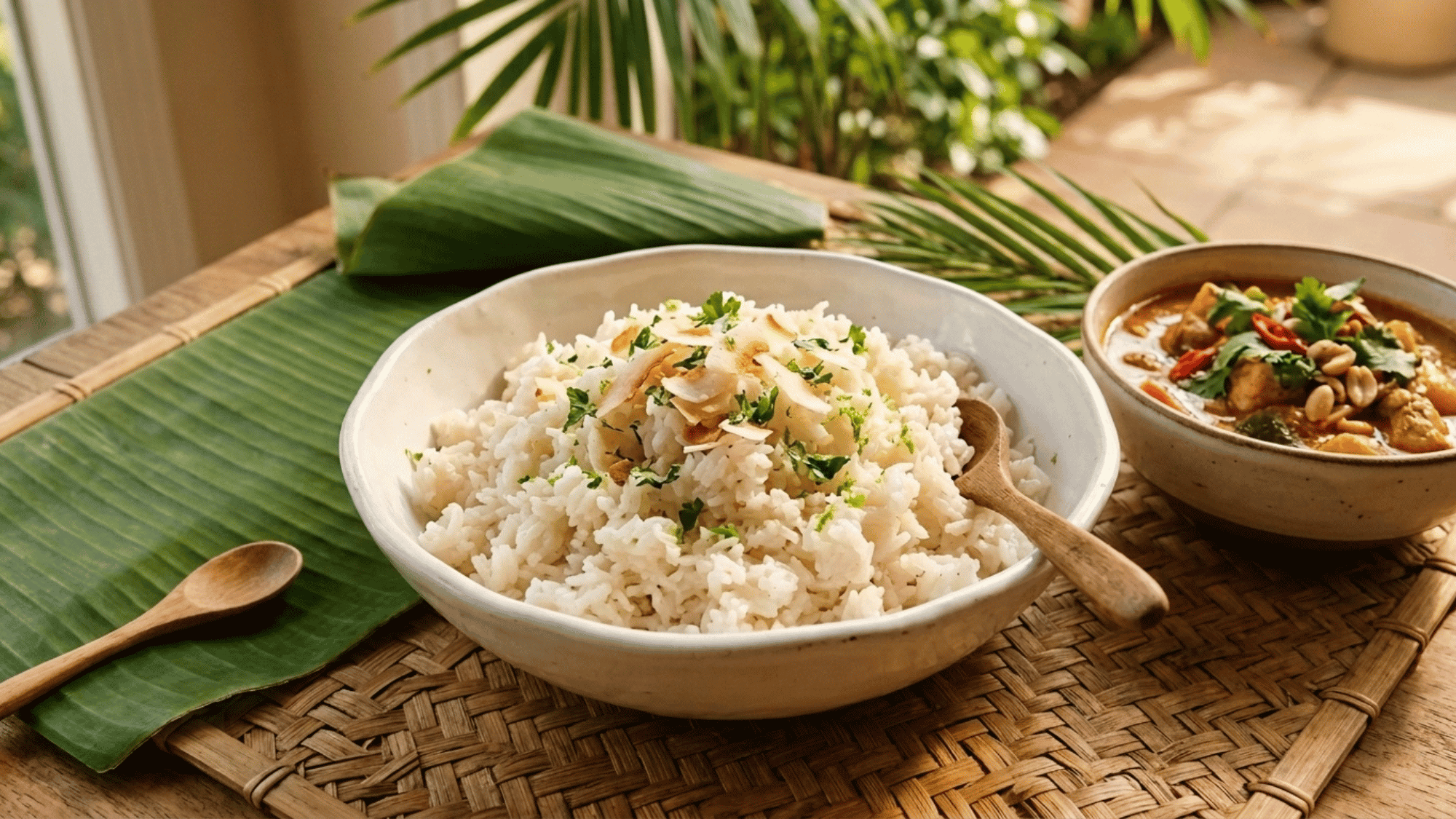
1. Coconut Jasmine Rice
This rice has a soft, slightly creamy texture and a gentle sweetness. It pairs well with curries, grilled seafood, or vegetable dishes.
Ingredients: Jasmine rice, water, coconut milk, salt
Preparation Steps
- Rinse the jasmine rice until the water runs mostly clear.
- Add the rice, water, coconut milk, and salt to a pot.
- Bring to a boil, then reduce the heat.
- Cover and simmer until the rice is tender.
- Fluff with a fork before serving.
2. Garlic Herb Jasmine Rice
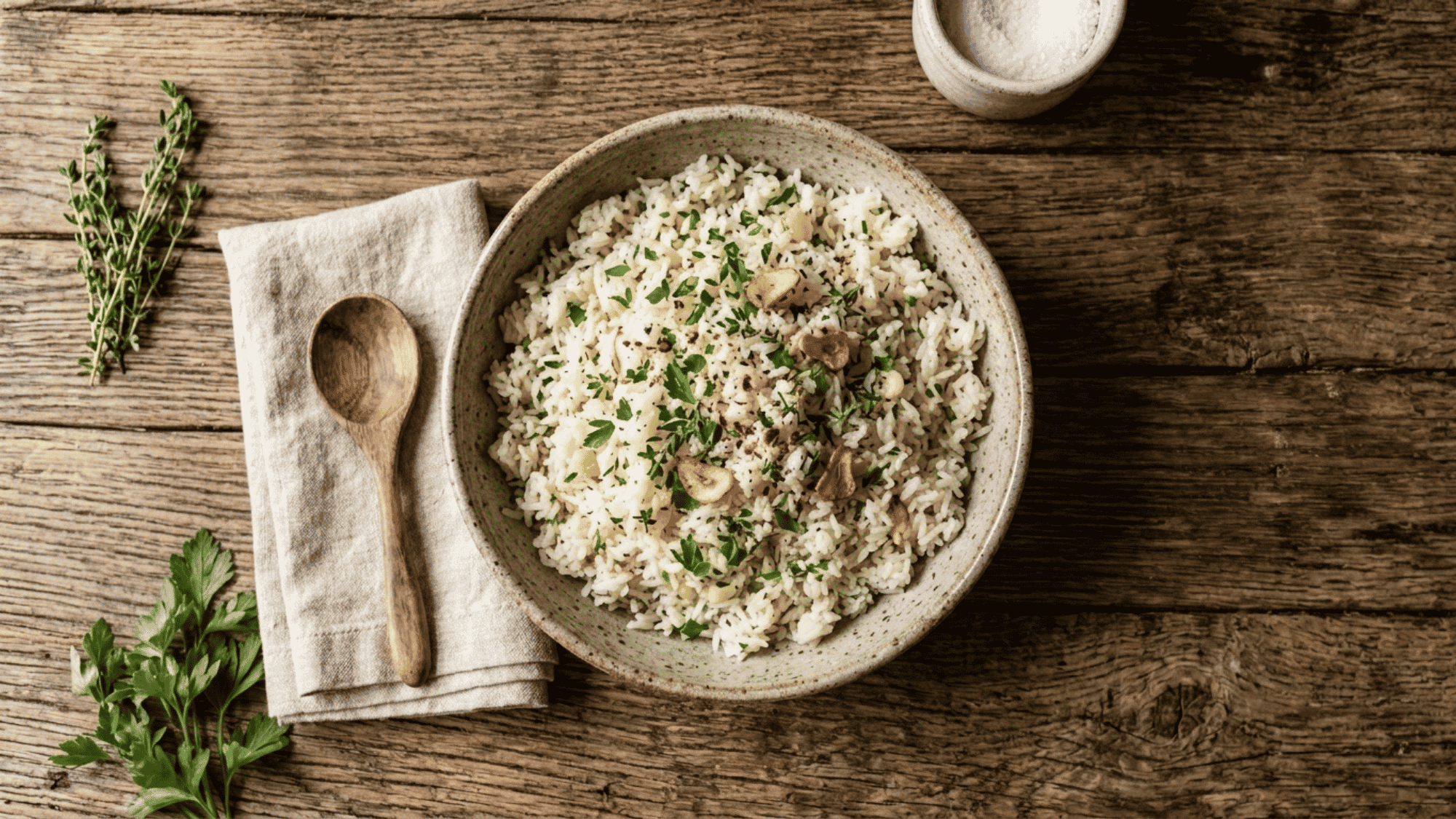
This simple version adds extra flavor without making the dish heavy. It works well with roasted vegetables, chicken, fish, or tofu.
Ingredients: Jasmine rice, water, garlic, oil, parsley or cilantro
Preparation Steps
- Rinse the jasmine rice and drain well.
- Sauté the garlic in oil for a few seconds.
- Add the rice and water to the pot.
- Cover and cook until the rice is soft.
- Stir in the herbs after cooking and serve warm.
3. Jasmine Rice Stir-Fry Bowl
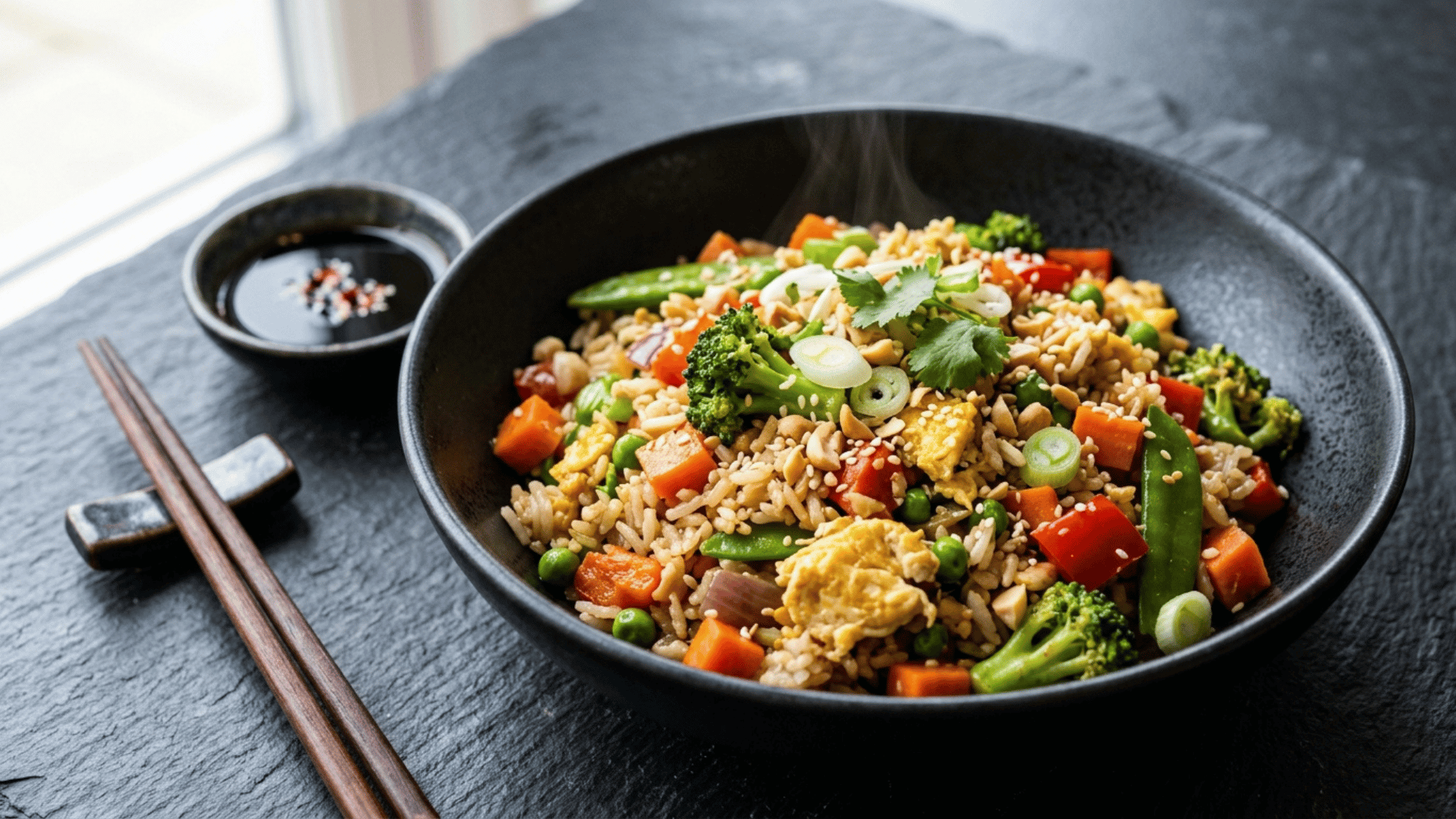
This quick bowl is best made with day-old rice because the grains fry better. It is a simple way to turn leftover rice into a filling meal.
Ingredients: Cooked jasmine rice, egg, mixed vegetables, soy sauce, oil
Preparation Steps
- Heat the oil in a pan over medium-high heat.
- Add the vegetables and cook for a few minutes.
- Stir in the cooked jasmine rice.
- Push the rice aside and scramble the egg.
- Add the soy sauce, toss everything together, and serve hot.
Wrapping it Up
Jasmine rice can be a useful part of everyday meals when you understand jasmine rice nutrition and what it offers. It gives your plate quick carbohydrates, a soft texture, and a gentle aroma.
The main thing to watch is balance. White jasmine rice is lower in fiber, so it is best paired with foods that add more nutrients and staying power.
Keep your serving size in mind, build the rest of the meal around it, and if you’re still pondering whether jasmine rice is healthy, the answer largely depends on your overall eating pattern and the foods you serve alongside it.
Frequently Asked Questions
Is Jasmine Rice Ok for Diabetics?
In moderate portions paired with protein or fiber, yes. Choose brown jasmine rice when possible, since its fiber slows the blood sugar spike that white rice can cause.
Is Jasmine Rice Anti-Inflammatory?
White jasmine rice has little effect either way. Brown and purple jasmine varieties contain antioxidants such as anthocyanins, which may help lower inflammatory markers over time.
Why are the Japanese so Healthy if They Eat Rice?
Portion size and overall diet matter more than rice alone. Traditional Japanese meals pair rice with fish and vegetables, often served in smaller portions than many Western plates.