Music has gradually become an important part of the casino industry, shaping both physical venues and online gaming. In earlier gambling spaces, the sound environment was mostly made up of mechanical noises from machines and general crowd activity. Over time, improvements in technology and design led to more deliberate use of music and sound. In today’s world, it can be found in the background of games as well as in physical casino venues, and rather than acting as a decoration, it can also be used to match a theme or complement the setting. This shift is reflective of how casinos and casino games have grown over time with the influence of other industries.
Early Casino Audio Design
The earliest slot machines were mechanical devices that could only provide sound through physical moving parts, such as coins dropping or gears turning. There was no intentional use of music during this stage, with only functional noise being included. As time went on, electromechanical machines developed, meaning designers began to consider the use of sound. This marked the beginning of casinos moving from incidental noise towards more structured audio environments that could support the atmosphere of gaming spaces.
Introduction of Background Music
Background music gradually became part of casino floor design as operators sought to shape the environment beyond visual appearance. Rather than leaving spaces with just machine noise and conversation, background music was introduced to create a constant atmosphere. It is the same as how music is played in the background of restaurants or social settings. This was implemented in casinos as a way of creating a social setting with a lot less silence and creating more of a communal setting.
Musical Interaction
As slot machines have developed over time, sound design has followed and begun to include responses to the gameplay. Certain audio signals are used to mark various outcomes, whether it be the unlocking of a combination or even the triggering of a bonus feature. These sounds are often designed in a way that stands out from other in-game audio so that the player is able to interpret the events of a game. In modern design, music and sound effects work together to create continuous feedback loops that support the pacing and flow of gameplay.
The Influence of Artists
Licensed music has become a feature of modern slots UK games in recent years, particularly those that are based on well-known artists or bands. Developers have created games using already existing music and branding that is associated with musicians such as Guns N’ Roses, The Rolling Stones, and Jimi Hendrix, just to name a few. These games are massively reliant on the player’s knowledge of the artists, with songs and related imagery based on their identities shaping the design. It is an approach that combines licensing and popular slot mechanics to produce unique titles.
Music as Branding
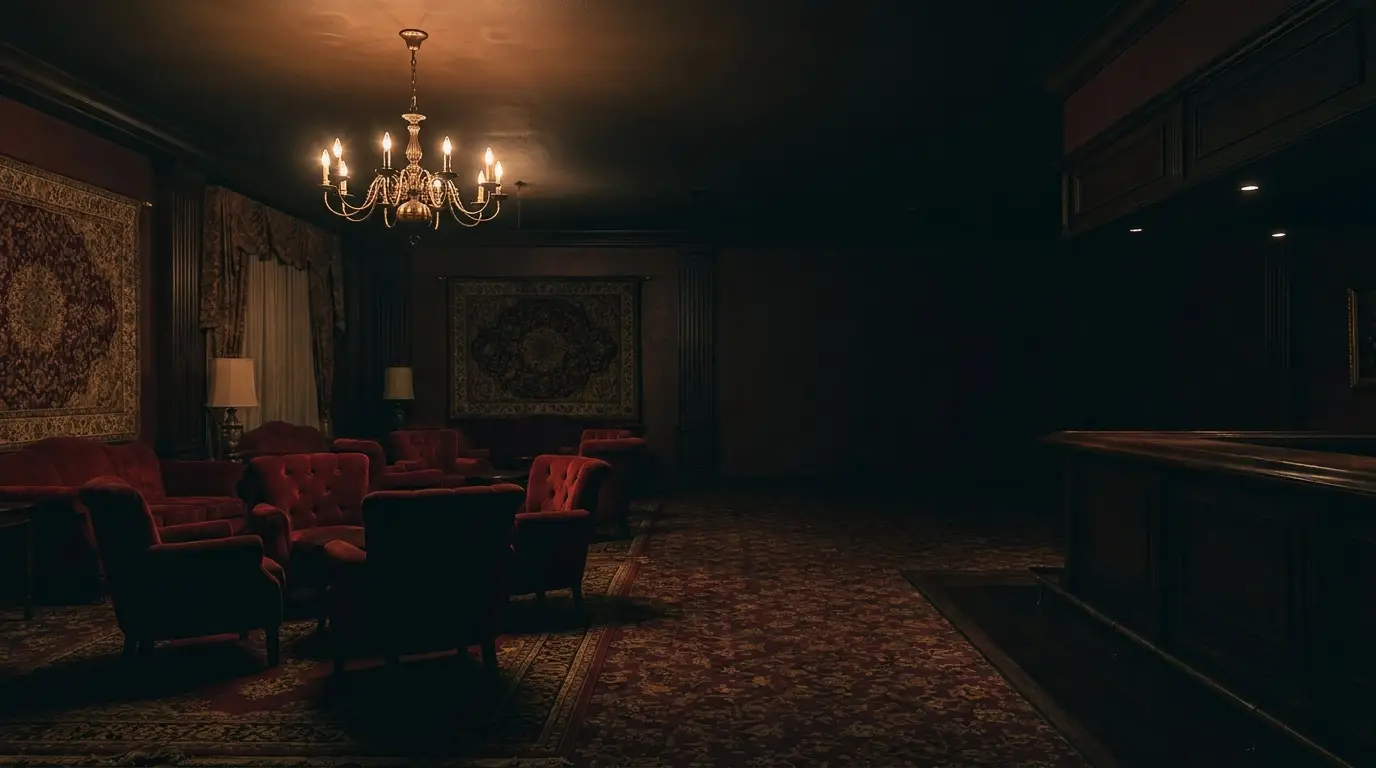
Music is also used more broadly as part of casino branding and themed environments. Some venues and game developers use a specific style or genre of music for a man’s identity or desired atmosphere. This could include the likes of jazz, rock, or even electronic music as a way of influencing different settings. In physical casinos, the music is sometimes paired with lighting and the interior design as a way to create a consistent atmosphere across the whole venue.
Performances in Casinos
Live music has become another way casinos incorporate sound into their wider offering. Many large casino venues host concerts, residencies, or regular performances as part of their entertainment model. This allows casinos to function not only as gaming spaces but also as live entertainment destinations. Music performances can attract a wider audience and form part of a broader hospitality and leisure experience within the venue.
Adaptive Sound Design
In modern digital slot games, sound design has become more dynamic due to advances in software and audio technology. Music can now change in response to gameplay, with different layers or intensity levels activated during various stages of play. This creates a more interactive audio environment where sound is closely linked to player actions. These systems reflect wider trends in video game design, where adaptive soundtracks respond to events in real time.
In Conclusion
Music in casinos has changed a lot over time, from basic mechanical sounds to a more carefully planned audio system that interacts with the results of the gameplay. It has gradually become a big part of games and venues, even when it comes to branding, which is a good way to look at how the industry has evolved with technology. The shift looks at how sound is no longer treated as a minor influence, but as an important part of slot game design. In the future, casino music may become even more adaptive, especially on digital platforms. As technology begins to improve, music has blended with the gameplay, connecting both industries.