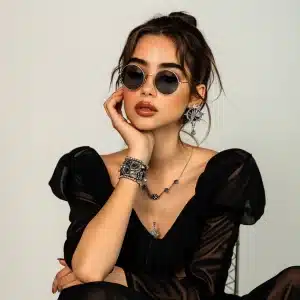
Music and fashion have always had a complicated relationship. Designers might set the seasonal agenda, but it tends to be musicians who actually drag those trends into the real world. Stage costumes, red carpet moments, tour looks, pop stars have quietly shaped what the rest of us reach for when we’re getting ready for a night out.
It’s worth thinking about how many of the things we consider totally normal eveningwear choices can be traced back to something a musician wore first. Whether you’re heading to a gig, celebrating a birthday, or sorting an outfit for a hen party, chances are pop culture has had more of a hand in your wardrobe than you’d expect.
The Early Influence of Music on Fashion
None of this is particularly new. Musicians have been driving fashion movements for decades. Rock and roll acts in the 1950s brought leather jackets and fitted trousers into the mainstream, along with a general sense that clothing could be rebellious. The 1960s pushed things further, bold colours, geometric prints, silhouettes that would’ve seemed outlandish just years earlier.
As artists became more visible through television, magazines and live performances, fans started paying close attention. Fashion stopped being purely functional. It became a way of signalling who you were and what you were about.
By the 1970s, musicians were shaping everything from eveningwear to what people wore to the shops. Glam rock brought sequins and metallic fabrics into the conversation. Disco took those ideas and ran with them, producing a visual language for nightlife that honestly hasn’t gone away since.
The Rise of Music Television
Everything shifted again when music television arrived. Suddenly audiences weren’t just listening, they were watching, closely and repeatedly.
Music videos gave artists a proper platform to build a visual identity. The best ones created looks that were instantly recognisable, and fans absolutely wanted in. Throughout the 1980s and 1990s, oversized jackets, power dressing, chunky jewellery and dramatic makeup all got a significant boost from what was happening on screen.
Trends that might once have taken years to filter through could now reach high street shops within weeks. A single memorable outfit in a music video was enough to shift what people were buying. The speed of it was genuinely new.
Pop Stars and the Evolution of Party Dressing
Where musicians have arguably had their biggest impact is in how people dress for social occasions. Performers consistently pushed at the edges of what felt appropriate or fashionable, and over time those edges moved.
Rather than following traditional eveningwear rules, artists leaned into individuality. And that gave people permission to do the same. Strict dress codes started feeling a bit stiff when the cultural conversation was pulling in the opposite direction.
Sequins, metallics, bold colours, statement accessories, these things were once associated almost exclusively with performers. Now they’re completely standard occasionwear, the sort of thing you’d see on any Friday night out in any town centre.
There’s also something to be said for how musicians made glamour feel less intimidating. Fashion started to look like a creative outlet rather than a set of rules to follow correctly.
The Impact of Female Pop Icons
Female artists in particular have driven some of the most significant fashion shifts. Different eras produced genuinely distinct aesthetics, each one leaving a mark on how women dressed beyond the stage.
The 1980s meant drama, big silhouettes, lace, accessories you couldn’t ignore. The 1990s pulled back towards minimalism, slip dresses and clean tailoring. The early 2000s went in a completely different direction, with low-rise everything and heavy embellishment.
More recently, the dominant message from many artists has been about ditching the idea of a single trend altogether. Wear what makes you feel good. That sounds simple, but it has genuinely shifted how people approach getting dressed for an occasion. There’s far less anxiety about whether something is technically on trend, and a lot more focus on whether it actually suits you.
Concert Fashion Becomes Mainstream

Something interesting has happened with concert fashion specifically. Outfits that once felt very particular to live music events have quietly crossed over into everyday use.
Leather jackets, embellished dresses, statement boots, oversized blazers, all of these have music culture running through their DNA, and all of them are now completely normal things to wear to a dinner or a celebration. Festival fashion accelerated this further. Sequins, fringe, metallic finishes, things that once felt like niche choices have become genuine wardrobe staples.
The result is that a lot of people are now consciously or unconsciously drawing on concert aesthetics when they’re deciding what to wear on a night out. The line between stage-inspired and everyday has become genuinely blurry.
Social Media and Modern Influence
Music television drove trends for decades, but social media has taken over much of that role. Artists can share an outfit with millions of people instantly, which means visibility is immediate in a way it simply wasn’t before.
Award shows, tours and promotional appearances now generate enormous amounts of online discussion, and fashion is nearly always part of it. People analyse outfits, share what they’ve found, try to recreate things with what’s already in their wardrobe. The whole process has become more democratic and a good deal faster.
It’s also created more variety. Audiences are exposed to a much wider range of artists and styles than was ever possible through traditional media, which means there’s more to draw from.
Confidence as the Lasting Trend
Beyond any specific look, the most enduring thing musicians have contributed to fashion is probably the idea that clothes should reflect who you actually are. Trends shift constantly, but self-expression has remained central to both music and style throughout.
Many of the most influential performers became fashion icons precisely because they didn’t follow the rules. They did their own thing, and that gave everyone else a bit more licence to do the same.
That attitude has shaped modern occasionwear significantly. There’s genuine room now for understated elegance, maximalist statements and everything in between, with far less judgment about which direction you choose.
Fashion Inspired by Music Continues to Evolve
New artists will keep emerging, cultural conversations will keep shifting, and the relationship between music and fashion will keep moving with them. Pop icons remain remarkably influential when it comes to how people dress for social occasions and evenings out.
From disco glamour to whatever’s happening on stages right now, musicians have repeatedly redrawn the boundaries of occasion dressing. That influence runs deeper than most people realise. Next time you’re putting an outfit together for something special, it’s worth considering how much of what feels like your own instinct has actually been shaped, somewhere along the line, by the artists you’ve grown up watching.