

An eye exam is a routine visit that checks how well your eyes are working and whether your vision needs correction. Many people are unsure about how long the full process takes, which often leads to delays in booking appointments. In reality, an eye exam follows a structured flow that can vary depending on your eye health and the type of tests required. Most standard exams are completed within a short visit, while more detailed assessments may take a little longer. This guide explains each stage clearly so you know what to expect from arrival to final consultation. Understanding the timeline helps you plan your day better and feel more comfortable during your visit.
Eye Exam Time Basics at LMC Optometry & Eye Care
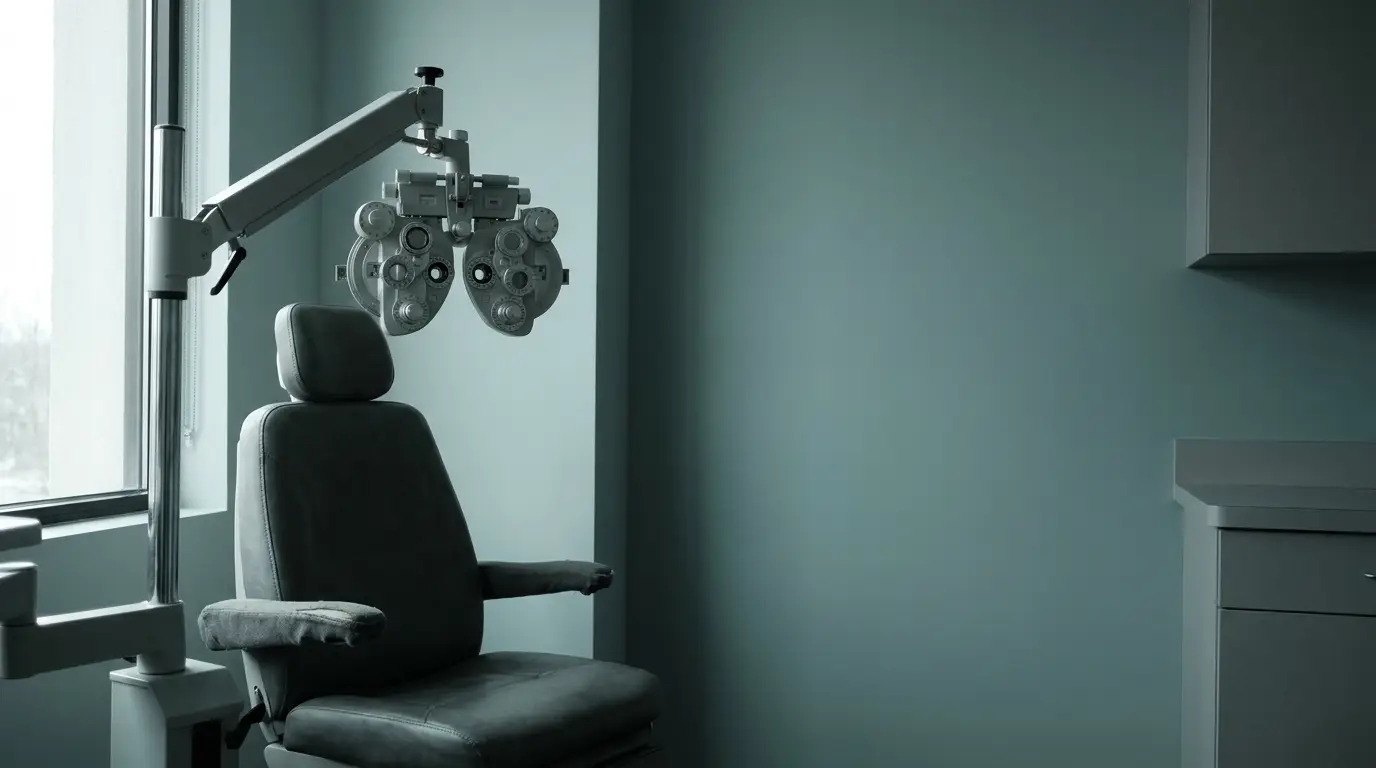
The total time for an eye exam usually ranges from 30 minutes to 90 minutes. The variation depends on your vision history, age, and whether additional tests are needed. A straightforward vision check takes less time, while a detailed eye health evaluation adds extra minutes. Most clinics follow a structured process to keep everything smooth and efficient.
At LMC Optometry & Eye Care, the appointment is designed to balance speed and accuracy, making sure every step is completed with care. You first complete basic information, followed by vision checks and internal eye scans. After that, the optometrist reviews results and discusses any changes in your prescription or eye health. Each stage is planned to avoid long waiting gaps and maintain steady progress throughout the visit.
Arrival and First Checks
When you arrive, the front desk confirms your details and appointment purpose. You may be asked to update your medical history, current medications, and vision concerns. This step usually takes 5 to 10 minutes.
After registration, a technician may perform initial measurements such as eye pressure or basic vision screening. These early checks help guide the rest of the exam. The process is smooth and organized to reduce waiting time and keep you comfortable.
Vision Testing Stage
This stage focuses on how clearly you can see at different distances. You will read letters from an eye chart and try different lens options. The optometrist adjusts lenses to find the clearest vision for each eye.
This part usually takes 10 to 20 minutes. It helps determine whether you need glasses or a change in your current prescription. The process is interactive and allows you to compare different lens strengths for accuracy.
Eye Health Scans and Tools
Modern eye exams often include digital scans that look inside the eye. These tools check the retina, optic nerve, and overall eye structure. Some common tests include retinal imaging and pressure measurement.
|
Test Type |
Purpose |
Average Time |
|
Retinal Imaging |
Checks the back of the eye |
5–10 minutes |
|
Eye Pressure Test |
Screens for glaucoma risk |
2–5 minutes |
|
Visual Field Test |
Detects peripheral vision loss |
5–10 minutes |
These scans provide a detailed view of eye health and help detect early signs of conditions that may not show symptoms yet.
Doctor Consultation Time
After all tests are complete, the optometrist reviews your results with you. This discussion includes your vision status, eye health condition, and any required treatment or prescription updates.
This stage usually takes 10 to 15 minutes. You may receive advice on lens options, eye care habits, or follow-up visits if needed. The explanation is clear and easy to understand, so you can make informed decisions about your eye health.
Total Time Overview Table
The complete eye exam process can be broken down into a simple timeline:
|
Stage |
Time Range |
|
Registration & History |
5–10 minutes |
|
Vision Testing |
10–20 minutes |
|
Eye Scans |
10–25 minutes |
|
Doctor Consultation |
10–15 minutes |
|
Total Duration |
30–90 minutes |
This breakdown shows how each step contributes to the full appointment time.
FAQs
How often should I get an eye exam?
Regular eye exams help maintain clear vision and eye health. Most patients benefit from yearly checkups, depending on age and vision needs.
Can I drive after an eye exam?
Most patients can drive after their appointment. If dilation drops are used, temporary blurry vision may occur, and guidance is provided before leaving.
Do eye exams hurt or feel uncomfortable?
Eye exams are painless. All procedures are designed to be gentle and comfortable throughout the visit.
What should I bring to my appointment?
It is helpful to bring your current glasses, contact lenses, and medication list. LMC Optometry & Eye Care uses this information to create a more accurate and personalized eye assessment plan.