Yellow nails are hard to ignore. They show up uninvited and somehow always seem worse right before a special occasion or a trip to the beach.
The frustrating part is that the cause is not always obvious. It could be something as simple as wearing dark nail polish too often or an underlying health condition.
Either way, yellow nails are treatable. From over-the-counter solutions to simple home remedies, there are plenty of options depending on what is causing the discoloration in the first place.
This guide covers the most common causes, practical treatments, and quick fixes to get nails looking healthy again.
Why are My Fingernails Yellow?
Yellow fingernails can result from polish stains, fungus, smoking, aging, or health conditions. Identifying the cause helps choose proper treatment.
1. Dark Nail Polish Stains
Frequent use of dark nail polishes like red, black, or deep purple can stain fingernails.
Applying a base coat and taking breaks between manicures helps prevent discoloration and keeps nails healthy and naturally clear.
2. Gel Manicures and Frequent Polish Use
Repeated gel manicures and constant use of acetone can dry out nails and cause yellowing. Giving nails recovery time between applications helps restore their natural color, reducing damage while safely maintaining a polished appearance.
3. Smoking and Nicotine Staining
Nicotine and tar from smoking can leave yellow stains on fingernails, especially on fingers used to hold cigarettes. Quitting smoking or wearing gloves to protect nails can minimize discoloration over time.
4. Everyday Staining from Turmeric, Self-Tanner, Hair Dye, or Cleaning Products
Certain foods, self-tanners, hair dyes, and cleaning chemicals can stain nails. Wearing gloves when handling these substances and washing hands thoroughly can significantly reduce yellowing and maintain healthier, more natural-looking nails.
5. Fungal Infection in Fingernails
Fingernail fungus, though less common than toenail fungus, can cause thick, brittle, or crumbling nails. Nails may lift from the nail bed and develop white or yellow patches, which may require proper treatment to prevent worsening.
6. Toenail Fungus
Toenail fungus is a frequent cause of yellow nails, often accompanied by thickening, brittleness, or crumbling. Nails may lift from the bed and occasionally produce a foul odor, signaling a need for timely treatment.
7. Tight Shoes or Repeated Nail Trauma
Pressure from tight shoes, running, or repeated injuries can damage nails, resulting in yellow, brown, or black discoloration. Protecting toes and wearing properly fitting shoes can prevent trauma-related nail changes.
8. Aging and Slower Nail Growth
As people age, toenails grow more slowly and thicken, often developing a yellowish hue. While aging contributes to discoloration, fungal infections must also be ruled out for proper treatment.
9. Athlete’s Foot Spreading to Toenails
Fungal infections of the skin can spread to toenails, causing yellowing and thickening. Preventing athlete’s foot by keeping feet clean and dry and wearing breathable footwear reduces the risk of toenail fungus and discoloration.
10. Nail Psoriasis
Psoriasis can affect nails, leading to yellow-brown discoloration, pitting, thickening, and crumbling. Nails may lift from the bed, and skin symptoms often appear on elbows, knees, scalp, or feet, requiring dermatological assessment for proper care.
How to Get Rid of Yellow Toenails Quickly
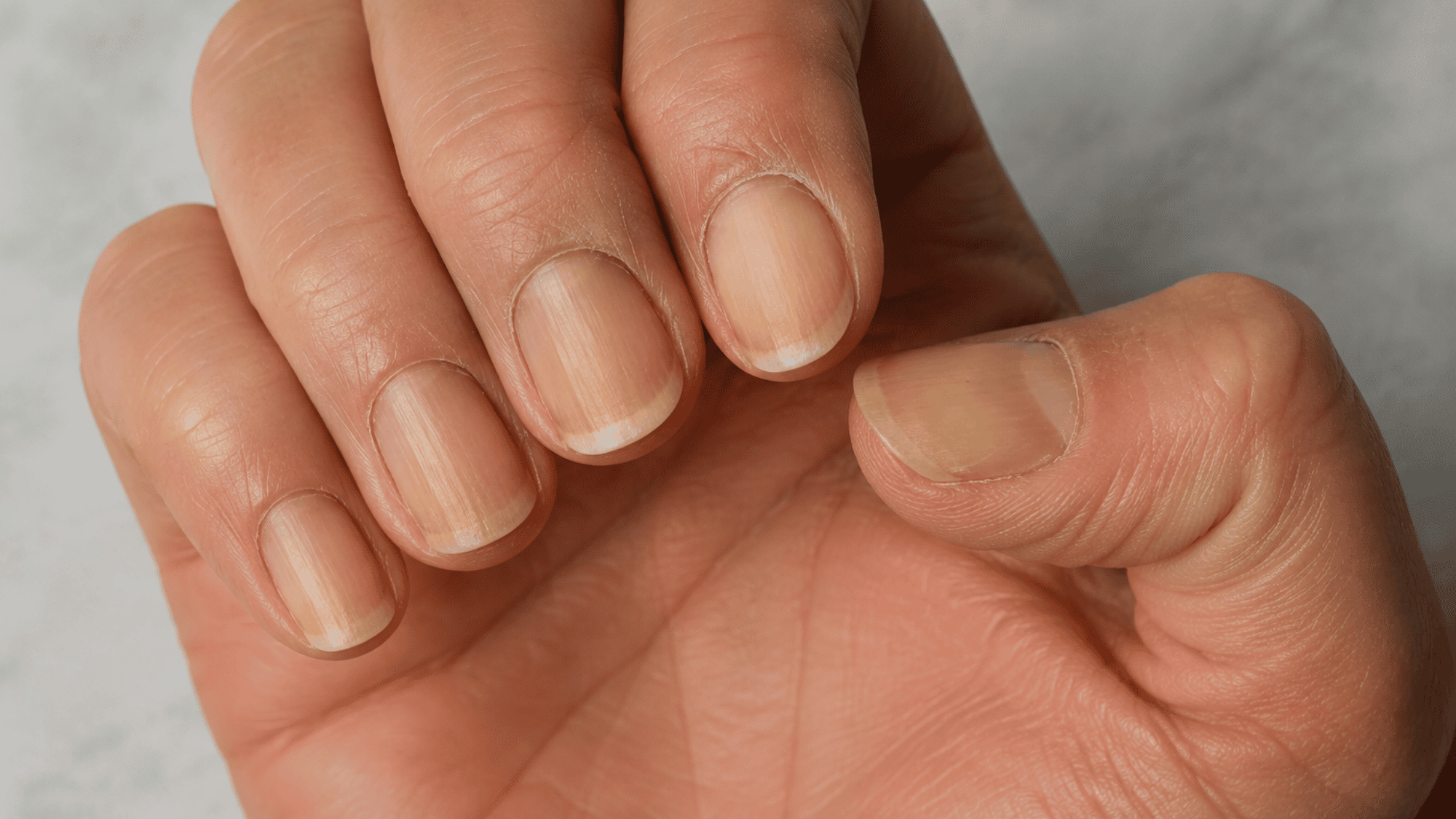
Yellow toenails can result from stains or fungal infections. Identifying the cause is key to fast and effective treatment.
Step 1: Identify the Cause First
Before treating yellow toenails, it’s important to identify the cause.
Surface stains typically leave nails smooth, thin, and not brittle, making them mostly cosmetic and easily treated.
A possible fungal infection, on the other hand, can make nails thick, brittle, and crumbly; lift them from the nail bed; spread; or affect multiple toes, all of which require proper care.
Step 2: Fast Fixes for Yellow Toenail Stains
For yellowing caused by stains, remove all nail polish, soak the nails in warm water, then gently clean them with a soft brush.
Avoid harsh scraping or damaging the nail surface.
Allow nails to rest between polish applications and always use a clear base coat next time to prevent further discoloration.
Step 3: Best Treatment Options for Yellow Toenail Fungus
Fungal toenails need more attention.
Mild infections can be treated with over-the-counter antifungal creams or solutions, while stubborn cases may require prescription topical antifungals or oral medications.
In some cases, having a podiatrist trim or thin the nails can help treatments penetrate better.
Lab testing may be necessary if the cause is unclear. Keep in mind that toenails grow slowly, so it may take months for full improvement, even as symptoms gradually fade.
Step 4: What Not to Do
When dealing with yellow toenails, avoid cutting nails too deeply or ripping them off.
Do not cover suspected infections with nail polish for long periods, and never share nail tools to prevent the spread of fungus.
Additionally, don’t rely solely on home remedies if the nails are thick, painful, or spreading, as professional treatment may be required.
Medical Conditions That Can Cause Yellow Nails
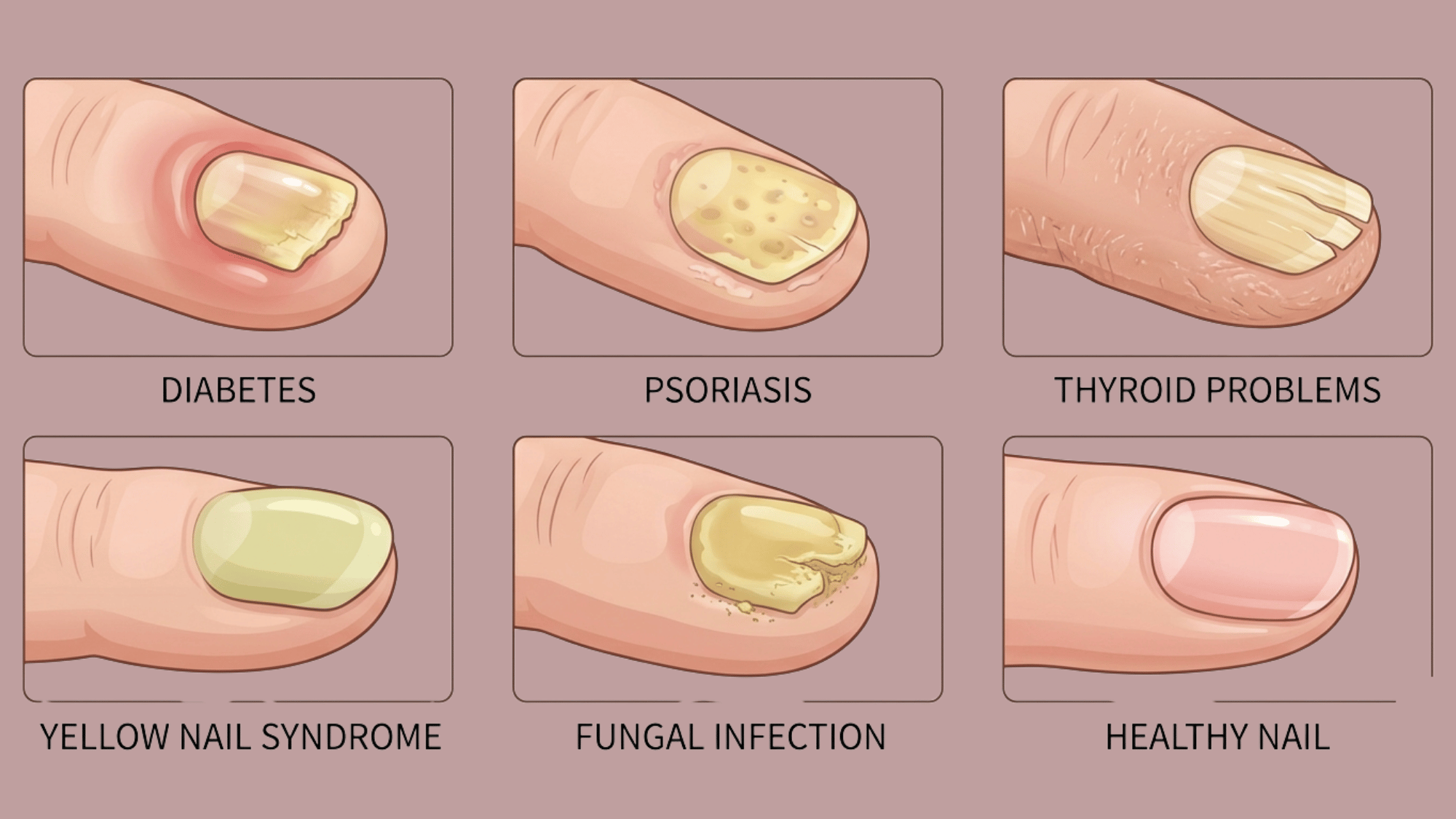
Certain medical conditions can cause yellow nails. Recognizing symptoms helps identify underlying health issues and get proper treatment early.
Diabetes
People with diabetes are at higher risk for nail and skin infections due to reduced blood circulation and a weakened immune response.
Yellow nails may appear alongside slow-healing cuts, swelling, redness, or foot wounds.
High blood sugar can create an environment that encourages fungal growth, making toenail infections more likely.
Psoriasis
Psoriasis is a chronic autoimmune skin condition that can affect the nails. Symptoms include thickened, pitted, discolored, or lifted nails, which may appear yellow or brown.
In addition to nail changes, psoriasis often causes scaly patches on the skin, typically on the elbows, knees, scalp, or lower back.
Thyroid Problems
Thyroid disorders, including hypothyroidism and hyperthyroidism, can lead to changes in nail texture, growth rate, and color. Nails may become brittle, thin, slow-growing, or develop a yellow tint.
These changes are often subtle and may be accompanied by other symptoms, such as hair thinning, fatigue, or changes in skin texture.
Yellow Nail Syndrome
Yellow Nail Syndrome is a rare disorder characterized by slow-growing, yellow nails, often accompanied by lymphedema (leg swelling) and respiratory issues.
Nails may appear thickened, curved, and opaque, growing slowly over months. While the exact cause is unclear, it is thought to involve dysfunction of the lymphatic system.
When Should You See a Doctor?
Seek medical attention for yellow nails that persist, worsen, or accompany pain, swelling, or other symptoms indicating possible infection or health issues.
Signs you should see a doctor:
- Yellow nails that do not improve over time.
- Nails that are thick, brittle, painful, or crumbling.
- Nails lifting from the nail bed or spreading to other nails.
- Swelling, pus, redness, or warmth around the nails.
- Presence of diabetes, poor circulation, or a weakened immune system.
- Breathing difficulties or leg swelling may indicate rare underlying conditions.
Diagnosis may include: Nail examination, assessment of polish or trauma history, fungal testing, and evaluation for skin conditions.
Disclaimer: This information is for general education only and not medical advice; always consult a qualified healthcare professional for diagnosis or treatment.
How to Prevent Yellow Nails From Coming Back
Maintaining nail hygiene, proper footwear, and safe manicure habits can prevent yellow nails from returning and keep nails healthy.
Nail Care Habits:
- Keep nails clean and dry to prevent fungal growth.
- Trim toenails straight across and avoid cutting cuticles aggressively.
- Use clean nail tools and never share clippers or files.
- Take breaks from nail polish and allow nails to breathe.
Footwear Tips:
- Wear breathable shoes and change sweaty socks regularly.
- Dry feet thoroughly after bathing or swimming.
- Use shower sandals in public pools, gyms, and locker rooms.
- Rotate shoes so they can dry fully between wears.
Manicure and Pedicure Safety:
- Choose clean salons or bring your own tools for hygiene.
- Avoid covering damaged nails with polish.
- Apply a base coat before dark polish to prevent staining.
- Allow nails time to recover between gel or acrylic treatments.
Final Takeaway
Yellow nails can stem from several causes, from everyday nail polish habits to fungal infections and certain health conditions.
Understanding what is behind the discoloration makes it much easier to pick the right treatment and see real results.
Nails reflect overall health more than most people realize, so it is worth paying attention when something looks off.
Noticed something that finally worked for yellow nails? Share it in the comments below; it might help someone else going through the same thing!