

Nobody just handed him that nickname. BornEdward Kennedy Duke Ellington on April 29, 1899, in Washington, D.C., he had that rare edge people spend their whole lives faking.
He picked up the piano early. By his 20s, Duke Ellington’s music was bleeding out of New York clubs Duke Ellington’s music was bleeding out of New York clubs. The sound was raw and unclassifiable.
From 1926 to 1931, his orchestra basically owned the stage at Harlem’s Cotton Club. More than 1,000 Duke Ellington songs have been written, recorded, and played live across the world.
Duke Ellington’s music holds up because of how he built it. Below is what you need to know about how he reshaped jazz and the songs that prove it.
What Made His Stuff Different?
He never wrote for a section. He wrote for a person. Not a generic trumpet, his trumpet player. Not any clarinet, his clarinet player.
Every single part had a face attached to it. That is what made Duke Ellington’s music stand out differently from everything else being played at the time.
Tracks like Caravan and Mood Indigo still carry that weight. He paid no attention to trends. Jazz met classical. Classical met blues. Something raw came out the other side.
Start with Take the A Train and it clicks immediately. That kind of gut feeling does not come from practice. It either exists or it does not.
The Top Duke Ellington Tracks
Fifteen tracks. Every subgenre of his catalog is covered. From the slow burn of Mood Indigo to the hard swing of Cottontail, these are the Duke Ellington songs that earned their place.
1. Mood Indigo (1930)
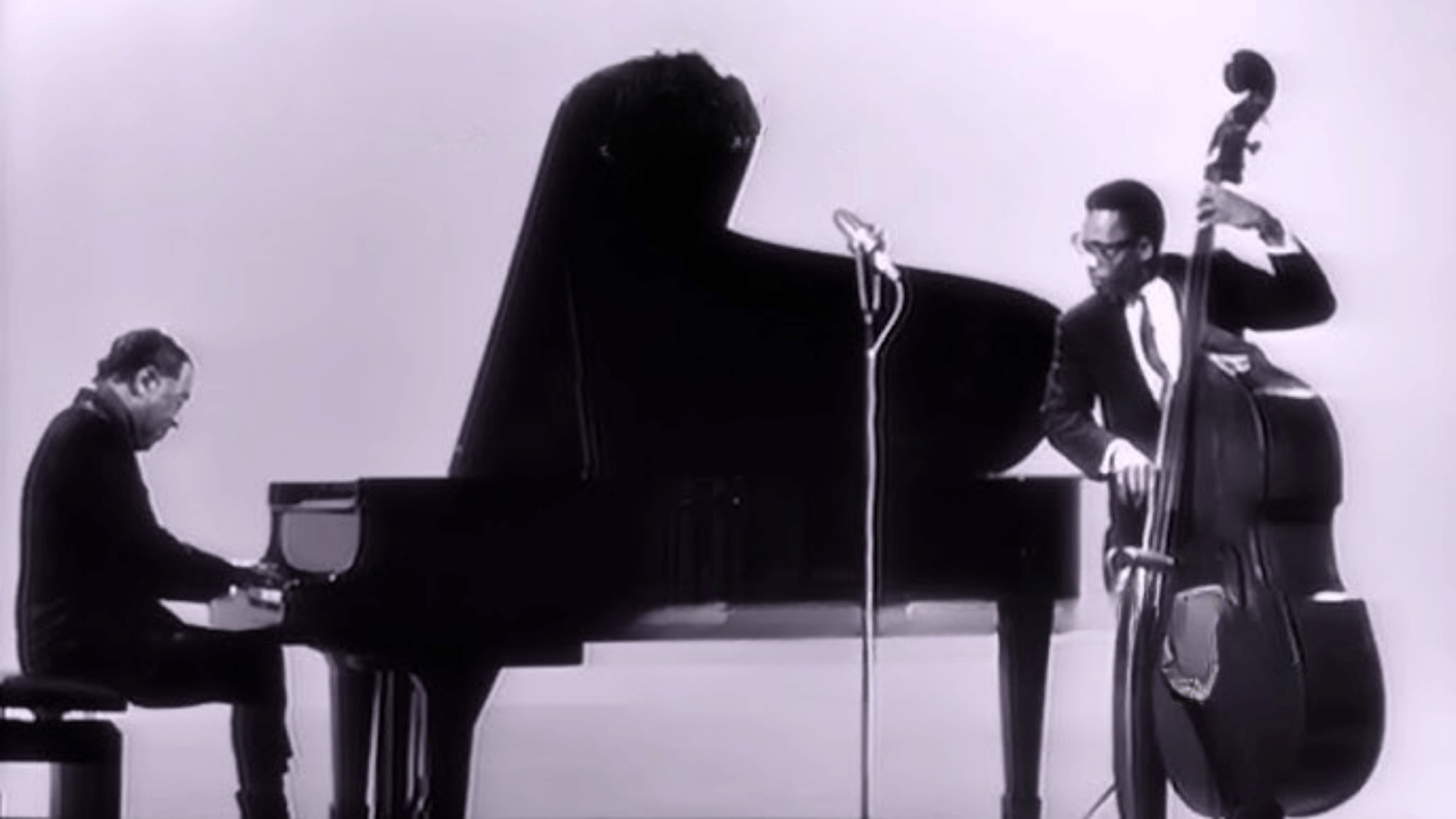
Nobody had heard anything like this in 1930. Duke walked into the studio and flipped the entire horn setup on its head. The clarinet went low. Trombone went high.
The sound that came out had no name yet. It moved slowly. It sat heavily. It made people stop talking and just listen.
Most bandleaders of that era chased whatever was working. Duke went the other direction entirely. He built something that felt like a mood rather than a song.
He built something that felt like a mood, not a song, and the title said exactly that
2. Take the A Train (1941)
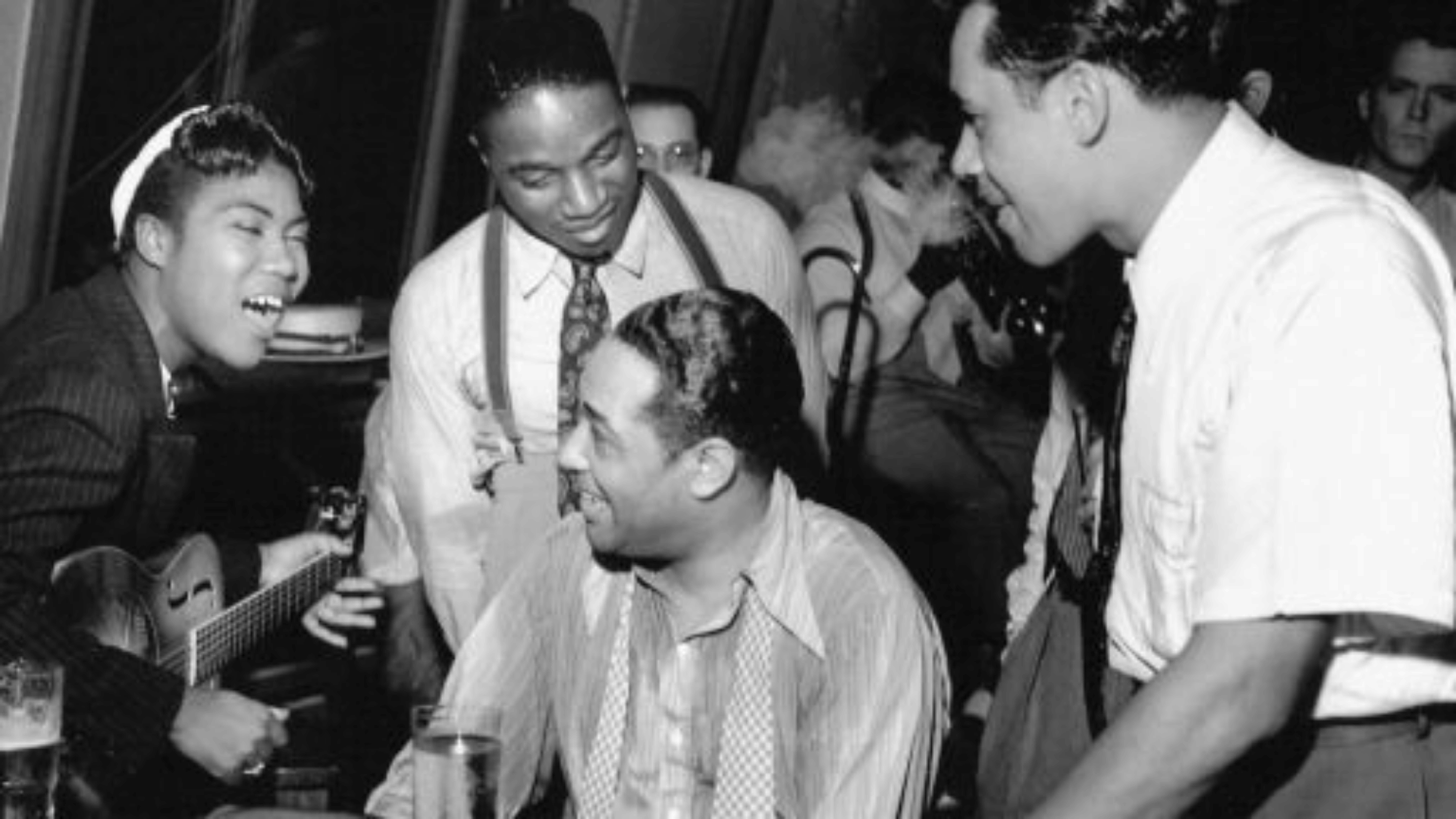
image source: pbs.org
Billy Strayhorn wrote this in 1941 as literal subway directions to Duke’s place in Harlem. He turned train stops into lyrics and handed them over.
Duke heard it once and made it the official theme of his orchestra. That decision stuck for decades.
The song is bright, confident, and familiar within the first four bars. It does not ease in. It just starts, and the room changes the moment it does.
Over 400 artists have covered it since 1941; that’s not a coincidence, that’s a standard.
3. It Don’t Mean a Thing (If It Ain’t Got That Swing) (1932)
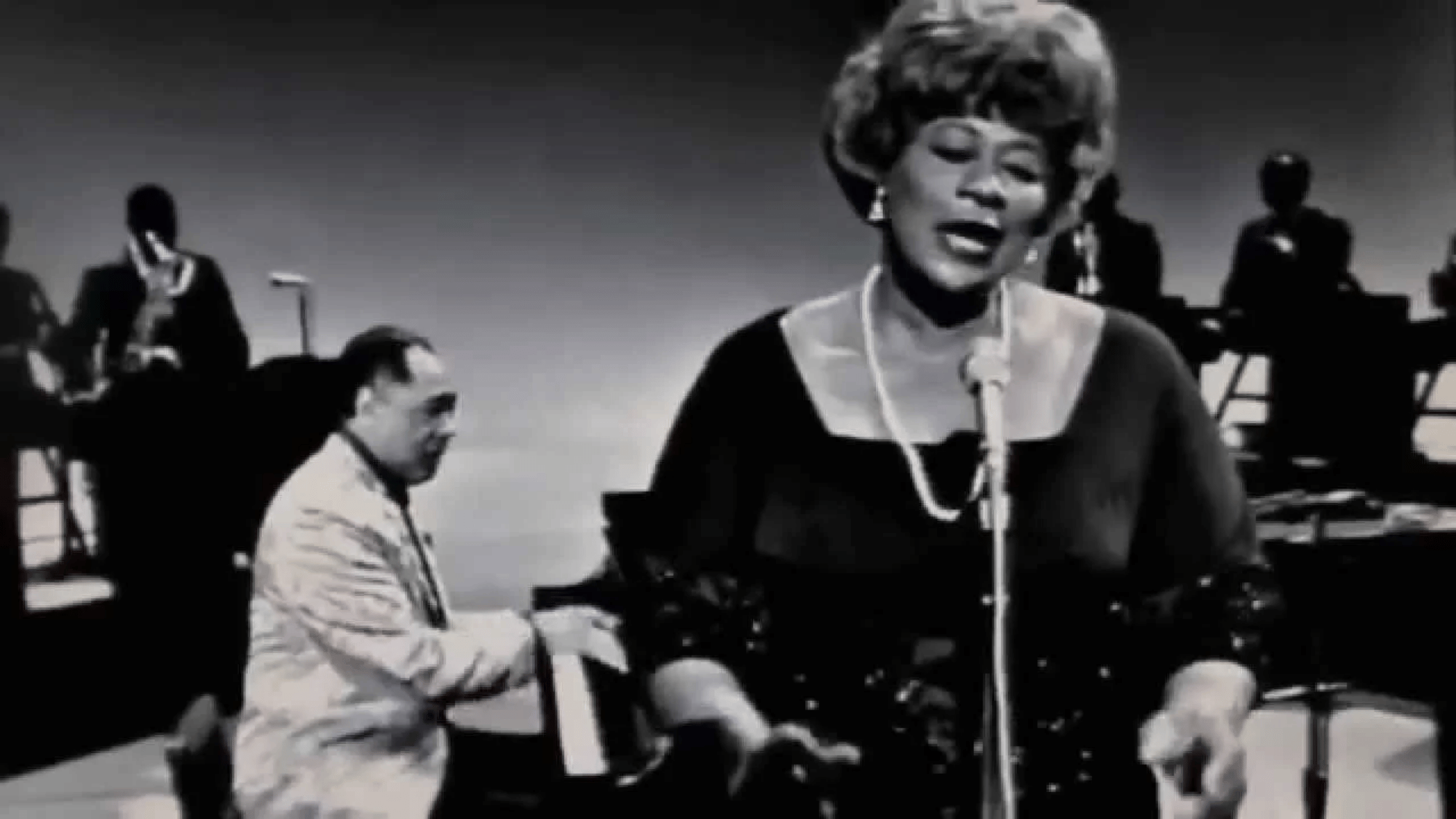
image source: thekidshouldseethis.com
Duke wrote the music in August 1931 at Chicago’s Lincoln Tavern. They cut it on February 2, 1932, for Brunswick Records.
The title came straight from trumpeter Bubber Miley’s old catchphrase. Miley was dying of tuberculosis when they wrote it. He never got to see what the song became.
It was one of the first times the word swing appeared in a song title, years before the swing era even had a name. Every big band that came after borrowed something from this track.
Most of them knew it. Some of them did not. Either way, the debt was real.
4. Sophisticated Lady (1933)
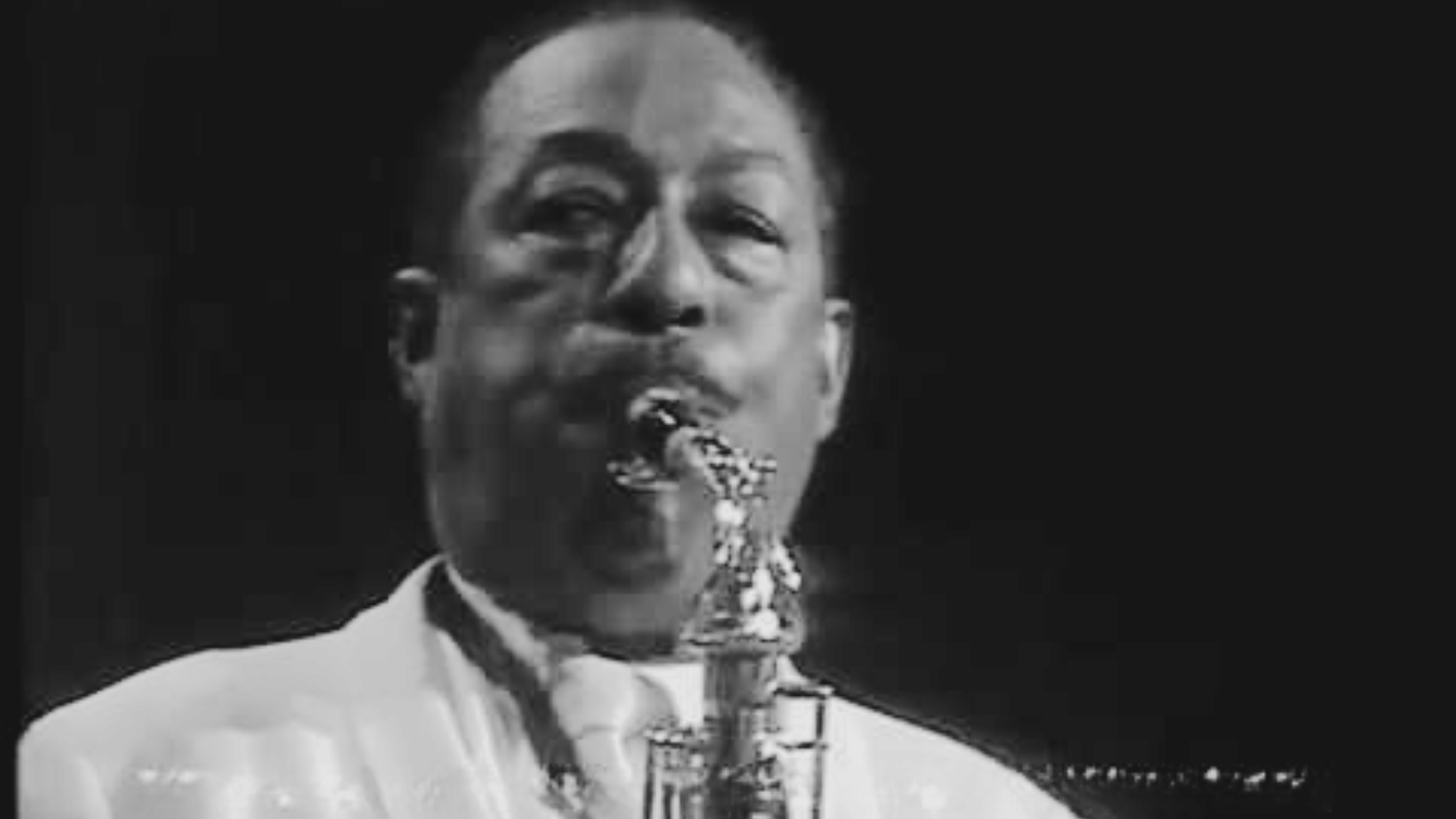
image source: arciduca31
Duke wrote this as an instrumental in 1932. Mitchell Parish added lyrics a year later.
Duke said the song came from three teachers he knew growing up, women who gave up everything personal for their careers. He never named them. He just wrote the melody and let it speak for itself.
More than 100 artists have recorded it since 1933. The melody stops a conversation dead. You hear it from another room, and you walk in. That’s been happening for ninety years.
5. Satin Doll (1953)
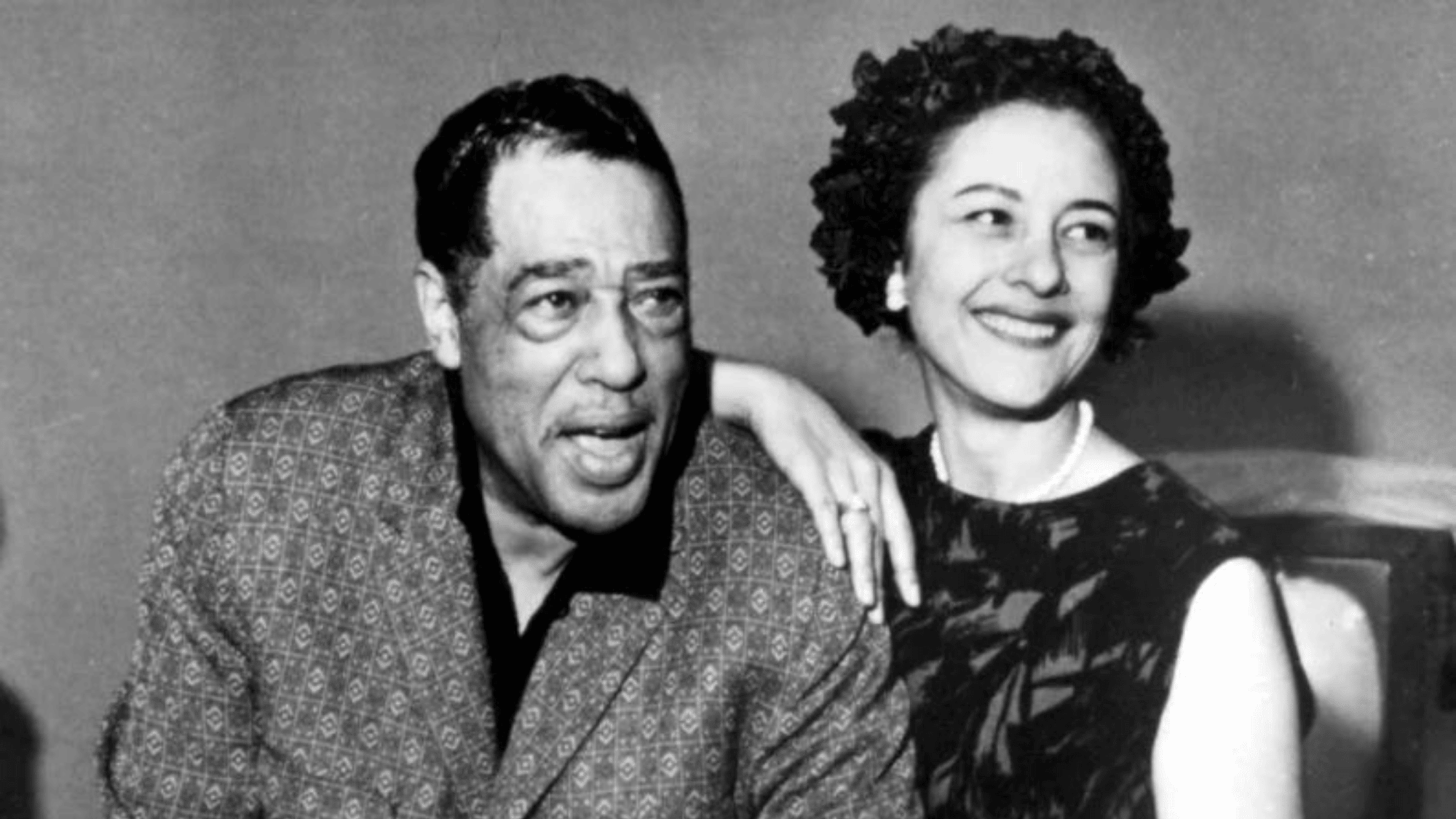
image source: 1937flood.substack.com
Duke co-wrote this with Billy Strayhorn. Johnny Mercer came in later and added the lyrics.
The song dropped in 1953 and immediately became the closing track for Duke’s live shows, a position it held for the rest of his career.
There’s a reason he kept closing with it. Satin Doll does not demand anything from the listener. It just sits there, smooth, cool, and completely at ease with itself.
After two hours of the full orchestra, it was the right note to go home on
6. Caravan (1936)
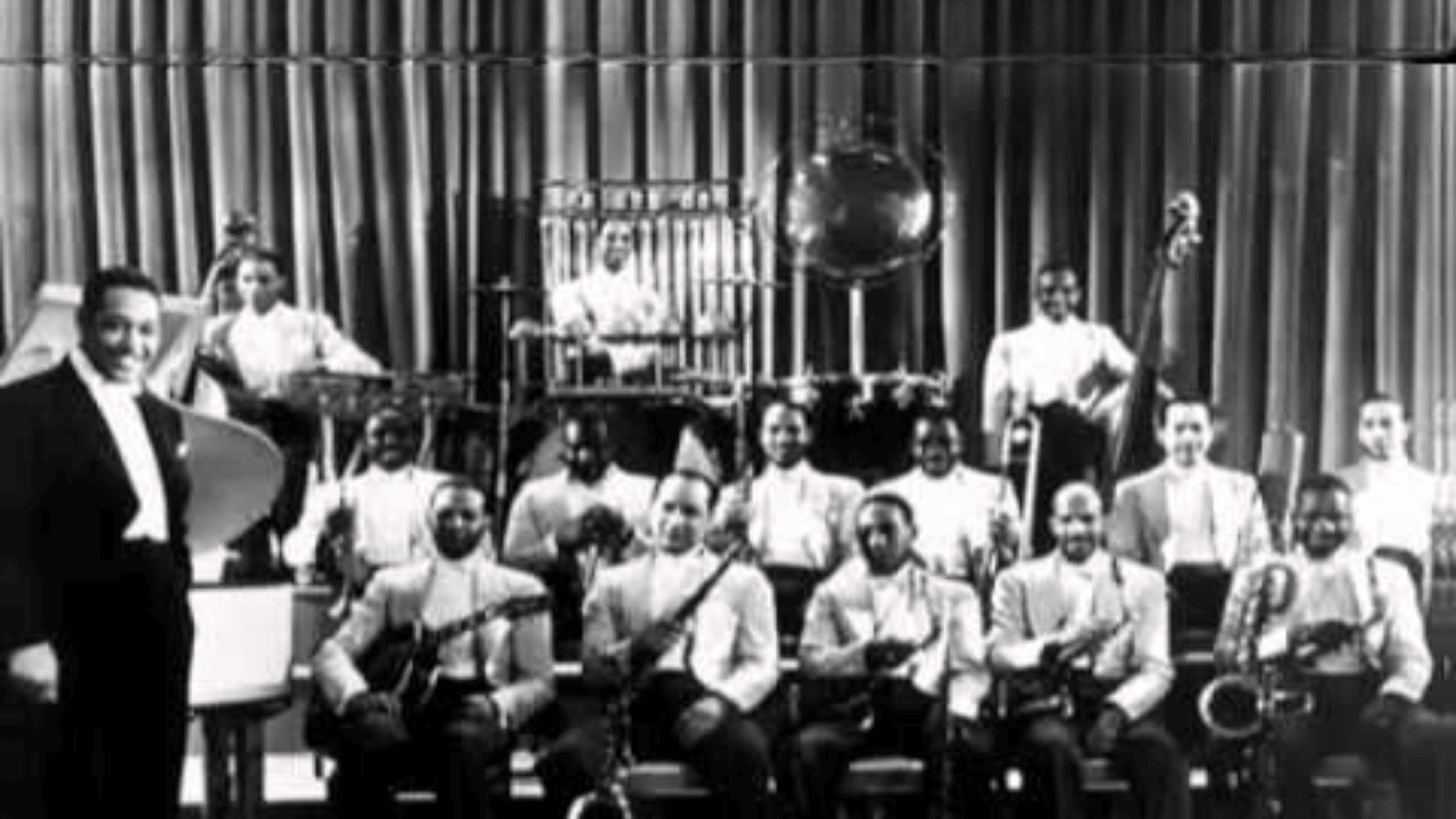
image source: BobFigurante
Trombonist Juan Tizol kept playing around with a riff backstage in 1936. Duke heard it and helped shape it into something full.
The finished track pulled in Latin and Middle Eastern rhythms and placed them within a big-band arrangement without forcing anything.
Most bands would have sanded off the edges to make it fit the format. Duke left them exactly where they were, and that’s why Caravan still sounds like nothing else in his catalog
7. In a Mellow Tone (1940)
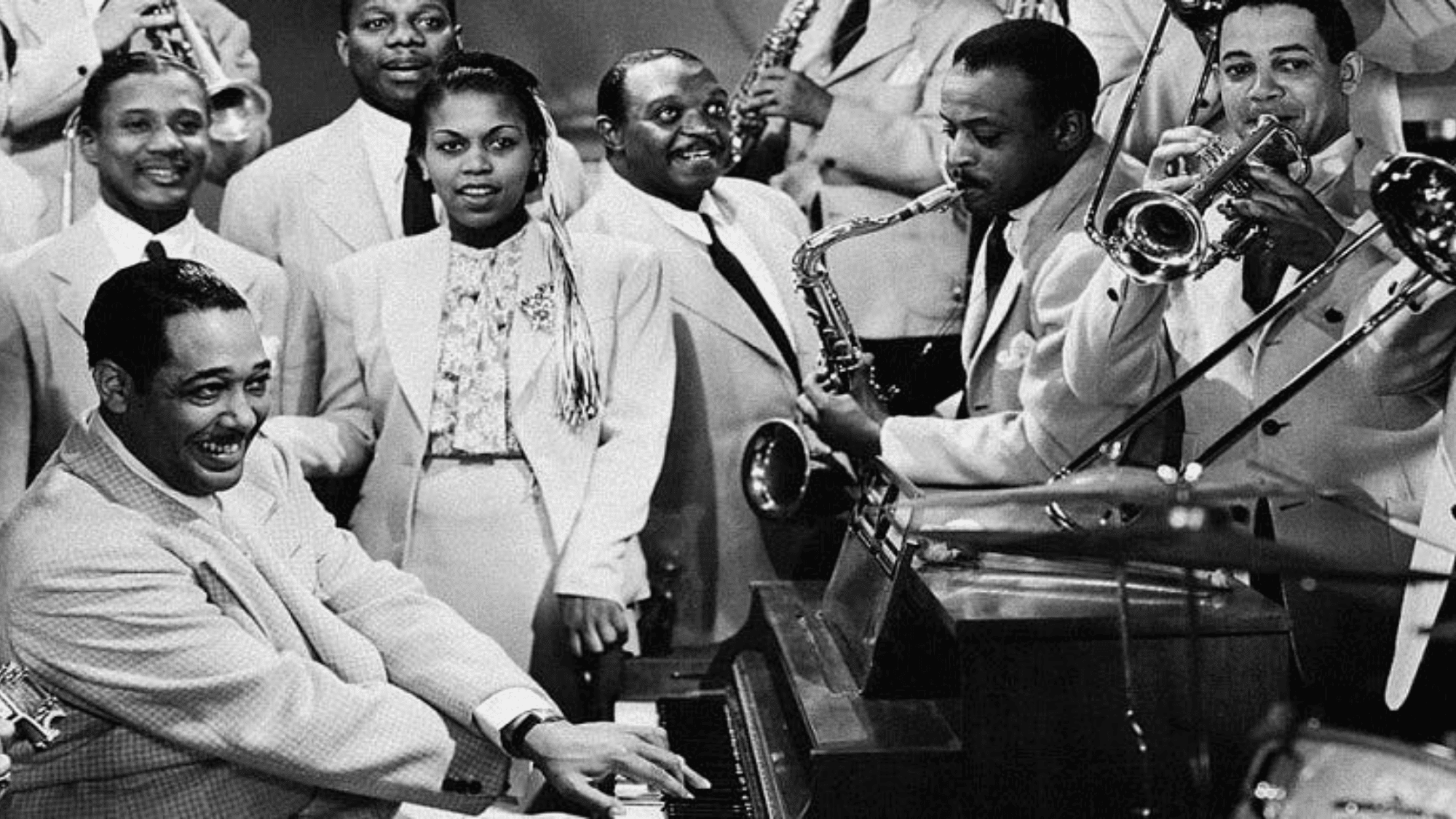
image source: jazzontherideau.substack.com
Duke built this in 1940 on the chord skeleton of Rose Room, a tune recorded two decades earlier.
He took something old, stripped it down, and rebuilt it into something that felt completely his own. Johnny Hodges played alto sax on the original recording, and the performance is everything.
This track does not ask for your full attention. It works best when the lights are low and the night is winding down. Laid back in a way that feels intentional rather than lazy.
Built for a specific hour and a specific mood. Put it on at the right time, and it fits like it was written specifically for that moment.
8. Solitude (1934)
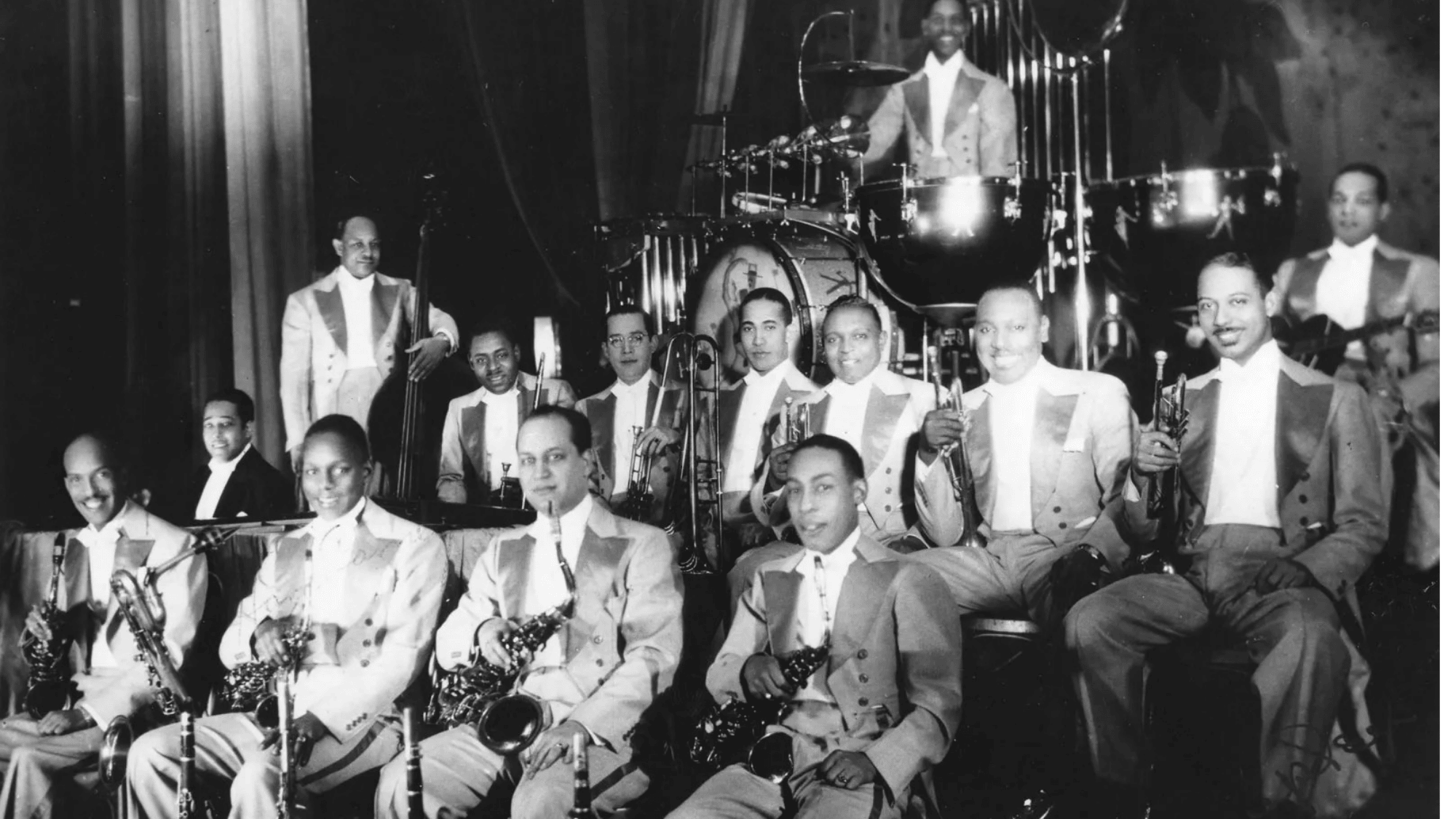
image source: syncopatedtimes.com
Duke reportedly wrote this in twenty minutes backstage before a show in 1934. Whether that story is completely accurate or not doesn’t matter much. What matters is what came out.
A melody so clean and so direct that nothing about it feels rushed or thrown together.
No complicated arrangements. No flashy solos. Just one feeling held steady from the first note to the last. Duke made many ambitious and complex recordings throughout his career.
Solitude is the opposite of all of them. It is small, quiet, and completely honest. That is exactly what makes it hit harder than most of the bigger productions he has ever put to tape.
9. Cottontail (1940)
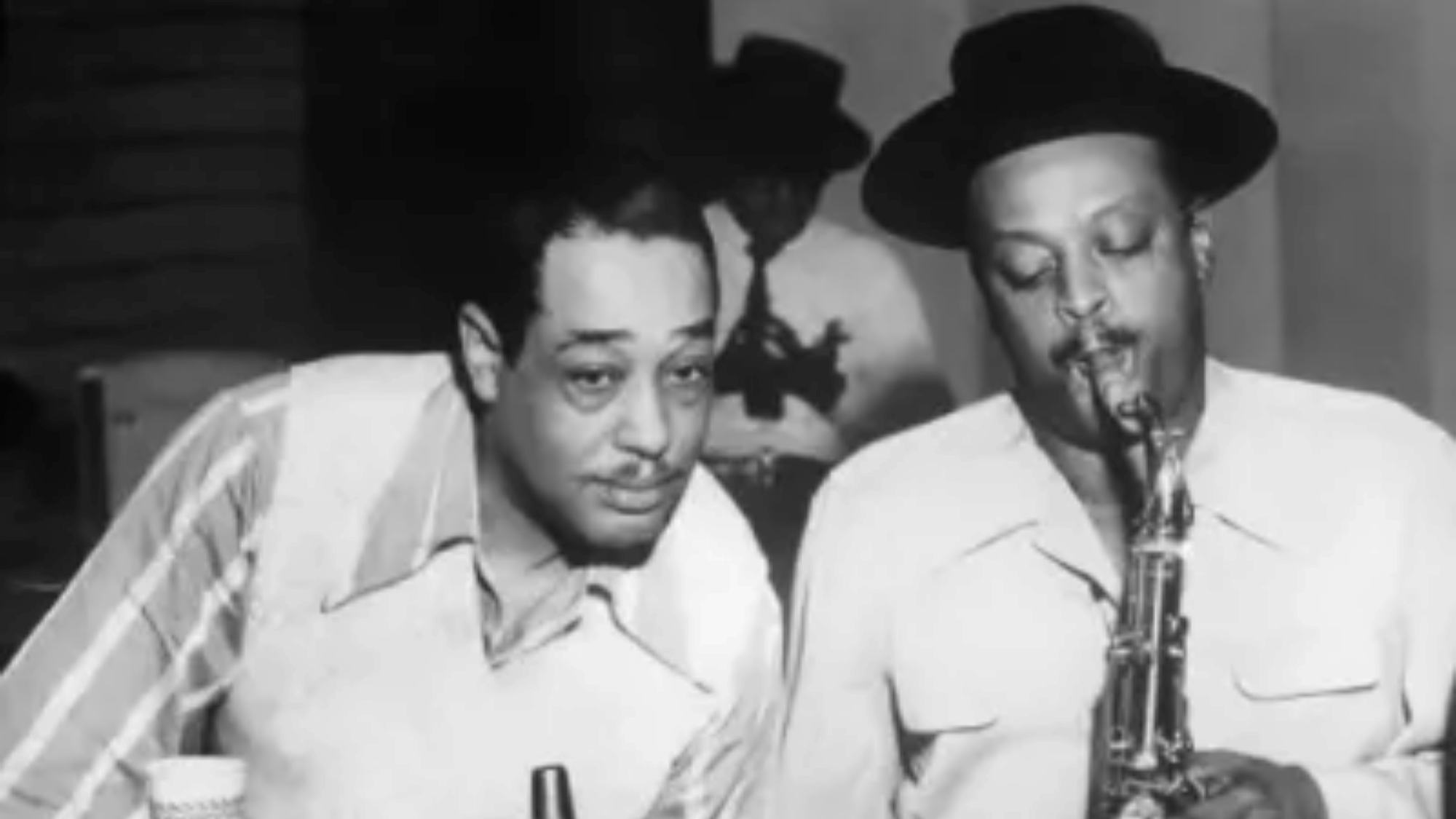
image source: swingandbeyond.com
Duke recorded this in 1940 and built it on the chord changes of I Got Rhythm. The structure was familiar. What came out on top of it was not.
Ben Webster played tenor saxophone on the original recording, and what he played that session set the bar for jazz sax.
Fast, aggressive, and completely impossible to sit still through. Bebop musicians who came after studied this track the way students study textbooks. The influence runs through decades of jazz that followed.
Nobody walks away from Cottontail feeling calm. Duke knew exactly what he was building, and he turned Webster completely loose on it.
10. Black and Tan Fantasy (1927)
image source: en.wikipedia.org
Duke worked with Bubber Miley to write this music. Recorded it on March 14, 1927. This was one of the first times that people across the country heard of Duke.
The song blends blues with a sound that feels like church, with brass instruments that are rough out carefully arranged.
Without this song, things might have been very different when Duke played at the Cotton Club from 1926 to 1931. This was the song that made people outside of Harlem notice Duke.
Everything that happened after this, like being on the radio, touring the country, and getting recognized, would not have happened without this song that Duke and Bubber Miley made together in 1927.
11. Don’t Get Around Much Anymore (1942)
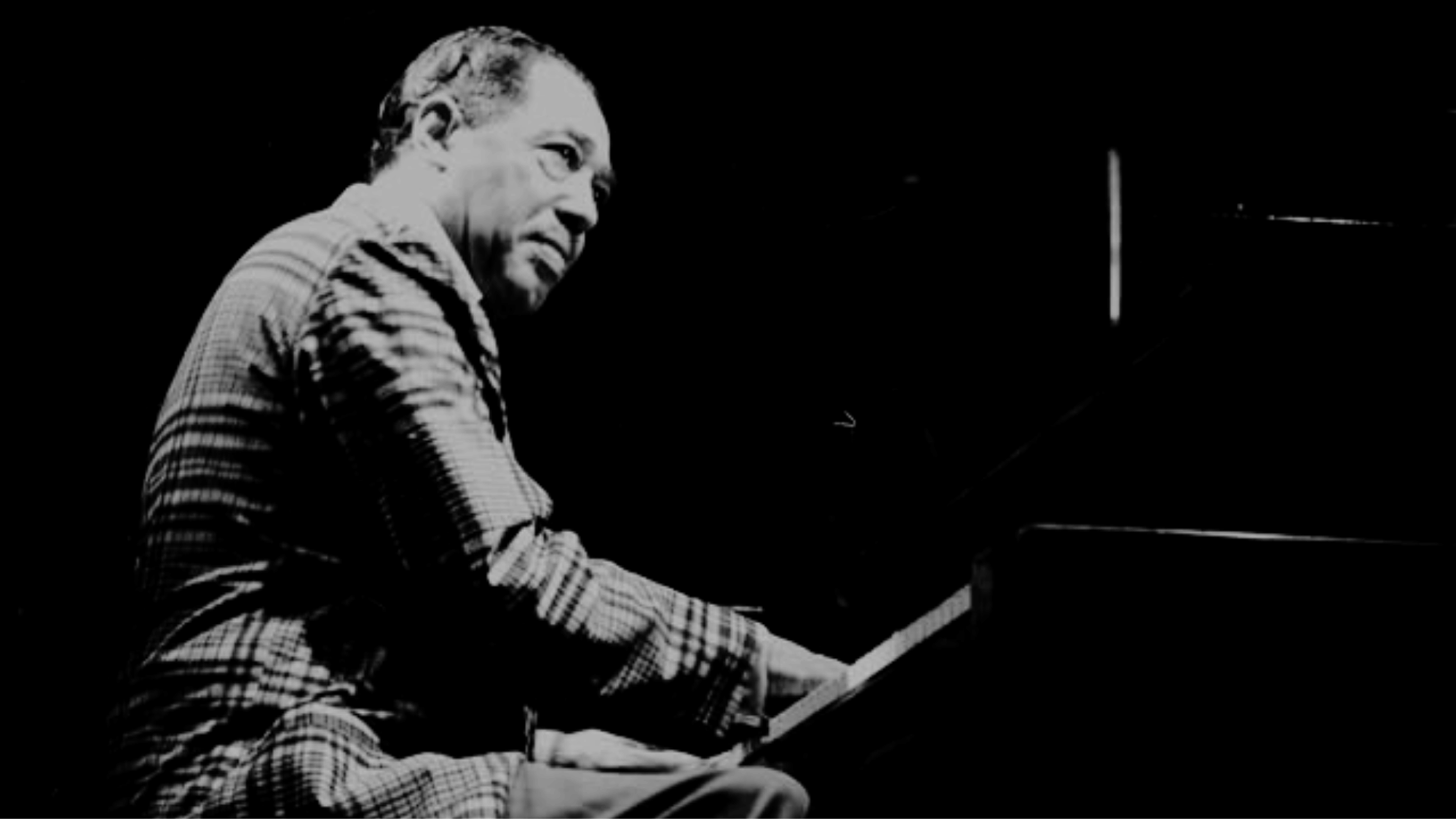
image source: open.spotify.com
This song started out as a musical piece called “Never No Lament” back in 1940. Then Bob Russell came along. Added some words to it two years later. The song is about someone who stays at home after their heart gets broken.
They do not want to go out and face the world. It is a simple idea.
There are no pictures in your mind when you hear this song. Everyone has felt down at some point and just wanted to stay home. It feels easier to stay in than to go out and pretend that everything is okay.
Duke recorded this on a record in 1942. The song Never No Lament, which we now know as a title, has not gotten old at all since Duke recorded it.
12. I Got It Bad (And That Ain’t Good) (1941)
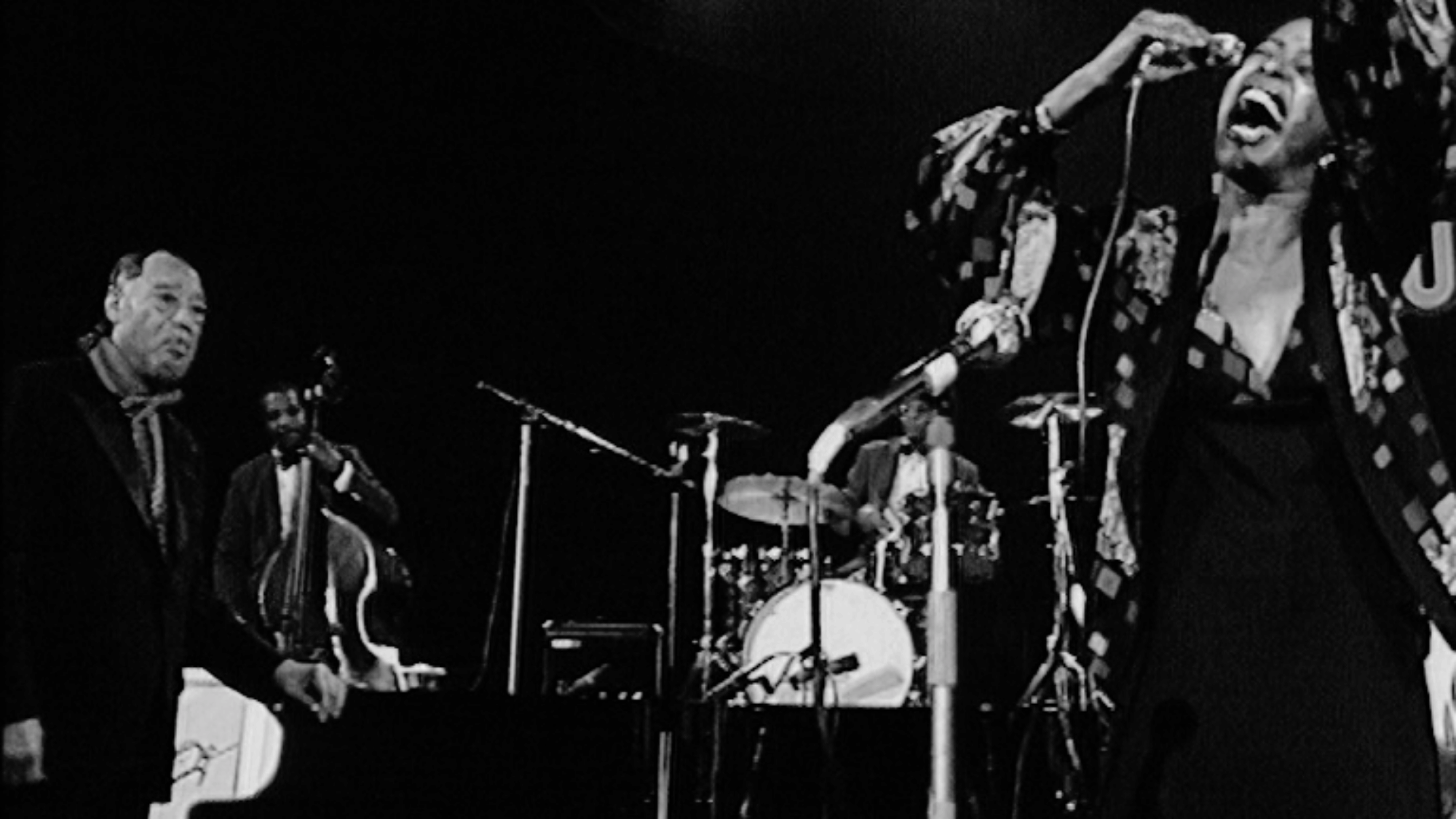
image source: shazam.com
Duke wrote this in 1941 with lyrics by Paul Francis Webster. It debuted in the musical revue Jump for Joy the same year. Ivie Anderson sang it on the original recording with Duke at the piano and Johnny Hodges on alto saxophone. The performance is quiet and devastating in equal measure.
A month after that recording dropped, Benny Goodman cut his own version with Peggy Lee on vocals. That version became Lee’s very first hit. One Duke Ellington song handed another artist their entire career breakthrough.
That does not happen often in any genre. It happened here because the song was simply that good from the moment it was written.
13. In a Sentimental Mood (1935)
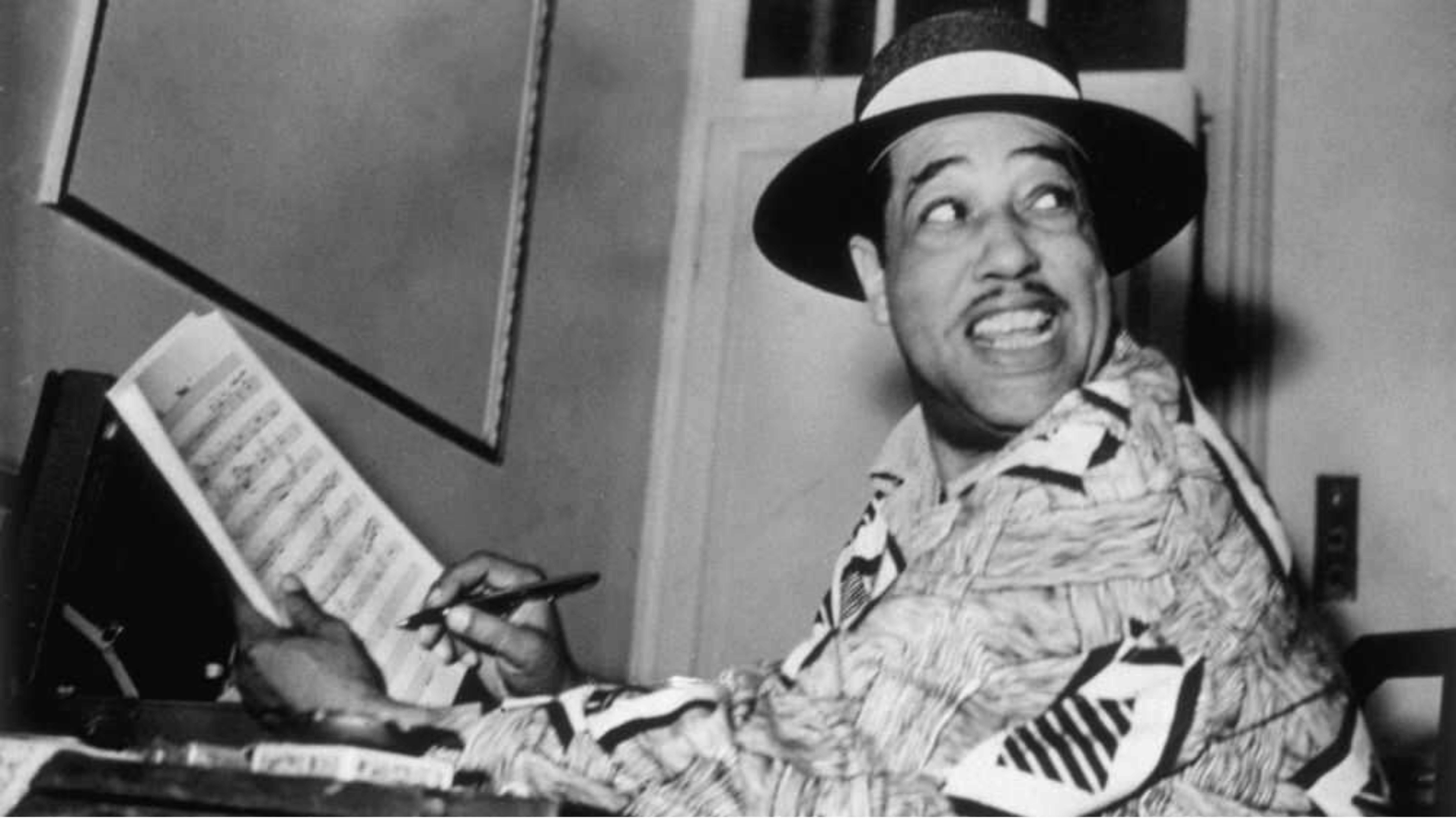
image source: steveflackguitaracademy.com
Duke wrote this in 1935, and it became one of the most recorded ballads in jazz history.
He returned to it nearly three decades later, in 1963, for a duo session with John Coltrane. The two of them dropped the key from F major down to B-flat minor for that version.
The shift changed the entire feeling of the song. Something already beautiful became something else entirely.
The 1963 Coltrane recording is one of the most striking things either musician ever put on tape. Listen to both versions back to back, and you’ll hear the same song twice, and feel two completely different things
14. Ko-Ko (1940)
image source: couleursjazz.fr
Duke recorded this on March 6 1940. It has no melody to hum along to. There are no lyrics.
It does not have a structure to hold onto. It is raw, dark, low-end orchestral jazz. It sounds like it came from deep underground. It never quite made it all the way back to the surface.
Music historians say Ko-Ko is one of the blueprints for bebop. Bebop is the genre that completely reshaped jazz in the years that followed. This is not a listen. It asks something from the listener.
It gives something back, too. Every musician who helped build bebop heard this track. Most of them heard Ko-Ko more than once.
15. Prelude to a Kiss (1938)
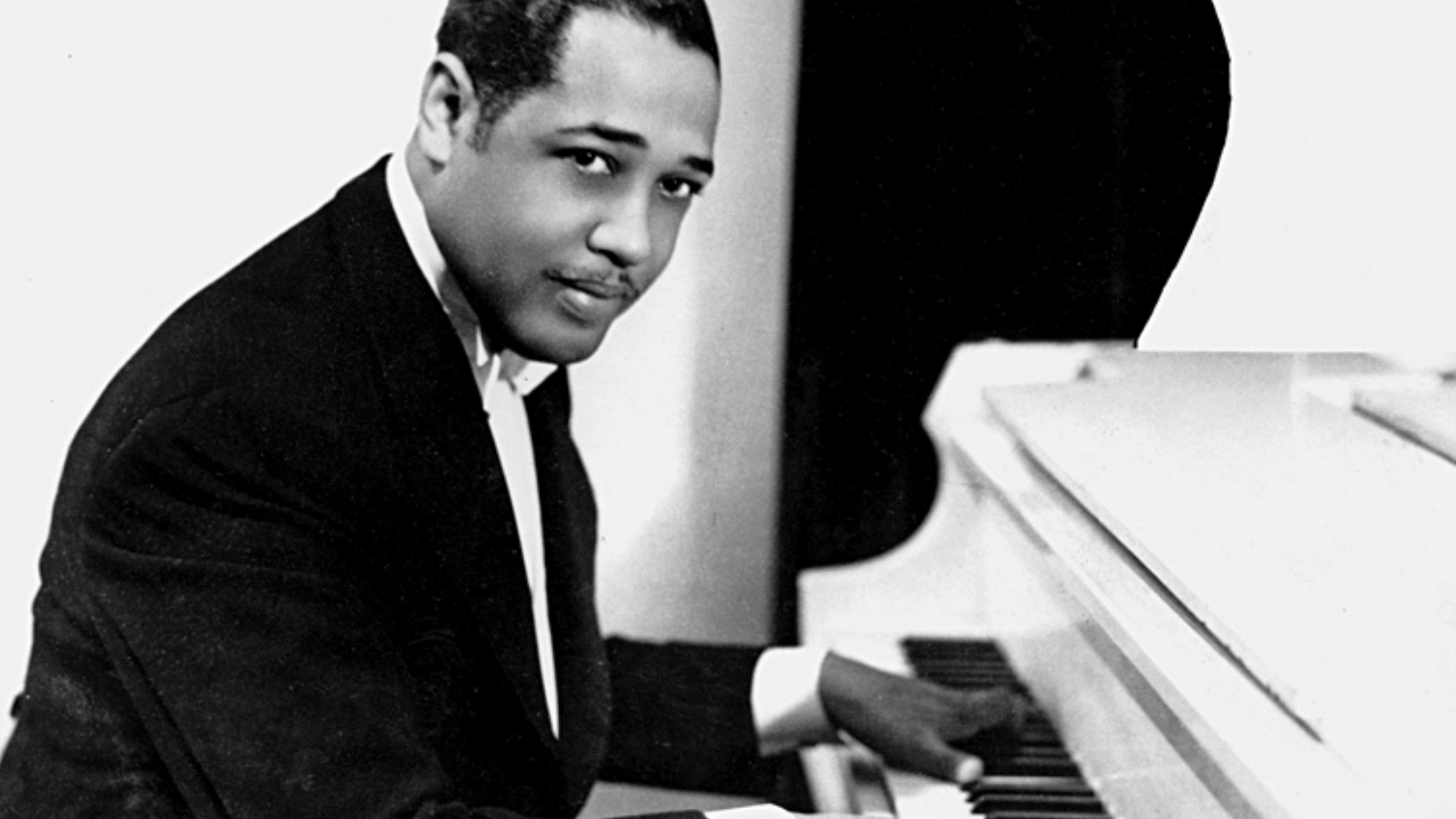
image source: couleursjazz.fr
Duke wrote this in 1938 and went in a completely different direction from everything else on this list.
No uptempo swing feel. No crowd-pleasing energy. Just a slow, chromatic, almost classical piece that asks the listener to sit with it rather than move to it.
The bridge is where it gets interesting. Wide intervals. Unexpected note choices. Lyrics that reference both Schubert and Gershwin in the same breath without making either reference feel forced.
The most musically complex track in his catalog. Also, one of the most rewarding. It doesn’t grab you; it builds. By the end, most people want to hear it again.
Where to Start if You’re New to Duke
Pick three and ignore the rest for now. Go for Mood Indigo first. It shows the slow, heavy orchestral side, the part most people don’t expect.
Next, hit It Don’t Mean a Thing. That one track explains why the entire swing era even happened.
Cap it with Take the A Train, and it becomes immediately clear why his band opened every show with it for decades.
Three tracks. Three completely different sides of the same musician.
Conclusion
Over 1,000 tracks. Fifty years sweating on stage. Duke Ellington dropped a catalog most guys die trying to touch. He never chased trends.
He never wrote for the radio. He just wrote what was playing in his head and trusted his band to make it real.
These fifteen Duke Ellington songs are the best place to start. They cover every side of what he built, slow ballads, hard swing, orchestral arrangements, and everything in between.
Pick one. Crank it up. Dig through the rest. That is the only way to hear him.
Frequently Asked Questions
What is Duke Ellington’s Most Famous Song?
Take the A Train is widely considered the most recognizable song from Duke Ellington’s catalog. Written by Billy Strayhorn in 1941. Duke heard it once and made it his orchestra’s theme song, a position it held for the rest of his career.
How Much of Duke Ellington’s Music Did He Actually Write Himself?
Most were his own compositions. Some were co-written with close collaborator Billy Strayhorn, who joined the Ellington organization in 1939.
What was Duke Ellington’s Songs First Big Hit?
East St. Louis Toodle-Oo, co-written with trumpeter Bubber Miley and recorded in 1927, was one of his earliest recordings to gain wide attention. It became his first theme song and was a staple of his Cotton Club performances.