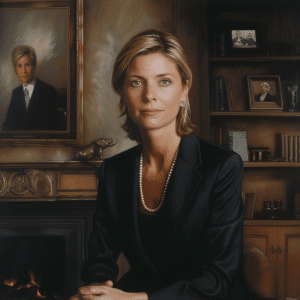
Have you saved a butterfly cut or wolf cut on Pinterest but have no idea which one to actually get?
You’re not alone. These two cuts are all over TikTok right now. Salon bookings for both have shot up this year. But most people can’t tell them apart, and they are very different.
Same layers, totally different results.
This blog breaks down exactly what each cut is, how they differ, which works for your hair type and face shape, and how much upkeep each needs. By the end, you’ll know exactly which one is yours.
What is the Butterfly Cut? (And Why Everyone’s Getting It)
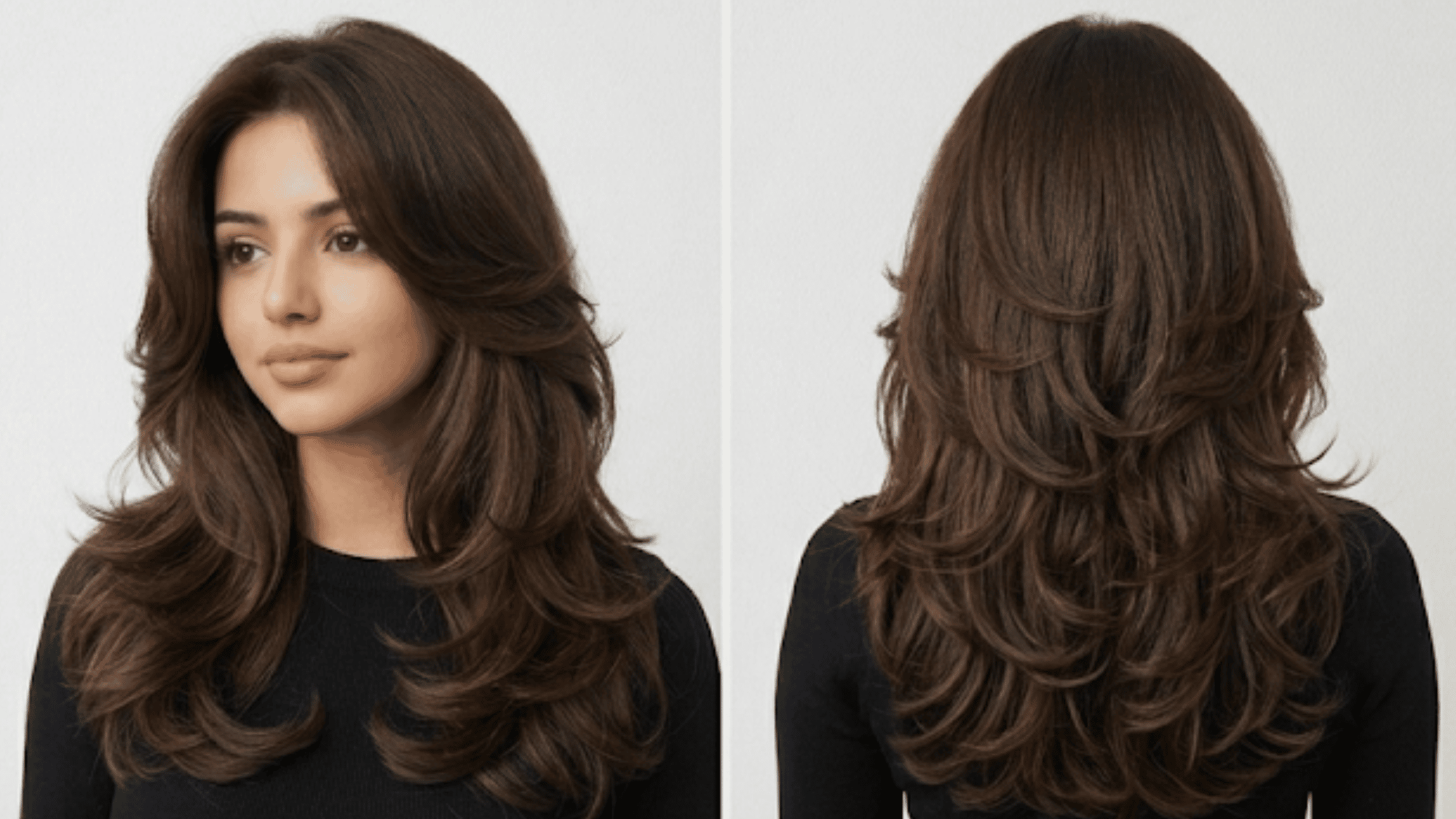
The butterfly cut is a layered haircut where short layers at the crown blend into longer layers below.
When you blow it out, the layers lift and open up, just like butterfly wings. That’s exactly where the name comes from.
It was created as a softer, more polished alternative to edgier layered cuts. Stylists use a point-cutting technique to give the ends a feathered, wispy finish.
- Works best on medium to long hair, though it can be adapted for shorter lengths
- The result looks like a fresh blowout, even on air-dried hair
- Face-framing layers sit around the crown and cheekbones for a soft, lifted look
- The technique involves short layers at the top blending seamlessly into longer layers below
- Celebrity fans include Jennifer Aniston, Hailey Bieber, and Priyanka Chopra, all known for their voluminous, face-framing hair
What is the Wolf Cut? (The Rock-Star Rebel’s Layered Look)
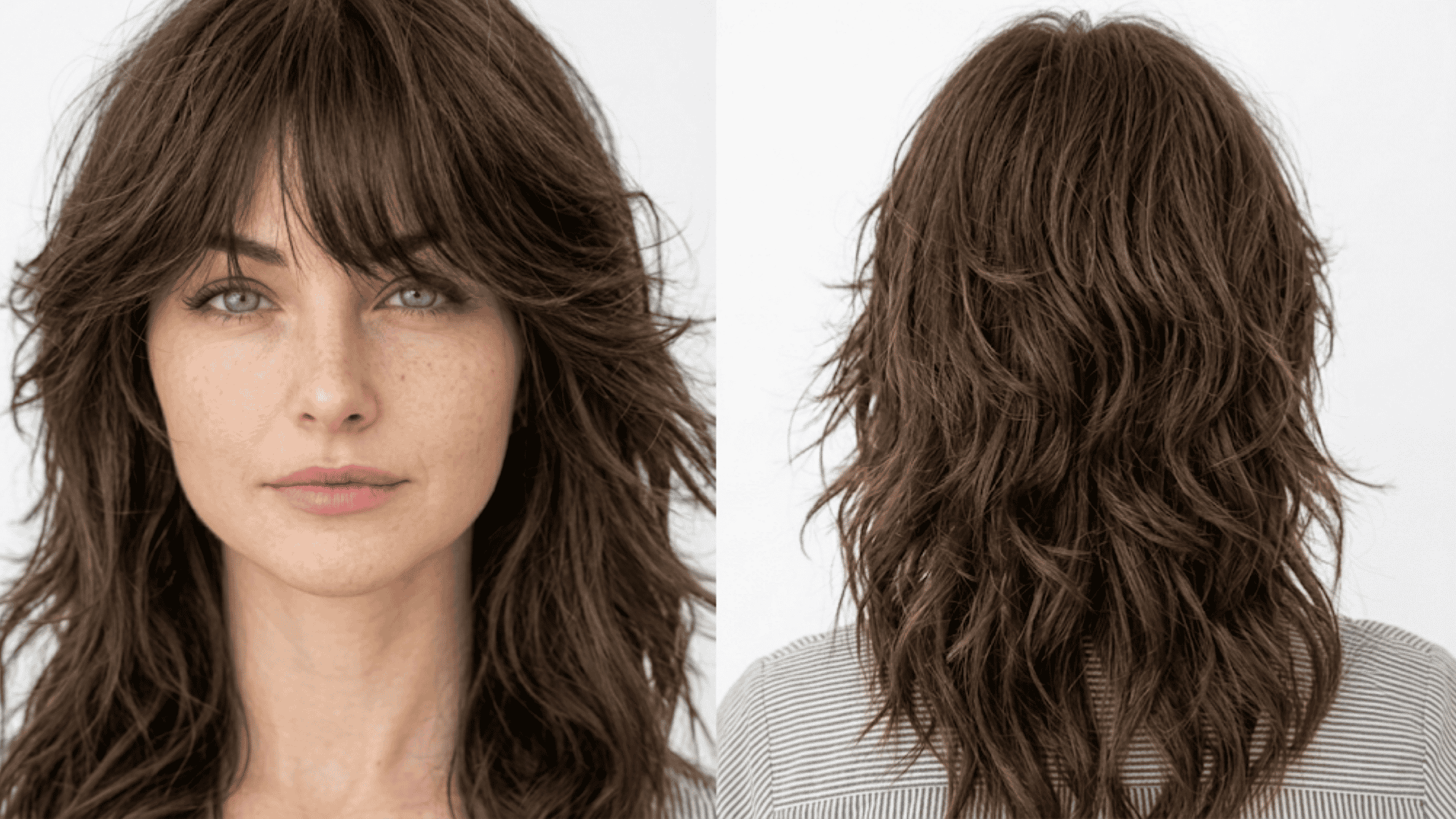
The wolf cut is a layered haircut that mixes the shag and the mullet into one bold, textured style. It has short, voluminous layers at the crown and longer, wispy ends at the bottom. The finish is deliberately undone, like you just rolled out of bed and somehow looked amazing.
It blew up on TikTok between 2021 and 2024, with a huge push from K-pop fans who loved its edgy, effortless vibe.
- Origin is a hybrid of the classic shag and the mullet, two of the boldest cuts in hair history
- The technique uses disconnected, choppy layers with a full, voluminous crown and wispy, lighter ends
- The result is a high-textured, lived-in look with a serious attitude
- Celebrity fans include Billie Eilish, Miley Cyrus, and HoYeon Jung, all known for bold, fashion-forward hair
- Best for anyone who wants volume, texture, and a cool, effortless finish
Butterfly Cut vs Wolf Cut
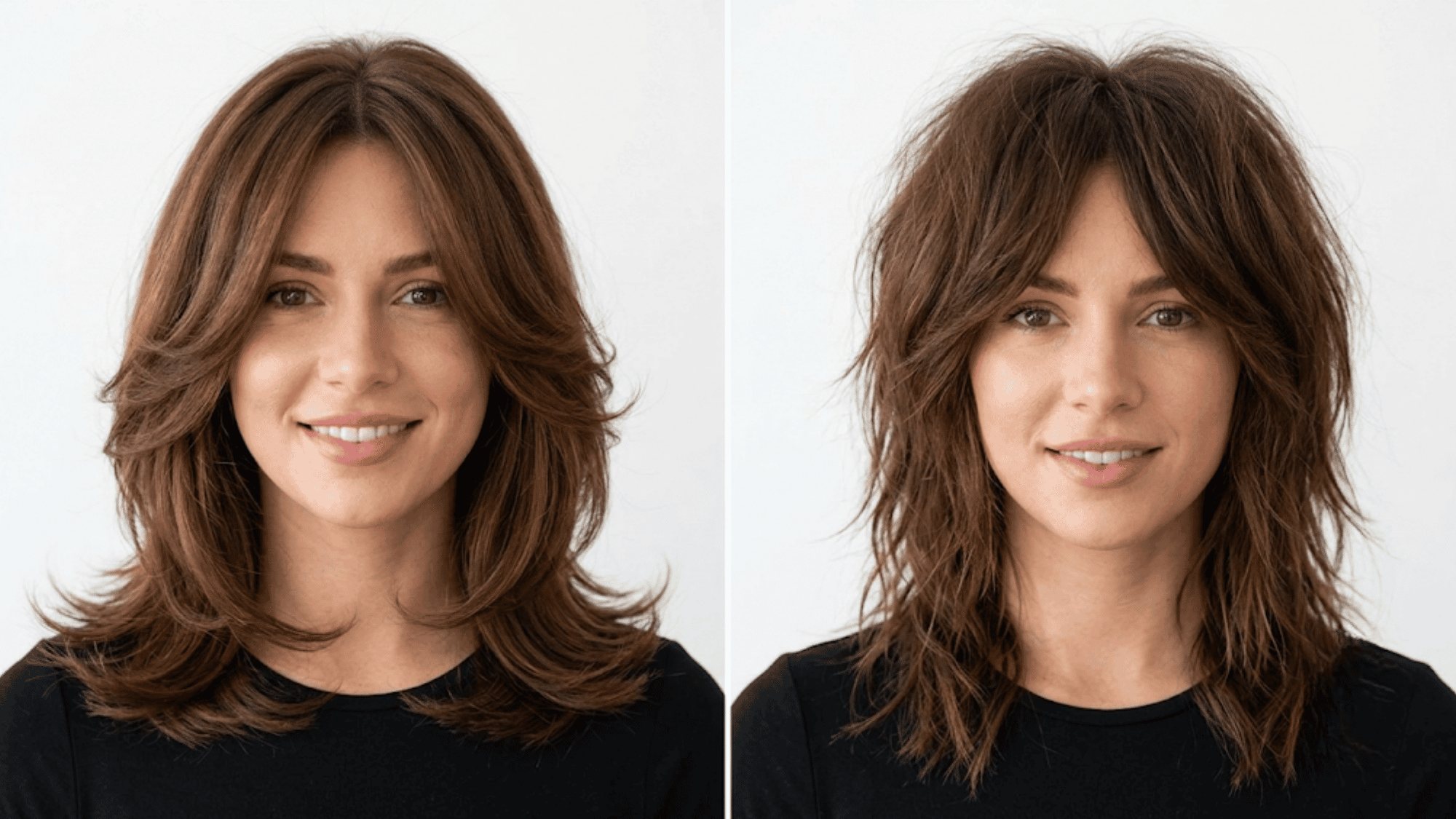
They both use layers. They both add volume. But that’s where the similarities end. This is a clear breakdown of how these two cuts actually differ.
Layer Placement and Shape
The butterfly cut has layers that blend smoothly into each other from top to bottom. The overall shape is rounded and polished; every layer flows naturally into the next.
Nothing looks out of place or disconnected. The wolf cut works completely differently. Its layers are disconnected on purpose.
The crown stays full and heavy, while the ends go thin and wispy. One shape looks carefully put-together. The other looks like it has a strong personality.
Both are intentional, just very different intentions behind each one.
Volume and Texture
With a butterfly cut, the volume sits at the mid-length and around the face. It gives you soft, flowing movement that feels light and airy.
The layers lift around the cheekbones and crown without overwhelming the rest of the hair. The wolf cut is completely different.
It packs all its volume at the crown, then lets the ends go wispy and thin. The texture is gritty and deliberate, not messy by accident, but messy by design.
If the butterfly cut is a soft wave, the wolf cut is a full storm.
Styling Effort and Maintenance
The butterfly cut is genuinely low-maintenance. A round-brush blowout makes it look incredible, but it still looks great when you just air-dry and go.
It also grows out really beautifully, which means you are not rushing back to the salon every few weeks. The wolf cut needs a little more effort to look its best.
Texture spray, sea salt spray, or dry shampoo are basically part of the daily routine.
You will also need more frequent trims to keep the layers sharp and stop the mullet section from growing out too long.
The Vibe and Aesthetic Each Cut Gives
The butterfly cut is polished, feminine, and incredibly versatile. It works just as well at the office as it does on a night out or a casual weekend.
It is the kind of cut that looks intentional without trying too hard, put-together but never stiff. The wolf cut is loud, edgy, and unapologetically cool.
It is the cut you get when you want your hair to make a statement the moment you walk into a room. Think street style, front rows, and bold fashion choices, not a corporate Monday morning.
Butterfly Cut vs Wolf Cut: How They Look at Every Hair Length
Your hair length plays a huge role in how either cut turns out.
| Hair Length | Butterfly Cut | Wolf Cut |
|---|---|---|
| Short (Bob/Lob) | Tricky; needs minimum chin length for layers to show. Too short and layers fall flat. | Natural fit; choppy, textured bob with full attitude. Watch out for heaviness if you don’t get regular trims. |
| Medium (Shoulder/Collarbone) | Sweet spot: soft, bouncy, face-framing layers. Fine hair can look thin if over-layered. | Looks bold; full crown volume with wispy ends. Needs frequent trims to stay sharp. |
| Long (Chest and Beyond) | Stunning; cascading, voluminous layers with full movement. Avoid too many layers on fine hair. | Softer and more wearable; choppy layers mellow out at length. The mullet section needs regular upkeep. |
| Curly (Any Length) | Reduces bulk on top, lets curls bounce naturally. Fine curly hair can lose too much density. | Bold, expressive, voluminous curls. Can look too bulky on very thick hair without thinning. |
Which Cut Suits Your Face Shape?
Your face shape matters just as much as your hair type. Here is what you need to know before booking:
- Oval face: Both cuts work well here. The butterfly cut frames the face softly, while the wolf cut adds bold volume and texture. You really cannot go wrong with either.
- Heart face: Both cuts suit this shape too. The butterfly cut balances a wider forehead with soft, wispy layers. The wolf cut complements the narrower jaw with crown volume. Either is a solid pick.
- Round face: The butterfly cut works well here; face-framing layers add the illusion of length. The wolf cut is risky; it can add unwanted width unless your stylist uses a deep side parting.
- Square face: The butterfly cut softens a strong jaw with its feathered, blended layers. The wolf cut is tricky here; choppy layers can make the jaw look even wider and stronger.
- Diamond face: The butterfly cut is the best match; layers sit right at the cheekbones and highlight them beautifully. The wolf cut can work but needs very careful layer placement.
- Oblong or rectangular face: The butterfly cut adds width and fullness at the sides to balance a longer face. The wolf cut also works well here; the crown volume helps break up the length.
Conclusion
Now you know exactly which cut suits your hair, your face shape, and your lifestyle. When you walk into the salon, be specific.
Tell your stylist exactly what you want, and bring clear inspo photos in natural light that match your actual hair type and length.
Avoid heavily filtered or blurry images. The more specific you are, the better your results will be.
Find a stylist who specializes in layered cuts and book that appointment today.
Frequently Asked Questions
What is Rich Girl Hair?
Rich girl hair is soft, voluminous, and glossy, looking effortlessly expensive. The butterfly cut is one of the most popular ways to get this look.
Who Should Not Get a Butterfly Cut?
Anyone with very short or very fine hair should think twice. The cut needs enough length and density for the layers to actually show up.
What Hairstyle is Good for Alopecia?
Soft, blended cuts with minimal layering work best. Heavy or disconnected layers can make thinning areas more visible.