

The modern beauty industry is a multi-billion-dollar machine that constantly bombards us with contrasting messages. On one side, luxury brands showcase sleek glass bottles, celebrity endorsements, and exotic claims, suggesting that flawless skin is a privilege reserved for those who can afford a triple-digit price tag. On the other side, clinical drugstore brands and viral internet startups promise identical results for the price of a morning coffee. For the everyday consumer, standing in the skincare aisle or browsing online storefronts has become an overwhelming guessing game of numbers and chemical names.
Uncovering the truth behind these price tags requires moving past emotional marketing and diving straight into cosmetic chemistry. Purchasing expensive skin care is not always a guarantee of superior performance, just as buying budget options does not automatically mean you are settling for inferior quality. The efficacy of any cream or lotion is determined entirely by its molecular structure, stability, and delivery system. By understanding exactly how manufacturing costs, scientific research, and active concentrations work together, you can make intelligent, data-driven decisions that maximize your beauty budget while keeping your protective skin barrier looking radiant, healthy, and perfectly balanced.
Expensive Skincare: What You Actually Pay For
When you hand over your credit card for a luxury face cream, it is easy to assume that the high cost goes directly into a secret, magical formula. However, the raw materials in a cosmetic bottle often account for only a fraction of its final retail price. To make informed shopping choices, you must pull back the curtain on the corporate ledger and examine where your money is actually being distributed.
- Sleek Custom Packaging Designs: Luxury brands invest heavily in heavy glass jars, metallic pumps, and custom magnetic boxes that look gorgeous on a bathroom vanity but do not change the product’s actual efficacy.
- Massive Celebrity Marketing Budgets: A significant portion of a premium item’s retail price goes toward high-end fashion magazine advertisements, global influencer campaigns, and red-carpet endorsements.
- Exclusive Custom Fragrance Profiles: The most expensive cosmetics frequently feature custom-engineered synthetic scents and silky textures designed to mimic a high-end spa experience, though these additions can sometimes irritate sensitive skin.
- Retail Distribution and Shelf Fees: Premium brands must inflate their prices to cover the high margins demanded by luxury department stores, specialized boutique counters, and prime real estate locations.
Understanding these economic realities allows you to separate the concept of luxury from the reality of efficacy. When you purchase high-end products, you are often paying for an emotional experience, a beautiful aesthetic, and a prestigious brand name. While there is absolutely nothing wrong with treating yourself to a beautifully scented, beautifully packaged product, recognizing these hidden costs helps you identify exactly when a premium price tag is justified and when you are simply funding a corporation’s global marketing campaign.
Expensive Serum vs Drugstore Serum: Lab Test Results
Serums are widely considered the most critical investment in any personal care routine because they are formulated to deliver a highly concentrated dose of active molecules deep into the tissue layers. When you compare an expensive serum with a budget alternative in a laboratory environment, the differences often come down to formulation stability, molecular weight, and the purity of the raw materials. To complement these intensive facial treatments, many consumers choose to invest in specialized targeted treatments for specific areas; exploring the data behind the best eye cream workflows demonstrates how precise formulation testing ensures delicate, thin skin structures are properly brightened and protected from dark circles without causing local irritation.
- Patented Cellular Delivery Systems: Luxury laboratories often spend years developing specialized microscopic capsules that protect unstable active elements, ensuring they penetrate deep into the skin before activating.
- Optimized Molecular Weight Blends: Premium formulas often use a broad range of molecular sizes – especially in hyaluronic acid products – to hydrate both the surface and the deeper layers simultaneously.
- Ingredient Purity and Sourcing: High-end manufacturers often source their botanical extracts from specific, unpolluted geographic regions, resulting in a cleaner raw material with fewer synthetic impurities.
- Long-Term Clinical Stability Data: Expensive research facilities conduct extensive, multi-month testing to ensure that delicate actives – like vitamin C or retinoids – won’t oxidize and lose their potency on your shelf.
These laboratory distinctions reveal that while a budget serum might list the same primary ingredient on its back label, the luxury version often offers a more refined, stable, and comfortable user experience. An expensive serum is engineered to remain highly effective from the first drop to the very last, minimizing the risk of sudden product separation or unwanted chemical breakdown. If you are targeting complex skin concerns like deep hyperpigmentation or loss of elasticity, investing in a scientifically stabilized formula can deliver more reliable results over time.
Affordable Skincare That Delivers Clinical Results
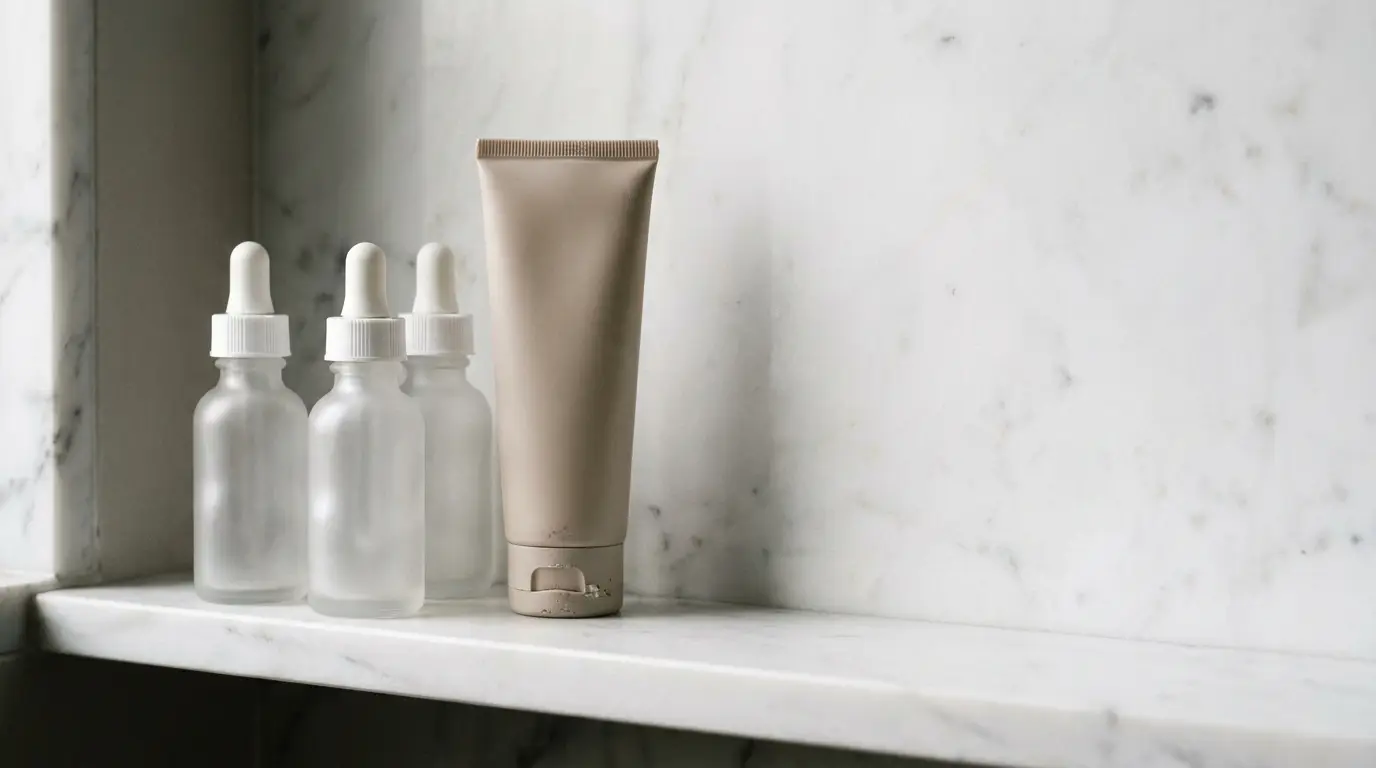
The democratization of cosmetic chemistry has completely revolutionized the modern beauty market. Today, several transparent, ingredient-focused brands bypass traditional luxury marketing and offer high-potency formulas at accessible prices. This means that building a highly effective, result-driven, affordable skincare routine is easier than ever, provided you know exactly which straightforward molecules to look for on the ingredient list.
- Single Molecule Active Fluids: Budget brands often package high-potency singular treatments – like 10% niacinamide or pure glycolic acid – allowing you to build a customized routine without paying for filler ingredients.
- Minimalist Plastic Component Bottling: Using plain, lightweight plastic droppers and squeeze tubes dramatically reduces production costs, allowing the brand to pass the savings directly to the buyer.
- Direct-to-Consumer Digital Sales: Eliminating middleman retail distributors and selling directly through online storefronts keeps operational overhead minimal and prices consistently low.
- Unscented Clean Ingredient Bases: Skipping complex artificial fragrances and unnecessary color dyes keeps the base formulation simple, highly stable, and incredibly affordable to manufacture.
Embracing a minimalist, clinical approach to your bathroom counter proves that healthy skin does not require a massive financial investment. By focusing entirely on proven, unpretentious ingredients, you can effortlessly clear breakouts, smooth rough texture, and boost your daily hydration. This practical mindset ensures your money goes directly toward the active chemicals that alter your skin’s health, rather than the decorative elements surrounding them.
Cheap Skincare: When Budget Beats Premium
There are certain product categories where spending a premium is completely unnecessary. In fact, when it comes to everyday foundational steps, choosing cheap skincare can often be the smarter, safer choice for your long-term skin health. Many mass-market drugstore staples feature simple, time-tested formulas that dermatologists around the world consistently recommend over luxury options.
- Basic Hydrating Facial Cleansers: Because a wash stays on your face for less than sixty seconds before being rinsed down the drain, spending a fortune on luxury anti-aging cleansers is a complete waste of money.
- Simple Barrier Repair Moisturizers: Drugstore creams packed with basic petroleum jelly, mineral oil, or glycerin are highly effective at sealing in moisture and repairing a damaged lipid barrier without causing allergic reactions.
- Everyday Broad Spectrum Sunscreens: Because you must apply sunscreen generously and reapply it frequently throughout the day, choosing an affordable drugstore fluid ensures you never skimp on your UV protection.
- Basic Body Loofahs and Washcloths: Fancy physical exfoliating tools offer no additional medical benefit compared with a clean, soft cotton washcloth paired with a standard, gentle body wash.
Leaning into cheap skincare for your everyday essentials keeps your routine sustainable and budget-friendly. It allows you to save your hard-earned money for targeted treatments that require advanced laboratory engineering, such as high-potency antioxidants and prescription retinoids. By keeping your cleansers and basic moisturizers simple, you minimize the risk of over-complicating your routine and confusing your skin with too many competing active botanicals.
Skincare Ingredients That Justify a Higher Price
While budget options are fantastic for your daily basics, certain premium skincare ingredients legitimately require a higher retail price due to the complex extraction processes, expensive raw materials, and advanced chemical engineering required to make them work safely. When you run into these specific components, spending extra money is a worthwhile investment in your long-term cellular health.
- Stabilized L-Ascorbic Vitamin C: Pure vitamin C degrades rapidly when exposed to light and air, necessitating highly specialized, expensive stabilization methods to keep the formula active and effective.
- Advanced Multi Peptide Complexes: Engineering bioavailable chains of amino acids to trigger natural collagen production requires high-level molecular research and expensive laboratory synthesis.
- Encapsulated Time-Released Retinoids: Wrapping pure retinol in microscopic lipid spheres allows the active ingredient to release slowly overnight, significantly reducing irritation and peeling that are common with cheap alternatives.
- Rare Botanical Fermented Extracts: Creating bio-fermented sea kelp or specialized plant stem cell cultures requires months of monitored cultivation, thereby driving up raw material costs.
Paying attention to these specific skincare ingredients helps you allocate your beauty funds with absolute precision. You can confidently skip the most expensive cosmetics when buying everyday items like makeup removers or hydrating mists, and deliberately invest your resources in advanced, stable, and high-performing active treatments. This balanced shopping strategy guarantees that every dollar spent delivers maximum structural benefits, helping you achieve a radiant, youthful complexion without overspending.