


From chart-topping pop acts to legendary rock groups, some of the most famous bands that broke up left behind music that still defines generations.
Whether it was creative differences, personal conflicts, or simply the right time to walk away, every breakup tells a story.
In this blog, we’ll cover bands across rock, pop, and beyond, looking at what tore them apart.
What Does It Mean When a Band Breaks Up?
A band breakup means the group has officially decided to stop making music together.
But not all endings are the same. Some splits are permanent, while others turn out to be temporary pauses. Members may go solo, form new groups, or step away from the spotlight.
Understanding the difference between a breakup, a hiatus, and a retirement helps put each band’s story in the right context. Here are the key terms to know:
| Term | Meaning |
|---|---|
| Breakup | The band officially ends. |
| Hiatus | The band takes a break, but may return. |
| Retirement | The band or members stop touring or making new music. |
| Reunion | A broken-up band gets back together. |
The Most Famous Bands that Broke Up
Some of the biggest names in music history did not last forever. Internal conflict, personal ambitions, loss, and burnout all played a role in ending careers that once felt unstoppable.
The sections below cover some of the best-known bands that called it quits and the stories behind why.
1. The Beatles
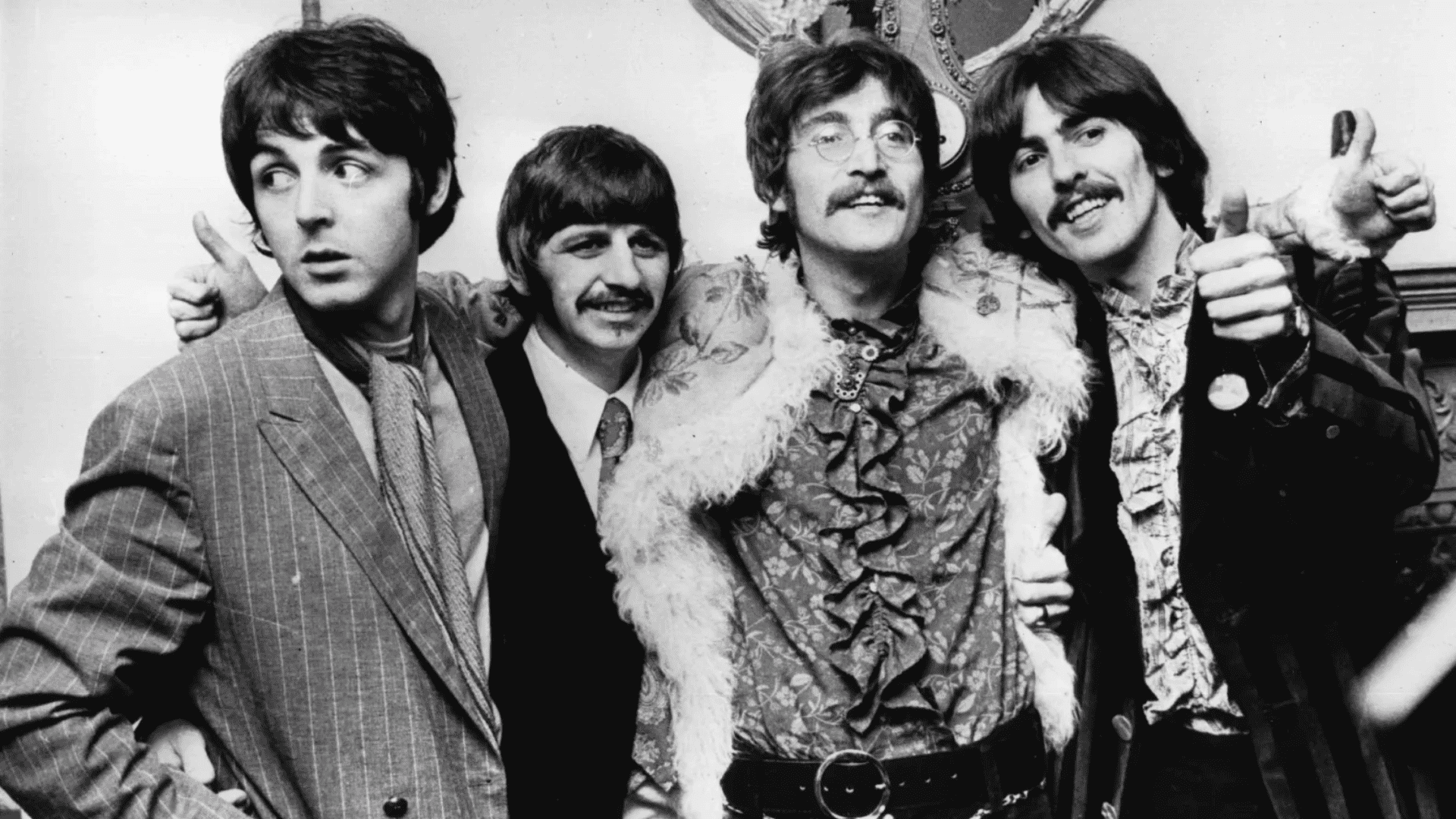
Active from 1960 to 1970, The Beatles blended rock and pop.
Business disputes, creative tensions, and personal stress drove their split, still the most talked-about breakup in music history.
Only Paul McCartney and Ringo Starr are alive today.
2. Led Zeppelin

John Bonham’s death in September 1980 left the band with no path forward. The remaining members agreed they could not continue without him.
Their influence on hard rock and heavy metal remains unmatched decades later.
3. Oasis

Oasis split in 2009 after long-running public conflicts between brothers Liam and Noel Gallagher.
NME listed them among the biggest bands lost after 2000. Fans still debate the breakup, holding out hope for a lasting reunion.
4. The Police

Tension between Sting, Stewart Copeland, and Andy Summers made collaboration difficult. Sting’s solo career pulled him away after 1983.
The band reunited for a world tour in 2007–2008, but never recorded new material together.
5. R.E.M.
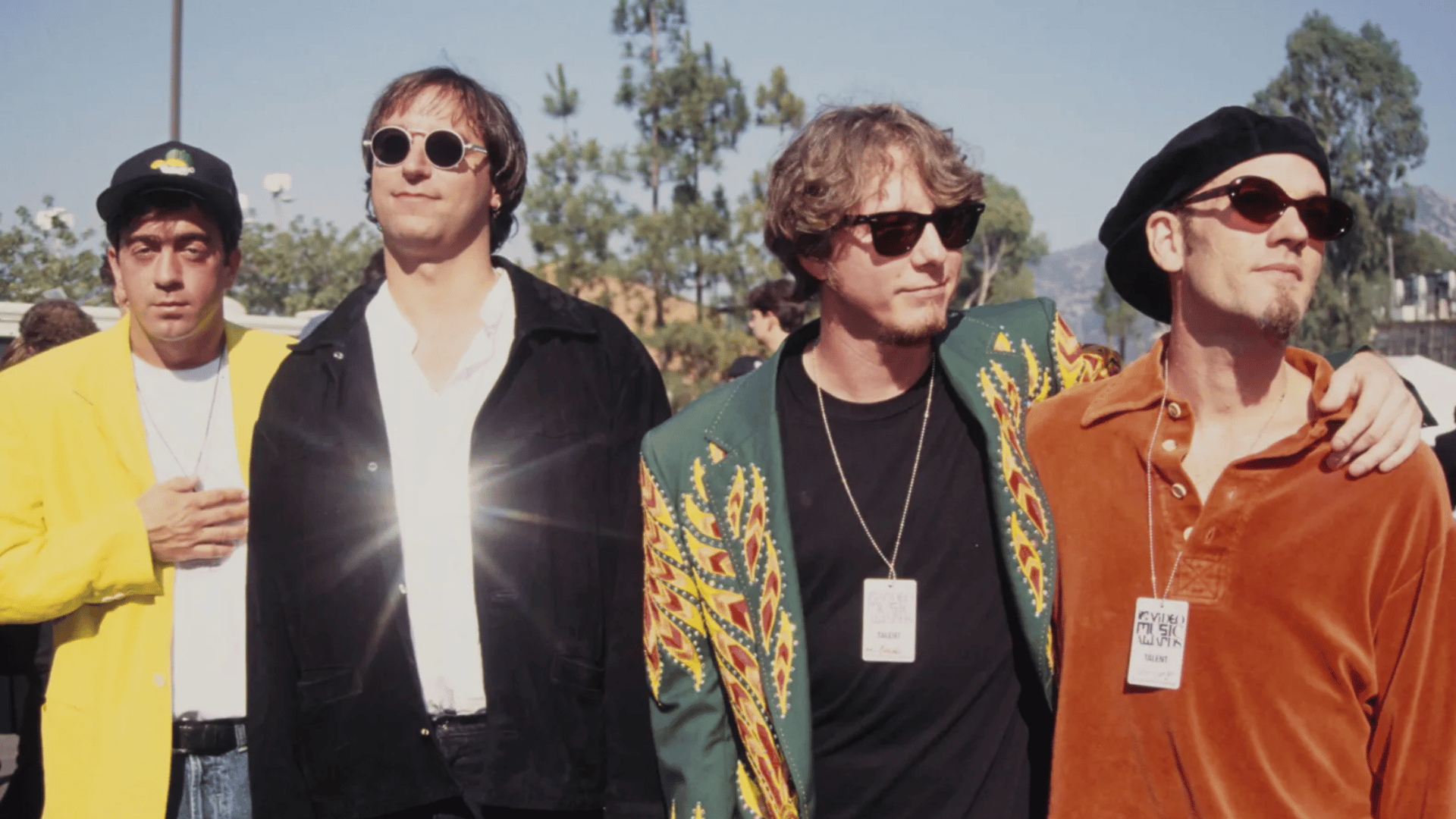
R.E.M. announced its split in 2011 quietly and without drama, feeling they had accomplished everything they set out to do.
Their self-directed ending set them apart. They remain foundational figures in alternative rock history.
Rock Bands that Broke Up Too Soon
This section looks at rock bands whose stories ended far too early, cut short by tragedy, tension, or circumstances beyond anyone’s control.
Each of these groups left a mark on music that still resonates today.
6. Nirvana
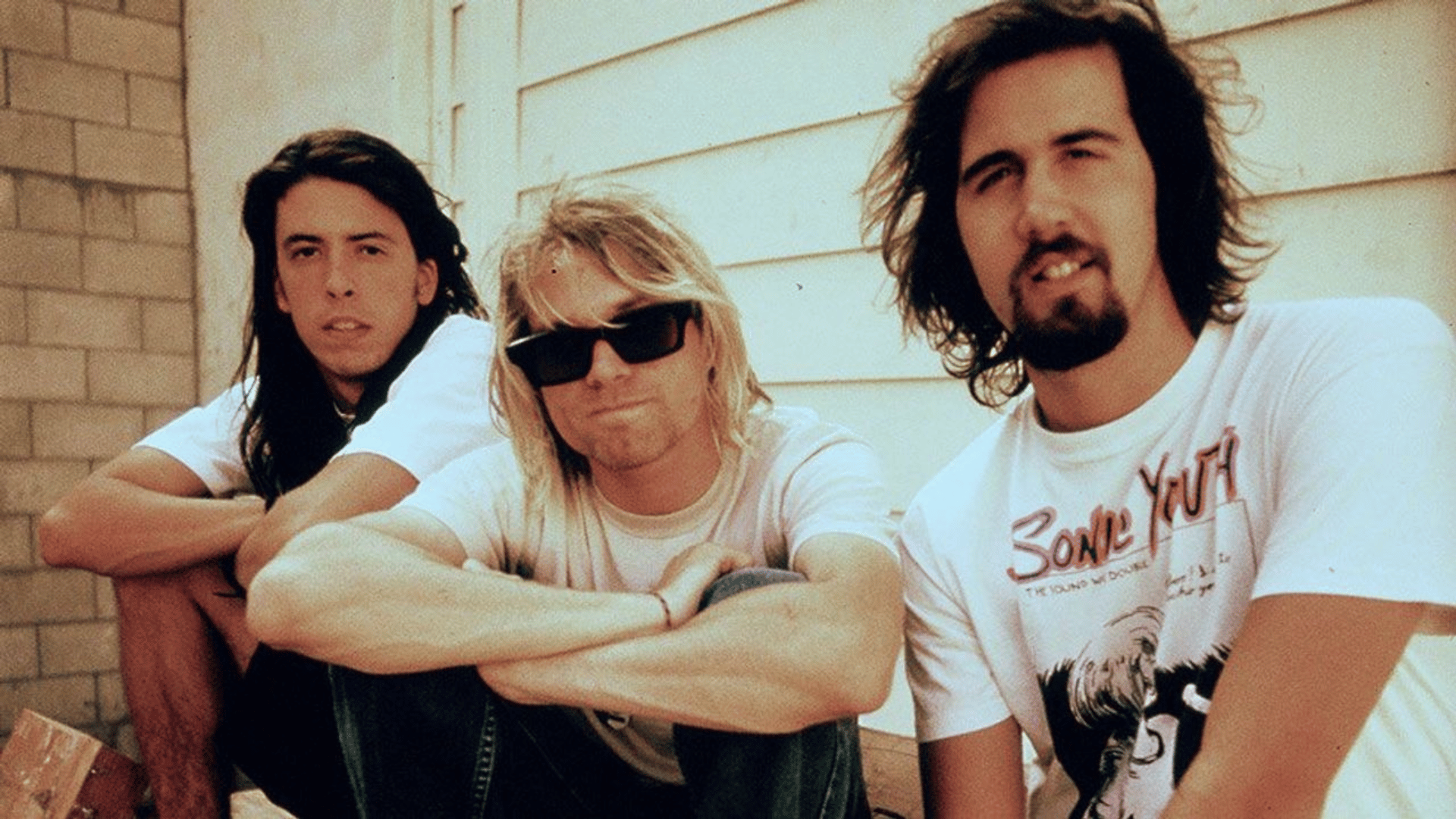
Kurt Cobain’s death in April 1994 brought Nirvana to an abrupt end at the height of their success. The band had redefined rock with their raw, grunge sound.
Their influence on alternative and rock music remains massive to this day.
7. The White Stripes

Jack and Meg White built a powerful sound from just guitar and drums. Their 2011 split was announced quietly, citing the band’s “organic” end with no room to continue.
No reunion has followed, making their breakup feel truly final.
8. The Smiths

Creative clashes and business disputes between Morrissey and guitarist Johnny Marr led to the end of The Smiths in 1987.
Their tension has never fully resolved, with Marr consistently shutting down any talk of a reunion. Fans have waited decades for a reconciliation that shows no signs of coming.
9. Joy Division

Ian Curtis’s death by suicide in May 1980 ended Joy Division before they could reach their full potential.
The remaining members regrouped as New Order, carrying forward their legacy. Joy Division’s dark, post-punk sound continues to influence bands across multiple generations.
Pop Bands That are No Longer Together
Pop music has produced some of the most beloved group acts of all time, but even the biggest names have gone their separate ways.
Some endings were clean, others messy, and a few still leave fans hoping for one more comeback. Here is a look at the most significant pop bands that are no longer active.
1. One Direction

Formed on The X Factor in 2010, One Direction went on hiatus in 2016, never officially calling it a breakup. Each member pursued solo work, with Harry Styles finding major commercial success.
Tragically, Liam Payne passed away in October 2024, marking a heartbreaking chapter for the band and its fans.
A reunion now feels unlikely, though the remaining members remain deeply connected through grief and shared history.
2. NSYNC
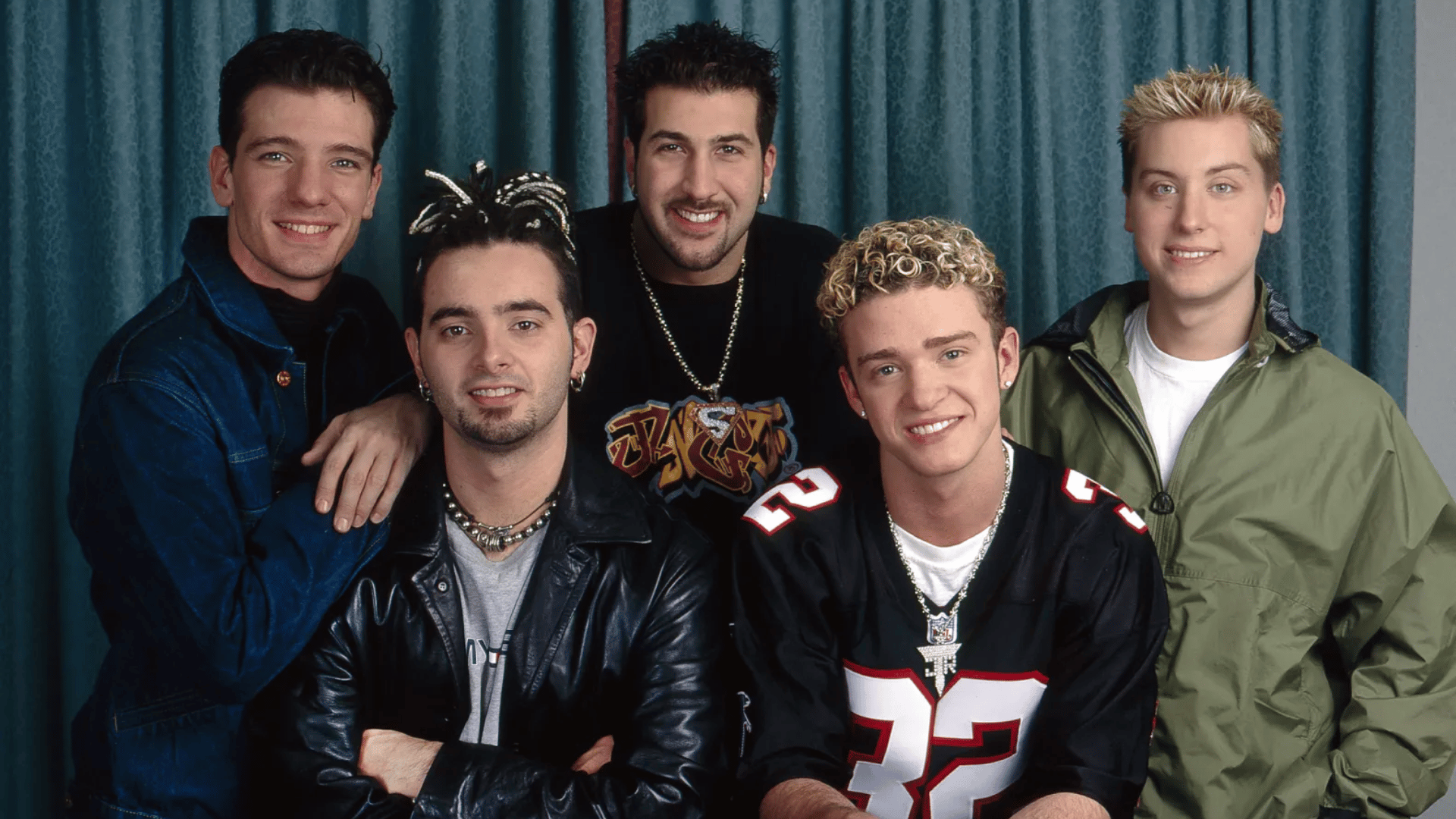
NSYNC quietly faded after Justin Timberlake launched his solo career in 2002, shifting the group’s momentum. No official breakup was ever announced.
The members briefly reunited at the 2023 VMAs, reigniting fan excitement, though no new music followed.
3. Destiny’s Child

Beyoncé, Kelly Rowland, and Michelle Williams officially disbanded in 2005 after years of lineup changes.
All three built strong solo careers, with Beyoncé becoming a global icon. Their R&B and pop legacy continues to influence female artists across generations.
4. Fifth Harmony

Fifth Harmony saw Camila Cabello exit in 2016, reshaping the group’s dynamic.
The remaining four members announced an indefinite hiatus in 2018, each pursuing solo careers. Online search interest in the group remains high, showing their fanbase never truly moved on.
Common Reasons Famous Bands Break Up
- Creative Differences: Band members may want different sounds, songs, or career paths that no longer align with one another.
- Personal Conflict: Years of close contact can turn small tensions into major falling-outs between members.
- Solo Careers: A lead singer or songwriter may feel ready to step out and make music on their own.
- Burnout From Touring: Constant travel, pressure, and public attention can wear even the most passionate musicians down.
- Money and Business Problems: Disputes over contracts, royalties, or management can quietly erode trust between band members.
- Death or Health Issues: Some bands end not by choice, but after losing a key member to death or illness.
In the End: The Music Lives On
Every band that broke up left something behind: songs, memories, and a place in music history that cannot be taken away.
From The Beatles to One Direction, the reasons for splitting vary, but the impact remains the same.
Breakups are rarely simple, and the stories behind them are often just as compelling as the music itself.
These bands may be gone, but their influence on rock, pop, and beyond continues to shape the artists we listen to today.