At 54, freshly divorced and ready to try dating again, I did what most people do – I downloaded Tinder. Three months of swiping with mismatched photos, conflicting goals, and fake profiles made me very disappointed. The same thing was with Bumble, Hinge, and Badoo. Different interfaces, but similar frustration.
I wasn’t angry at dating itself. I was upset that these apps were designed for people in their 20s, neglecting the needs of modern elders while still luring them.
Then my sister, also divorced and also fed up, mentioned Sequel over coffee. “It’s for people over 50,” she said. “Real conversations with like-minded people.” My skeptical reaction was instant, but she was so convincing that I decided to try it.
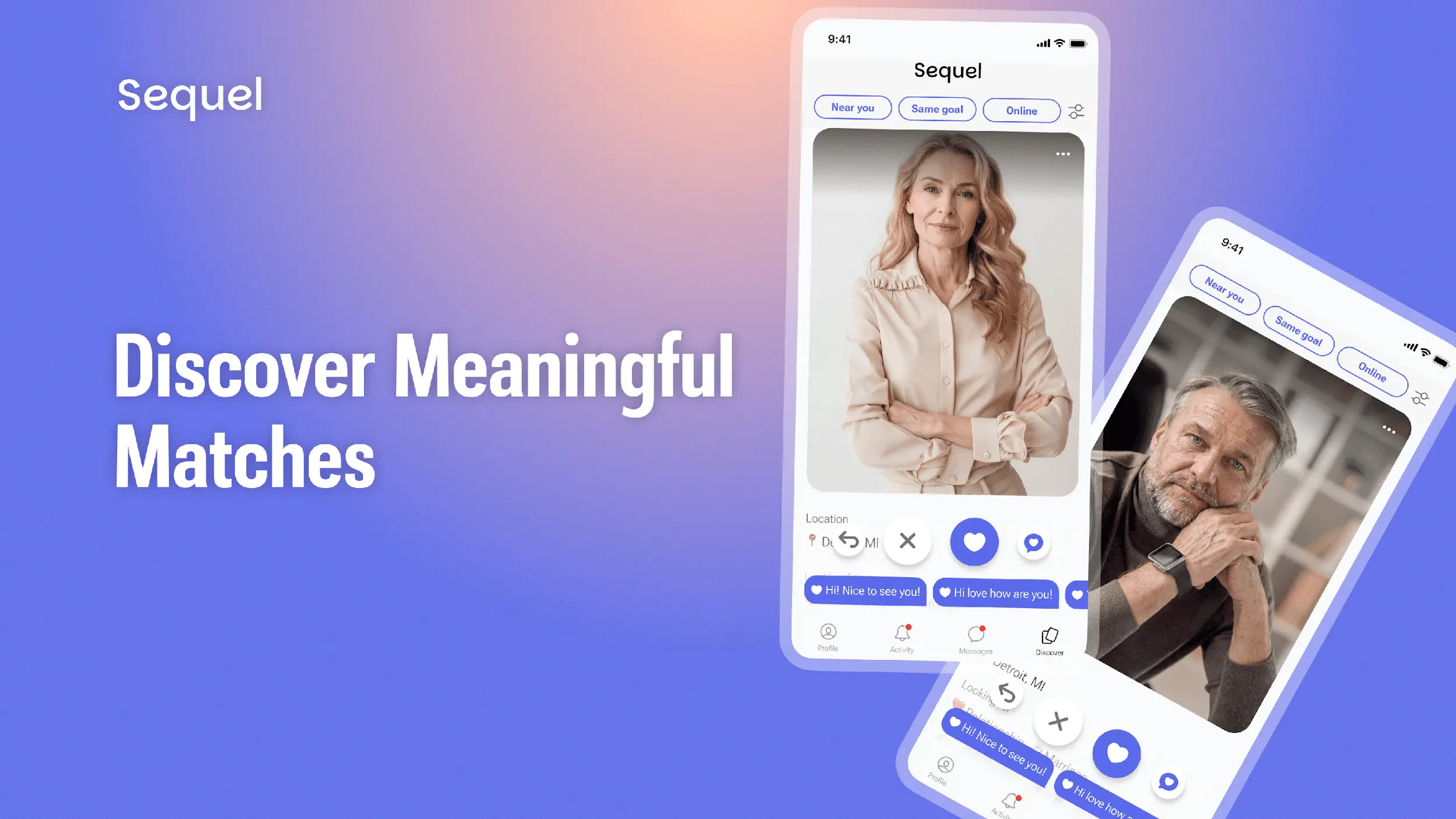
I signed up one Tuesday evening. The profile questions were actually thoughtful. I needed to specify my values, goals, and what I was looking for. And when I opened the feed, I noticed that profiles also looked different. They were deeper and more mature than on other apps.
After spending some time on Sequel, comparing it to everything else I’d tried, my opinion shifted completely. If you’re frustrated with mainstream dating apps and wondering if Sequel is worth your time, I’d like to share my opinion on why it is.
The Problem with “One-Size-Fits-All” Dating Platforms
Nobody says out loud that mainstream dating apps weren’t built for the 50+ community. They were created for people half our age, and it shows in the whole approach to dating.
You open Tinder or Bumble and get a swipe factory. Users typically spend 5 seconds per person and move on. Quite often, they are looking for a partner for the weekend, not thinking about who they want to spend the next 10 years with. After a couple of weeks, everyone blurs together. It’s like shopping, except worse.
Then, there are safety issues that everyone knows about. You match with someone, and their photos look nothing like them in person. You spend three days messaging with a person who suddenly asks you for money in week two. You flag a profile you’re pretty sure is a scammer, and nothing happens. The app doesn’t care.
Most dating apps simply can’t keep up with the volume of scammers. Their algorithms and moderation systems aren’t built to handle it. And some go even further, running shady business models where fake profiles are controlled by the platform itself. It’s not a flaw in the system. It is the system.
At this point in our lives, we don’t have time for this garbage. We are not figuring ourselves out. We clearly know whether we are looking for marriage, companionship, or whatever. We know our values matter, and getting scammed isn’t funny.
The algorithm itself is rigged. Even when you tell it your age range, it still pushes younger profiles ahead of you. Are you 55+? You’re basically invisible compared to some 28-year-old who just joined last week. It’s not an accident.
You deserve better alternatives to Tinder for over 50. You truly do!
Sequel App vs Traditional Dating Apps
I have tried many dating apps myself, as well as talked to my sister, friends, and people I know over 50 who’ve done the same thing. So, here’s what I’ve found truly works and what causes frustration when you’re trying to date seriously at this stage.

Sequel isn’t just Tinder slapped with a “50+” label. They built this app from the ground up for the second act generation, and it shows the moment you open it.
The profiles actually have substance. You get candid answers about values, favorite movies, and travel dreams. These are proper conversation starters you can use instead of just looking at photos.
The filtering is genuinely useful. You set your preferences once (age, height, education, values, lifestyle, fitness, family plans, and religion), and the system remembers it for future suggestions. The goal matching is very helpful. You pick whether you want marriage, a long-term relationship, companionship, friendship, or just exploring. Then you only see people after the same thing. Using Sequel, you don’t waste time on someone hunting for casual hookups when you’re ready for commitment.
The algorithm learns who clicks with you based on your preferences, not just whoever’s newest or hottest. And safety is on point here. Profiles get scanned by AI first and may be checked by real humans if needed. Human-verified profiles get a badge.
You can even send a message along with your like before matching. It is a small but smart move that makes your profile stand out and seriously reduces the chances of being skipped.
Tinder – Swipe-Dating Machine

Swipe, swipe, match, message – then ghost. That is how most connections on Tinder happen. You’re up against everyone, including people half your age, and the algorithm knows it.
What I dislike:
Newer accounts and younger users get top billing, so you’ll be spinning your wheels looking at the same 30 profiles on repeat. People are swiping faster than they’re reading bios. Conversations are random because they are random. On top of that, ads are constantly interrupting the experience. As for safety, you can forget about it. Fake photos and scammers are rampant, and the verification thing is optional. Plus, you may match with someone looking for a hookup while you’re thinking of marriage.
Bumble – Better UX but Similar Problems

It tries to be better, offering a cleaner interface and a woman’s message-first approach, but it’s just Tinder with a fresh coat of paint.
What I dislike:
You still get the youth bias, shallow profiles, weak verification, and people window-shopping instead of connecting. That women-first rule sounds good on paper, but it doesn’t fix the problem of goal misalignment and lack of depth. Most conversations just fizzle out because there’s nothing to actually build on. So, no wonder that alternatives to Bumble for over 50 appear more and more often in search results.
Hinge Talks a Big Game

It has more substance than Tinder. You get accurate prompts, conversation starters, and deeper profiles. But despite all that talk about relationships, Hinge still uses an algorithm that favors younger users and doesn’t help you match on what matters.
What I dislike:
The user base skews young, and the app still rewards mindless swiping over real thinking. You end up having slightly better chats with the same fundamental problems. It is so discouraging. I wanted to talk to someone my age about truly meaningful things, but received another leading-nowhere conversation.
Badoo Is the Wild West

Over 100 million users, been around forever, but it is so messy. I couldn’t imagine that a dating app could be so unfiltered.
What I dislike:
The interface looks like it hasn’t been updated since 2009. With that many people comes zero quality control. There are fake profiles everywhere and scammers running amok. There’s no goal matching, so you’re wading through a sea of people looking for completely different things. Instead of narrowing down to proper matches, you’re drowning in options. It’s exhausting. More users don’t mean better odds.
Why the Second Act Generation Is Switching to Sequel
After 50, you’ve earned the right to be done with games. Endless scrolling is exhausting when you clearly know that you want marriage, companionship, or just someone to grab coffee with. Why should we be lumped together with everyone else searching for something completely different?
Safety is another aspect people consider when comparing the Sequel app vs traditional dating apps. A scam at our age can genuinely damage your finances and trust. We need verification that means something and works properly.
And let’s be honest – mainstream apps have built-in ageism. Their algorithms practically invisibilize us. A 58-year-old shouldn’t get buried behind 25-year-olds. I think it is a terrible design flaw that mature alternatives to Bumble for over 50 are addressing.
I was pleasantly surprised by Sequel. Nobody’s pushing desperation or playing on your fears. Besides, you don’t need to lie about your age just to get matches. The vibe is respectful: “You know who you are. Let’s connect you with your people.”
The Bottom Line
Sure, Sequel isn’t perfect. It is rather new, and the user base keeps growing. But, if you’re over 50, serious about meeting someone, and sick and tired of mainstream app games, the Sequel app is a solid option.
Comparing it to Tinder or Bumble doesn’t really make sense. Those are built for a whole different crowd. Sequel is created with the needs of modern elders in mind.
Want more control, faster conversations without waiting for matches, and credible profiles? Sequel
People our age are wising up. We’re moving to platforms that respect our time and safety. Sequel’s leading that charge.