I still remember the first time I heard No Woman, No Cry, it felt like Bob Marley was speaking directly to the soul. But when I learnt about Bob Marley cause of death, it added a whole new layer of emotion to his legacy.
But behind the music, there was a story that most people don’t fully know, a quiet, painful battle that ended one of the greatest lives in music history far too soon.
How did a man so full of life, energy, and purpose die at just 36 years old? The answer is both shocking and heartbreaking. I’ll take you through the full story, from the very first warning sign to his final days.
Who was Bob Marley?
Bob Marley was a Jamaican singer, songwriter, and musician born on February 6, 1945, in Nine Mile, Saint Ann Parish, Jamaica.
He is widely considered the king of reggae music and one of the most influential artists of the 20th century. Songs like No Woman, No Cry, Redemption Song, and One Love made him a global icon.
Beyond music, Marley was a symbol of peace, resistance, and Rastafarian faith. He used his voice to speak up for the poor and the oppressed. Sadly, his life was cut short at just 36 years old.
Despite his death in 1981, his music and message continue to inspire millions of people around the world every day.
What Exactly is Acral Lentiginous Melanoma (ALM)?
Acral lentiginous melanoma (ALM) is a rare type of skin cancer that grows in areas most people never think to check, such as under the nails, on the palms of the hands, or on the soles of the feet.
Unlike common melanoma, it is not related to sun exposure. That’s what makes it so sneaky. It doesn’t show up in obvious sun-exposed areas, so people miss it for months or even years.
ALM can affect anyone, regardless of skin tone or background. But it is more commonly diagnosed in people of African, Asian, and Hispanic descent. Early detection is the only real advantage you have against it.
How Bob Marley’s Cancer Started
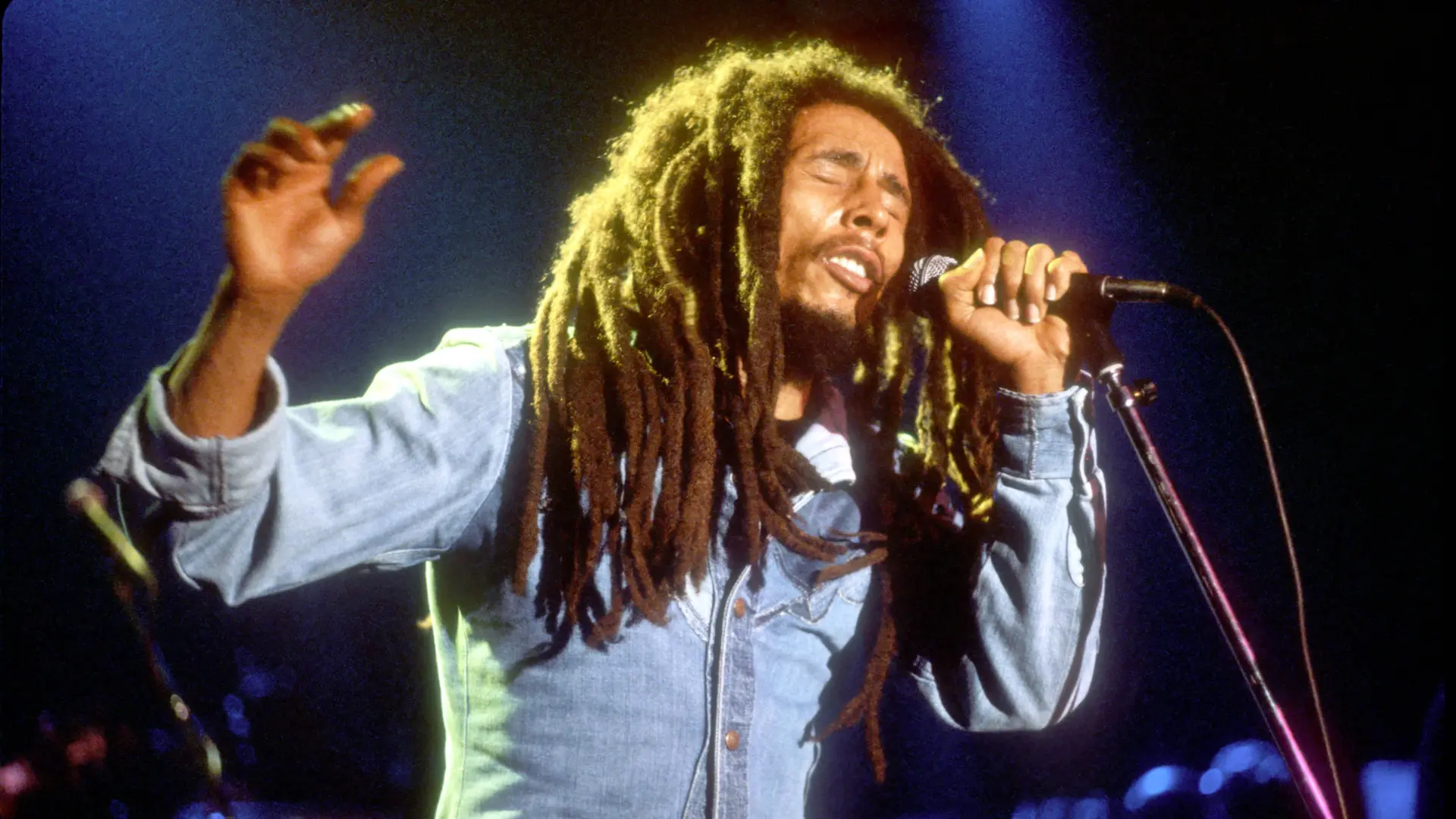
In 1977, Bob Marley noticed a dark spot under his right big toenail. He brushed it off as a soccer injury, something completely believable for someone who loved the sport.
But the first doctor he saw also failed to identify it correctly, and that misdiagnosis cost precious time. When it was finally identified as acral lentiginous melanoma, doctors recommended amputating the toe to stop the spread.
Marley refused. His Rastafarian faith taught that the body should remain whole. Instead, he chose a less aggressive surgery to remove the nail bed.
That decision, while deeply personal, allowed the cancer to quietly grow and spread. It was a turning point that would ultimately cost him his life.
How the Cancer Spread Through Bob Marley’s Body
After the limited surgery in 1977, the cancer did not stop; it spread. Acral lentiginous melanoma is aggressive and, if not completely removed, can spread quickly.
Over the next few years, the melanoma metastasized from his toe to some of the most vital parts of his body, his brain, lungs, and liver. This is what made his condition terminal.
Once melanoma reaches these organs, treatment becomes extremely difficult. Marley’s health began visibly declining by 1980.
He collapsed while jogging in Central Park, New York, in September of that year, a sign of just how far the cancer had progressed. His body, once full of energy and life, was quietly shutting down.
Bob Marley’s Final Days and Death
After collapsing in New York, Marley received treatment at Memorial Sloan-Kettering Cancer Center, one of the world’s top cancer hospitals. Doctors did everything they could, but the cancer had spread too far.
He then traveled to Bavaria, Germany, to receive alternative treatment at Dr. Josef Issels’ clinic, which was known for unconventional cancer therapies.
He spent several months there, hoping for a miracle. By May 1981, it was clear nothing was working. Marley boarded a flight to return home to Jamaica, a final wish he never got to fulfill. He passed away on May 11, 1981, in Miami, Florida, at just 36 years old. Jamaica honored him with a state funeral fit for a national hero.
Bob Marley’s Legacy After His Death
Bob Marley may have left this world at 36, but his impact never did. His music, rooted in love, resistance, and Rastafarian faith, continues to move millions of people across cultures and continents.
Songs like One Love and Redemption Song are as powerful today as they were in the 1970s. Beyond music, his battle with melanoma opened a critical conversation about skin cancer in people of color, a community that is often diagnosed too late.
His children, including Ziggy and Damian Marley, have carried his musical and cultural torch forward with pride. Bob Marley didn’t just leave behind songs; he left behind a movement that still breathes.
Key Warning Signs of ALM to Watch For
Bob Marley’s story is a powerful reminder that knowing the warning signs of ALM could save your life. Here is what to look out for:
- Dark streaks or spots under the nails: A brown or black streak running along the nail that doesn’t go away after an injury should never be ignored.
- Unusual spots on the soles of your feet: Flat, irregularly shaped dark patches on the bottom of your feet are a key warning sign of ALM.
- Spots on the palms of your hands: Dark or discolored patches that appear without explanation require immediate medical attention.
- A spot that changes over time: Any mark that grows, changes color, or changes shape needs to be checked by a doctor right away.
- Delayed healing in an unusual area: A sore or lesion under a nail or on the foot that simply won’t heal can be an early sign of ALM.
Don’t wait for pain; ALM rarely hurts in its early stages. If you notice any of these signs, see a dermatologist immediately.
Final Thoughts
Bob Marley’s story is one of the most heartbreaking medical tragedies in music history. A tiny dark spot under a toenail, something so easy to overlook, took one of the most iconic voices of our generation.
Bob Marley cause of deathalso reminds us that skin cancer doesn’t discriminate; it can affect anyone, regardless of skin tone. The biggest lesson here is simple: don’t ignore changes in your body, no matter how small they seem.
If Bob Marley’s story moves you the way it moves me, share this blog with someone you care about. And if you haven’t had a skin check recently, please book one today. It could save your life.