
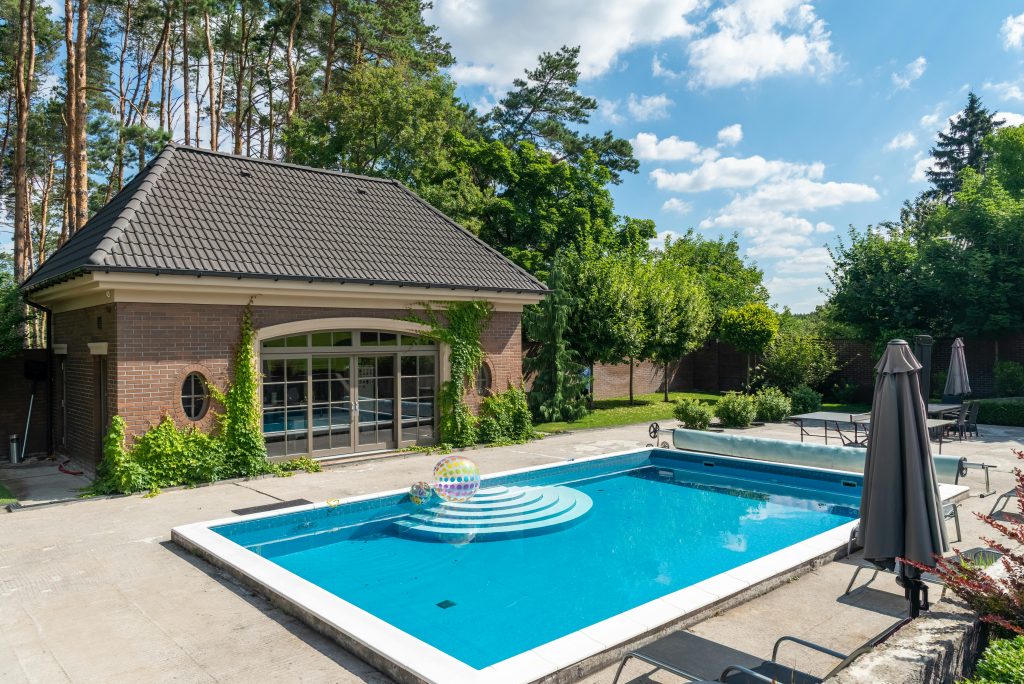
A backyard pool brings comfort, recreation, and actual value to a property. Keeping it in excellent shape, though, comes with costs that surprise many homeowners. Pumps wear out, heaters quit working, and filtration systems can fail with little notice. Too often, families assume their standard home warranty handles pool equipment, only to find coverage gaps right when a repair bill arrives. Getting familiar with what pool protection actually includes makes it easier to budget and sidestep unpleasant surprises once summer hits.
How Pool Coverage Works Under a Home Warranty
Pool and spa equipment almost always falls under an optional add-on with home warranty providers. The base plan rarely includes it. Homeowners pay a separate monthly or annual premium to bring pool components into the agreement. Once that add-on is active, it operates the same way as the rest of the warranty. Each time a technician comes out to assess a problem, a service call fee applies.
Payout structures differ from one provider to the next. Some set a firm annual cap on pool-related claims, while others lump pool and spa repairs together under a shared limit. It pays to read the fine print before committing. A swimming pool home warranty can take the sting out of large repair bills, but only when the selected plan actually matches the equipment sitting on the property.
Components Commonly Covered
Pumps and Motors
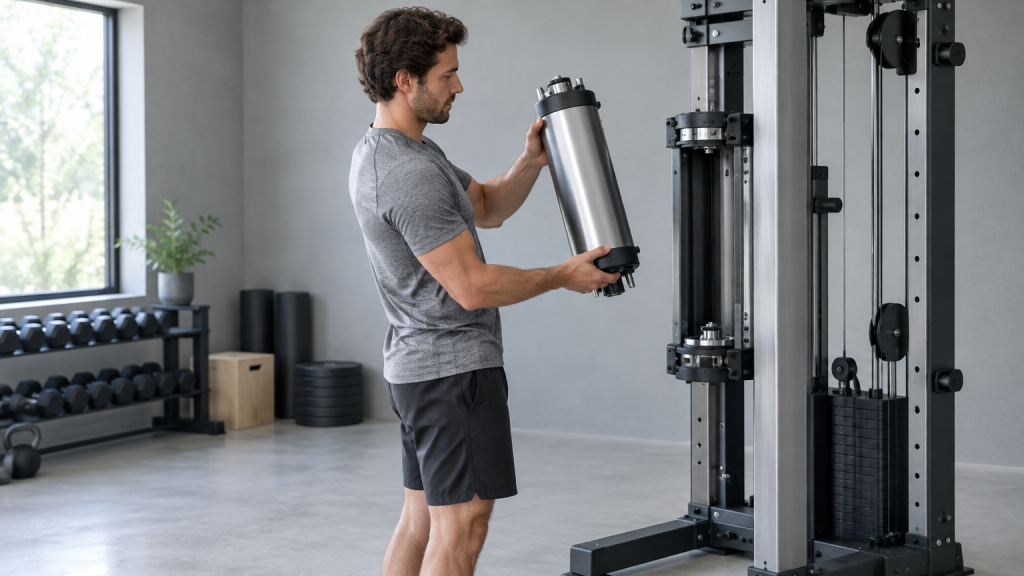
The circulation pump is the backbone of any pool system. It pushes water through the filter, heater, and sanitizer continuously. Because these pumps log hours of daily use, motor burnout happens more often than most owners expect. Nearly all warranty add-ons cover the main circulation pump and its motor, including both electrical and mechanical failures from normal wear.
Filtration Systems
Filters handle the critical job of pulling debris and contaminants from pool water. Whether the setup relies on sand, cartridge, or diatomaceous earth media, the filtration assembly generally experiences breakdowns. Internal valves, filter housings, and timer mechanisms usually receive the same protection.
Heating Equipment
Gas heaters, heat pumps, and electric units keep water at a comfortable temperature during cooler stretches of the year. These are among the priciest pool components to repair or swap out. A warranty plan that includes heater protection can save homeowners several hundred, or even a few thousand dollars, on a single claim.
Above-Ground Plumbing and Electrical
Exposed pipes, accessible shut-off valves, and above-ground wiring running between pool equipment often qualify for coverage. Leaks from corroded plumbing joints and faulty wiring that triggers equipment shutdowns rank among the more common claims in this category.
What Pool Warranties Typically Exclude
Certain components and situations sit outside the coverage boundary. Most agreements exclude structural elements like the pool shell, tile work, liners, and surrounding decking. Cosmetic issues, cracks from soil shifting, and surface staining due to chemical imbalance also fall outside the plan.
Below-ground plumbing is another frequent exclusion. Buried pipes require excavation to access, and most providers classify that type of work as beyond standard terms. Solar heating panels, waterfall features, lighting fixtures, and automation systems may also remain uncovered unless a premium tier is available.
Pre-existing problems are worth noting here as well. If a piece of equipment was already failing before the warranty took effect, any claim on that item will likely get denied. Holding on to inspection reports and maintenance records helps prove that covered components were functioning properly at the time of enrollment.
Tips for Getting the Most Out of Pool Coverage
Schedule Regular Maintenance
Most warranty providers expect proof that you have properly maintained the equipment. Systems with clogged filters, corroded fittings, or neglected chemical balance can give a provider grounds to reject a claim. Keeping a file of maintenance logs and service receipts strengthens any future request.
Read the Coverage Agreement Carefully
No two providers define their terms the same way. One company might include salt-chlorine generators in the plan while another leaves them out entirely. Placing agreements side by side before purchasing ensures the coverage fits the exact pool setup at a given property.
Report Issues Promptly
Sitting on a known malfunction only makes the damage worse and creates headaches during the claims process. Filing a service request as soon as something seems off gives technicians a better shot at a repair instead of a full replacement, which also helps keep costs within the plan’s limits.
Choosing the Right Add-On Plan
Pool setups vary widely in age, brand, and complexity. A basic add-on might be perfectly adequate for a simple above-ground pool with one pump and a filter. Larger in-ground installations with heaters, chlorinators, and automated controls call for a more comprehensive tier. Asking providers for an itemized list of covered components, payout caps, and exclusions prevents confusion later.
Equipment age matters in this decision too. Older systems tend to need attention more frequently, which makes warranty coverage a sensible financial cushion. Newer installations still under a manufacturer warranty may not need that extra layer of protection right away.
Conclusion
Pool coverage through a home warranty acts as a practical buffer against costly, unexpected repairs. It generally protects the essential mechanical and electrical pieces, equipment like pumps, filters, and heaters, while leaving structural and cosmetic elements outside the agreement. Picking the right plan calls for a careful review of what each provider covers, the claim limits that apply, and any maintenance obligations attached to the contract. With the right protection in place, families can make the most of their pool without bracing for the next big repair bill.