
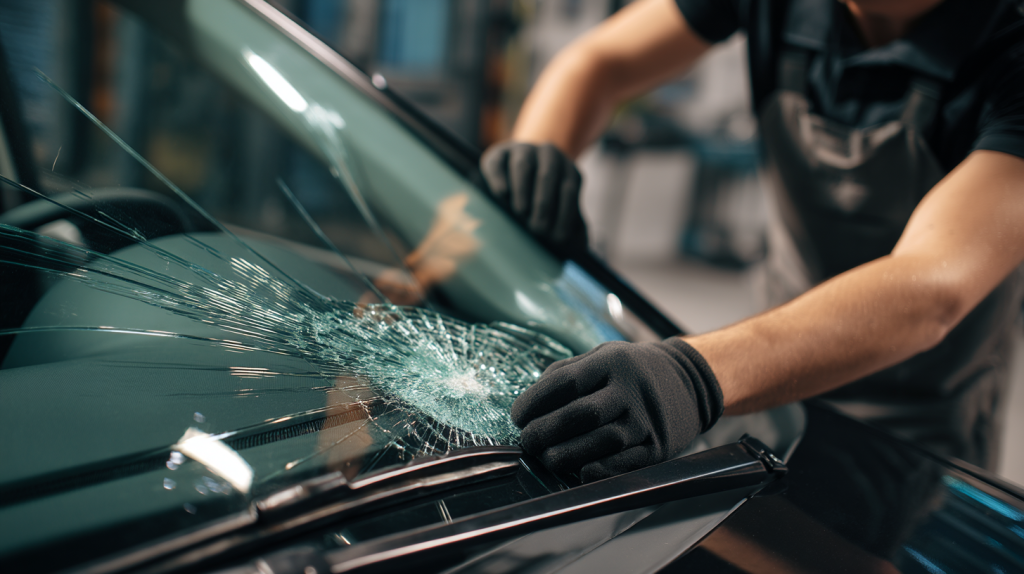
A windshield does far more than block wind and debris. It plays a critical role in your vehicle’s structural integrity, supports proper airbag deployment, and ensures clear visibility on the road. When it becomes cracked or damaged, replacing it isn’t just about aesthetics. It’s about safety.
If you’ve been searching for how to replace a windshield, you’re likely weighing your options between doing it yourself and hiring a professional. This guide walks you through the full process while helping you understand where things can get complicated and when expert help may be the smarter choice.
When Does a Windshield Need to Be Replaced?
Not every crack means you need a full replacement. In some cases, a repair is enough. However, knowing the difference is essential.
Repair vs Replacement
Small chips or cracks shorter than a few inches can often be repaired, especially if they’re not in the driver’s direct line of sight. But when damage spreads, reaches the edges, or obstructs visibility, replacement becomes necessary.
Cracks near the edge of the windshield are particularly serious because they weaken the structural bond between the glass and the vehicle frame.
Safety Risks of Waiting
Delaying replacement can lead to bigger issues. A compromised windshield reduces the vehicle’s ability to withstand impact during a collision. It can also interfere with proper airbag deployment, as the windshield often acts as a backstop.
Even minor cracks can expand quickly due to temperature changes or road vibrations, turning a manageable issue into a full replacement overnight.
Tools and Materials Needed for Windshield Replacement
Replacing a windshield requires more than just a new piece of glass. The tools and materials involved are specialized and must be used correctly.
Essential Tools
- Glass suction cups for safe handling
- Cold knife or windshield removal tool
- Utility knife
- Caulking gun for adhesive application
Safety Equipment
- Heavy-duty gloves
- Safety glasses
Why Materials Matter
The adhesive used, typically urethane, is critical. It bonds the windshield to the frame and ensures structural integrity. Using low-quality adhesive or applying it incorrectly can lead to leaks, wind noise, or even windshield detachment in extreme cases.
Step-by-Step Process: How to Replace a Windshield
While the process may seem straightforward, each step requires precision.
Step 1: Remove Trim and Molding
Carefully remove any exterior trim or molding around the windshield. This exposes the edges and allows access to the adhesive holding the glass in place.
Step 2: Cut Through the Adhesive
Using a cold knife or specialized tool, cut through the urethane adhesive that bonds the windshield to the frame. This step must be done carefully to avoid damaging the vehicle’s paint or metal.
Step 3: Remove the Damaged Windshield
With the adhesive cut, use suction cups to lift the windshield out of place. This should be done slowly and evenly to prevent breakage or injury.
Step 4: Prepare the Frame
Remove any remaining adhesive and clean the bonding surface thoroughly. The surface must be smooth and free of debris to ensure a proper seal.
Step 5: Apply New Adhesive
Apply a consistent bead of urethane adhesive around the frame. Uneven application can lead to gaps or weak bonding.
Step 6: Install the New Windshield
Carefully position the new windshield and press it into place. Proper alignment is crucial, especially for vehicles with sensors or cameras.
Step 7: Allow Proper Curing Time
The adhesive needs time to cure before the vehicle can be safely driven. This can vary depending on the product used but is typically several hours.
Common Mistakes to Avoid
Windshield replacement is one of those tasks where small errors can lead to major problems.
- Applying adhesive unevenly, causing leaks
- Misaligning the windshield, leading to wind noise or sensor issues
- Driving too soon before the adhesive cures
- Damaging the vehicle frame, which can lead to rust over time
These mistakes are common in DIY attempts and often result in needing professional correction.
Why Modern Windshield Replacement Is More Complex
Today’s vehicles are significantly more advanced than those from even a decade ago. This has made windshield replacement more technical.
Advanced Driver Assistance Systems (ADAS)
Many modern windshields house sensors for features like lane departure warnings, adaptive cruise control, and collision detection. After replacement, these systems often require recalibration.
Precision Matters
Even slight misalignment can affect how these systems function. A windshield that’s off by a few millimeters can compromise safety features without the driver realizing it.
Increased Risk with DIY
Because of these advancements, what used to be a relatively straightforward process now involves electronic calibration and exact positioning. This is one of the main reasons DIY replacement has become less practical for newer vehicles.
DIY vs Professional Windshield Replacement
Understanding when you can realistically do it yourself and when you shouldn’t is key.
When DIY Might Work
If you have an older vehicle without sensors or advanced electronics, and you’re comfortable working with automotive tools, a DIY replacement might be possible.
When to Call a Professional
For newer vehicles, large cracks, or any damage affecting structural integrity, professional service is the safer option. Proper installation ensures that the windshield performs as intended in the event of an accident.
For vehicle owners who want the job done safely and correctly the first time, working with an experienced shop like Relux Collision can help ensure proper installation, sealing, and long-term durability.
What to Expect from a Professional Windshield Replacement
Professional auto body shops provide more than just installation. They offer a complete process designed to ensure safety and performance.
Inspection and Assessment
Technicians evaluate the damage and determine whether repair or replacement is the best option.
Proper Glass Selection
Professionals use high-quality glass that meets or exceeds OEM standards, ensuring proper fit and performance.
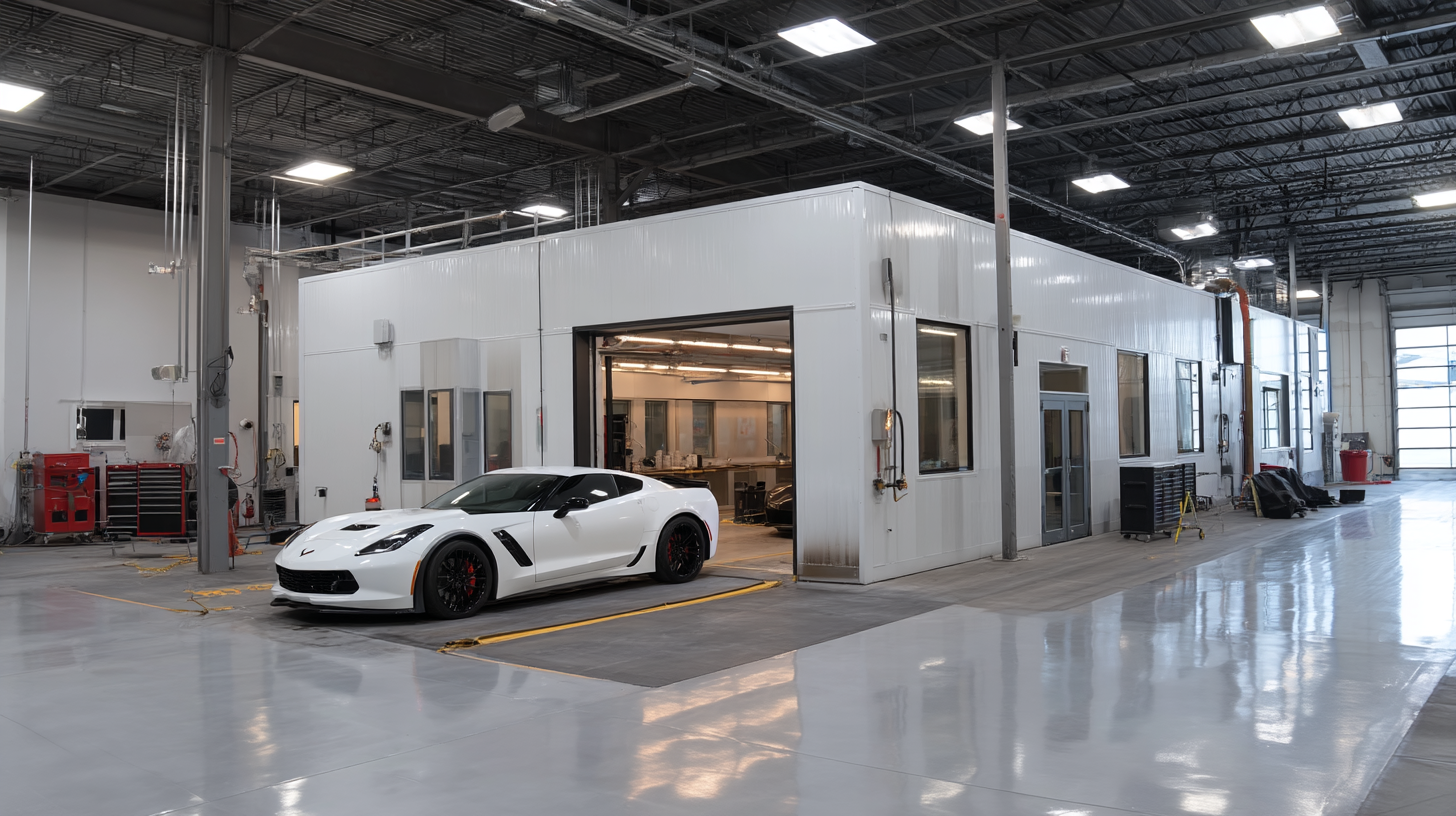
Expert Installation
The adhesive is applied precisely, and the windshield is installed with exact alignment to avoid future issues.
Calibration and Safety Checks
For vehicles with ADAS, recalibration ensures all systems function correctly after installation.
A trusted provider such as Relux Collision offers full-service solutions, including precise installation and post-replacement safety checks that many DIY approaches can’t match.
Final Thoughts
Replacing a windshield involves much more than removing and installing glass. It’s a process that directly impacts your vehicle’s safety, structural integrity, and overall driving experience.
While it’s possible to replace a windshield yourself in certain situations, modern vehicles have raised the stakes. Understanding the process helps you make an informed decision, whether you take the DIY route or rely on professionals.
In the end, the goal is simple: a properly installed windshield that keeps you safe on the road.