
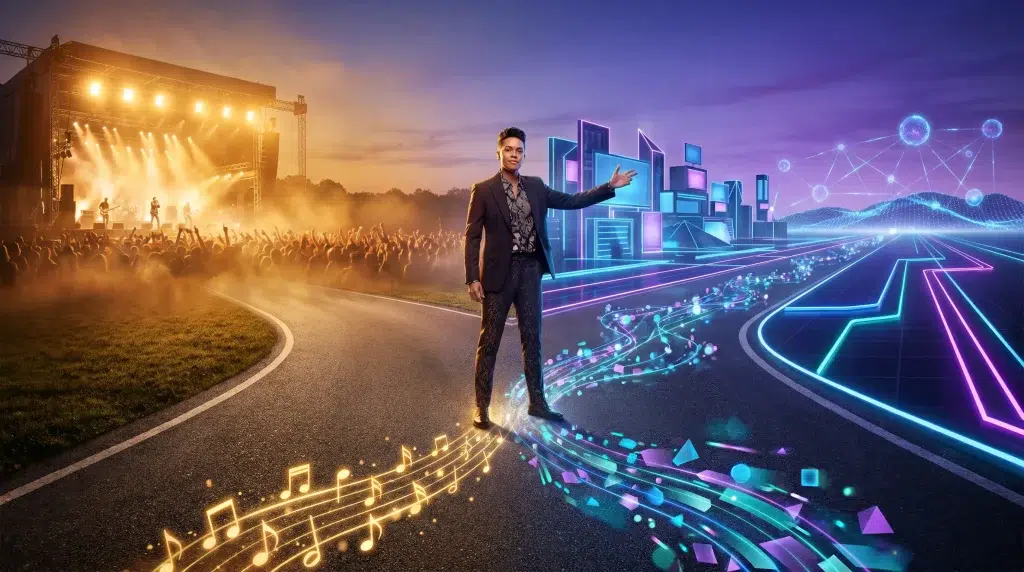
The music industry has never been a simple place to build long-term financial stability. Even artists with multiple chart hits understand that streams, touring revenue, and merchandise sales can fluctuate sharply from year to year. A sold-out tour can follow a quiet stretch with no major releases. A streaming hit generates fractions of a cent per play. Over time, the artists who stay financially secure are almost always the ones who stopped treating music as their only income source.
Online entertainment has become one of the most attractive areas for artists to put their name and money behind. The barriers to entry have dropped significantly thanks to ready-made technology — including the turnkey online casino model, where an operator can launch a fully functional branded gaming platform without building the underlying software from scratch. For a high-profile artist with an existing audience, attaching their brand to a platform that is already built and tested is a far more realistic path than attempting to develop proprietary technology.
This article looks at why musicians are moving into online entertainment, what specific ventures are drawing the most attention, how artists are using their audiences to fuel these businesses, and what to realistically expect from this kind of income diversification.

Why Artists Are Looking Beyond Music Revenue
The economics of the modern music industry push artists toward diversification almost by design. Recorded music used to generate significant per-unit revenue through physical sales. That revenue model has largely been replaced by streaming, which distributes money in much smaller amounts across a much larger volume of plays. Artists who were financially comfortable in the era of album sales have had to rethink their approach.
Touring solved some of that problem for a while. Live performance revenue grew steadily as recorded music declined, and for artists with large fanbases, tours became the primary income driver. The problem is that touring is physically demanding, expensive to operate, and dependent on factors — health, venue availability, global events — that the artist cannot always control.
The Search for Passive and Semi-Passive Income
What most working musicians are looking for is income that does not require them to be on a stage or in a studio every month to earn it. Equity stakes in businesses, royalties from brand licensing, and revenue shares from digital platforms all offer varying degrees of this. The appeal of online entertainment ventures is that once the platform or product is established, it can continue generating revenue without the artist’s daily involvement.
This does not mean passive income in the literal sense — any business venture requires attention, promotion, and occasional decision-making. What it does mean is that the income is decoupled from the physical act of performing, which gives artists more flexibility and reduces the financial pressure to tour constantly.
Online Gaming and iGaming Platforms
Of all the online entertainment sectors attracting musician investment and partnership, iGaming has grown particularly fast. The global online gaming and gambling market has expanded steadily over the past decade, and the audience for it overlaps meaningfully with entertainment consumers in general — people who are comfortable spending money on digital experiences and who already engage with celebrity culture.
For artists, the path into this sector typically looks like one of three things: a formal equity investment in an existing platform, a paid brand partnership where the artist’s name and image are used in marketing, or ownership of an independently operated branded platform. That third option has become more accessible because of how the technology has developed.
How Ready-Made Platforms Lower the Entry Barrier
A few years ago, launching a branded gaming platform required building or commissioning the core software, negotiating content agreements with game providers, building payment processing connections, and setting up customer support infrastructure. This was realistically only feasible for large companies with significant capital.
The availability of fully built platform technology changed that. An artist or their management company can now work with a platform provider that handles the back-end — game content, payment systems, player management, and technical upkeep — while the artist contributes branding, audience reach, and promotional involvement. The same basic model has been used in other product categories for years. Celebrity tequila, fragrance lines, and clothing collections all work on a similar principle: the artist brings audience trust and attention; a specialist business partner brings production and operational know-how.
Music and Streaming Platforms
While iGaming gets a lot of attention, artist-backed music streaming and content platforms represent another significant category. The frustration many musicians feel with how major streaming services compensate artists has motivated some to look at alternative models where creators keep a larger share of revenue.
Fan subscription platforms have grown considerably. These allow artists to charge a monthly fee for exclusive content — recordings, behind-the-scenes videos, early access to tickets, live Q&A sessions, and similar material. The income is predictable month to month, which makes it useful for financial planning, and it strengthens the relationship between artist and audience.
What Fan Subscription Models Look Like in Practice
Here is how most artist-run subscription platforms are structured:
- A free tier with basic access to public content, acting as a funnel to paid tiers
- A mid-level paid tier offering exclusive audio or video content, typically released on a set schedule
- A premium tier with personal interactions — video calls, signed merchandise, or invitation to private events
- Revenue split models that give a portion of subscription income directly to the artist, with the platform taking a percentage for hosting and tools
The key difference from conventional streaming is that the artist owns the relationship with the subscriber. Subscriber data, communication, and renewal decisions all happen within the artist’s platform rather than a third-party service.
Social Media, Content, and Creator Economy Ventures
Artist diversification is not always about formal business ownership. A growing number of musicians treat their social media presence as a business in its own right, generating revenue through a mix of brand sponsorships, affiliate relationships, and platform monetization programs.
YouTube’s partner program pays content creators based on ad revenue generated by their videos. Artists who upload a consistent volume of content — not just music videos, but documentary footage, vlogs, and tutorials — can build this into a meaningful secondary income stream. Short-form video platforms have introduced their own creator payment programs, though these tend to pay less per view and are more dependent on algorithm-driven distribution.
Brand Deals and Sponsored Content
Brand partnerships sit somewhere between a one-time payment and an ongoing business relationship. An artist agrees to promote a product or service to their audience in exchange for a fee or a revenue share arrangement. The better-structured deals include:
- A fixed fee for a specific number of posts or appearances
- A revenue share tied to sales generated through a unique discount code or referral link
- An equity component, giving the artist a small ownership stake in the brand alongside the promotional work
- Long-term ambassador agreements with annual renewal terms
The last two options are the most financially interesting because they give the artist upside if the brand grows. A flat fee pays once; an equity stake can appreciate over years.
Merchandise and Physical Product Lines
Merchandise has been part of artist income for decades, but the way it works has changed. The old model was tour merchandise — items sold at shows that relied on live events to move volume. The current model is direct-to-consumer e-commerce, where artists sell products year-round through their own online stores or through third-party print-on-demand and fulfillment services.
The advantage of direct e-commerce over tour merchandise is that sales are not tied to a tour calendar. An artist can release a limited product drop at any time, promote it to their existing audience, and generate revenue without needing to be on the road. Some artists treat these releases like events — announcing them with a countdown, using early access for fans who subscribe to a mailing list, and creating visible scarcity to drive demand.
Extending Into Lifestyle Products
A number of artists have extended beyond traditional merchandise into lifestyle product categories: food, drink, skincare, home goods, and apparel lines with genuine design investment rather than logo-stamped basics. These businesses operate more like independent brands that happen to have a celebrity co-founder. When structured well, they can operate at a distance from the artist’s day-to-day involvement and generate consistent revenue through retail and e-commerce channels.
The financial structure here usually involves a business partner who handles manufacturing, logistics, and retail relationships, while the artist provides brand identity, initial promotional reach, and ongoing visibility. This closely mirrors the ready-made platform model seen in iGaming — the artist brings the audience, the operational partner brings the infrastructure.
What Artists Get Right When Diversifying
Not every venture that a musician attaches their name to performs well. The ones that tend to work share a few consistent characteristics. The product or platform genuinely connects to something the artist already represents or is associated with — the partnership makes logical sense to their audience. The artist is involved enough to lend real credibility but has operational partners who run the actual business. And the business model is set up so that the artist’s financial interest grows with the platform’s success rather than being a one-time transaction.
The artists who have built the most durable secondary income through online entertainment are also typically the ones who started early, before a particular sector became crowded. Moving into a growing space while it is still relatively open allows for better positioning and better commercial terms with platform partners.
Getting diversification wrong usually comes from the opposite set of conditions: attaching the name to a product that feels disconnected from the artist’s identity, pursuing short-term fees over long-term equity, or partnering with an operational team that lacks the experience to execute. These factors matter more than the specific sector the artist chooses.
The Broader Picture for Artists Considering This Path
Musicians at almost every level of the industry are now thinking about income diversification as a standard part of managing a career, not as something reserved for artists who have already reached a certain level of fame. The tools available — from subscription platforms to ready-made gaming infrastructure to e-commerce services — are accessible enough that artists with a dedicated audience of modest size can build real secondary revenue.
The shift toward online entertainment specifically reflects where audiences spend their time and money. People already interact with digital entertainment for hours each day, and they make real purchasing decisions within those environments. For artists looking to build a financial foundation that holds up through the inevitable quiet periods in a music career, meeting audiences in these digital spaces is a practical choice with a credible track record behind it.