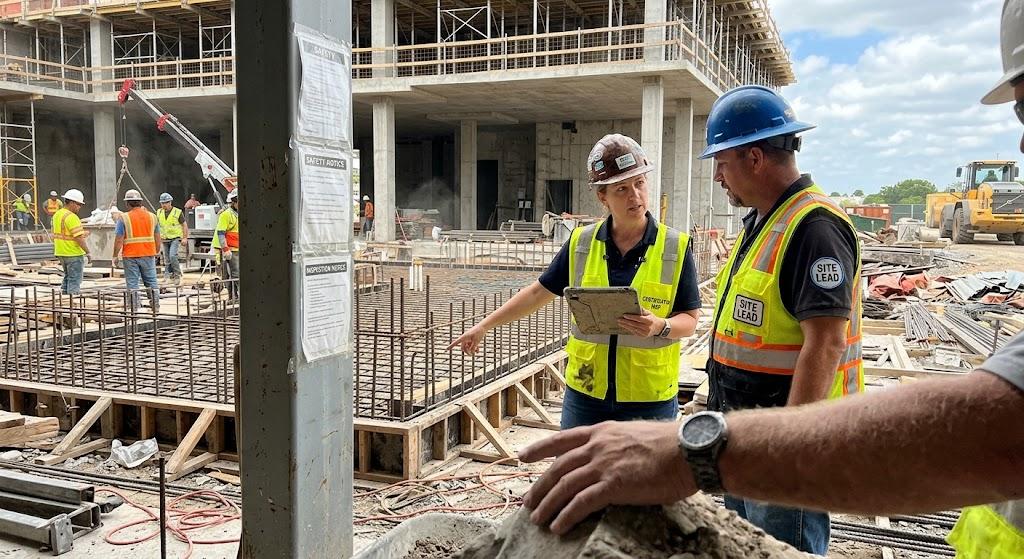


A traumatic brain injury occurs when an external force disrupts normal brain function. That force does not have to be catastrophic to cause serious, lasting damage. A rear-end collision at moderate speed, a fall from a ladder, a blow to the head at a construction site, any of these can lead to a TBI that permanently alters how a person thinks, communicates, and functions.
People who have suffered a traumatic brain injury deal with long-term consequences: memory loss, cognitive impairment, mood disorders, difficulty concentrating, and, in severe cases, the permanent inability to work or live independently.
The financial consequences follow the physical ones. Medical bills accumulate quickly. Rehabilitation is often prolonged and expensive. Many TBI survivors cannot return to the same work or any work at all. The losses compound over time, and standard insurance settlements rarely reflect that full picture.
Why TBI Claims Are Harder Than They Look
Broken bones and lacerations are straightforward to document. A TBI is not.
Standard CT scans and MRIs frequently come back normal even when a person is experiencing significant cognitive and neurological symptoms. Insurance companies know this. It is one of their primary arguments for reducing or denying claims; if the imaging does not show damage, they will suggest the symptoms are exaggerated, pre-existing, or unrelated to the accident.
This is where the legal process becomes genuinely complex. Proving a TBI claim requires more than medical records. It requires neuropsychological testing, testimony from specialists who can explain how the brain was affected, statements from family members and coworkers who have observed changes in the person’s behavior and capacity, and, in many cases, advanced imaging techniques that go beyond what a standard diagnostic scan captures.
Understanding how a traumatic brain injury lawyer in California helps with cases involving invisible injuries is critical. The difference between an attorney who understands TBI claims and one who does not often determines whether a victim receives meaningful compensation or not.
What California Law Allows You to Recover
California is a comparative fault state, which means that even if you share some responsibility for the accident that caused your injury, you may still recover compensation. Your award is reduced by your percentage of fault, but you are not barred from pursuing a claim.
In a TBI case, recoverable damages typically include:
- All medical expenses, both current and projected future costs
- Lost income during recovery and reduced earning capacity going forward
- Pain and suffering, physical and emotional
- Loss of enjoyment of life, which carries significant weight in TBI cases where daily functioning is permanently altered
- Caregiver costs if the injury requires ongoing personal assistance
California gives most personal injury victims two years from the date of the accident to file a lawsuit. That window can feel generous, but in TBI cases, it moves faster than people expect. Evidence needs to be preserved early, medical experts need time to assess and document the injury properly, and estimating the complete damage takes real preparation.
What a Specialist Brings That a General Attorney Does Not
A traumatic brain injury lawyer in California who focuses specifically on TBI cases brings something a general personal injury attorney simply cannot replicate: deep familiarity with the medical side of these claims.
They know which experts provide credible testimony. They understand how to challenge an insurance company’s argument (that a normal CT scan means no injury occurred). They know how to quantify long-term care costs in a way that holds up under scrutiny, and understand when a settlement offer falls short.
TBI cases also tend to be the ones where insurers fight the hardest, precisely because the damages can be huge. Having an attorney who has handled these disputes before, who knows what evidence matters, and how to present it, is not just an advantage. In many cases, it is what makes the difference between a fair outcome and none at all.
Final Thoughts: Do Not Wait to Get Clarity
If you or someone you love is experiencing symptoms after a head injury, like confusion, persistent headaches, memory problems, mood changes, or difficulty concentrating, do not assume it will resolve on its own. See a doctor. Document everything.
Do not wait to speak with a lawyer. The earlier qualified legal counsel is involved, the better your chances of achieving fair compensation. Evidence is preserved, the medical record is properly built, and the insurer does not get the chance to shape the narrative before you do.