Your driveway not only looks nice, but it also takes a hammering from weather, automobiles, and the passage of time. If you select the wrong material, you will find yourself dealing with stains, cracks, and expensive repairs before you realize it. The right choice, though? That’s something you’ll enjoy every time you pull in.
Today’s homeowners can choose from materials that would’ve seemed impossible twenty years ago. You’ve got everything from time-tested classics to newer options like the rubber crumb driveway – SafeStep that bring better traction and put old tires to good use. What matters most is finding something that works for your climate, matches your home, and doesn’t drain your bank account.
1. Concrete Driveways
Concrete keeps showing up in neighborhoods because it just works. You’re looking at 30+ years if you treat it right, which is hard to beat. People like that they can dress it up—smooth and simple or stamped to look like fancy stonework.
Here’s what’s nice about concrete: it bounces heat back instead of soaking it up, so walking barefoot to grab the mail in July won’t burn your feet. Maintenance? Pretty hands-off.Simply hose it down whenever it becomes dirty, apply some sealant every few years, and you’re all set. The only issue is that because it is difficult to get the color to match, concrete can develop cracks when temperatures fluctuate from freezing to warm, and the process of patching it can frequently result in the appearance of noticeable marks.
2. Asphalt Driveways
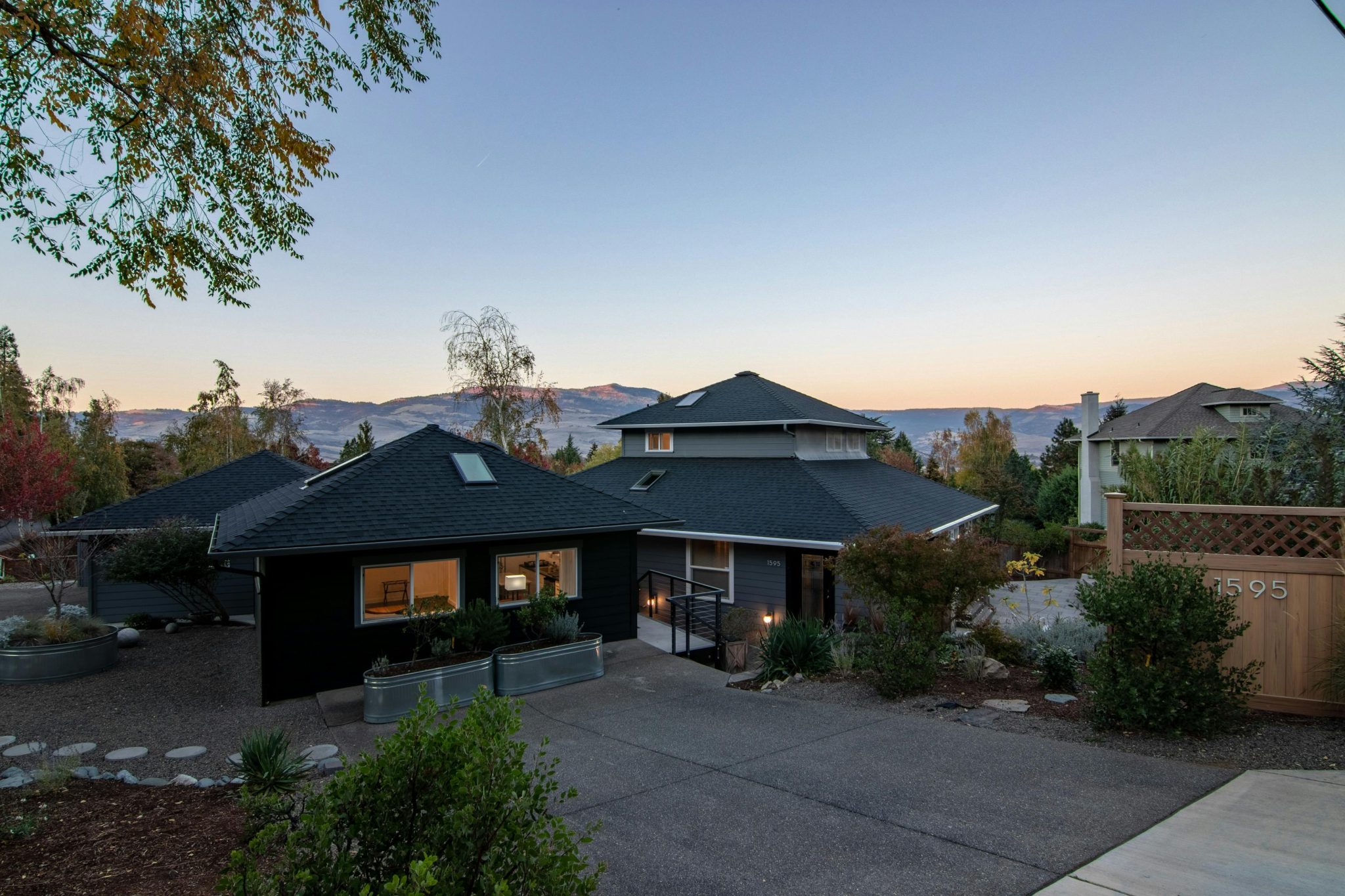
Asphalt provides that smooth, black surface that you see everywhere. Compared to concrete, it is more affordable to purchase, because it flexes rather than breaks when exposed to chilly weather. During the winter, that dark tint is really rather useful since snow and ice melt more quickly when the light shines on them.
You will need to keep up with maintenance more so than you would with concrete. The occurrence of water intrusion and the damage that results from exposure to the sun can be prevented by resealing it every three to five years. The majority of asphalt driveways have a lifespan of anything from fifteen to twenty years. Be aware that when temperatures reach a very high level, asphalt becomes softer. In the course of a heat wave, pointed objects or large trucks can leave indentations.
3. Paver Driveways
You may let your creativity run wild when you use pavers. There are more options to select from in terms of colors, forms, and patterns than you will ever be able to enumerate. No matter if you choose with concrete pavers, clay bricks, or genuine stone, you will end up with a product that is both expensive and has a personal appearance. It is possible to take it out and put in a new one when it becomes damaged, and no one will ever notice the difference.
Puddles do not linger because the way pavers are locked together allows for efficient drainage of water. They are also able to withstand the earth shifting since they have the ability to move slightly without cracking. What are the disadvantages? Installation is not inexpensive, and weeds have the ability to infiltrate themselves in between the crevices. The issue of weeds can be substantially resolved when you install them by using polymeric sand. For added durability and a polished look, many homeowners also use paver edging, which helps keep the stones in place — high-quality options are available from Rivendell Distribution.
4. Gravel Driveways
Gravel works if you like a more relaxed, country look or need to watch your budget. Installation costs way less than paved options, and that crunching sound when someone drives up acts like a natural alarm system. Water drains right through, so no puddles.
But gravel needs babysitting. You’ll be adding more stones over time as they scatter or sink into the dirt. Plowing snow becomes a pain, and ruts or low spots show up that need raking. Gravel’s not great for steep driveways, and forget about shooting hoops or doing anything that needs a flat surface.
5. Rubber Crumb Driveways
One of the more recent concepts that truly makes sense is the use of rubber crumb surfaces. They are manufactured from recycled tires, which is beneficial for the environment, and they do not become slippery when wet or icy. The surface has a little bit of elasticity, which makes walking around less stressful for your joints and knees.
This material can withstand harsh weather conditions without cracking its surface. It remains flexible in both extremely hot and extremely cold conditions. Instead of forming a pool, water seeps straight through. You have the option of getting it in a variety of colors to fit your home, and by removing used tires from landfills, you are contributing to a positive cause.
6. Crushed Stone Driveways
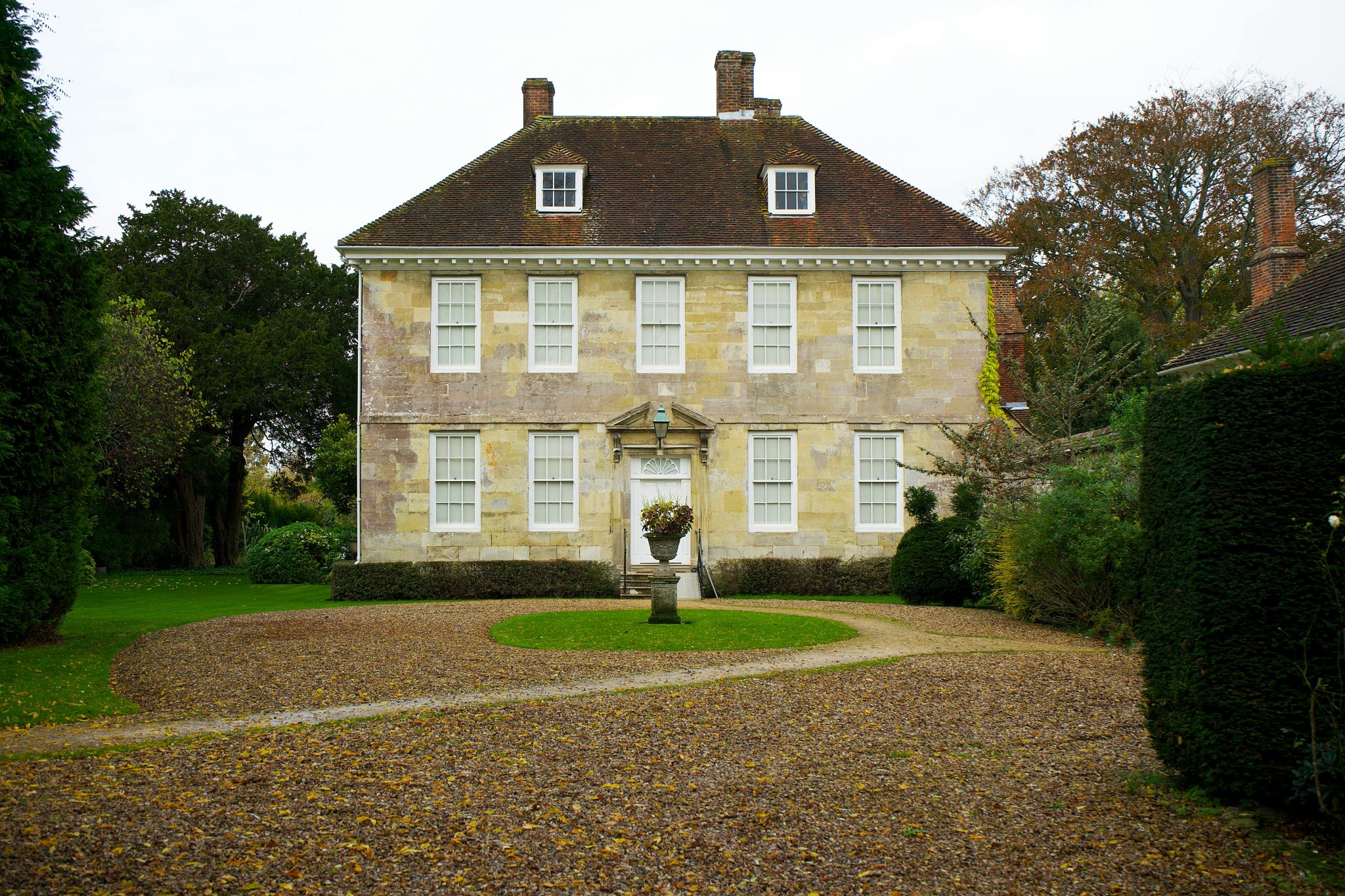
Crushed stone is a more refined variety of gravel. Because they possess edges as opposed to being perfectly round, the stones are able to hold onto each other in a more effective manner, and they are less likely to move around. Despite the fact that the water is still draining effectively, you notice that the stability beneath your tires has improved as a consequence.
Depending on the shade that you are seeking, you have the option of selecting from a wide range of different types of stone. Gray granite, white limestone, sandstone with a warm tone, and a number of additional alternatives are included in this selection. For driveways that extend over a long distance, it is an appropriate alternative in situations where having a formal appearance is not a major priority. It is necessary that you keep it on a flat surface, similar to how you would with gravel, and you could also want to put in some edging in order to prevent the stones from straying into your yard.
7. Resin-Bound Driveways
Resin-bound driveways are a type of driveway that is made by combining natural stone or gravel with translucent resin in order to create a smooth, firm surface. The following is an example of a modern alternative that has a classy appearance and is available in a wide variety of colors. Maintaining the smooth finish is a simple task; all that is required is a small amount of sweeping and a few sessions of pressure washing over the course of time. Furthermore, the surface is comfy to walk on.
Water passes right through without coming to rest on top, which means that there are no ice patches throughout the winter months. Even when exposed to the sun, the color does not fade significantly. The minimal maintenance requirements and durability of more than twenty years make up for the higher installation costs compared to those of plain concrete or asphalt.
8. Natural Stone Driveways
Natural stone is the luxury pick. Granite, limestone, sandstone, slate—each one looks different, and every driveway ends up being one of a kind. Nothing else matches that classic, high-end feel.
Stone laughs at bad weather and can last 50 years or longer. It bumps up your property value and looks right at home whether your house is traditional or modern. The big thing holding people back is price and the fact that you need pros to install it. But if you want something that’ll look amazing for decades and you’re okay with the upfront cost, stone delivers.
Making Your Decision
The selection of a material for your driveway requires you to take into consideration a number of factors, including the visual appeal, the budget, the weather conditions, and the amount of time you are prepared to invest. Driveways that see a high volume of traffic require more durable materials, whilst driveways that experience a lower volume of traffic have the option to prioritize aesthetics. You should take the quantity of traffic you receive into consideration. The climate of the region in which you reside is of the utmost significance. There are a number of different factors that can affect how long-lasting a certain material is, including repeated cycles of freezing and thawing, excessive heat, and downpours of torrential rain.
Take into consideration more than just the sticker price while making your decision. The decision to purchase a low-priced item that needs repairs every few years can ultimately cost more than the decision to purchase a high-quality item from the outset. You should factor in the following: the environmental impact of the project, the amount of time you are prepared to devote to upkeep, and whether or not the driveway will enhance the overall aesthetic of your property.
Whether you go with trusty concrete, modern rubber crumb, fancy stone, or something else, getting it installed right makes all the difference. Companies like SafeStep inc. can walk you through picking and installing the right driveway for your situation, so you end up with an entrance that makes your property look better and lasts for years.