Karam Mokhtari is a Moroccan-born art director and music rights specialist working at the intersection of visual identity and rights management across international music markets. His practice integrates creative direction with structural rights expertise, shaping both how music is presented and how it is protected once released.
This combination of creative direction and rights management expertise positions his work across both the artistic and structural layers of the music industry.
A Visual Mind with a Structural Focus
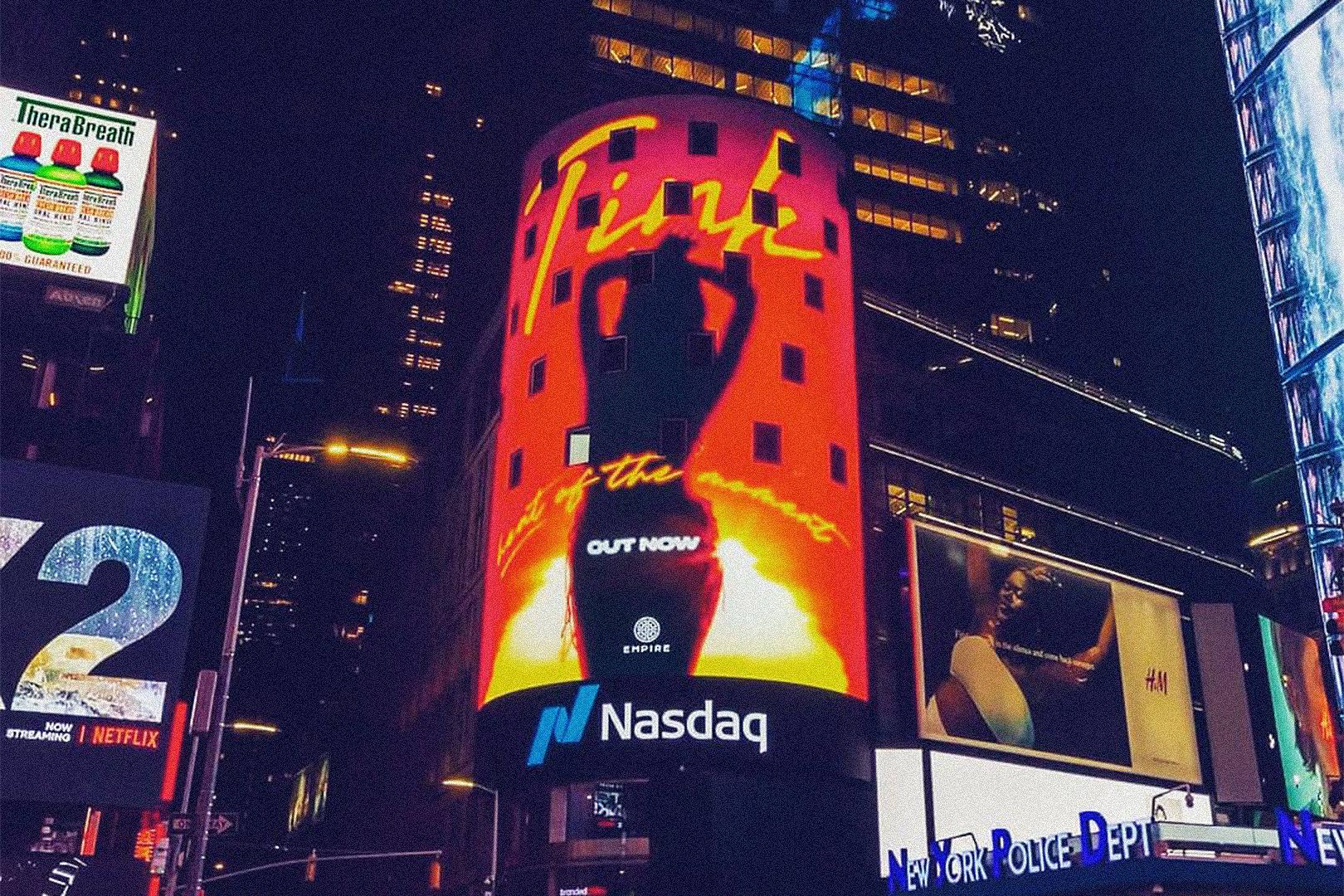
Mokhtari’s background is grounded in visual practice. In Morocco and the U.S., he has helped musicians shape album rollouts and release visuals. His work focuses on shaping an artist’s presence and translating music into a coherent visual language.
As his work moved deeper into the creative process, a structural gap became apparent. While visuals shaped perception, underlying elements such as metadata, rights attribution, and registrations determined whether a release was properly compensated or overlooked.
Without clear catalog organization, works become difficult to identify, register, and monetize across rights systems. His work integrates art direction with music rights management, addressing both how music is presented and how it is protected after release, with an emphasis on long-term outcomes beyond initial consumption.
Building Rights Literacy in Morocco

In Morocco, a centralized collective management body exists, though many artists are not fully familiar with how it operates. The concept of royalties, particularly when music is played in commercial venues, is often misunderstood.
Mokhtari’s work with independent artists, songwriters, and music users focuses on improving understanding of copyright, public performance royalties, and collective management systems in a market where rights education remains limited. His efforts center on building structural literacy and long-term infrastructure, supporting clearer approaches to registration, usage tracking, and royalty collection. Within this work, ownership is positioned as an integral component of creative practice, reinforcing the importance of rights literacy for long-term artistic sustainability and professional control.
Navigating Music Rights Between Morocco and the U.S.

Mokhtari’s work extends beyond a single market, translating between distinct music rights environments. In the United States, where royalty systems are more developed yet structured differently, his work aligns with ongoing industry discussions around fair compensation, including the absence of public performance royalties for artists and songwriters on U.S. terrestrial radio.
This cross-market understanding highlights how protections, obligations, and registrations can vary significantly between jurisdictions. As music circulates rapidly across platforms such as TikTok, YouTube, and global licensing catalogs, these differences carry increasing significance for artists operating internationally.
Why AI Makes Rights Clarity Even More Urgent

As artificial intelligence systems are trained on vast datasets that increasingly include music, often without clear authorization, artists face a new category of rights exposure. Beyond traditional concerns such as unauthorized distribution or unlicensed use, these technologies raise questions around attribution, control, and the long-term integrity of authorship.
In this environment, catalog organization becomes a strategic necessity. Incomplete metadata, inaccurate registrations, or unregistered works make it difficult for artists to assert ownership or assess how their music may be used within emerging technologies. As AI-driven use cases continue to expand, maintaining accurate, well-documented catalogs is essential for protecting rights and preserving leverage in future licensing decisions.
The Purpose Behind 360rights.com

The development of 360rights.com emerged from Mokhtari’s work across art direction and music rights management, where recurring administrative gaps limited artists’ ability to accurately understand, track, and protect their catalogs.
Designed for performers, producers, songwriters, labels, and publishers, the platform focuses on organizing catalog information and maintaining rights clarity across markets, particularly for rightsholders operating without traditional administrative support.
Built in response to evolving rights management challenges and the expanding role of technology in music, 360rights.com reflects a structured approach to catalog integrity rather than a promotional service or marketing tool.
A New Kind of Music Rights Director

Mokhtari’s practice spans both creative and structural domains, integrating art direction with music rights management across international markets. It supports artists in developing cohesive visual identities while establishing the organizational foundations required to protect, manage, and monetize their catalogs.
Positioned at the intersection of creative direction and rights strategy, this approach reflects a growing emphasis on long-term, rights-conscious creative careers.
Final Thoughts
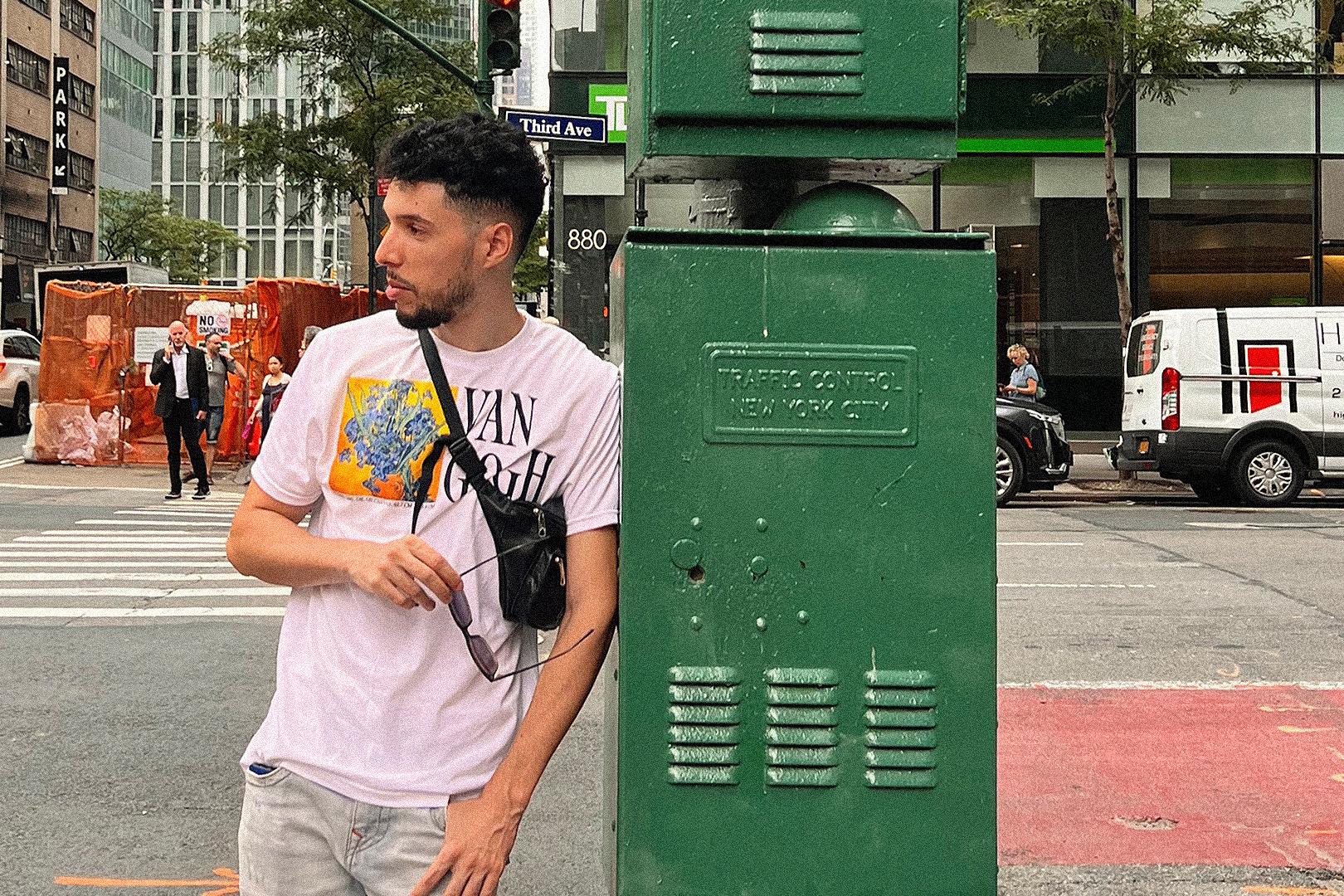
Mokhtari’s work reflects a broader evolution in how music careers are built, where creative vision is supported by structural clarity. By integrating art direction with music rights management, his practice addresses both the presentation of music and the systems that sustain it beyond release. This approach underscores a long-term view of authorship, international alignment, and the importance of durable foundations in an industry defined by constant change.