Choosing the right crypto exchange has never been more important. With tighter regulations, broader adoption, and evolving trading technologies, 2026 marks a turning point for how Americans buy, sell, and manage digital assets. The best exchanges now go far beyond simple trading — offering fiat integration, staking, instant payments, and robust security under clear compliance frameworks.
In this guide, we review the top crypto exchanges in the US for 2026, comparing their features, usability, and trustworthiness. From CEX.IO’s all-in-one ecosystem to Binance’s global scale, Kraken’s institutional-grade security, Crypto.com’s lifestyle-driven approach, and Bitstamp’s traditional reliability, each platform offers distinct strengths for different types of investors.
Whether you’re a beginner making your first Bitcoin purchase or an active trader managing a diverse portfolio, this overview highlights which exchanges deliver the best blend of accessibility, safety, and innovation in today’s dynamic crypto market.
CEX.IO – The Best Overall Crypto Exchange in the US (2026 Review)
CEX.IO stands out as the best crypto-exchange in the US. This is a trusted, all-in-one crypto exchange built to serve beginners, active traders, and long-term investors, not just across the States, but beyond. Established in 2013, it has evolved from one of the earliest Bitcoin trading platforms into a regulated ecosystem supporting over 200 digital assets, seamless fiat gateways, and multiple earning opportunities — all under one secure roof.
Ease of Use and Accessibility
CEX.IO’s interface is purpose-built to simplify crypto for every type of user. The Instant Buy feature allows you to purchase Bitcoin, Ethereum, or other cryptocurrencies with just a few taps using a debit or credit card. The layout is clean and intuitive, ideal for first-time traders who want quick access without diving into complex trading charts.
Meanwhile, experienced users can easily switch to Spot or Margin Trading interfaces with advanced order types, real-time charts, and deep liquidity. Whether you’re trading on the web platform or through the CEX.IO mobile app, navigation remains smooth, with all services — from deposits to staking — accessible in a few clicks.
Features and Trading Tools
What sets CEX.IO apart is its complete ecosystem. Beyond standard trading, the platform integrates several crypto services that cater to both passive and active strategies:
Crypto Convert: Quickly exchange one crypto for another without needing to understand trading pairs.
CEX.IO Pay: Enables zero-fee crypto transfers between CEX.IO users, offering instant peer-to-peer payments without blockchain fees.
Crypto Debit Card (EEA only): Lets users spend crypto instantly in-store or online, converting assets to fiat at checkout.
The availability of these interconnected services means you can buy, trade, store, and spend crypto all within one compliant platform — without relying on third-party wallets or exchanges.
Payment Methods and Fiat Integration
CEX.IO’s strength lies in its broad fiat support and flexible funding options. US customers can deposit and withdraw funds using Visa, Mastercard, bank transfers (ACH), as well as Apple Pay and Google Pay. All transactions are processed securely under PCI DSS Level 1 compliance.
Each method comes with transparent fee structures. For example, card deposits incur a small processing cost, while internal CEX.IO Pay transfers remain free. The platform also offers different Trading Fee Rebate Programs, returning your deposit fees as trading credits — making it one of the cheapest ways to buy crypto for frequent users.
Security and Compliance
Security remains central to CEX.IO’s operations. The platform is registered as a Money Services Business (MSB) with FinCEN, ensuring compliance with US regulatory standards. Two-factor authentication (2FA), address whitelisting, and mandatory KYC verification protect user accounts from unauthorized access.
CEX.IO’s custody solutions use cold storage and multi-signature wallets for digital assets, while fiat funds are held in segregated accounts. The platform also undergoes regular audits to maintain operational transparency.
Supported Cryptocurrencies and Market Access
CEX.IO supports over 200 cryptocurrencies, including major assets like BTC, ETH, ADA, SOL, and USDC, as well as trending altcoins. The wide asset coverage allows traders to diversify portfolios or explore new projects with ease. Combined with low trading fees, strong liquidity, and responsive customer support, it ensures a smooth experience for both retail and institutional participants.
BYDFi– A Versatile Exchange for Perpetual Futures and Trading Bots (2026 Review)
Founded in 2020, BYDFi is a global crypto trading platform that combines a straightforward interface with a strong range of tools for active traders. It offers spot trading, perpetual futures, automated trading bots, and demo trading within the same web and mobile platform. Its $10 starting threshold and 50,000 USDT demo balance make the platform easy to explore, while advanced order types and leverage of up to 200x support more sophisticated trading strategies.
Ease of Use and Accessibility
BYDFi keeps its core trading products clearly organized, making it easy to move between spot markets, perpetual futures, trading bots, and demo trading. The interface is simple enough for newer traders to navigate while still providing detailed charts, order books, and advanced order settings for experienced users.
The platform also lowers the entry barrier with a $10 starting threshold. New users can access 50,000 USDT in demo funds to practise using the interface, test strategies, and become familiar with different trading tools before moving into live trading.
Features and Trading Tools
BYDFi stands out for its range of perpetual futures products. Traders can access USDT-margined, USDC-margined, and coin-margined contracts, together with leverage of up to 200x and multiple order types for managing positions.
The platform also includes grid and DCA trading bots. Grid bots automatically place buy and sell orders within a selected price range, while DCA bots automate recurring purchases based on predefined settings. These tools allow traders to automate different parts of their strategies directly from the platform.
BYDFi brings spot trading, derivatives, automation, and demo trading together in one focused trading environment, giving users a practical route from basic market access to more advanced strategies.
Trading Fees and VIP Benefits
BYDFi offers competitive trading fees across both spot and perpetual futures markets. Standard spot trading fees are 0.1%, while perpetual futures fees start at 0.02% for makers and 0.06% for takers.
Its tiered VIP program provides additional fee reductions for higher-volume traders. At the highest VIP level, perpetual futures fees fall to 0.008% for makers and 0.032% for takers, making BYDFi especially competitive for users who trade frequently.
Payment Methods and Fiat Access
BYDFi supports crypto purchases through third-party payment providers. The available payment methods, supported currencies, processing times, and fees depend on the provider and the user’s region.
Security and User Protection
BYDFi combines several account and asset protection measures, including two-factor authentication, withdrawal address controls, cold-storage practices, and internal risk-management systems.
The exchange also maintains an 800 BTC protection fund, adding another layer of protection for users and reinforcing its focus on platform security.
Supported Cryptocurrencies and Market Access
BYDFi covers most major crypto assets across its spot and perpetual futures markets. Its combination of a straightforward interface, $10 starting threshold, 50,000 USDT demo funds, trading bots, up to 200x leverage, competitive fees, and VIP discounts gives both newer and experienced traders a wide range of tools within one platform.
Overall, BYDFi delivers a strong balance of accessibility and advanced trading functionality, with particular advantages in perpetual futures, automated strategies, and low trading costs.
Kraken – A Secure and Transparent Exchange for Serious Traders (2026 Review)
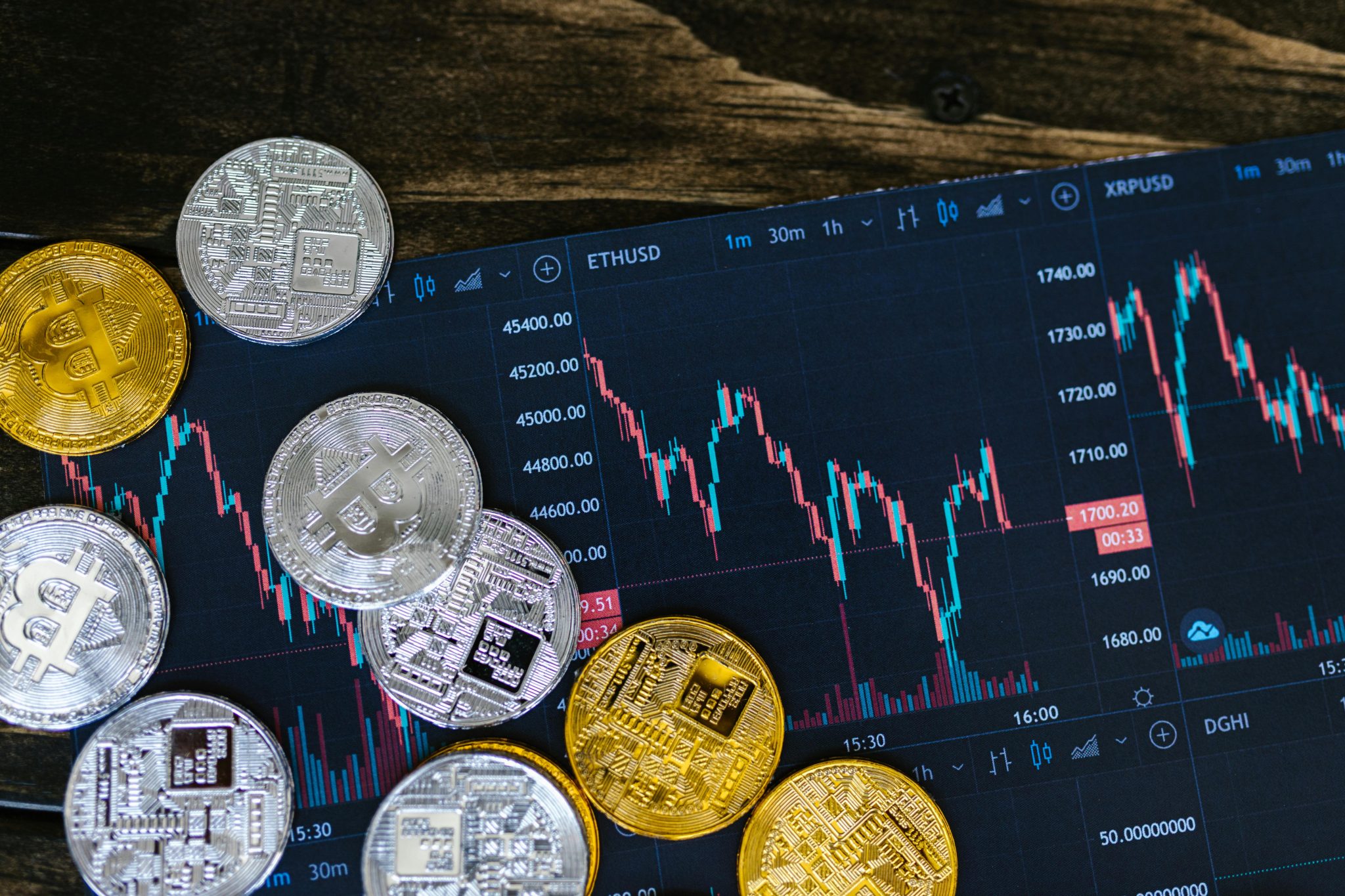
Founded in 2011, Kraken is one of the oldest and most respected cryptocurrency exchanges in the industry. Known for its strong regulatory record, security-first mindset, and professional trading features, it continues to attract traders who prioritize compliance and transparency. While Binance impresses with its scale and product range, Kraken distinguishes itself through trust, regulation, and user protection — even if it lacks some of Binance’s advanced or experimental tools.
Ease of Use and Accessibility
Kraken’s interface strikes a balance between simplicity and sophistication. The Kraken Pro platform delivers advanced charting tools, order books, and low-latency execution, while the standard Kraken dashboard offers a clean and intuitive layout for casual users. This dual-approach makes it easier to grow from beginner to expert without feeling overwhelmed.
By comparison, Binance’s dashboard can feel chaotic, especially to newcomers. With multiple tabs for spot, margin, futures, and earn products, it offers depth but sacrifices clarity. Kraken’s focus on simplicity gives it an advantage for those who value a straightforward trading experience without sacrificing essential functionality.
The Kraken mobile app mirrors this philosophy. Users can quickly buy, sell, and convert crypto, or switch to Kraken Pro for detailed chart analysis. While Binance’s mobile app offers more tools and advanced products, Kraken’s feels more stable and less cluttered, reflecting its regulatory focus and cleaner design.
Features and Trading Tools
Kraken offers Spot, Margin, and Futures trading, much like Binance. It supports up to 5× leverage for retail users, and professional traders can access up to 50× leverage under stricter conditions. The platform also provides staking options, allowing users to earn rewards on assets like ETH, DOT, and ATOM directly through the main interface.
However, where Binance stands out with its Launchpad, NFT marketplace, and liquidity farming, Kraken chooses focus over flash. It prioritizes reliability, execution quality, and clear risk parameters rather than high-yield opportunities. For some traders, this conservative approach limits experimentation — but for risk-conscious investors, it offers greater peace of mind.
One area where Binance holds a clear edge is in ecosystem variety. Its range of services (DeFi, NFTs, fan tokens, and more) far exceeds Kraken’s more traditional exchange model. Yet, that same variety makes Binance more complex to navigate, whereas Kraken’s feature set is tightly integrated and easier to master.
Payment Methods and Fiat Integration
Both exchanges support multiple fiat options, including USD, EUR, and GBP. Kraken’s fiat on-ramps include bank transfers (ACH, FedWire, SEPA, SWIFT) and, in select regions, debit and credit cards. Binance provides broader coverage with Visa, Mastercard, and third-party payment processors such as Simplex and MoonPay, which expand access but can introduce extra fees and verification steps.
Kraken’s approach is slower but more transparent and direct. Fees are clearly displayed, deposits are processed through regulated channels, and withdrawal times are predictable. Binance may offer faster funding for global users, but Kraken’s reliability appeals to traders who prefer fewer intermediaries handling their transactions.
Security and Compliance
Security has always been Kraken’s strongest asset. The exchange boasts no major hacks in its history, a rarity in the crypto space. It stores the majority of assets in air-gapped cold wallets, implements two-factor authentication, and conducts regular proof-of-reserves audits. Its transparent operations and strong internal controls make it one of the safest trading environments available.
Binance, despite its robust technical defenses, has faced regulatory challenges and shifting frameworks across different countries, leading to temporary restrictions or suspensions. Kraken, conversely, has built a reputation for full regulatory cooperation, holding multiple licenses and consistently passing independent audits.
In short, Kraken is the conservative counterpart to Binance’s innovation engine — stable, secure, and regulation-focused rather than feature-packed.
Supported Cryptocurrencies and Market Access
Kraken supports over 250 cryptocurrencies, covering major coins like BTC, ETH, ADA, SOL, and a wide variety of DeFi and staking assets. Binance, however, lists over 350 assets, including many new and experimental tokens that appeal to speculative traders.
For professionals seeking liquidity and security, Kraken’s deep order books and transparent operations make it a trusted venue. For those chasing the newest tokens and higher-risk opportunities, Binance’s vast selection and flexible products hold more appeal.
Ultimately, Binance offers more breadth, but Kraken delivers more confidence. For disciplined traders who value security, clarity, and compliance over sheer variety, Kraken remains one of the best choices in 2026 — a platform built for longevity rather than hype.
Crypto.com – A Lifestyle-Oriented Exchange for Everyday Crypto Users (2026 Review)
Crypto.com has carved a distinct niche in the crypto industry by blending trading, payments, and everyday utility into a single ecosystem. Founded in 2016 and headquartered in Singapore, the platform now serves over 80 million users globally. While Kraken and Binance focus heavily on trading depth and liquidity, Crypto.com positions itself as a lifestyle gateway — connecting crypto to real-world spending through cards, cashback, and a rich mobile experience. It’s ideal for users who want crypto to feel integrated into daily life rather than confined to an exchange.
Ease of Use and Accessibility
Crypto.com’s app-first approach makes it one of the most polished and user-friendly platforms in the space. The mobile app is sleek, intuitive, and clearly built for convenience — allowing users to buy, sell, convert, and spend crypto with minimal friction. In comparison, Kraken emphasizes function over flash, and Binance can feel overwhelming with its multitude of menus and features.
Where Crypto.com truly shines is in simplicity. A beginner can start buying crypto within minutes, while also managing fiat wallets, rewards, and card spending all from the same interface. However, this simplicity comes with limits — advanced traders might find fewer tools for analytics, order customization, or chart depth compared to Kraken Pro or Binance Advanced.
Features and Trading Tools
Crypto.com delivers an extensive ecosystem built around convenience and rewards. Beyond Spot and Derivatives trading, users can access Crypto Earn, Supercharger yield farming, DeFi Wallet, and the Crypto.com Visa Card, which offers cashback in CRO (the native token). Higher-tier cards unlock additional perks such as Spotify, Netflix, and airport lounge reimbursements, making it a lifestyle companion as much as an exchange.
Compared to Kraken, Crypto.com’s yield and spending features are broader but also more marketing-driven — with variable rates that depend on CRO staking. Binance, meanwhile, offers far more diverse tools (like Launchpad, NFTs, and liquidity farming) but lacks the same real-world integration that makes Crypto.com attractive to casual users.
However, advanced traders might view Crypto.com’s features as somewhat shallow. It provides fewer leverage options than Binance and less detailed performance analytics than Kraken Pro. Still, for users who value usability over charting complexity, Crypto.com strikes a balance between function and lifestyle convenience.
Payment Methods and Fiat Integration
Crypto.com supports a wide range of fiat currencies and payment methods, including credit and debit cards, bank transfers (ACH, SEPA, SWIFT), and mobile wallets like Apple Pay and Google Pay. These integrations make buying crypto quick and accessible in over 100 countries.
By comparison, Kraken limits fiat processing to a smaller set of bank methods, prioritizing compliance and stability, while Binance often relies on third-party processors that vary by region. Crypto.com’s advantage lies in its smooth in-app experience and instant card payments, though its fees for card purchases can run higher than Kraken’s bank-based routes or Binance’s peer-to-peer options.
Security and Compliance
Security at Crypto.com has improved significantly since its early days. The exchange now holds SOC 2 Type II certification, employs cold storage with Ledger Vault, and offers multi-factor authentication and address whitelisting. After a major security incident in 2022, the platform introduced insurance coverage and enhanced monitoring systems — steps that helped rebuild user confidence.
Still, Kraken’s long-standing no-hack record and deep regulatory footprint keep it ahead in terms of trust and transparency. Binance, meanwhile, offers top-tier technical security but continues to face periodic regulatory challenges worldwide. Crypto.com sits between the two — secure and compliant, but without the same depth of regulatory history as Kraken or the technical scale of Binance.
Supported Cryptocurrencies and Market Access
Crypto.com supports over 300 cryptocurrencies, offering a robust mix of major assets like BTC, ETH, ADA, SOL, and CRO, as well as popular altcoins. Liquidity is strong, though not at the level of Binance, which dominates global trading volumes. Kraken, on the other hand, lists around 250 coins but maintains stricter due diligence, which can mean fewer speculative tokens.
For traders who want a balance of convenience, card rewards, and exposure to a large variety of assets, Crypto.com delivers. However, for users who prioritize liquidity, professional-grade trading, or regulatory stability, Kraken remains more reliable — and Binance more powerful.
In short, Crypto.com bridges the gap between trading and lifestyle, making crypto feel spendable, accessible, and integrated into everyday life. It’s not as deep as Binance or as institutionally solid as Kraken, but for users who value simplicity, rewards, and a polished mobile experience, it’s one of the most versatile exchanges in 2026.
Bitstamp – A Trusted but Traditional Exchange for Long-Term Users (2026 Review)
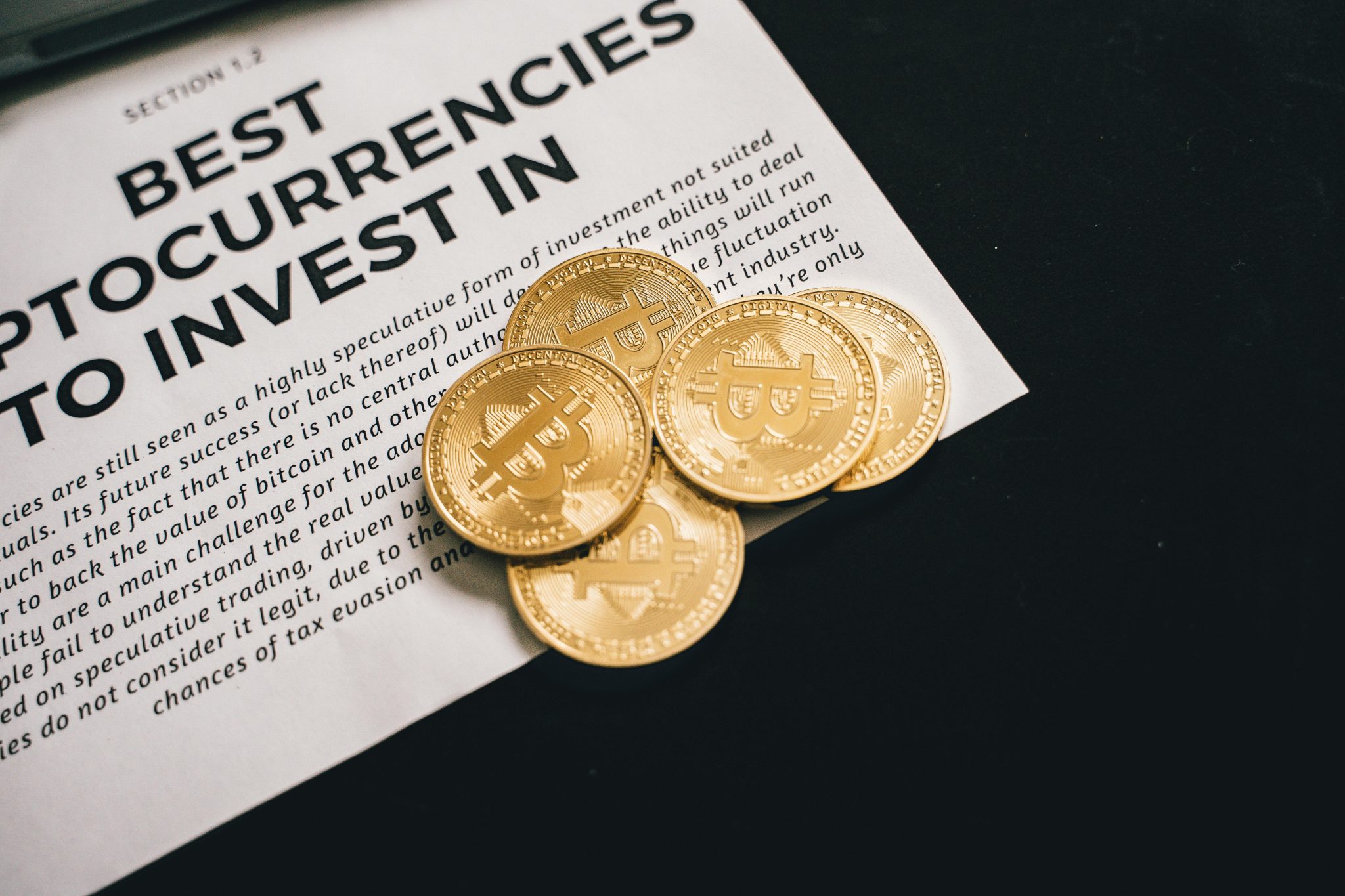
Founded in 2011, Bitstamp is one of the oldest continuously operating crypto exchanges, earning a reputation for reliability, security, and strong compliance. It has long served as a gateway for serious traders and institutions entering the digital asset market. However, in the fast-evolving 2026 landscape, Bitstamp’s conservative pace and limited innovation place it behind newer, more versatile rivals like CEX.IO, Binance, Kraken, and Crypto.com.
Ease of Use and Accessibility
Bitstamp’s user experience reflects its institutional roots. The interface is clean and professional, but also minimalistic and dated compared to modern competitors. Both the web platform and mobile app are functional but lack the design fluidity of Crypto.com’s app or the intuitive simplicity of CEX.IO’s Instant Buy service.
For newcomers, Bitstamp’s straightforward layout can be reassuring — it avoids unnecessary clutter and keeps trading tools clearly separated. Yet this simplicity can also feel restrictive. While Kraken balances clean usability with robust functionality, and Binance offers customizable dashboards for pros, Bitstamp’s interface feels more like a legacy broker terminal than a dynamic trading environment.
Features and Trading Tools
Bitstamp’s focus remains on Spot Trading. It supports market, limit, and stop orders but lacks margin, derivatives, or more advanced instruments found on Binance or Kraken Pro. For professional traders, that’s a major limitation. Its charting tools, powered by TradingView, are accurate and responsive but relatively basic by comparison.
The platform recently introduced Bitstamp Earn, enabling staking on select assets like ETH and ALGO. Still, the range and flexibility lag behind CEX.IO Earn or Crypto.com Earn, both of which offer broader staking options and dynamic yields.
Bitstamp does deserve credit for transparency and stability — it rarely launches experimental products or volatile promotions. This appeals to users who value predictability, but for active or yield-seeking investors, the lack of innovation makes it less competitive.
Payment Methods and Fiat Integration
One of Bitstamp’s enduring strengths is its robust fiat infrastructure. It supports USD, EUR, and GBP deposits via bank transfers (ACH, SEPA, SWIFT) and Visa/Mastercard payments. Processing is fast and reliable, with clear fee disclosure — hallmarks of its European regulatory framework.
However, this stability comes at the expense of convenience. Crypto.com and CEX.IO both integrate Apple Pay, Google Pay, and in-app deposits for instant purchases, while Bitstamp remains more traditional. Similarly, Binance users benefit from a wider global network of fiat gateways, even if those rely on third-party processors.
Bitstamp’s limited flexibility in payment methods makes it less appealing to users who prioritize instant funding or diverse currency options. It’s dependable — but not dynamic.
Security and Compliance
Security is where Bitstamp truly holds its ground. It has maintained a spotless track record for over a decade, with 95% of funds in cold storage, multi-signature wallets, and strong internal controls. The exchange is fully regulated in Luxembourg and holds multiple licenses across the EU and the US, reinforcing its status as one of the most compliant crypto platforms globally.
In this respect, Bitstamp aligns closely with Kraken — both emphasize trust and regulatory integrity. However, while Kraken actively expands its compliance framework to new jurisdictions, Bitstamp’s footprint and feature set have remained largely static. Meanwhile, Binance continues to innovate rapidly but faces ongoing regulatory turbulence.
Supported Cryptocurrencies and Market Access
Bitstamp supports around 100 cryptocurrencies, including all major assets such as BTC, ETH, ADA, XRP, and SOL. This limited selection ensures a focus on liquidity and reliability but excludes many of the newer or trending altcoins available on Binance, CEX.IO, or Crypto.com.
The narrower offering aligns with Bitstamp’s “quality over quantity” philosophy, appealing to institutions and long-term investors who prioritize safety over speculation. Yet, for traders seeking broader exposure, it feels outdated. Binance’s 350+ listings, CEX.IO’s 200+ regulated assets, and Crypto.com’s 300+ global coins highlight how far Bitstamp has fallen behind in product diversity.
Overall Impression
Bitstamp remains a symbol of crypto’s early days — solid, trustworthy, and professional. It’s an excellent choice for those who value regulatory rigor, long-term stability, and transparent fees. However, in 2026’s competitive environment, it lacks the innovation, convenience, and feature depth of today’s market leaders.
Compared to Binance’s innovation, Kraken’s professionalism, Crypto.com’s lifestyle appeal, and CEX.IO’s all-in-one accessibility, Bitstamp stands as the most conservative of the top-tier exchanges — a reliable but reserved option for cautious investors.