
Marine collagen is everywhere right now. Here are five real, research backed benefits, from hydrated skin to faster absorption.
If you have scrolled through a beauty aisle or a wellness feed lately, chances are you have spotted marine collagen popping up everywhere. Brands like Vida Glow marine collagen have turned what used to be a niche supplement into a genuine skincare staple, and it is easy to understand why. Sourced from fish rather than cows or pigs, marine collagen has become a preferred choice for people who want a cleaner, more bioavailable way to support their skin, hair and joints from the inside out. It also tends to appeal to people who are mindful of sustainability, since much of the raw material comes from fish skin and scales that would otherwise be discarded during processing. Before you add another jar to your shelf though, it helps to know what the science actually says rather than what the marketing promises. Here are five benefits genuinely worth knowing about.
It Supports Skin Hydration and Elasticity
Collagen is the structural protein that keeps skin firm, plump and bouncy, and levels naturally decline as we age, typically starting in our mid twenties and continuing steadily from there. A systematic review and meta analysis published in the International Journal of Dermatology looked at nineteen clinical trials involving more than a thousand participants and found that ingesting hydrolyzed collagen for around ninety days improved skin hydration, elasticity and the appearance of wrinkles. You can read the full systematic review here. While that review covered collagen supplements broadly rather than marine sources specifically, it is a useful reminder that consistency matters more than the occasional dose, and that meaningful change tends to show up over months rather than days.
It May Help Smooth the Look of Fine Lines
Because marine collagen is rich in type one collagen, the same type that makes up the vast majority of our skin, some people notice a gradual softening in the appearance of fine lines with regular use. This is not an overnight transformation, and anyone promising instant results is probably overselling it. Most studies suggest results build slowly over eight to twelve weeks of daily use, so patience and consistency tend to matter far more than any single dose or a dramatic before and after photo.
It Tends to Absorb Faster Than Other Collagen Types
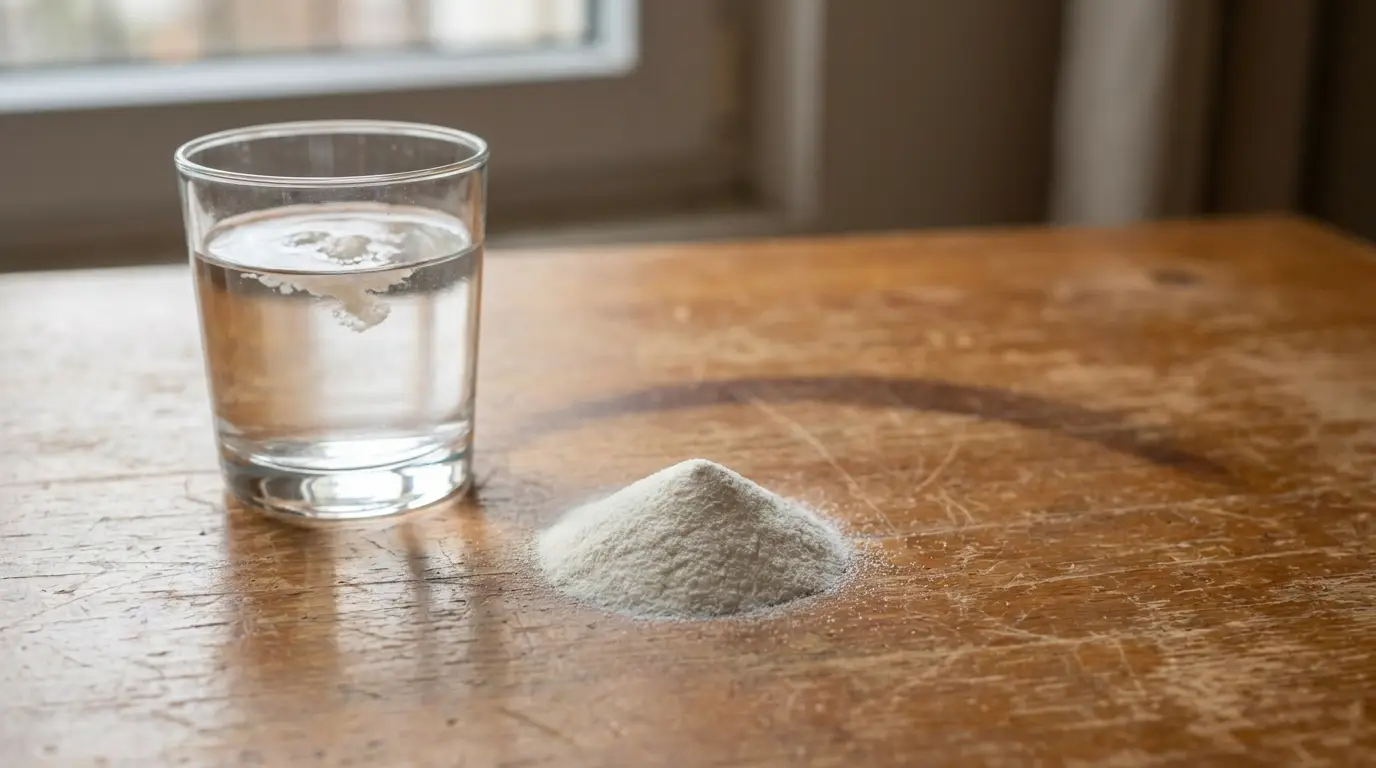
One of the main reasons marine collagen has become so popular among nutritionists and beauty editors alike is its molecular size. Fish derived collagen peptides are generally smaller than those from bovine or porcine sources, which researchers believe allows them to cross the gut lining more efficiently and enter the bloodstream in greater concentration. A detailed review in Frontiers in Marine Science explores how marine collagen is purified and processed, and why its structural properties make it such an appealing option for supplementation. You can explore that research summary here. In practical terms, this means your body may put those peptides to work more quickly than it would with a heavier, less refined protein source, which is part of why marine collagen is often described as having superior bioavailability.
It Supports Joint Comfort as We Age
Skin is not the only tissue that relies on collagen. Cartilage, tendons and the connective tissue surrounding our joints all depend on a steady collagen supply too, and that supply naturally slows with age, repetitive movement or heavy training. Many people taking marine collagen report an easing of everyday stiffness, particularly around the knees, hips and lower back, which lines up with what researchers have observed in broader collagen hydrolysate studies involving active adults and older populations managing joint discomfort.
It Fits Easily Into an Everyday Routine
Perhaps the most underrated benefit of marine collagen is simply how easy it is to use. Most powders are flavourless or lightly flavoured and dissolve completely in coffee, smoothies or a glass of water, meaning there is no elaborate ritual required to stay consistent. You do not need to remember a complicated schedule or juggle multiple pills throughout the day. Given that collagen supplementation appears to work best as a long-term habit rather than a quick fix, that ease of use may end up being the single biggest reason it actually delivers results for the people who stick with it.
Who Might Benefit Most
Marine collagen tends to appeal most to people who are already paying close attention to their skin and joint health, including those in their thirties and beyond who are noticing the early signs of collagen decline. Active people who put regular strain on their joints, whether through running, weightlifting or simply a physically demanding job, often report the most noticeable benefits around comfort and recovery. That said, plenty of younger adults are now taking it preventatively, treating it as a long-term investment rather than a reactive fix.
The Bottom Line
Marine collagen will not replace sunscreen, a balanced diet or a good night’s sleep, and no supplement should be treated as a substitute for those fundamentals. But the research so far paints a genuinely encouraging picture for skin, joints and overall resilience. As with any supplement, it is worth speaking to your doctor before adding it to your routine, particularly if you have an existing medical condition or a known fish allergy. For most healthy adults, though, marine collagen remains one of the more evidence-backed additions you can make to a daily wellness routine, and given how simple it is to work into an existing lifestyle, it is not hard to see why so many people are giving it a try this year.