


Potassium may not get as much attention as protein or fiber, but your body depends on it every day.
Many everyday vegetables are naturally rich in potassium, a mineral that supports healthy muscles, nerves, and heart function.
However, the amount can vary widely between vegetables and serving sizes.
This blog will walk you through the best vegetables high in potassium, their nutritional benefits, kidney-friendly lower-potassium options, and simple ways to include them in your meals.
Benefits of Consuming Potassium
Potassium is an essential mineral found naturally in many foods. It helps nerves send signals, allows muscles to contract, and supports a steady heartbeat.
Potassium also helps maintain fluid levels inside cells and works with sodium to support healthy blood pressure. The kidneys usually remove excess potassium from the body through urine to keep its level balanced.
Both high and low potassium levels can affect muscle and heart function, so people with kidney disease may need personalized dietary guidance.
Vegetables High in Potassium
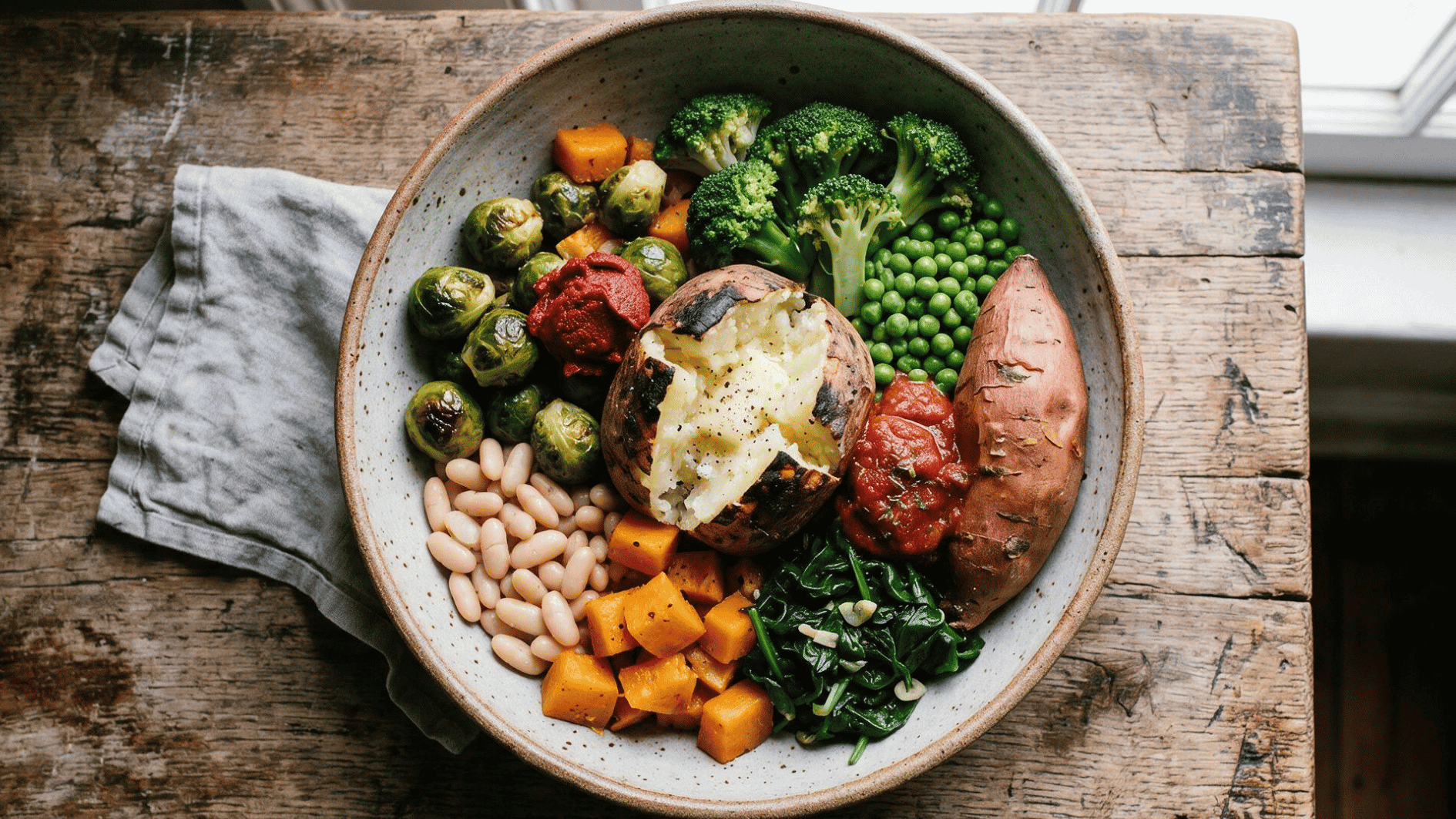
The values here come from the U.S. government’s Food Sources of Potassium table. The report uses nutrition data from the U.S. Department of Agriculture and lists potassium by standard serving size.
| Vegetable | Serving | Potassium |
|---|---|---|
| Baked potato with skin | 1 medium | 941 mg |
| Tomato paste, canned | ¼ cup | 669 mg |
| White beans, canned | ½ cup | 595 mg |
| Butternut squash, cooked | 1 cup | 582 mg |
| Tomato purée | ½ cup | 549 mg |
| Sweet potato with skin | 1 medium | 542 mg |
| Brussels sprouts, cooked | 1 cup | 495 mg |
| Broccoli, cooked | 1 cup | 457 mg |
| Peas, cooked | 1 cup | 434 mg |
| Spinach, cooked | ½ cup | 420 mg |
Who Should Avoid High-Potassium Vegetables
Most healthy people don’t need to limit potassium. A few groups should be more careful, though, often under a doctor’s guidance.
People with kidney disease often can’t remove extra potassium well, as it can build up in the blood. This also applies to people on dialysis, since removal only happens during treatment.
Anyone with a past episode of high blood potassium may need ongoing limits too. Some medications also play a role, including certain blood pressure and heart drugs.
Adrenal gland conditions can also affect potassium levels. These limits are usually set by a doctor, not something to figure out alone.
If you’re unsure, ask your doctor or a kidney dietitian.
Low-Potassium Vegetables for Kidney-Friendly Meal Planning
The vegetables below are commonly listed by the National Kidney Foundation. Most contain less than 200 mg of potassium in the serving shown, but values may change with portion size, variety, and cooking method.
| Vegetables | Suggested Serving | Approximate Potassium |
|---|---|---|
| Alfalfa sprouts | ½ cup raw | 13 mg |
| Arugula | 1 cup raw | 37 mg |
| Iceberg lettuce | 1 cup shredded | 102 mg |
| Cucumber | ½ cup sliced | 76 mg |
| Cauliflower | ½ cup cooked | 88 mg |
| Green beans | ½ cup cooked | 91 mg |
| Wax beans | ½ cup cooked | 94 mg |
| Bell peppers | ½ cup raw | 130 mg |
| Radishes | ½ cup sliced | 135 mg |
| Turnips | ½ cup cooked | 138 mg |
| Cabbage | ½ cup cooked | 147 mg |
| Eggplant | ½ cup cooked | 123 mg |
| Onions | ½ cup cooked | 117 mg |
| Zucchini | ½ cup cooked | 162 mg |
| Carrots | ½ cup cooked | 183 mg |
5 Low-Potassium Meal Ideas
Eating low potassium doesn’t mean giving up flavor or variety. These meals use common American ingredients, like chicken, ground beef, and pasta.
They’re paired with vegetables that are naturally lower in potassium. Each one uses simple pantry staples. Most come together in under 30 minutes, making them easy additions to a kidney-friendly meal plan.
1. Chicken and Cabbage Stir-Fry
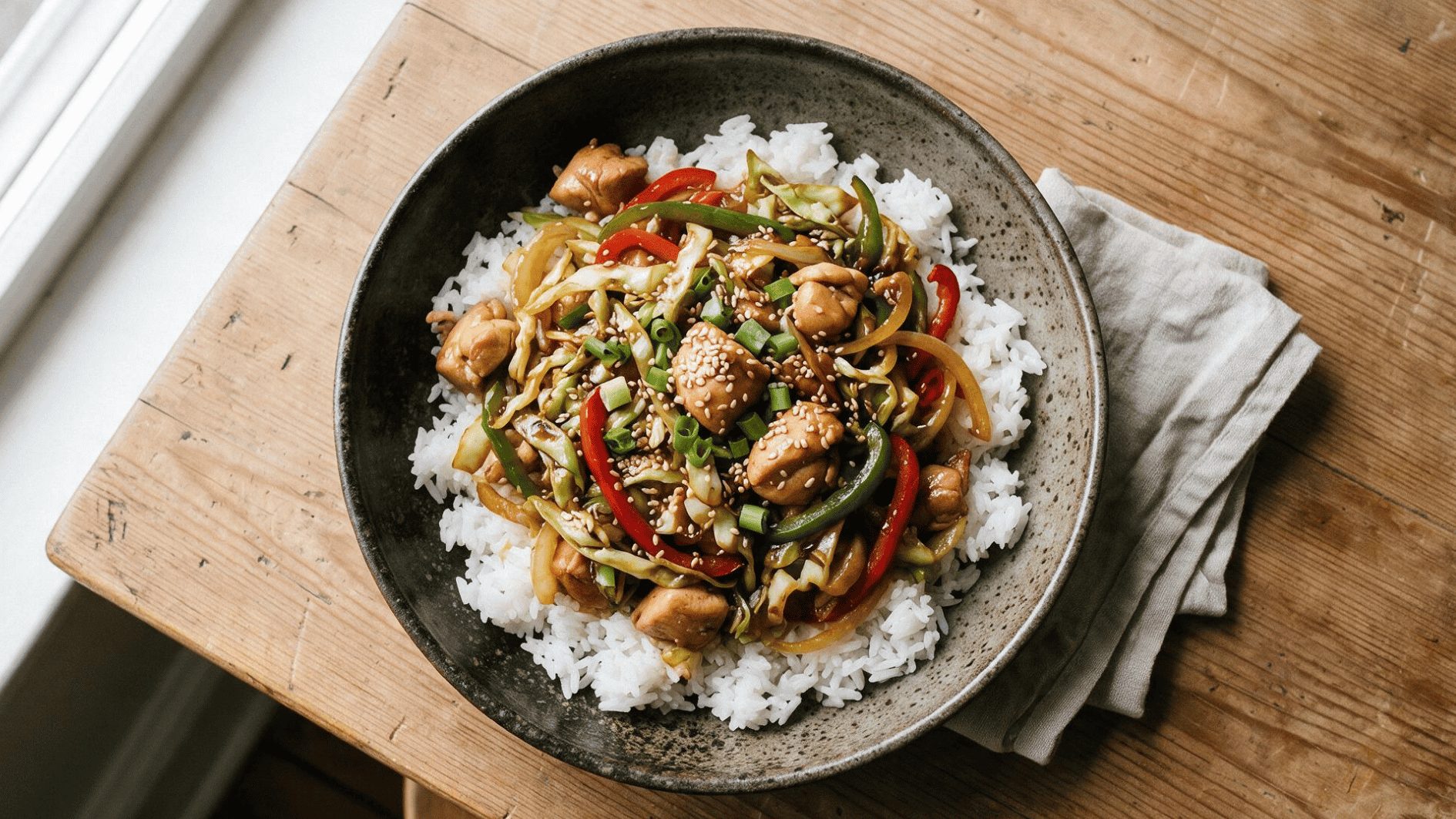
This stir-fry pairs lean chicken with cabbage and bell pepper. It makes a quick, low-potassium dinner that still feels satisfying.
| Ingredients | Measurements |
|---|---|
| Boneless chicken breast, diced | 1 cup |
| Cabbage, shredded | 1 cup |
| Bell pepper, sliced | ¼ cup |
| Onion, sliced | ¼ cup |
| Soy sauce | 1 tbsp |
| Vegetable oil | 1 tbsp |
Steps to Prepare:
- Heat oil in a large skillet or wok over medium-high heat.
- Add chicken and cook until browned, about 6 minutes.
- Add onion and bell pepper, and stir-fry for 2 minutes.
- Add cabbage and soy sauce, and cook for another 3 minutes until the cabbage softens slightly.
- Serve warm over white rice.
2. Turkey Lettuce Wraps
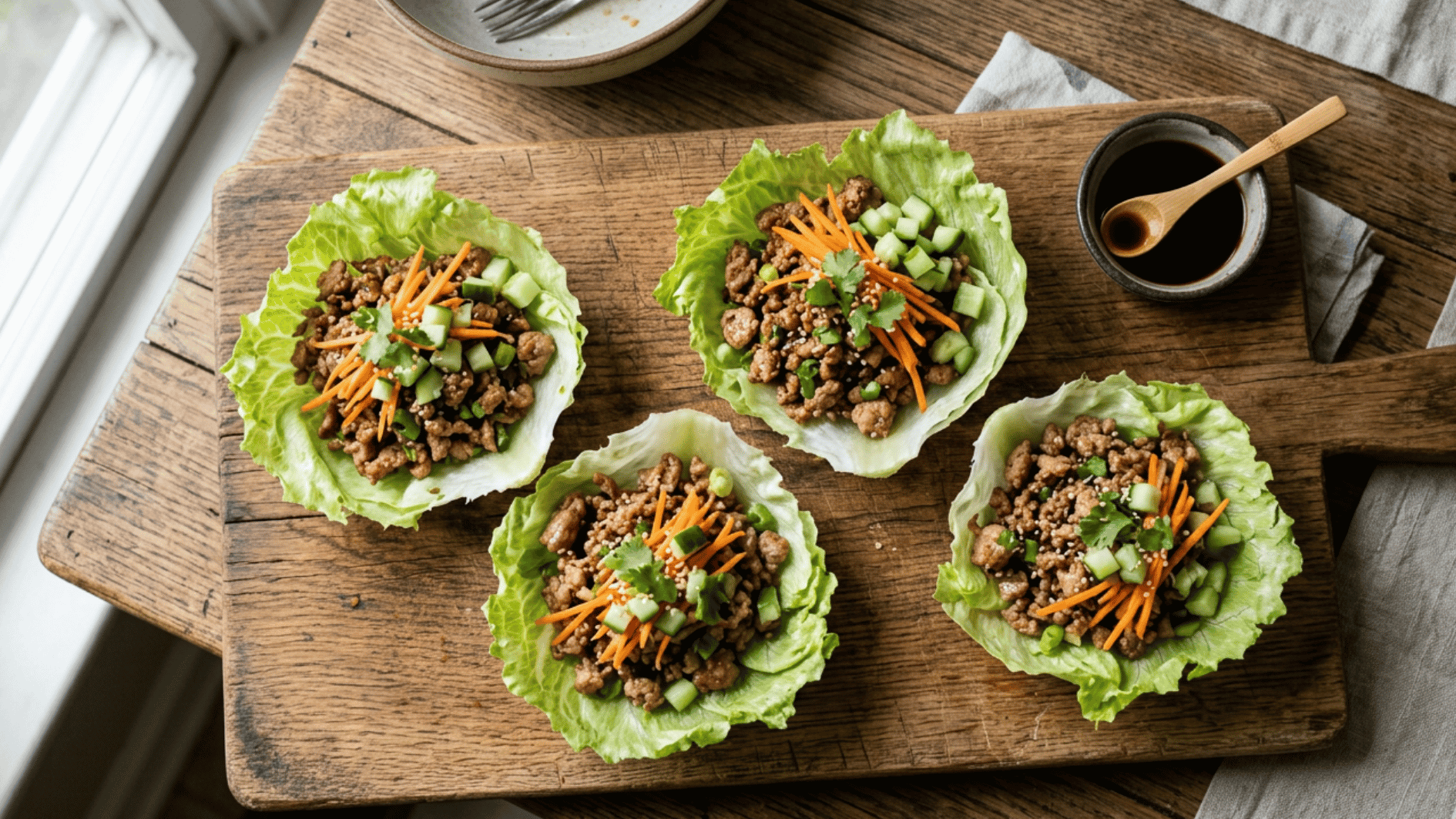
This wrap swaps bread for crisp lettuce. It keeps the meal light while still packing in protein from the turkey.
| Ingredients | Measurements |
|---|---|
| Ground turkey | 1 cup |
| Iceberg lettuce leaves | 4 large |
| Carrots, shredded | ¼ cup |
| Cucumber, diced | ¼ cup |
| Garlic, minced | 1 clove |
| Soy sauce | 1 tbsp |
Steps to Prepare:
- Cook ground turkey and garlic in a skillet over medium heat until browned.
- Stir in soy sauce and cook for 1 more minute.
- Spoon the turkey mixture into lettuce leaves.
- Top each wrap with shredded carrots and diced cucumber.
- Serve immediately while the lettuce is crisp.
3. Cauliflower Fried Rice with Chicken
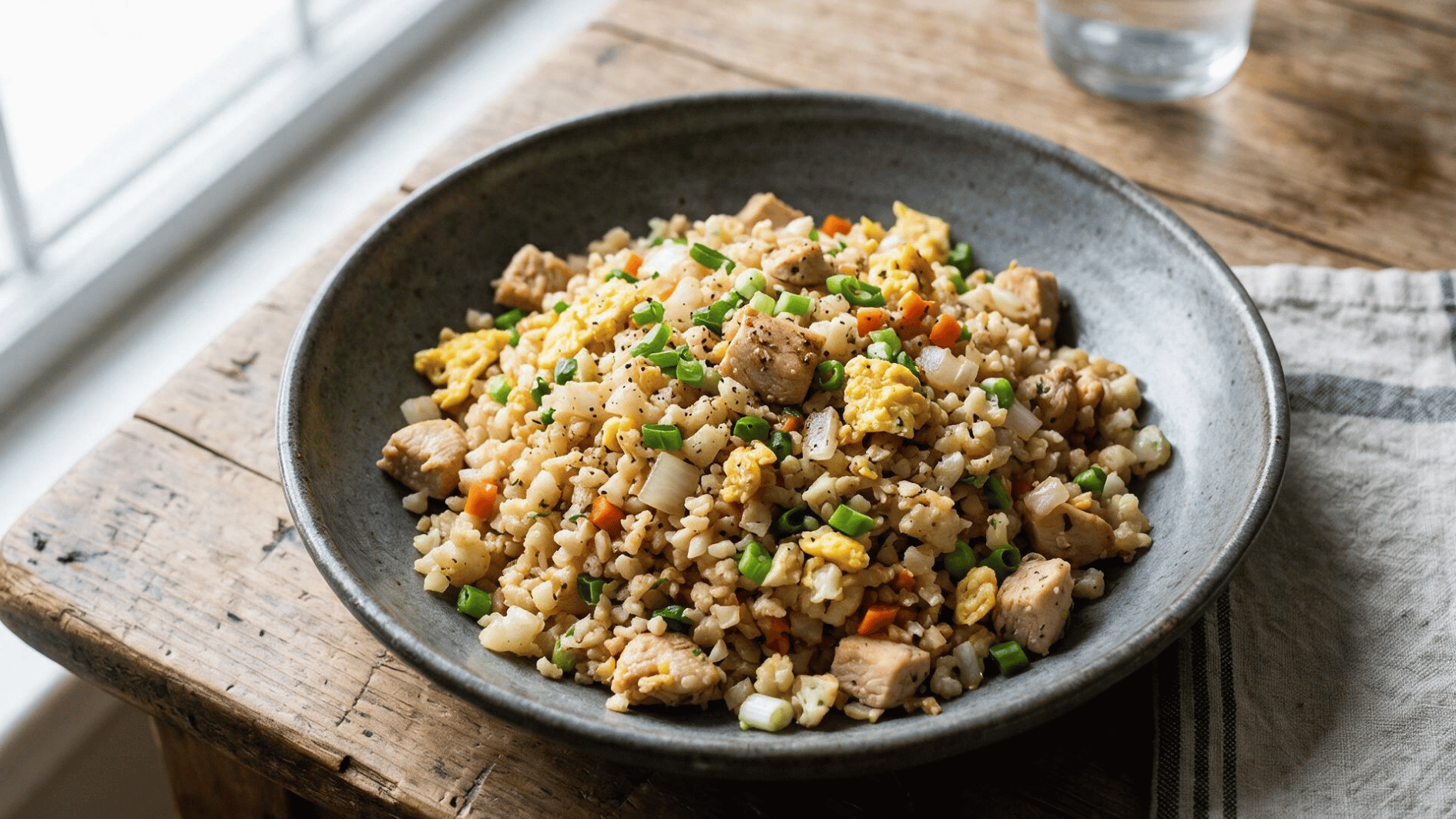
Riced cauliflower stands in for regular rice here. This keeps the fried rice lower in potassium without losing the classic texture.
| Ingredients | Measurements |
|---|---|
| Cauliflower, riced | 1 cup |
| Chicken breast, diced | ½ cup |
| Egg | 1 |
| Onion, diced | ¼ cup |
| Soy sauce | 1 tbsp |
| Vegetable oil | 1 tbsp |
Steps to Prepare:
- Heat oil in a skillet and cook chicken until fully done, then set aside.
- In the same pan, scramble the egg and push it to one side.
- Add onion and riced cauliflower, and cook for 5 minutes.
- Stir the chicken and egg back in, then add soy sauce.
- Cook for 2 more minutes and serve hot.
4. Green Bean and Ground Beef Skillet
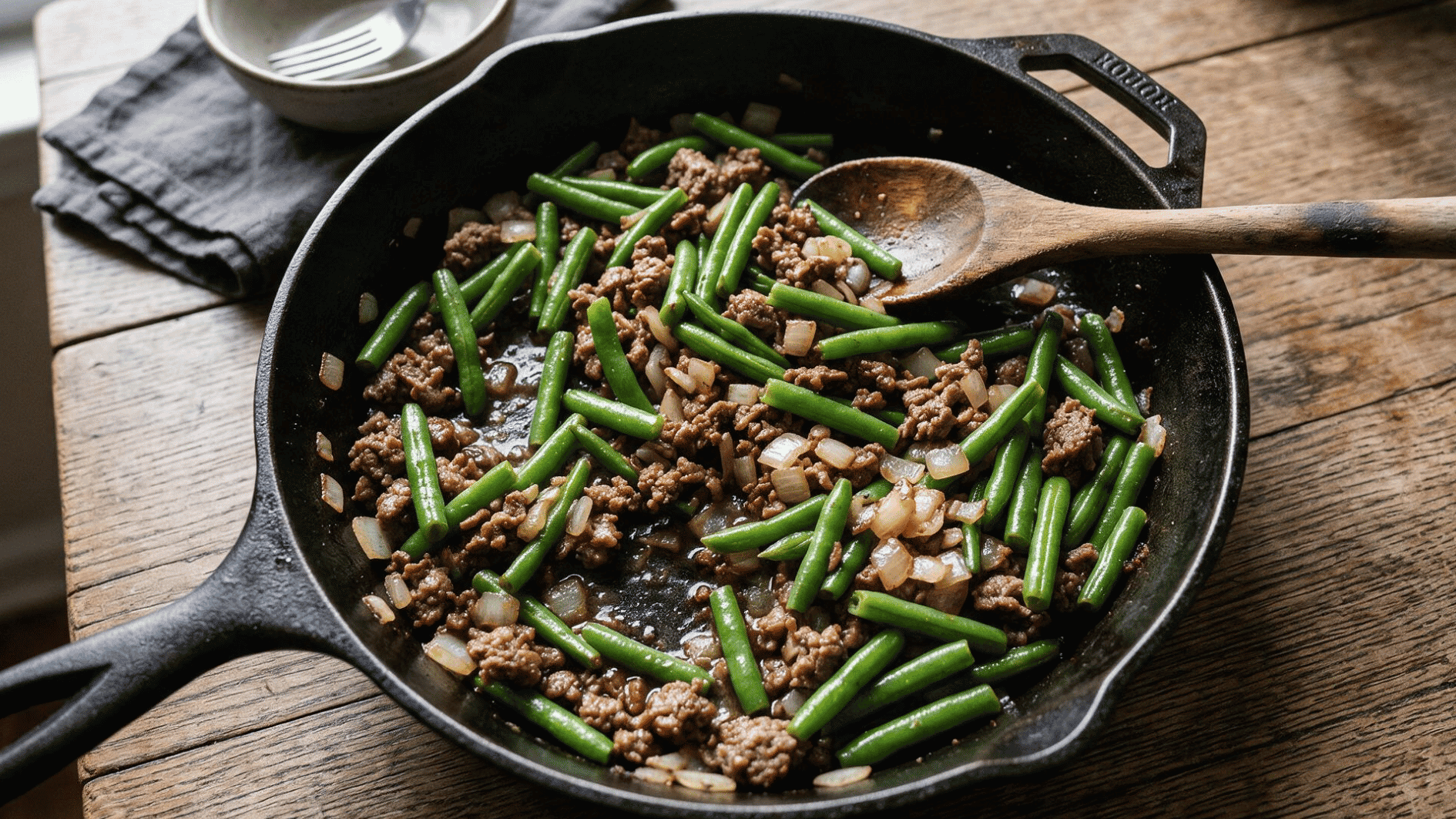
Ground beef and green beans make a filling, one-pan meal. It works well for busy weeknights.
| Ingredients | Measurements |
|---|---|
| Ground beef | 1 cup |
| Green beans | 1 cup |
| Onion, diced | ¼ cup |
| Garlic, minced | 1 clove |
| Olive oil | 1 tsp |
| Salt and pepper | Pinch |
Steps to Prepare:
- Heat oil in a skillet and cook ground beef with onion and garlic until browned.
- Add green beans and cook for 6 to 8 minutes, stirring occasionally.
- Season with salt and pepper.
- Cover and cook for 2 more minutes, until the beans are tender.
- Serve on its own or over white rice.
5. Zucchini and Bell Pepper Pasta
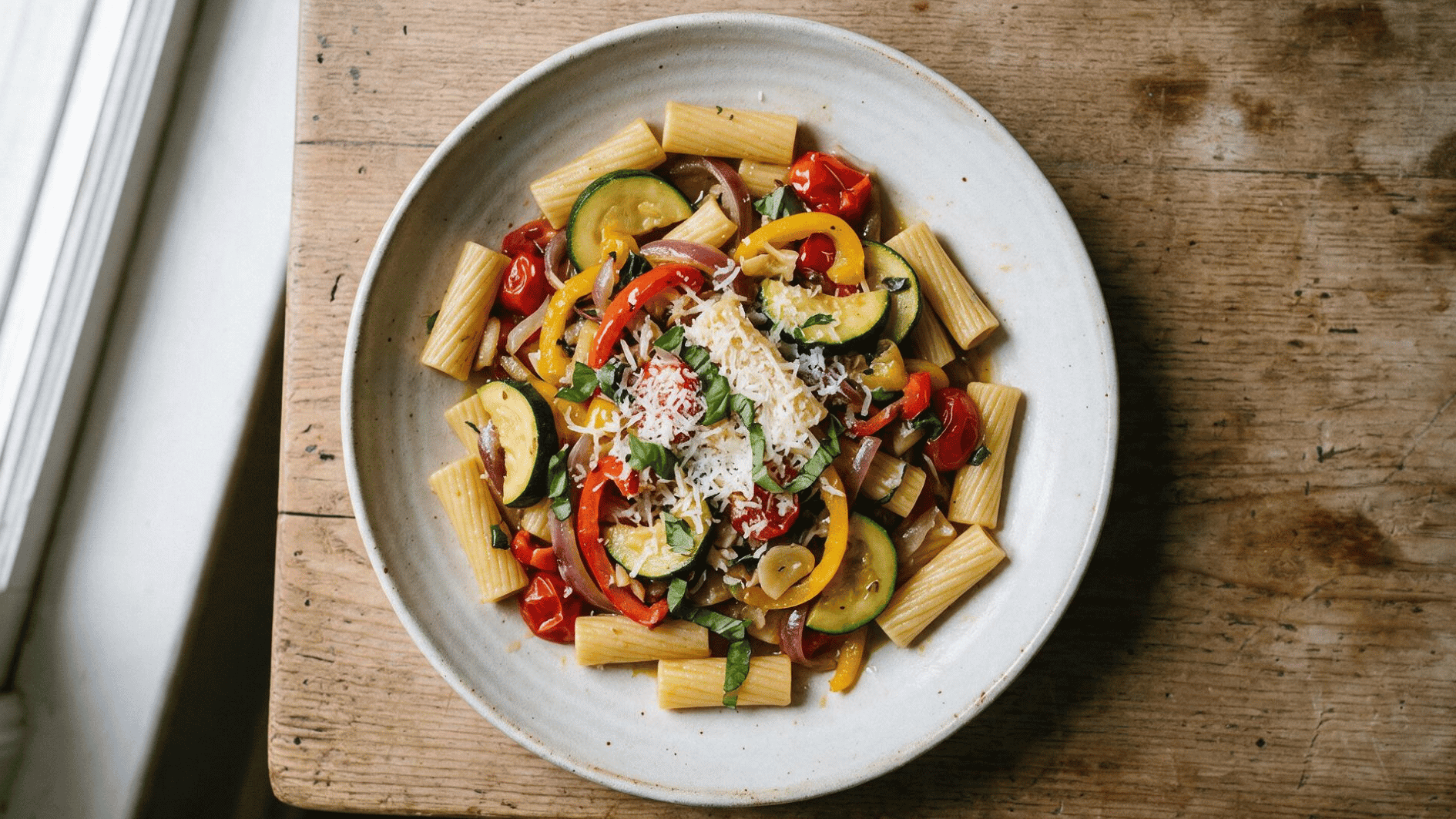
Zucchini and bell pepper add color and texture to this simple pasta dish. A touch of Parmesan finishes it off.
| Ingredients | Measurements |
|---|---|
| Pasta (cooked) | 1 cup |
| Zucchini, sliced | ½ cup |
| Bell pepper, sliced | ½ cup |
| Olive oil | 1 tbsp |
| Garlic, minced | 1 clove |
| Parmesan cheese | 1 tbsp |
Steps to Prepare:
- Cook pasta according to package directions and set aside.
- Heat oil in a skillet; add garlic, zucchini, and bell pepper.
- Sauté for 5 to 6 minutes until vegetables soften slightly.
- Toss the cooked pasta into the skillet and mix well.
- Top with Parmesan cheese before serving.
Can Cooking Reduce Potassium in Vegetables?
Yes, certain cooking methods can lower the potassium content of some vegetables. (NIH) recommends boiling or leaching vegetables when potassium needs to be limited.
Cut the vegetable into small pieces, soak it in water, drain it, and boil it in fresh, unsalted water. Double-boiling- draining the first cooking water and finishing in fresh water- may also help.
However, these methods do not remove all potassium, so serving size still matters.
People with kidney disease should ask a renal dietitian which vegetables and preparation methods are appropriate for their blood potassium levels.
How to Build a Kidney-Friendly Vegetable Plate?
A kidney-friendly plate should balance vegetables, protein, and grains while keeping potassium, sodium, and phosphorus needs in mind.
The right portions depend on kidney function, blood test results, medicines, and whether the person receives dialysis.
Fill Half the Plate With Suitable Vegetables
Choose vegetables that match your potassium needs, such as cabbage, cauliflower, cucumber, bell peppers, green beans, lettuce, or zucchini.
Portion size still matters, even with lower-potassium choices.
Add a Controlled Portion of Protein
Fill about one-quarter of the plate with chicken, fish, eggs, tofu, or another protein approved by a kidney dietitian.
Protein needs may differ based on kidney function and dialysis treatment.
Include a Grain or Starch
Use the remaining quarter for rice, pasta, bread, or another suitable starch. Check packaged foods for added sodium and phosphorus.
Keep Sodium Low
Flavor vegetables with garlic, herbs, lemon, or salt-free spices instead of salty sauces. Avoid potassium-based salt substitutes unless approved by a healthcare provider.
When to Speak With a Doctor or Renal Dietitian?

Speak with a doctor or renal dietitian if you have kidney disease, receive dialysis, take medications that affect potassium levels, or have abnormal blood potassium levels.
Dietary needs can change as kidney function changes, so do not start a low-potassium diet without professional advice.
High potassium may cause no clear symptoms, which makes regular blood tests important. Seek urgent medical help for chest pain, severe weakness, breathing difficulty, or an unusual heartbeat.
A renal dietitian can set appropriate portion sizes and build a meal plan based on your kidney function, treatment, medications, and nutritional needs.
The Bottom Line
Vegetables high in potassium support healthy muscles, nerves, and heart function while providing fiber and other nutrients.
Potatoes, leafy greens, beans, squash, and tomato products are common high-potassium choices. People with kidney disease may need smaller portions, lower-potassium vegetables, or specific cooking methods.
Cabbage, cauliflower, cucumber, bell peppers, and green beans can be used in many kidney-friendly meals.
Since potassium needs vary, food choices should be guided by blood test results and advice from a doctor or renal dietitian.
Frequently Asked Questions
How Much Potassium Should an Adult Get Each Day?
3,400 mg for men and 2,600 mg for women, though needs may vary with pregnancy, breastfeeding, or kidney disease.
Can You Get Enough Potassium Without Eating Bananas?
Yes, potatoes, beans, leafy greens, squash, yogurt, fish, and avocados can match or exceed a banana’s potassium content.
Does Potassium Help With Leg Cramps?
Sometimes, but most cramps stem from dehydration, overuse, or medication, so persistent cramps warrant a doctor’s advice rather than supplements.
















