

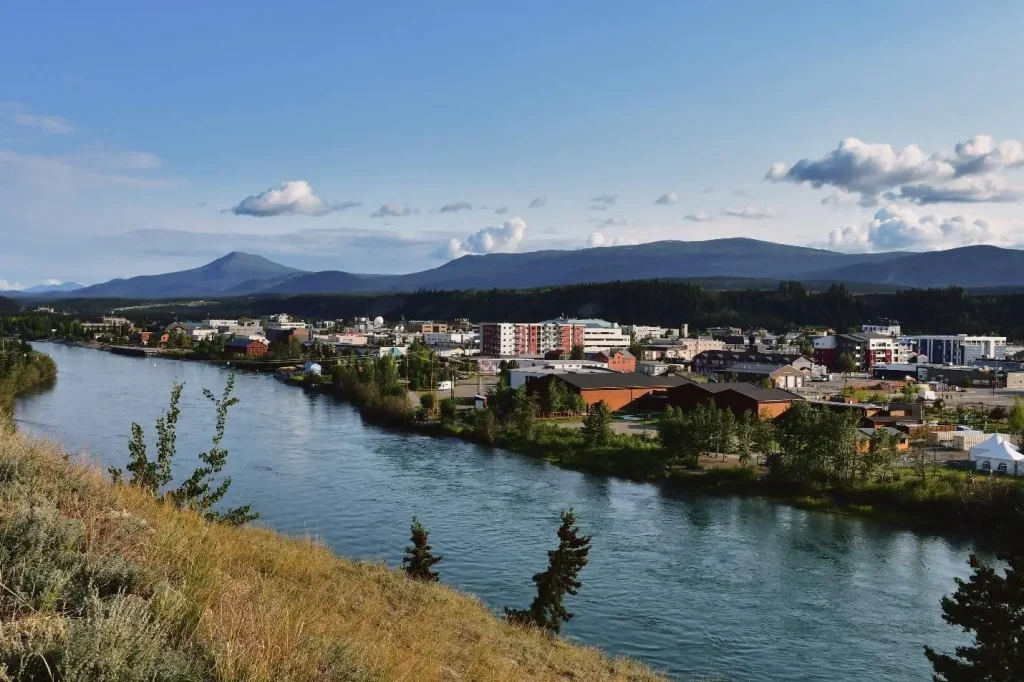
Terence Tait has long maintained that real estate and community are not separate forces but, at their best, the same conversation. Across the Yukon, a quiet but significant wave of development activity is reshaping how people live, work, and put down roots in one of Canada’s most compelling territories. That wave is shaped in large part by local knowledge, community relationships, and a genuine understanding of what northern living demands and deserves.
The Intersection of Real Estate and Community Growth
Yukon development projects occupy a space that most southern developers find unfamiliar. The scale is different as are the stakeholders and the consequences of getting things wrong which land directly on tight-knit communities where everyone knows everyone. In markets like Whitehorse, a misguided development can reshape a neighborhood in ways that reverberate for decades.
That reality demands a different standard of care, and it has begun attracting developers and advisers who bring genuine commitment alongside their capital. Housing availability has become one of the defining challenges of Yukon’s growth period. Population has increased steadily, driven by migration from southern Canada and a broadening economy.
Community planning in northern Canada requires a sensitivity to factors that seldom appear in conventional development textbooks. First Nations partnerships, land use agreements, and environmental considerations shape every significant project. Developers who treat these as obstacles consistently produce outcomes that communities reject.
“Development in Yukon is never only about the building,” Tait observes. “It addresses if that building fits into the life of the community by solving a real problem, which is very different than just adding inventory.”
What Responsible Development Looks Like in the North
Responsible real estate development in Yukon starts with listening before building. Communities across the territory have specific needs that don’t translate neatly from urban development models. Established neighborhoods like Riverdale, Porter Creek, and Copper Ridge each developed their own character over decades, shaped by the people who settled them as well as the land they were built on and the practical realities of northern life.
A mixed-use project that thrives in downtown Vancouver may serve no meaningful purpose in a Yukon community that has already defined what it needs from its built environment. When housing stock doesn’t reflect the genuine needs of a population, the results are predictably that essential workers commute from inadequate accommodations, while young families leave for southern cities with better options, and the character of small communities erodes.
Getting development right, by contrast, creates a compounding effect. When people can live well where they work, communities strengthen in ways that attract further investment and talent over time. Infrastructure is inseparable from residential development in northern contexts as a housing project without adequate heating capacity, water management, and road access becomes a liability.
Yukon’s climate demands construction standards that exceed national building codes in important ways, and developers who cut corners on those standards impose long-term costs on residents and municipalities that are rarely accounted for upfront.
“The projects that work up here are the ones where the developer actually understands what winter means,” Tait says. “Instead of an abstract condition, it’s a daily reality that affects heating costs, maintenance, how people move around, and what they need close to home. You can’t design around that from a desk in Calgary.”
The Role of Local Expertise in Yukon Real Estate Development
Local knowledge a structural requirement in Yukon development, and understanding the history of a parcel, including its relationship to surrounding land uses, position within First Nations governance frameworks, and practical accessibility across seasons, can determine if a project succeeds or stalls before it begins.
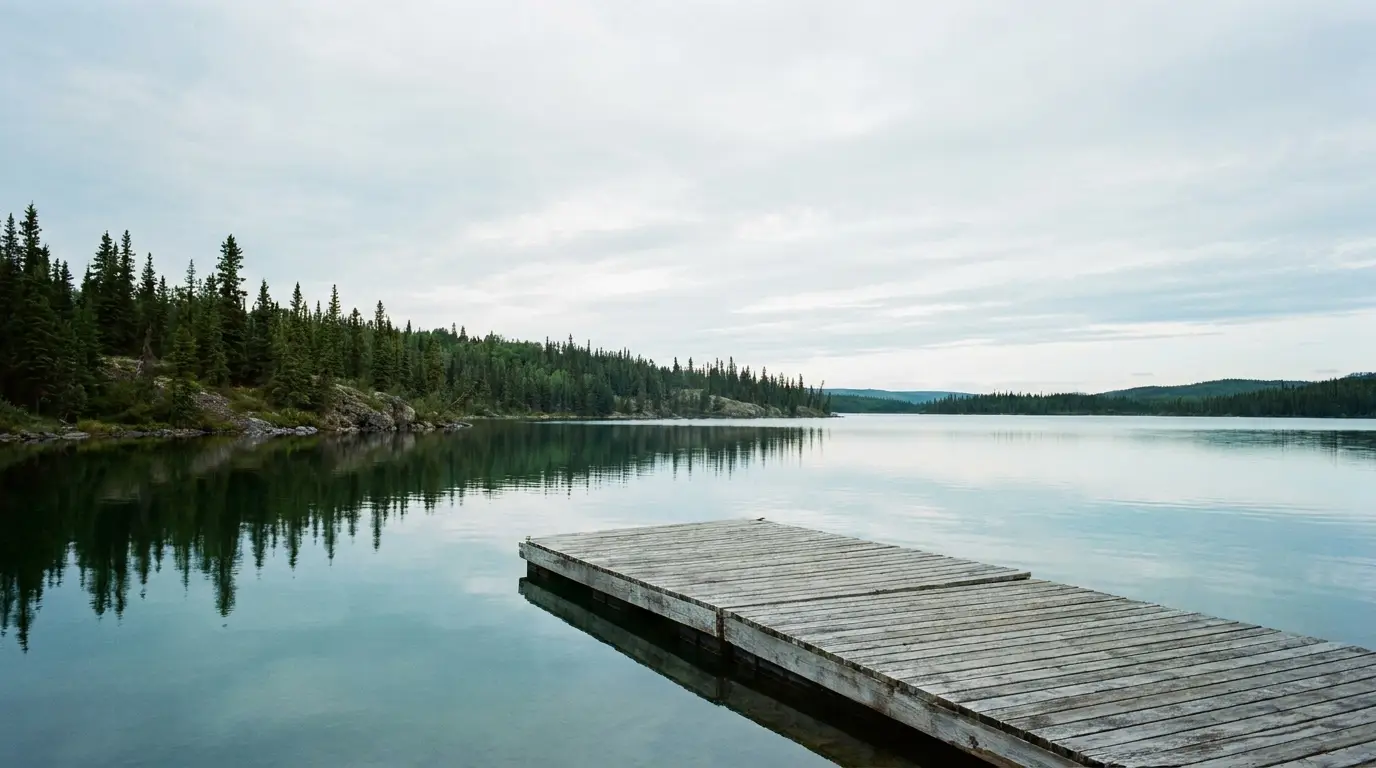
Real estate professionals embedded in the Yukon community bring that knowledge in ways that external consultants find it hard to match. Tait’s perspective is shaped by a life spent in the territory, including formative years living off-grid at Marsh Lake which instilled in him a practical understanding of what northern land and northern living actually require.
First Nations economic development has also become an increasingly important dimension of Yukon real estate projects. Many significant land areas in the territory fall within settlement agreements, and partnerships with First Nations governments represent genuine opportunities for development models that serve a broader community vision. Organizations and developers who engage in those partnerships with respect and a long-term orientation have produced some of the most successful and community-affirming projects the territory has seen.
Development as a Long-Term Commitment to Place
The most enduring Yukon development projects reinforce a genuine commitment to the place and the people within it. In Whistle Bend, for instance, greenbelts woven through that neighborhood are deliberate, permanent features that will serve residents for generations. Families who buy into developments that back onto those green spaces are buying into a vision of community that was designed to outlast the original transaction, separating development that endures from development that created to fill a gap.
Developers who view northern Canada as a transactional opportunity are prone to produce work that confirms the territory’s worst fears about outside investment. Those who arrive with the intention of staying or ensuring their work outlasts their involvement consistently produce better outcomes for communities and for their own reputations.
The greenbelts, gathering spaces, and trail networks woven into newer Whitehorse developments are infrastructure for civic life, and their presence decades from now will reflect the values of the people who built them.
“What I want to see more of in Yukon is development that’s designed with generational thinking,” Tait says. “I’m looking less toward what sells fastest, but what holds up physically, socially, economically twenty years from now. That’s the standard the territory deserves, and increasingly it’s the standard communities are holding developers to.”
Real estate in Yukon is one of the primary mechanisms through which communities are built and defined, and the decisions made now will shape northern life for generations.
Terence Tait is a REALTOR® and owner of Yukon’s Real Estate Advisers (SellingYukon.com), with over 15 years of experience serving one of Canada’s most distinctive property markets. A born-and-raised Yukoner and bilingual Francophone.