

Ever put on Stevie Wonder’s version of a Beatles song and wondered how it came to exist? I get that curiosity. You hear the clavinet groove, the funk rhythm, and think, wait, this started as a Beatles song?
If you searched Stevie Wonder and the Beatles hoping for a clear answer about their connection, you are in the right place. Most people jump straight to one song and stop there, often missing the full picture.
Few musical connections bring together two worlds quite like this one. Let’s look at Stevie Wonder’s famous cover, his real relationship with Paul McCartney, the Beatles songs he actually performed, and how their music shaped his own.
How Stevie Wonder and The Beatles Are Connected
Stevie Wonder and The Beatles never toured together or wrote a song side by side, yet their connection runs deeper than most people realize.
It started with Motown’s influence on British pop, grew through Paul McCartney watching a teenage Wonder perform live in 1966, and became permanent when Wonder recorded a funk reimagining of “We Can Work It Out” in 1970. Their paths crossed again over a decade later, when Wonder and McCartney recorded “Ebony and Ivory” together.
None of this makes them collaborators in the traditional sense, but it does make them two artists whose respect for each other shaped real, documented moments in music history.
Stevie Wonder’s Cover of “We Can Work It Out”

Credits: De-Fi
Stevie Wonder’s version of this Beatles classic is the single biggest reason people search for this topic. Before comparing the two versions, it helps to understand why he picked this song and what he actually did with it.
1. Why He Chose The Beatles Song
Stevie Wonder recorded “We Can Work It Out” for his 1970 album Signed, Sealed & Delivered, at a point when he was already experimenting with Motown’s sound beyond its usual formula. The Beatles’ original was a reflective, mid-tempo tune, and Wonder reportedly connected with its message about compromise and understanding.
Covering a Beatles song was not unusual for Motown artists at the time, since the label often released covers of popular songs. Still, Wonder treated this one as a starting point for something entirely his own rather than a simple reproduction of the original recording.
2. How He Changed The Original
Where The Beatles leaned on acoustic guitars and a harmonium for a folk-pop feel, Wonder rebuilt the song around a clavinet, harmonica, and a driving Motown rhythm section. His vocal delivery replaced the group’s gentle harmonies with a powerful, urgent solo performance that pushed the tempo and energy higher.
The lyrics stayed the same, but the emotional tone shifted from reflective to energetic, turning a conversational plea into something closer to a demand. This transformation is the main reason musicians and critics still discuss the cover decades later, rather than treating it as a simple genre swap.
3. The Legacy of The Cover
Wonder’s version became one of the most recognized Beatles covers ever recorded, frequently mentioned alongside his other early classics from that era. It helped establish him as an artist who could reinterpret outside material without losing his own identity, a skill he carried into his most celebrated original albums later in the decade.
Critics and fellow musicians still point to this recording when discussing how Motown reshaped British pop songs, and it remains a reference point anytime someone asks which Beatles cover reinvented the source material the most.
This cover alone explains most of the search interest behind Stevie Wonder and the Beatles, but it is only one part of a longer story that includes their personal connection too.
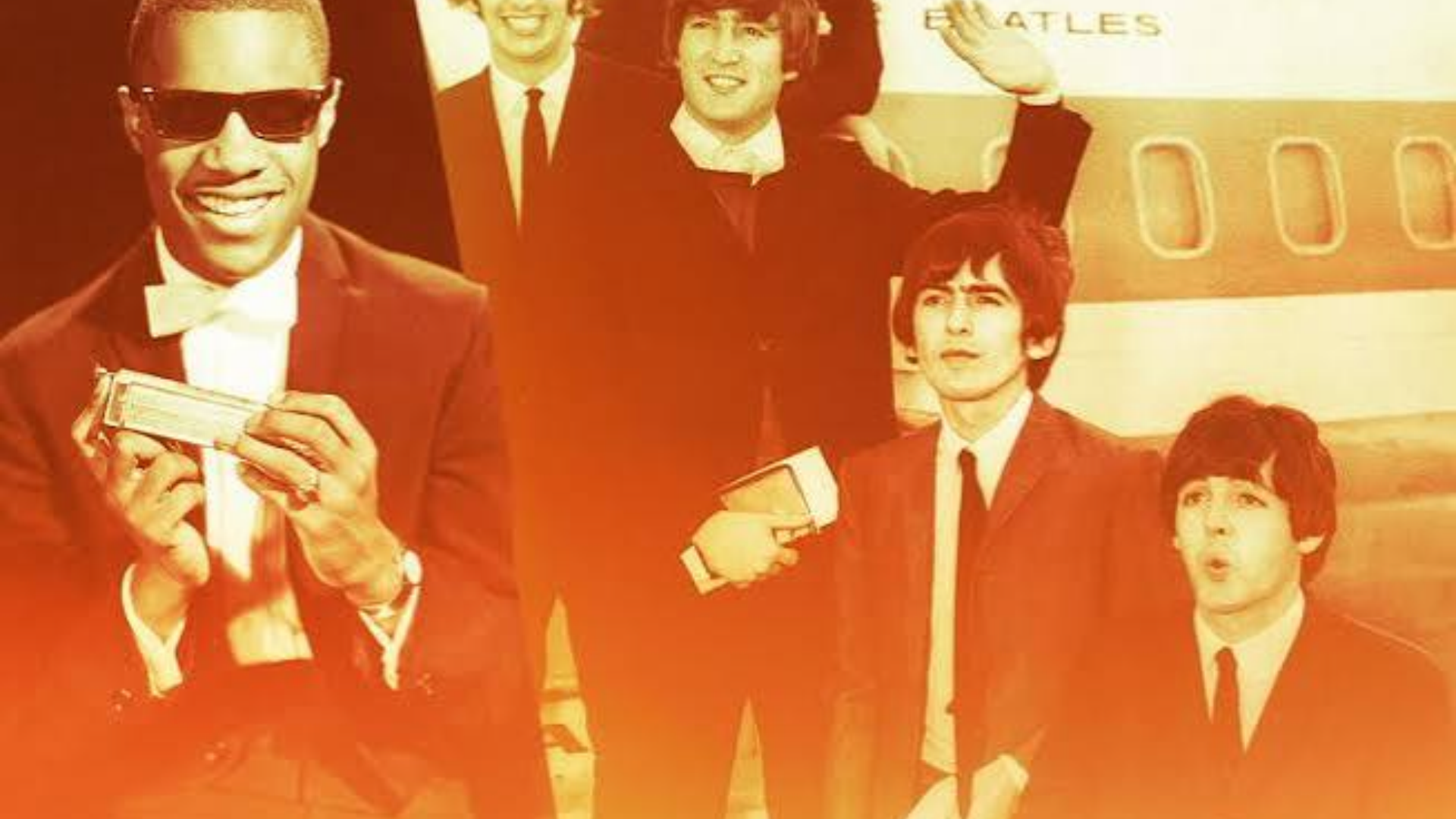
Beatles vs Stevie Wonder’s “We Can Work It Out”
Credits: Slate
Hearing both versions side by side makes the differences obvious, but breaking them down helps explain why one song became two completely different listening experiences almost fifty years apart.
|
Feature |
The Beatles Version |
Stevie Wonder Version |
|---|---|---|
|
Genre |
Folk rock and pop |
Funk and soul |
|
Instruments |
Acoustic guitars, harmonium |
Clavinet, harmonica, funk rhythm section |
|
Vocal style |
Group harmonies |
Solo, powerful lead vocal |
|
Feel |
Reflective, conversational |
Energetic, urgent |
|
Release |
1965, on the single “We Can Work It Out” |
1970, on Signed, Sealed & Delivered |
Neither version is objectively better, but the contrast shows how far a single song can travel when a different genre, era, and artist reshape it from the ground up entirely.
When Stevie Wonder Met The Beatles
Paul McCartney first saw Stevie Wonder perform live in London in 1966, when Wonder was still a teenager building his reputation as a Motown prodigy. The Beatles were already deep into their fascination with American soul and Motown records, and that London performance reportedly left an impression on McCartney that lasted for years.
No reliable documentation shows Wonder meeting John Lennon, George Harrison, or Ringo Starr personally, and most sources treat that connection as unconfirmed rather than forgotten. What is documented is the mutual respect between two camps of musicians working in very different scenes, which set the stage for a real collaboration years later.
Stevie Wonder and Paul McCartney’s “Ebony and Ivory”
Twelve years after that London performance, Stevie Wonder and Paul McCartney turned mutual admiration into an actual studio collaboration. Here is what made “Ebony and Ivory” one of the most talked-about pairings in either artist’s career:
- Released in 1982 on McCartney’s album Tug of War
- Reached number one on the charts in both the US and UK
- Used a piano metaphor about racial harmony that became the song’s defining image
- Paired two of the most recognized voices in pop and soul music on a single track
- Remains the most concrete, fully documented collaboration between the two artists
The song’s massive commercial success cemented Wonder and McCartney’s connection in a way no cover version alone ever could, giving their earlier, more distant admiration a permanent place in music history.
Beatles Songs Stevie Wonder Has Performed
Most articles stop at one song, but Wonder has touched Beatles material more than once over the decades, whether in the studio or on stage during tributes and televised performances.
|
Song |
Year |
Performance Type |
|---|---|---|
|
We Can Work It Out |
1970 |
Studio recording on Signed, Sealed & Delivered |
|
We Can Work It Out |
Various |
Live performances at award shows and tributes |
|
Beatles medleys |
Various |
Occasional live tribute segments at Motown and Beatles anniversary events |
Outside of “We Can Work It Out,” there is no widely documented studio recording of another full Beatles song by Wonder, so treat any other title you see online with some caution.
How The Beatles Influenced Stevie Wonder
Beyond the cover and the collaboration, The Beatles left a mark on how Wonder approached songwriting itself. That influence shows up most clearly across his catalog throughout his career.
1. Songwriting Approach
Wonder has spoken about admiring The Beatles’ willingness to write songs that broke away from simple verse-chorus formulas, favoring unexpected chord changes and shifting song structures. That same willingness to experiment shows up across his own catalog, especially in albums like Innervisions and Songs in the Key of Life, where tracks rarely follow a predictable pattern.
While Motown had its own songwriting traditions, Wonder increasingly pushed against those boundaries during the 1970s, a shift many critics link partly to the same spirit of experimentation that defined The Beatles’ later work.
2. Studio Experimentation
The Beatles became known for using the studio itself as an instrument, layering sounds and trying techniques that were unusual for pop music at the time. Wonder took a similar approach once he gained more creative control over his own recordings in the early 1970s, experimenting with synthesizers, layered vocals, and unconventional arrangements.
Both artists treated the studio as a space for discovery rather than simple recording. That shared mindset is part of why critics often mention them together when discussing musical innovation from their respective eras.
3. Musical Creativity and Genre-Blending
The Beatles blended rock, pop, classical touches, and world music influences long before genre-blending became common practice. Wonder did something similar within soul and funk, incorporating jazz, reggae, and electronic elements into albums that still sound distinct today.
Neither artist stayed within a single lane for long. That shared refusal to be boxed into one sound is part of what critics point to when explaining why musicians from such different backgrounds ended up respecting each other’s work.
This influence rarely gets mentioned outside music history circles. Still, it helps explain why Wonder’s respect for The Beatles went beyond a single cover song into something closer to genuine creative kinship.
Why Stevie Wonder and The Beatles Still Matter Today
Their connection is not just trivia for music fans; it says something bigger about how genres influence each other. Here is why this story still gets discussed decades after it happened:
- It shows Motown and British pop influencing each other in real, documented ways.
- “We Can Work It Out” remains a textbook example of how a cover can outshine expectations.
- “Ebony and Ivory” is still referenced in conversations about music and cultural symbolism.
- Their story is often cited when discussing genre-crossing collaborations in pop history.
- New listeners keep discovering the cover through playlists and retrospective features.
None of this requires Wonder and The Beatles to have been close friends or frequent collaborators, since their impact came from a small number of genuinely significant moments they shared.
Wrapping Up Stevie Wonder’s Beatles Legacy
Stevie Wonder’s story with The Beatles was never about a long friendship or years of collaboration. It was built on a handful of real, documented moments that mattered more than volume ever could.
You now know his famous funk reinterpretation of “We Can Work It Out,” how it differs from the original, and the story behind his later work with Paul McCartney on “Ebony and Ivory.” You also know where documented facts stop and guesswork begins.
Understanding Stevie Wonder and the Beatles this way gives you the full picture, not just one famous song. Try listening to both versions back to back, and let me know which one you like more.
Frequently Asked Questions
Did Stevie Wonder Ever Meet John Lennon?
There is no widely documented meeting between Stevie Wonder and John Lennon specifically. Most confirmed connections point to Paul McCartney, making Lennon’s personal relationship with Wonder one of the more unclear parts of this history.
Has Stevie Wonder Covered Any Other British Bands?
Wonder has occasionally referenced or performed material from other British artists live. However, none reach the same documented, studio-recorded significance as his Beatles cover, which remains his most notable British rock reinterpretation.
Did The Beatles Ever Publicly React to Wonder’s Cover?
No widely reported public statement from Paul McCartney, Ringo Starr, or the Lennon and Harrison estates specifically addresses Wonder’s cover. However, McCartney’s later collaboration with Wonder suggests lasting respect between them.
Is “We Can Work It Out” Available on Streaming Platforms?
Yes, Stevie Wonder’s version appears on major streaming platforms as part of his Signed, Sealed & Delivered album, making it easy to compare directly against The Beatles’ original recording.