


Salmon is one of those foods that just feels right on your plate. Bright, flaky, and full of flavor, it also packs a nutritional punch.
A lot of that comes down to protein, and knowing how much protein a serving of salmon actually gives you can help you plan meals with more confidence.
This blog breaks down its nutrition, the health benefits of eating it, and a few easy recipes.
Why is Salmon Considered a Nutrient-Rich Seafood Choice?
Salmon is considered a nutrient-rich seafood choice because it provides a rich mix of protein, healthy fats, vitamins, and minerals in a single serving.
It contains omega-3 fatty acids, vitamin D, vitamin B12, and selenium, which are important for daily body functions.
Unlike many protein sources, salmon also provides beneficial fats along with essential nutrients.
Adding salmon to meals can help create a balanced diet while offering a variety of nutrients that support overall health.
Salmon Nutrition Facts
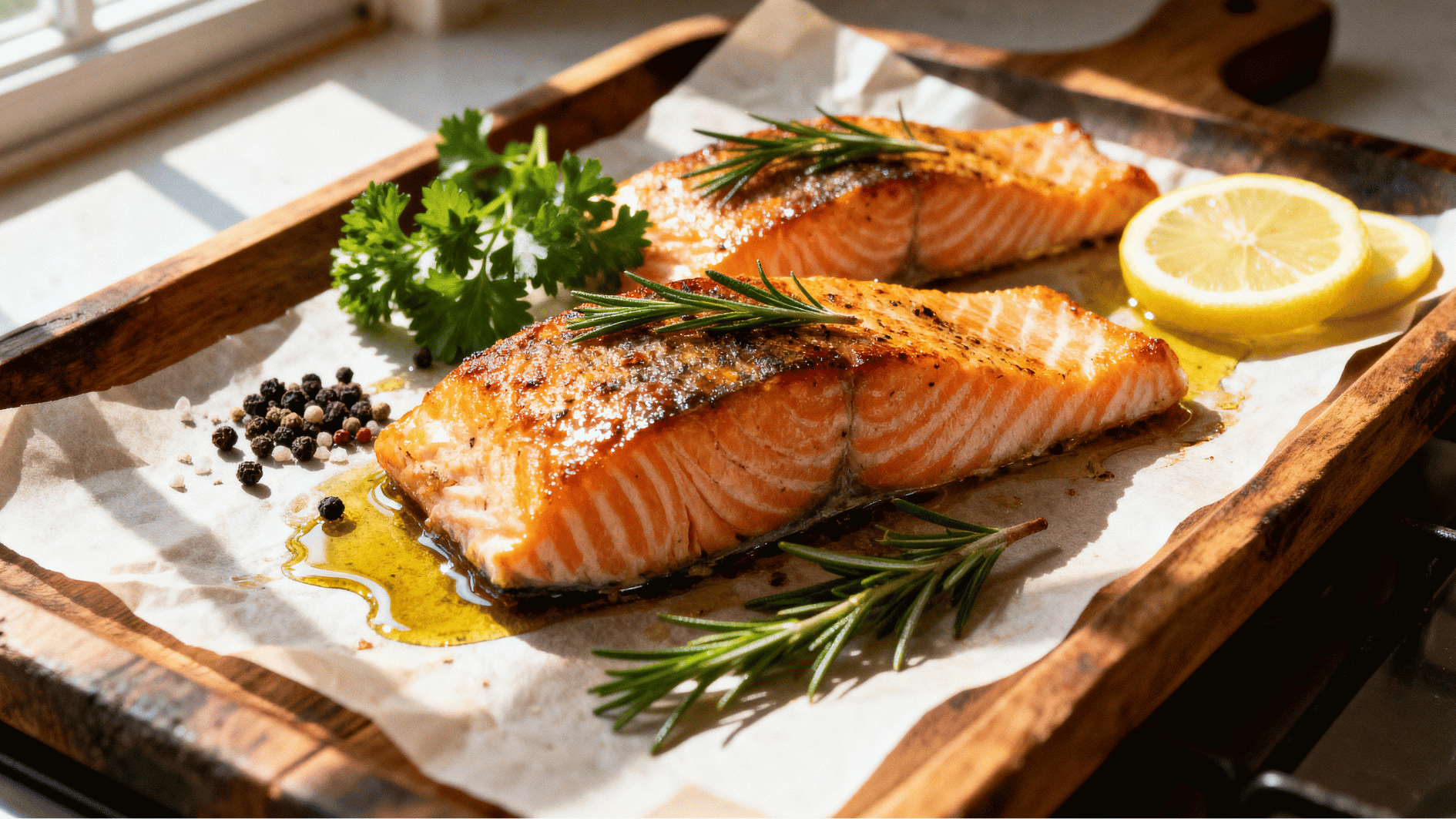
The salmon nutrition facts below provide a quick breakdown per 100 g to help you understand its overall nutritional value.
| Nutrient | Amount per 100g | Why It Matters |
|---|---|---|
| Calories | 206 kcal | Provides energy from protein and healthy fats |
| Protein | 22 g | Supports muscle growth and repair |
| Total Fat | 12 g | Includes healthy fats that support body functions |
| Saturated Fat | 3 g | A small portion of the total fat content |
| Omega-3 Fatty Acids | 2 to 2.5 g | Supports heart and brain health |
| Carbohydrates | 0 g | Salmon naturally contains no carbohydrates |
| Vitamin D | 11 mcg | Helps support bones and immune function |
| Vitamin B12 | 3.2 mcg | Supports nerve health and red blood cell production |
| Selenium | 36 mcg | Helps protect cells and supports thyroid function |
What are the Health Benefits of Eating Salmon?
Beyond the numbers on the label, salmon’s nutrients do real work in the body, from a healthier heart to stronger muscles.
- Heart Support: Salmon’s omega-3 fats are linked with supporting healthy heart function and overall cardiovascular wellness.
- Brain Support: DHA, an omega-3 fatty acid, plays an important role in maintaining normal brain function.
- Muscle Support: The protein in salmon helps maintain and repair body tissues.
- Bone Strength: Vitamin D and phosphorus help support healthy bones when combined with a balanced diet.
- Daily Nutrition: Salmon offers several nutrients in one serving, making it a nutrient-rich meal choice.
Easy Salmon Recipes to Try for Healthy Meals
Adding salmon to everyday meals can be simple and flavorful with recipes that keep nutrition balanced and cooking easy.
1. Baked Lemon Garlic Salmon
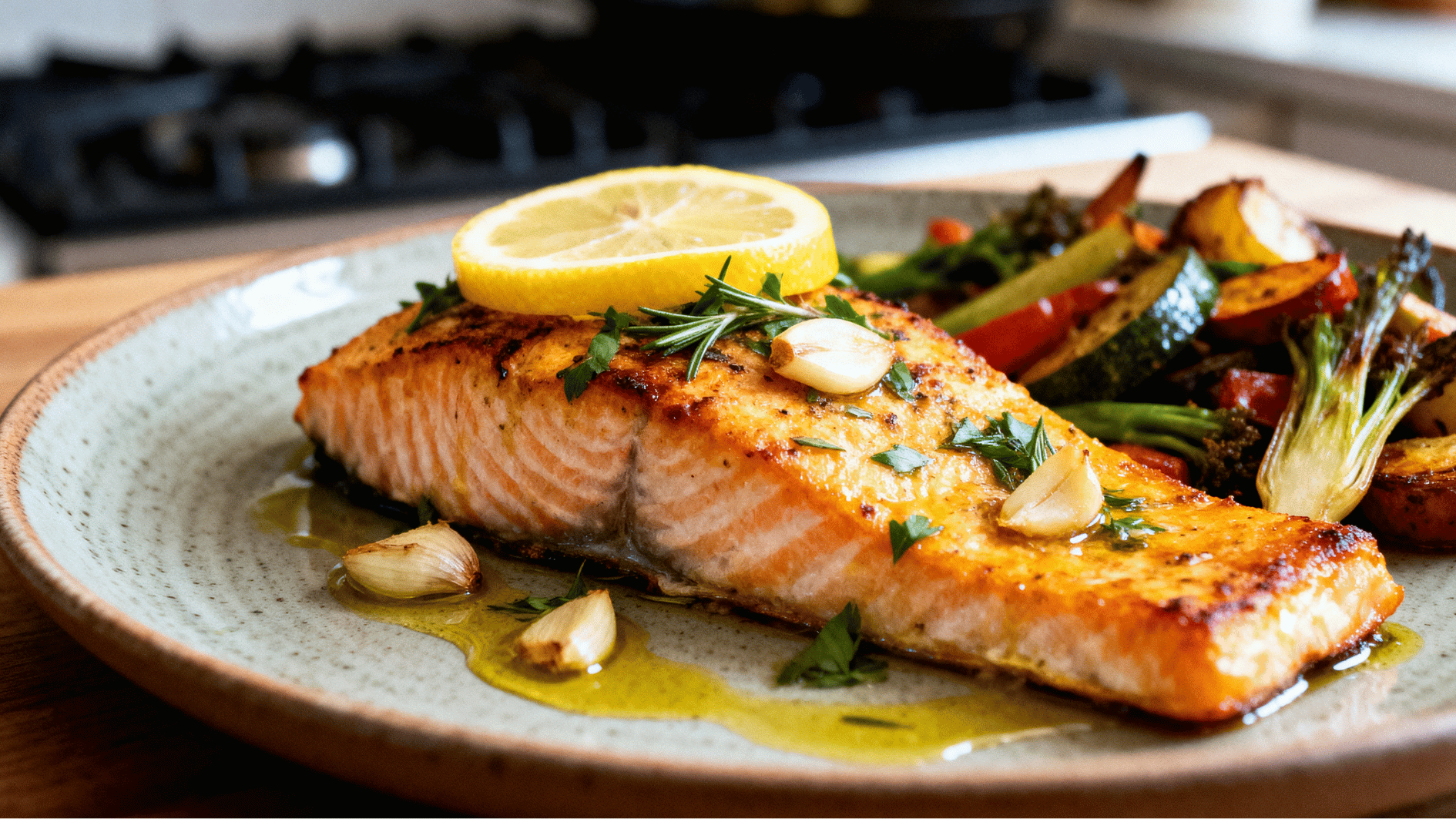
This baked lemon garlic salmon recipe combines fresh flavors with simple preparation, making it an easy option for a healthy everyday meal.
Ingredients: Salmon fillet, fresh lemon slices, minced garlic, olive oil, black pepper, salt, fresh parsley
Preparation Steps:
- Preheat the oven and place the salmon fillet on a baking tray.
- Add olive oil, garlic, salt, pepper, and lemon slices on top.
- Bake until the salmon is cooked through and flakes easily with a fork.
- Garnish with fresh herbs before serving.
2. Grilled Salmon with Vegetables
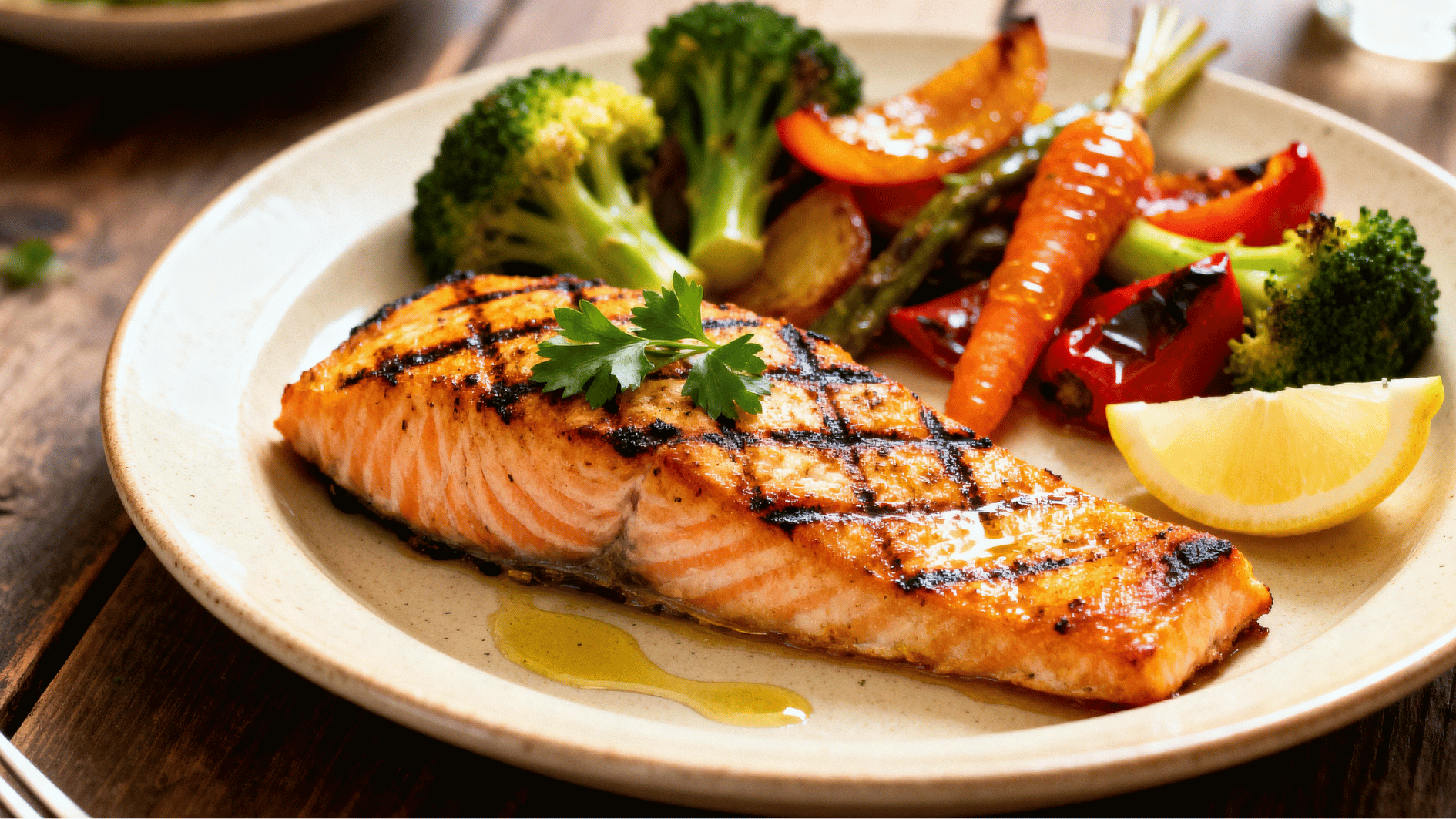
Grilled salmon with vegetables is a quick and healthy meal that combines lean protein with colorful, nutrient-rich sides.
Ingredients: Salmon fillet, broccoli, carrots, bell peppers, olive oil, lemon juice, garlic powder, black pepper, salt
Preparation Steps:
- Season salmon with olive oil, lemon juice, garlic powder, salt, and pepper.
- Grill the salmon until it develops a light crust and cooks evenly.
- Grill or roast vegetables until tender.
- Serve salmon with vegetables for a balanced meal.
3. Salmon Rice Bowl
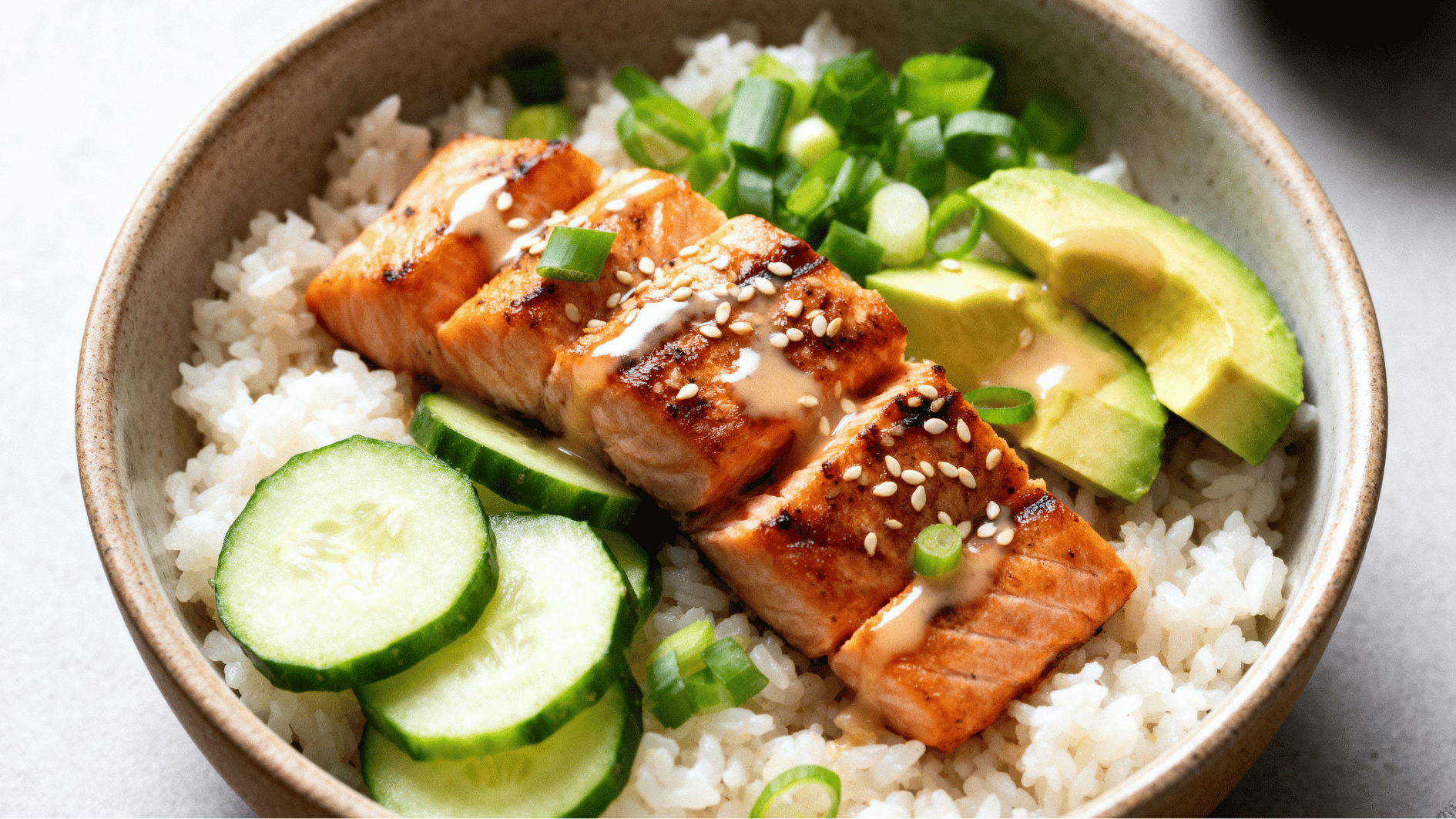
This salmon rice bowl combines tender salmon, wholesome grains, and fresh toppings for a balanced, easy-to-prepare meal.
Ingredients: Cooked salmon pieces, brown rice, cucumber slices, avocado, green onions, soy sauce, sesame seeds
Preparation Steps:
- Prepare a bowl with cooked rice as the base.
- Add salmon pieces, vegetables, and avocado on top.
- Drizzle with soy sauce or dressing.
- Sprinkle sesame seeds and serve fresh.
4. Salmon Salad with Fresh Greens
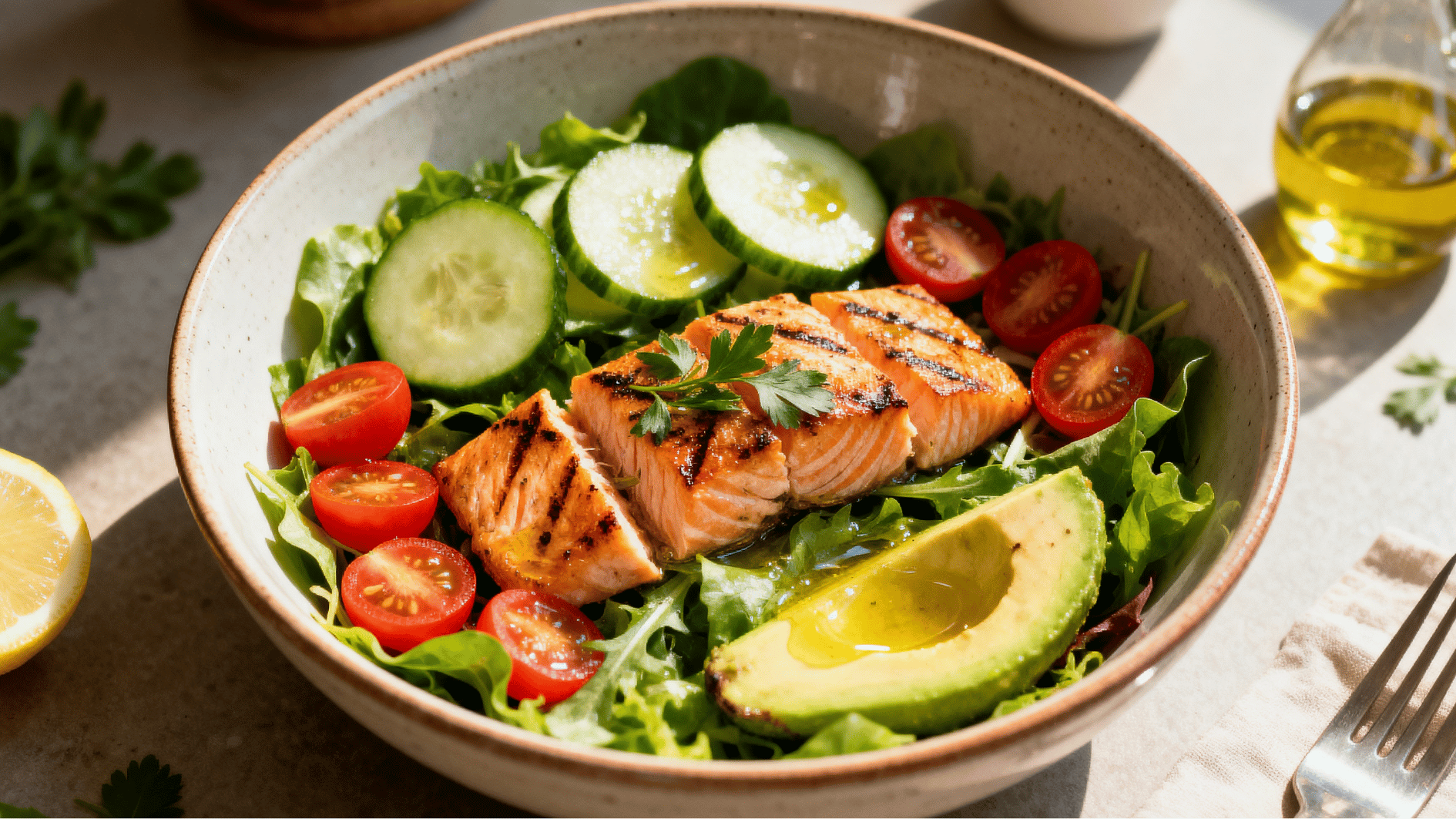
This salmon salad with fresh greens is a light and nutritious meal that combines protein-rich salmon with crisp vegetables and simple flavors.
Ingredients: Cooked salmon pieces, lettuce or spinach, cherry tomatoes, cucumber, olive oil, lemon juice, black pepper
Preparation Steps:
- Add fresh greens, tomatoes, and cucumber to a bowl.
- Place cooked salmon pieces over the vegetables.
- Mix olive oil, lemon juice, and pepper to create a simple dressing.
- Toss gently and serve as a light meal.
Salmon Serving Size and Recommendations
Salmon fits easily into a balanced diet when you stick to general seafood intake recommendations and choose appropriate portions.
Eating fish like salmon a few times each week fits well within most dietary guidelines.
A typical serving is about 3 to 4 ounces for adults. Portion needs may vary based on age, health goals, and dietary preferences.
People following specific diets should consider their overall nutrient needs when adding salmon to meals.
The Bottom Line
Salmon is easy to love and easy to make. It fits into almost any meal without much fuss.
Whether it’s a quiet weeknight dinner or a weekend treat, a well-cooked fillet always hits the spot. Once you know how much salmon to serve per person, planning meals gets a lot easier.
Pair it with some greens and a squeeze of lemon, and your plate looks as good as it tastes. Try one of the recipes above and see how simple a good meal can be.
Frequently Asked Questions
How Much Protein Is in A 4 Oz Piece of Salmon?
A 4 Oz Serving of Salmon Provides About 22 to 29 Grams of Protein, Depending on The Type and Source.
What Is the Nutritional Value of 8 Oz of Salmon?
An 8 Oz Serving of Salmon Contains Around 320 to 470 Calories, 45 to 54 Grams of Protein, and healthy omega-3 fats.
Why Shouldn’t You Eat Salmon Every Day?
Eating Salmon Daily May Increase Exposure to Certain Contaminants, so Most Guidelines Suggest Enjoying Fatty Fish a Few Times per Week.