


Introduction
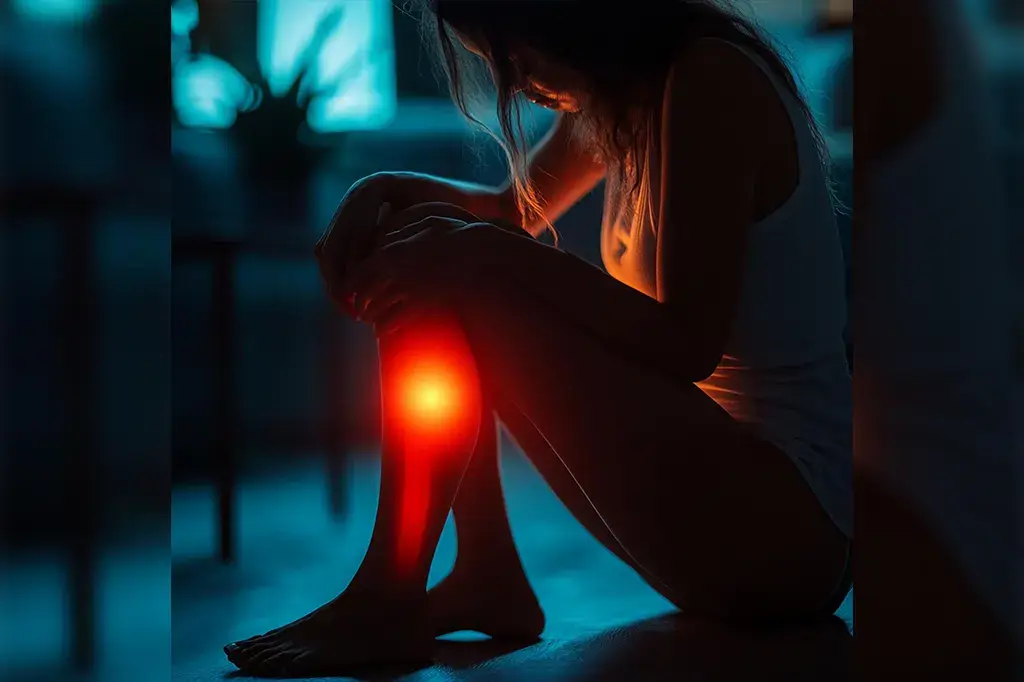
Knee pain and joint discomfort have pushed many Americans to look beyond traditional pain management. Joint problems can be caused by sports injuries, old age or simply from basic walking and moving, and can have a significant effect on a person’s life. This need has initiated an interest in non-invasive processes of recovery which can operate within the body’s natural healing processes.
Red light therapy or LED light therapy has been carried from the study into houses all over the country. Athletes accelerating recovery, gym enthusiasts managing soreness, older adults improving mobility, and anyone with chronic knee discomfort are exploring this light-based approach.
As interest grows, reliable information matters. Resources like Red Light Therapy Digest provide fact-based information on wearable devices, recovery tools, and wellness technology trends, helping people make informed decisions.
What Is Red Light Therapy?
Red light therapy, scientifically called photobiomodulation, uses specific light wavelengths to interact with cells beneath your skin. Unlike UV light that damages skin, red and near-infrared wavelengths are safe and get absorbed by cells to support biological processes.
The two important wavelengths are:
- 660nm red light – affects surface tissues and skin
- 850nm near-infrared light – penetrates deeper to reach muscles, tendons, and joints
When cells absorb these wavelengths, they stimulate mitochondria—your cells’ energy producers—potentially boosting cellular energy. This process can help to increase blood flow, which brings oxygen and nutrients to the body and removes waste. These mechanisms promote conditions of natural healing for the knee, minimize temporary inflammation of the joint and facilitate tissue repair with continued use, especially when using these for knee pain and joint recovery.
Why People Are Using LED Light Therapy for Knee Pain
Non-Invasive Wellness Alternative
Red light therapy’s appeal comes from being non-invasive. No drugs. No surgery. No downtime. Users fit treatment sessions into their schedules without disrupting daily activities or dealing with medication side effects.
The at-home convenience changes everything. No appointments. No travel. Just therapy during morning routines, post-workout recovery, or evening relaxation.
Supports Active Lifestyles
Different groups are embracing red light therapy:
- Runners dealing with runner’s knee
- Gym-goers managing post-workout joint soreness
- Weekend warriors experiencing overuse injuries
- Aging adults maintaining mobility and independence
As joint flexibility naturally decreases with age, non-invasive therapies become crucial for preserving quality of life and staying active.
Growing Consumer Interest in Recovery Technology
Recovery isn’t passive rest anymore—it’s an intentional practice deserving dedicated tools. Individuals researching wearable solutions often compare the best red light therapy devices for knee recovery to understand wavelength combinations, coverage area, and wearable comfort.
Dr. Michael Hamblin, a leading photobiomodulation researcher, notes that consistent use of appropriate wavelengths may support circulation and provide temporary inflammation relief when integrated into regular wellness routines. Consistency is why wearable devices designed for repeated use have gained serious traction.
Why Wearable Red Light Therapy Devices Are Trending
Wearable devices solve practical problems. Traditional light panels require sitting still in front of a light source. Wearables eliminate this through portability and hands-free operation.
Key advantages include:
- Superior coverage – wrap-style devices cover the entire joint structure
- Hands-free convenience – wear while reading, working, or doing light tasks
- Consistency support – easier to use daily when it fits seamlessly into life
- Comprehensive treatment – reaches kneecap, tendons, and connecting muscles

Popular Wearable Devices
NOVAA Knee Ultra
Purpose-built for knee therapy with full wrap coverage ensuring light reaches all joint angles. This addresses knee anatomy’s complexity, where pain rarely originates from a single point.
Glōkore Red Light Therapy Wrap
Flexible wrap format works for knees, elbows, shoulders, or other joints. Ideal for managing multiple discomfort areas or wanting one versatile device.
Bestqool Red Light Therapy Belt (Redot S)
Portable LED belt combining red and near-infrared wavelengths. Treats lower back, hips, and surrounding areas that often contribute to knee problems.
What Users Should Look for in a Knee Recovery Device
Wavelength Combination
Effective devices use both 660nm and 850nm. The 660nm addresses surface tissues and inflammation, while 850nm penetrates deeper to joint capsules, ligaments, and bone. This dual approach treats tissue depths.
Coverage Area
Knees involve joints plus surrounding muscles, tendons, and ligaments. Wrap-around coverage ensures light reaches all critical areas, not just one surface.
Wearability and Comfort
Look for:
- Flexible materials conforming to body contours
- Adjustable straps fitting different leg sizes
- Lightweight construction avoiding pressure points during 15-30 minute sessions
Comfort influences whether you’ll actually use it regularly, and consistency determines results.
Irradiance and Device Quality
Irradiance measures power output (mW/cm²). Higher irradiance means more photons reaching tissues. Quality extends to brand reputation, warranties, customer support, and transparent testing data. Reputable brands invest in proper engineering rather than exaggerated claims.
The Growing Role of™ Red Light Therapy in Modern Wellness
Red light therapy’s rise reflects how people approach health differently now. Wellness shifted from reactive symptom management to proactive self-care. Recovery is recognized as equally important as the activities requiring it—intense workouts, demanding jobs, or accumulated daily stress.
Contributing factors:
- Social media communities sharing biohacking, performance, and healthy aging experiences
- Wellness influencers demonstrating devices in action, demystifying clinical-seeming technology
- At-home accessibility democratizing practices once limited to expensive clinics or pro athletic teams
This democratization empowers people to actively manage their health, experimenting to discover what works for their unique situations.
Final Thoughts
Red light therapy is a popular, convenient, and non-invasive method used to treat knee pain and improve joint function. As wearable tech moves forward and consumers gain knowledge, trust in using LED light therapy in their everyday lives increases.
The technology targets real needs, such as mobility, discomfort management and recovery, with minimal changes to lifestyle and little time. Whether you are an athlete looking to keep up the performance, an active adult wanting to keep their independence, or someone struggling with joint issues, red light therapy can be an additional element in a broader wellness strategy.
It is best recognized as a supportive practice that, with the correct movement, nutrition, rest, and expert advice as necessary, could aid in better joint health and quality of life. As part of lifestyles prioritizing long-term function over quick fixes, it represents a thoughtful, evidence-informed approach to personal wellness.















