Punk was never supposed to borrow from the establishment. The entire project was built on refusal — of mainstream aesthetics, of inherited taste, of the visual codes that signaled respectability and compliance. When safety pins appeared on clothing, they weren’t decorations borrowed from the jewelry box. They were a deliberate inversion, taking something functional and mundane and charging it with antagonism.
What happened over the decades that followed is more interesting than a simple story of subculture becoming mainstream. The relationship between punk aesthetics and traditional markers of refinement has been a long, ongoing negotiation — one that has produced some of the more genuinely creative visual statements in fashion history precisely because of the tension it works with rather than despite it.
The incorporation of traditionally formal jewelry into underground style isn’t a recent development or a social media trend. It has roots in the original punk moment and has been continuously reinterpreted through post-punk, goth, riot grrrl, and the various pop punk iterations that have carried the aesthetic conversation into the present.
The Logic of the Subversive Accessory
Subcultures have always understood that the most effective transgression isn’t pure destruction — it’s recontextualization. Taking something that carries established meaning and placing it in a context that destabilizes that meaning produces more interesting results than simply rejecting the thing entirely.
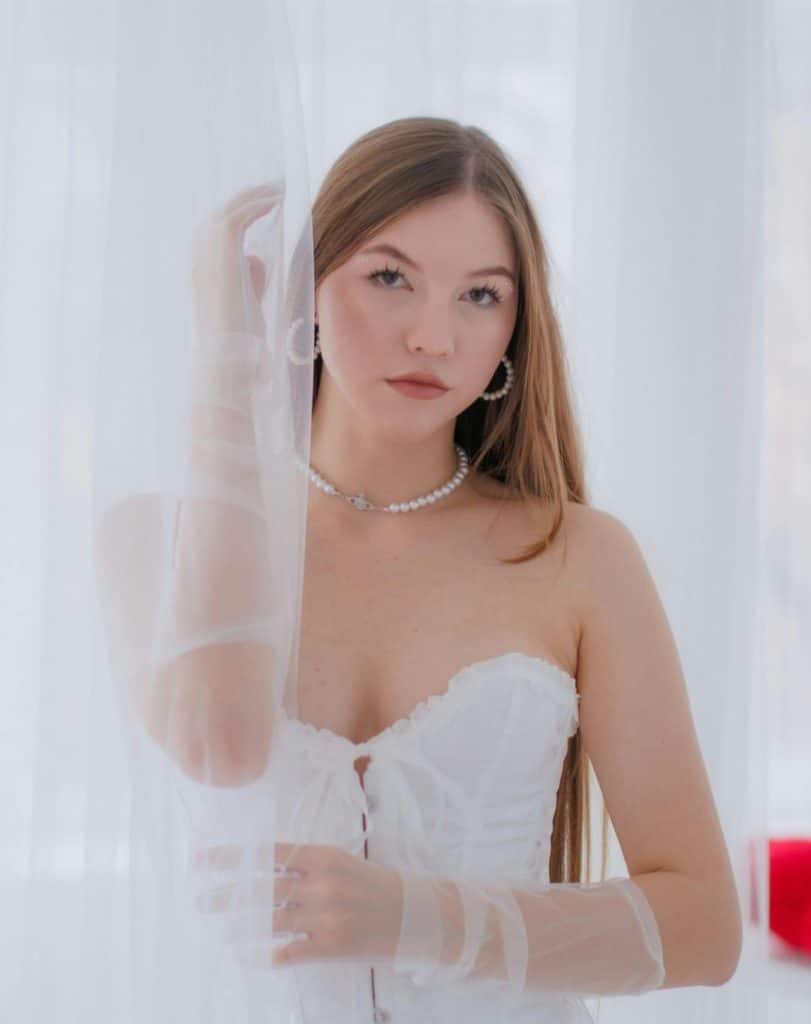
This is the logic that made pearl earrings a recurring element in punk and post-punk dressing — not worn as they appear in a portrait of an heiress or a graduation photograph, but placed against a backdrop that refuses everything those contexts represent. A torn fishnet, a leather jacket with hand-painted imagery, a shaved head or a dramatic dye job — these are the contexts that transform a traditionally refined piece into something that reads as confrontational precisely because of the dissonance between the object and its surroundings.
The pearl doesn’t lose its associations in that context. It brings them — and the tension between what the piece carries culturally and what the rest of the look is doing is exactly the point.
Post-Punk and the Aestheticization of the Transgressive
As punk gave way to post-punk in the late seventies and early eighties, the visual vocabulary became more deliberately constructed. The raw energy of early punk made way for a more considered aesthetic — one that was still oppositional but was also genuinely interested in beauty, in history, in the visual languages of the past that could be appropriated and distorted.
The goth scene that emerged from this moment was particularly invested in the recontextualization of traditional elegance. Victorian jewelry, religious iconography, the visual grammar of mourning dress — these were absorbed into a subculture aesthetic that found them resonant for reasons that had nothing to do with their original contexts. Pearls appeared here not as ironic commentary but as genuine aesthetic material, their association with a kind of formal, old-world refinement making them exactly the right counterpoint to the darkness the aesthetic was exploring.
Riot Grrrl and the Political Dimension
The riot grrrl movement of the early nineties added a specifically political dimension to the recontextualization of traditionally feminine accessories. The project of taking objects associated with performed femininity — the kind of femininity that punk had often rejected along with everything else mainstream culture valued — and reclaiming them as part of a deliberately confrontational female aesthetic was about agency as much as aesthetics.
Wearing pearls with a band t-shirt and combat boots wasn’t styling. It was a statement about the relationship between femininity and power, about the right to define what objects mean rather than accepting inherited definitions. The accessories associated with a certain kind of respectable, contained womanhood became tools for expressing something that was neither respectable nor contained.
Pop Punk and the Mainstreaming of the Tension
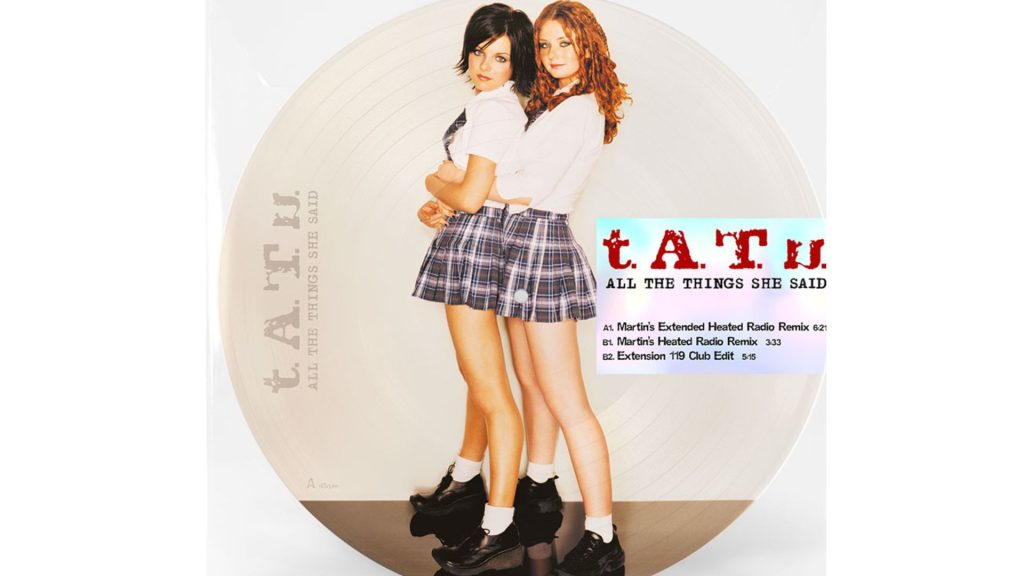
Pop punk absorbed these threads and carried them to a significantly wider audience, softening some of the edges but maintaining the essential visual logic of contrast and recontextualization. The aesthetic that emerged — and that has experienced significant revival energy in recent years — combines traditionally feminine or formally associated pieces with the visual codes of youth rebellion in a way that’s become its own coherent language rather than a derivation of its sources.
The contemporary pop punk aesthetic’s relationship with traditional jewelry operates in a more playful register than its predecessors. The tension is still present, but it’s been domesticated enough that the combination reads as intentional styling rather than transgression — which is perhaps inevitable when the aesthetic has been visible enough for long enough that its logic has been absorbed into the broader fashion vocabulary.

What the Tension Produces
The ongoing conversation between punk aesthetics and traditional jewelry isn’t really about jewelry. It’s about what objects mean, who gets to decide, and what happens when meaning gets contested through the way things are worn together.
The most interesting moments in that conversation have always been the ones where the tension is genuine — where the contrast between the piece and its context produces something that neither element would produce alone. That productive dissonance is what makes the aesthetic territory worth returning to, across decades and iterations that keep finding new ways to work with it.