

Bacon smells incredible on a Sunday morning, but that first bite sometimes comes with a little guilt.
You start scrolling for answers, wondering if this crispy favorite is secretly wrecking your diet. It’s not as bad as your brain wants you to believe.
Bacon has earned an unfair reputation, and most of what people repeat about it isn’t the full picture.
In this blog, we’re breaking down the real protein in bacon, learning bacon nutrition facts, and finally answering the question everyone keeps asking: is bacon bad for you, or is it simply misunderstood?
What Makes Bacon Different From Other Breakfast Foods?
Bacon stands out from many breakfast foods because of its smoky flavor, crispy texture, and high fat content.
Unlike foods like oatmeal, fruit, or whole-grain toast, bacon is mainly made from pork and contains more protein and fat in a small serving.
It is also a processed meat, which means it goes through curing and seasoning before cooking.
Knowing these differences can help you see where bacon fits in your diet and what to consider when looking at its nutrition facts.
Bacon Nutrition Facts
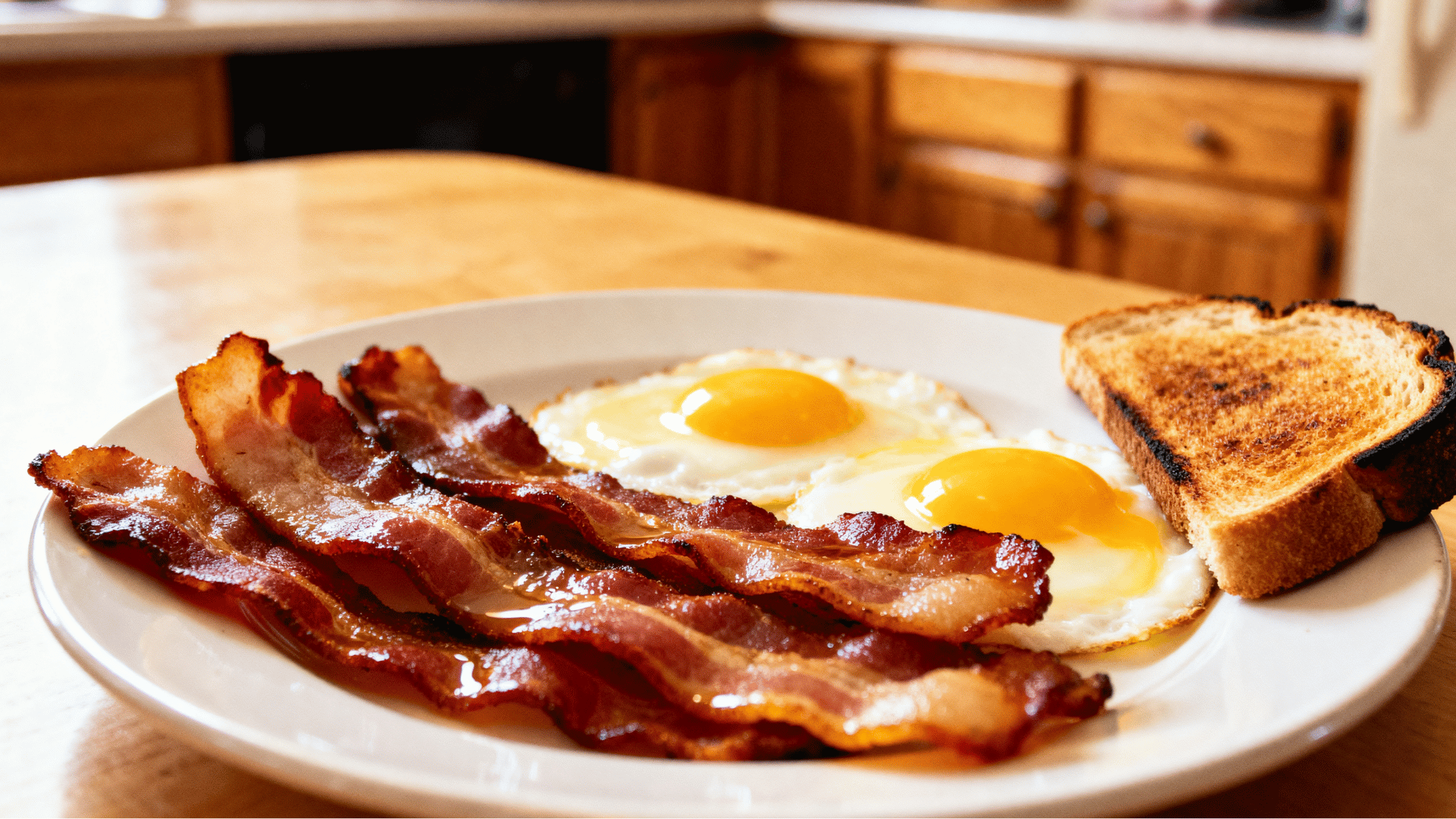
Bacon nutrition facts help you understand its calories, protein, fat, and sodium content before adding it to your meals. The table below breaks down the key nutrients found in a typical serving.
| Nutrients | Amount (2 Slices Of Cooked Bacon, Approx.) | Key Details |
|---|---|---|
| Calories | 70 to 100 calories | Depends on slice size, thickness, and cooking style |
| Protein | 5 to 6 grams | Adds some protein but is not a high-protein food |
| Total Fat | 6 to 8 grams | Bacon gets much of its energy from fat |
| Saturated Fat | 2 to 3 grams | A type of fat that should be limited in large amounts |
| Carbohydrates | 0 grams | Plain bacon has little to no carbs |
| Sodium | 300 to 400 mg | Curing adds salt, increasing sodium levels |
Which Type of Bacon Has the Most Protein?
Canadian bacon usually provides the most protein among common bacon types because it comes from a leaner cut, and the comparison below shows how other options differ.
- Regular Pork Bacon: Contains moderate protein but also has a higher fat content because it is usually made from pork belly.
- Thick Cut Bacon: Provides slightly more protein due to its larger size, but it may also contain more calories and fat per serving.
- Turkey Bacon: May have less fat than regular bacon, but it is not always healthier because some varieties contain high sodium levels and added ingredients.
- Canadian Bacon: Usually has more protein and less fat because it comes from a leaner pork cut, making it different from traditional bacon.
- Best Choice Depends On Goals: The right bacon option depends on protein needs, sodium intake, portion size, and overall eating habits.
Easy Bacon Recipes To Try at Home
Bacon can be added to many simple meals, and these recipes show easy ways to enjoy its flavor while keeping portions balanced.
1. Bacon And Egg Breakfast Wrap
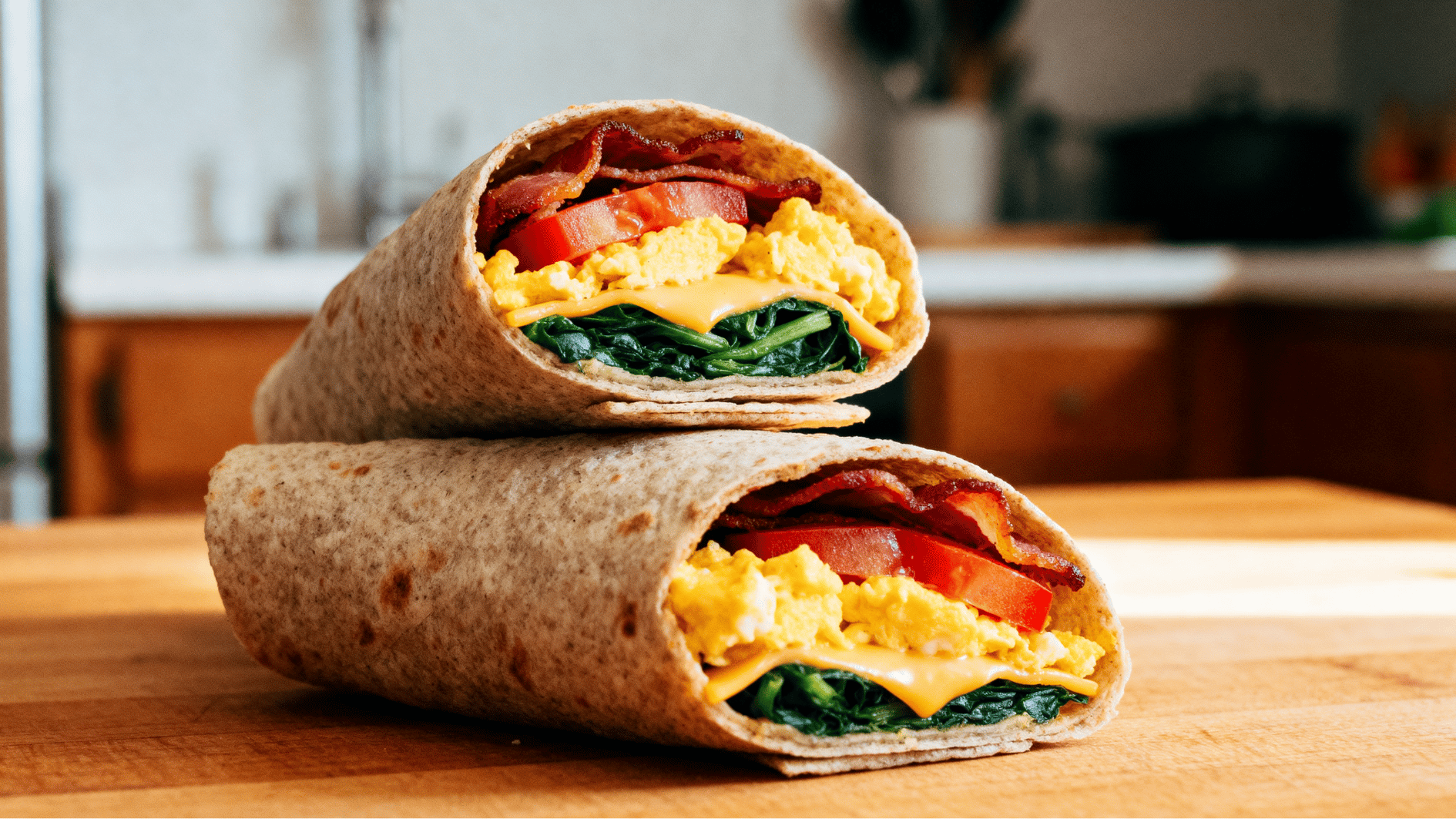
This quick breakfast wrap combines crispy bacon, eggs, and fresh vegetables for a filling meal that is easy to prepare.
Ingredients: Bacon, eggs, whole wheat tortilla, spinach, cheese, tomatoes, salt, and pepper.
Preparation Steps:
- Cook bacon in a pan until crispy, then set it aside.
- Scramble eggs in the same pan and season with salt and pepper.
- Place eggs, bacon, spinach, tomatoes, and cheese on the tortilla.
- Roll the tortilla tightly and serve warm.
2. Bacon Avocado Toast
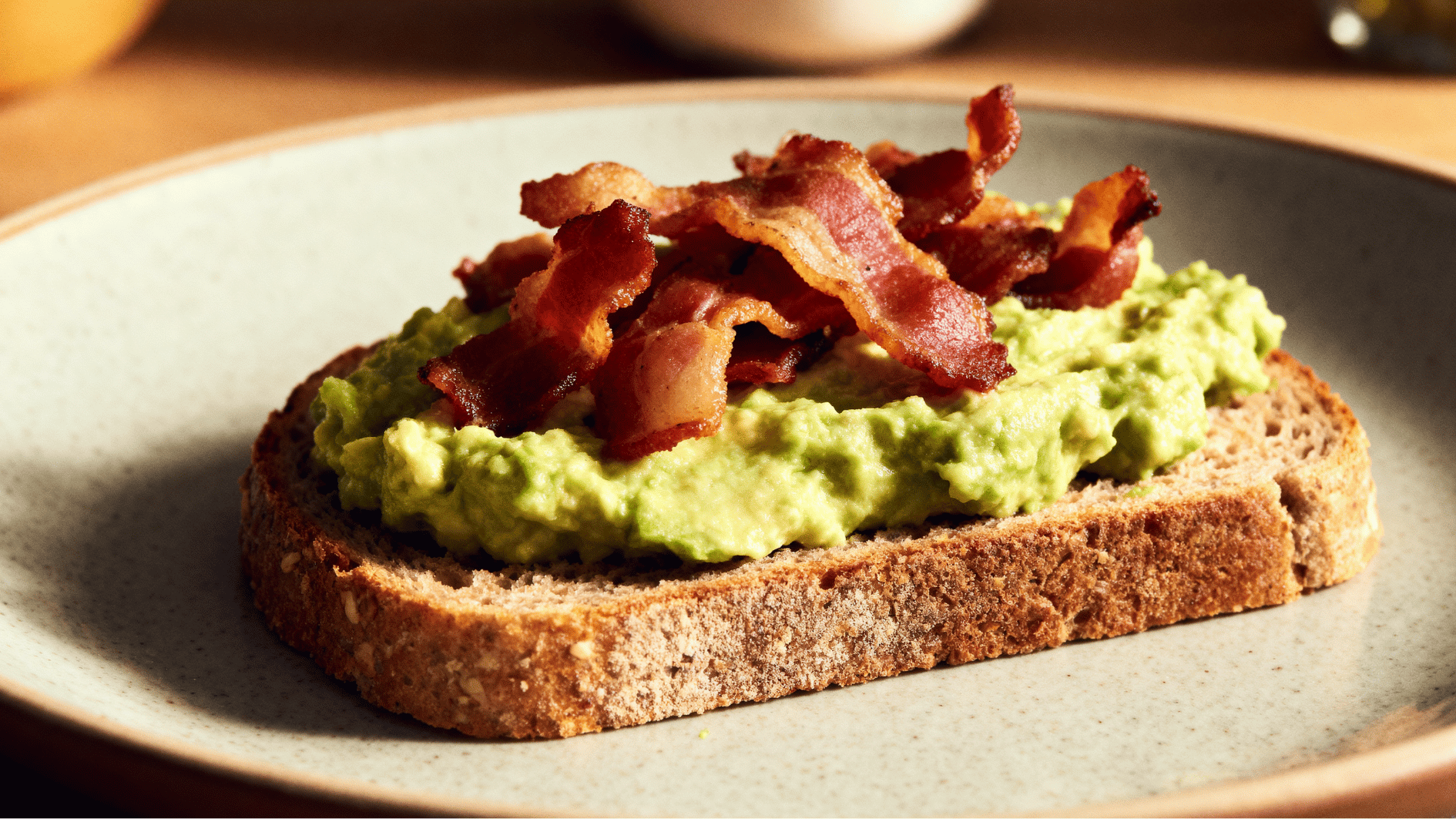
Bacon avocado toast adds crispy bacon to creamy avocado and whole grain bread for a simple breakfast or snack option.
Ingredients: Bacon, whole grain bread, avocado, lemon juice, salt, pepper, and chili flakes.
Preparation Steps:
- Cook bacon until crisp and break it into small pieces.
- Toast the bread until golden and crunchy.
- Mash avocado with lemon juice, salt, and pepper.
- Spread avocado on toast and top with bacon pieces and chili flakes.
3. Bacon Vegetable Pasta
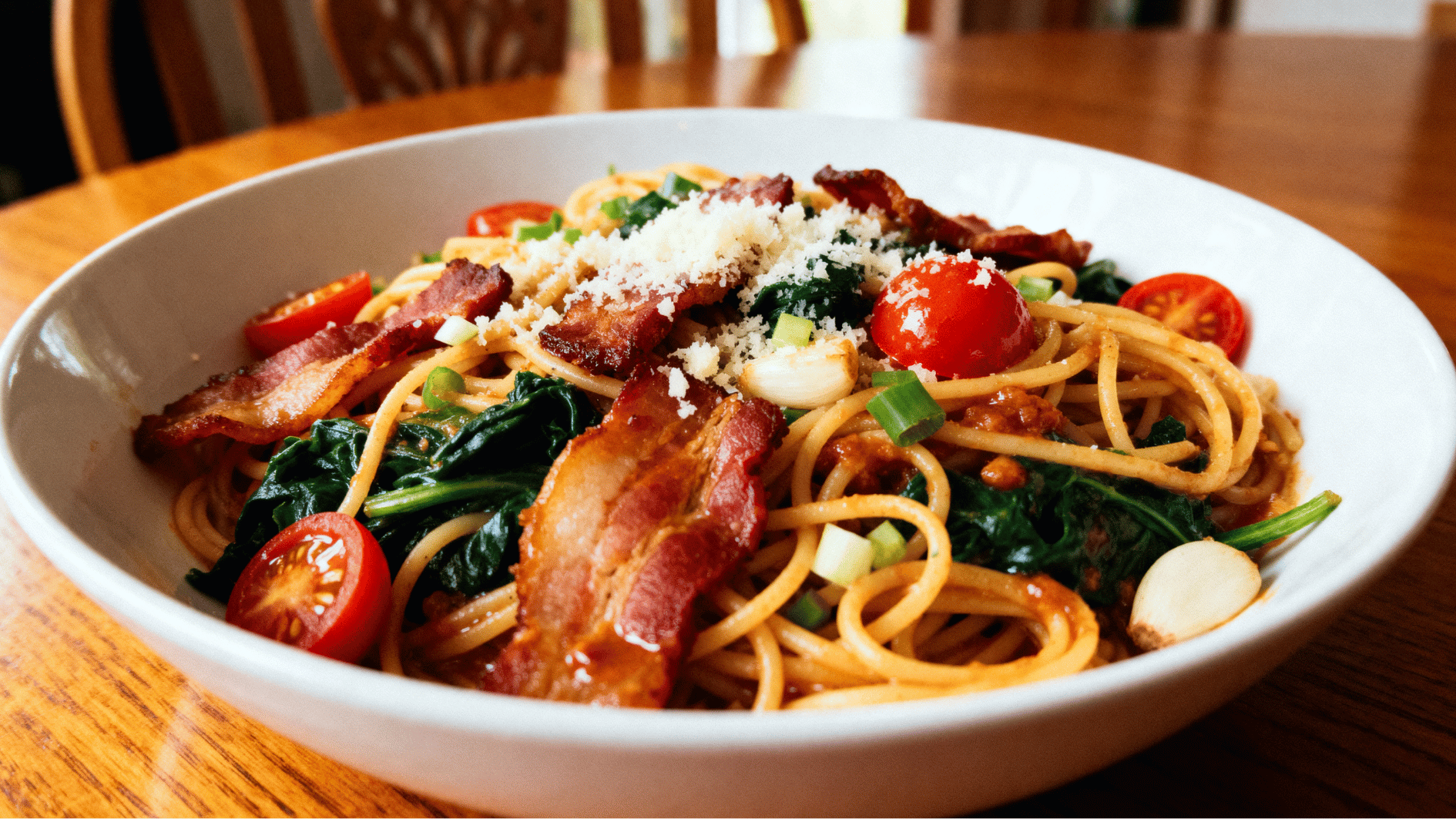
This easy pasta recipe mixes bacon with vegetables and noodles for a flavorful meal that works well for lunch or dinner.
Ingredients: Bacon, pasta, garlic, spinach, cherry tomatoes, olive oil, parmesan cheese, salt, and pepper.
Preparation Steps:
- Cook pasta according to package instructions and keep it aside.
- Fry bacon until crispy, then add garlic and vegetables to the pan.
- Mix cooked pasta with the bacon and vegetable mixture.
- Add parmesan cheese, season with salt and pepper, and serve warm.
Is Bacon Bad For You?
Bacon is not a food that everyone needs to completely avoid, but eating large amounts often may not fit into a balanced diet.
The effect of bacon depends on your overall eating habits, portion size, and how frequently you consume it. Bacon gets attention because it is high in sodium, contains saturated fat, and is a processed meat.
These factors can matter for people managing heart health or trying to follow certain nutrition goals. Learning these concerns can help you enjoy bacon in moderation.
Bacon Nutrition Compared With Other Breakfast Meats
Compare bacon with other breakfast meats to see how they differ in protein, calories, fat, and sodium content.
| Food | Protein | Calories | Fat | Sodium |
|---|---|---|---|---|
| Bacon | 5 to 6 g | 80 to 100 cal | 6 to 8 g | 300 to 400 mg |
| Sausage | 10 to 14 g | 180 to 250 cal | 15 to 22 g | 500 to 700 mg |
| Ham | 15 to 20 g | 120 to 150 cal | 4 to 6 g | 700 to 900 mg |
| Turkey Bacon | 4 to 6 g | 60 to 100 cal | 3 to 6 g | 300 to 500 mg |
| Canadian Bacon | 10 to 12 g | 60 to 80 cal | 1 to 3 g | 400 to 600 mg |
Note: No breakfast meat is automatically the best choice for everyone. Nutrition depends on the type of meat, serving size, cooking method, and how it fits into your overall diet.
Conclusion
Bacon isn’t the enemy people make it out to be.
A couple of strips give you a solid protein boost without wrecking your day, and once you look past the sizzle and grease, the bacon nutrition facts tell a fairly balanced story.
Sure, it’s higher in sodium and fat than some breakfast options, but so what? Moderation still rules the plate.
So, is bacon bad for you? Not really, unless it’s the only thing on your plate every single morning. Treat it as part of a mix, not the whole meal, and that little bit of protein in bacon can fit right in.
Frequently Asked Questions
How Much Protein Is in 2 Eggs and 2 Slices of Bacon?
Two eggs and two slices of bacon provide around 16 to 20 grams of protein, depending on portion size.
Is 2 Slices of Bacon a Day Ok?
Eating 2 Slices of bacon daily may not fit a Balanced Diet, as Bacon Is a Processed Meat High in Sodium and Fat.
Is Bacon Good for Losing Belly Fat?
Bacon is not a weight loss food, as its calories, fat, and sodium content may make fat loss goals harder to maintain.