

Taking your dog for a walk is an opportunity to explore the neighbourhood, enjoy some fresh air, and strengthen the bond between you and your four-legged companion. However, for many new dog owners, getting a dog to walk calmly on a leash can be surprisingly challenging.
Some dogs pull ahead, others stop every few steps, while particularly energetic puppies may spend the entire walk jumping, sniffing, and getting distracted. These behaviours are common, especially when a dog is still learning how to respond to a leash.
Dog leash training does not have to be complicated. With patience, consistency, and the right equipment, you can teach your dog to walk comfortably without constantly pulling or resisting. Whether you have recently welcomed a puppy into your home or adopted an older dog, the following tips can help you establish better walking habits.
Why Is Leash Training Important?
Learning to walk on a leash is an essential part of responsible pet ownership that helps make outdoor experiences safer and more manageable.
A dog that understands how to walk calmly on a leash is easier to guide around traffic, other animals, cyclists, and unfamiliar environments. It also gives owners greater control when unexpected situations arise.
Leash training provides mental stimulation, too. Dogs experience new sights, sounds, and smells during walks, which can help prevent boredom and support their overall well-being.
Most importantly, teaching good walking habits early can prevent pulling from becoming an established behaviour. Dogs naturally move at different speeds and may not immediately understand that their owner cannot keep up with them.
How Do You Train a Dog to Walk on a Leash?
If you are wondering how to train a dog to walk on a leash, the answer is making the leash a positive part of your dog’s everyday routine.
Instead of immediately taking your dog outside for a long walk, introduce the equipment gradually and allow your pet to become comfortable with it.
1. Introduce the Leash and Harness Gradually
Before beginning outdoor training, let your dog become familiar with wearing a harness and leash inside the house.
Allow your dog to sniff the equipment before putting it on. Reward calm behaviour with small treats, praise, or a favourite toy. Start by allowing your dog to wear the harness for a few minutes, gradually increasing the time as they become more comfortable.
A properly fitted harness can make walks more manageable, particularly for dogs that tend to pull. The Joyride Harness is an option owners can explore when looking for walking equipment designed with everyday comfort and control in mind.
Check that the harness fits securely without rubbing against your dog’s skin or restricting natural movement. You should be able to fit approximately two fingers between the harness and your dog’s body, while ensuring that your pet cannot easily slip out of it.
2. Start Training Indoors
One of the easiest ways to train a dog on leash is to begin in a familiar, quiet environment.
Your living room or garden can provide a useful starting point because there are fewer distractions than on a busy street.
Attach the leash to your dog’s harness and encourage them to walk beside you. Take a few steps, then reward them when they follow without pulling.
Keep your initial sessions short. Five to ten minutes is often enough for a young puppy or a dog that is unfamiliar with leash walking.
The goal is to help your dog understand that staying close to you leads to positive experiences.
3. Teach Your Dog to Walk Without Pulling
Pulling is one of the most common challenges during dog leash training. Dogs often pull because they want to reach something interesting, such as another dog, a tree, or an unfamiliar smell.
A useful training technique is to stop moving whenever your dog pulls.
Wait until the leash becomes loose or your dog turns their attention back towards you. Once the tension disappears, reward your dog and continue walking.
Another option is to change direction gently when your dog begins pulling. This encourages them to pay attention to where you are going rather than focusing entirely on whatever is ahead.
Avoid jerking the leash or shouting. These reactions can increase stress and make the walking experience unpleasant.
Consistency matters. If pulling sometimes gets your dog where they want to go, they may continue trying it.
4. Use Treats and Positive Reinforcement
Reward-based training is an effective way to encourage desirable behaviour.
Carry small treats during walks and reward your dog whenever they walk beside you, respond to their name, or maintain a loose leash.
You can also use verbal praise, such as “good job” or “well done,” to reinforce positive behaviour.
As your dog becomes more confident, gradually reduce the frequency of food rewards while continuing to offer praise and occasional treats.
The important thing is to reward the behaviour you want to see repeated. Avoid punishing mistakes, particularly when your dog is still learning.
5. Keep Early Walks Short and Simple
New dog owners sometimes make the mistake of expecting their pets to complete long walks immediately.
However, puppies and inexperienced dogs need time to adjust to outdoor environments. Busy roads, unfamiliar animals, loud vehicles, and crowds can be overwhelming.
Start with short walks in quiet areas. Allow your dog to investigate their surroundings while practising basic leash manners.
Gradually introduce more challenging environments as their confidence improves.
Remember that the appropriate duration of a walk depends on your dog’s age, breed, physical condition, and individual needs. Young puppies, in particular, should not be pushed into excessive exercise.
6. Teach Your Dog to Pay Attention to You
A dog that regularly checks in with its owner is generally easier to guide during walks.
Practise saying your dog’s name and rewarding them when they look towards you. You can also use a consistent cue such as “let’s go” when you want them to move forward.
Start without distractions and gradually practise in places with more activity.
This simple exercise helps build communication between you and your dog. It is particularly useful when you encounter unfamiliar people, other dogs, or potentially distracting situations.
Choosing the Right Equipment for Comfortable Walks
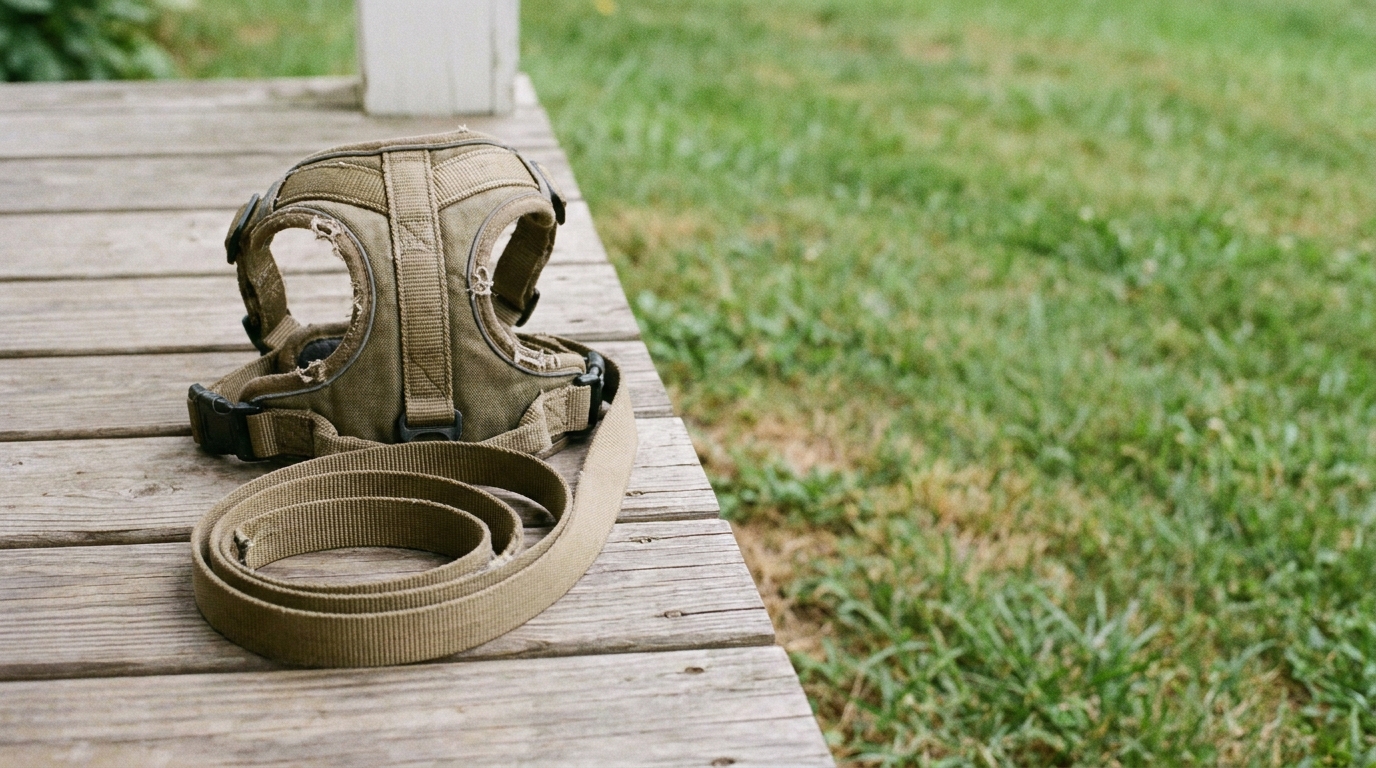
Training techniques are important, but the equipment you use can also influence your walking experience.
A suitable harness should fit properly, allow natural movement, and provide a secure connection point for the leash. Owners should regularly check the fit, particularly while puppies are growing.
The Everyday Comfort Dog Leash can also be incorporated into your walking routine. When selecting a leash, consider its length, grip, durability, and whether it gives you sufficient control in different environments.
For owners exploring different walking solutions, Joyride Harness for dogs offers a starting point for considering harness options alongside everyday walking accessories.
Keep in mind that no harness or leash replaces training. Even the most suitable equipment needs to be paired with patience and consistent handling.
Common Leash Training Mistakes to Avoid
Some habits can make the learning process more difficult than necessary. Being aware of these mistakes can help new owners avoid frustration.
- Starting with too many distractions: Busy parks and crowded streets can make it difficult for inexperienced dogs to concentrate.
- Allowing inconsistent pulling: Letting your dog pull occasionally can reinforce the behaviour.
- Using punishment: Shouting or harsh leash corrections can create anxiety and damage trust.
- Expecting immediate results: Every dog learns at a different pace, so progress should be measured over time.
- Choosing poorly fitted equipment: An uncomfortable harness can cause rubbing, restriction, or attempts to escape.
- Training for too long: Short, positive sessions are often more productive than lengthy sessions that leave your dog frustrated.
If your dog shows persistent fear, reactivity, or distress around other dogs and people, consider working with a qualified, reward-based professional trainer.
How Long Does It Take to Train a Dog to Walk on a Leash?
There is no universal timeline for successful leash training.
Some dogs become comfortable with basic walking routines within a few weeks, while others need several months of regular practice. Age, temperament, previous experiences, and the consistency of training all influence progress.
Puppies may learn quickly, but they also have shorter attention spans. Older dogs can learn new walking habits too, although established pulling behaviours may require additional patience.
Rather than focusing on a specific deadline, look for small improvements. Your dog may begin by walking a few steps without pulling, then gradually manage longer distances with fewer reminders.
Consistency is more important than speed.
Make Every Walk a Positive Experience
Learning how to train a dog to walk on a leash is an important milestone for both new and experienced pet owners. While pulling, distractions, and occasional setbacks are part of the process, the right approach can make a significant difference.
Start indoors, introduce the leash gradually, reward good behaviour, and build up to outdoor walks at a pace your dog can manage. Most importantly, make training an enjoyable experience rather than something your dog associates with pressure or frustration.
With patience, positive reinforcement, and comfortable walking equipment, you can help your dog develop habits that make everyday outings more relaxed and rewarding.