

Every podcast intro, every dubbed trailer, every side character in a mobile game used to require a human being in a booth with a script and a director’s ear. That assumption is quietly breaking down, and entertainment is only beginning to notice how fast.
The Creator Economy’s Newest Voice Actor
Scroll through any streaming platform’s “made for you” row and there is a decent chance one of those videos never touched a microphone. Text to Speech has moved from clunky GPS-voice territory into something creators actually reach for on purpose: recap channels narrating drama with zero on-camera talent, indie game studios voicing hundreds of lines of dialogue they could never afford to record with actors, and podcasters turning written scripts into multi-voice episodes overnight. What used to be a workaround for people who did not want to show their face is now a production choice made by people who could record themselves and simply prefer the flexibility.
Why the Robots Finally Stopped Sounding Like Robots
The old complaint about synthetic voices, that flat, over-enunciated cadence, has mostly aged out. Neural TTS models process entire sentences at once instead of stitching phonemes together, which is why pacing and emphasis now land closer to how a person actually reads a line rather than how a machine parses one. Forbes recently noted that as AI makes content production nearly limitless, a distinctive voice, whether human or synthetic, has become the thing that actually separates one creator’s output from another’s.
The Numbers Behind the Shift
This is not a niche hobbyist trend anymore. Mordor Intelligence’s 2026 Text-to-Speech Market Report puts the global market at USD 4.36 billion this year, on pace to reach USD 7.92 billion by 2031, with neural and AI-based voices already commanding roughly two-thirds of that revenue and growing faster than any other voice type. The same report flags consumer media and entertainment, alongside dubbing and audiobook production, as one of the categories pulling that growth forward, which lines up with what anyone editing videos for a living has already noticed: automated voiceovers are no longer a placeholder track, they are frequently the final one.
What Changed Under the Hood
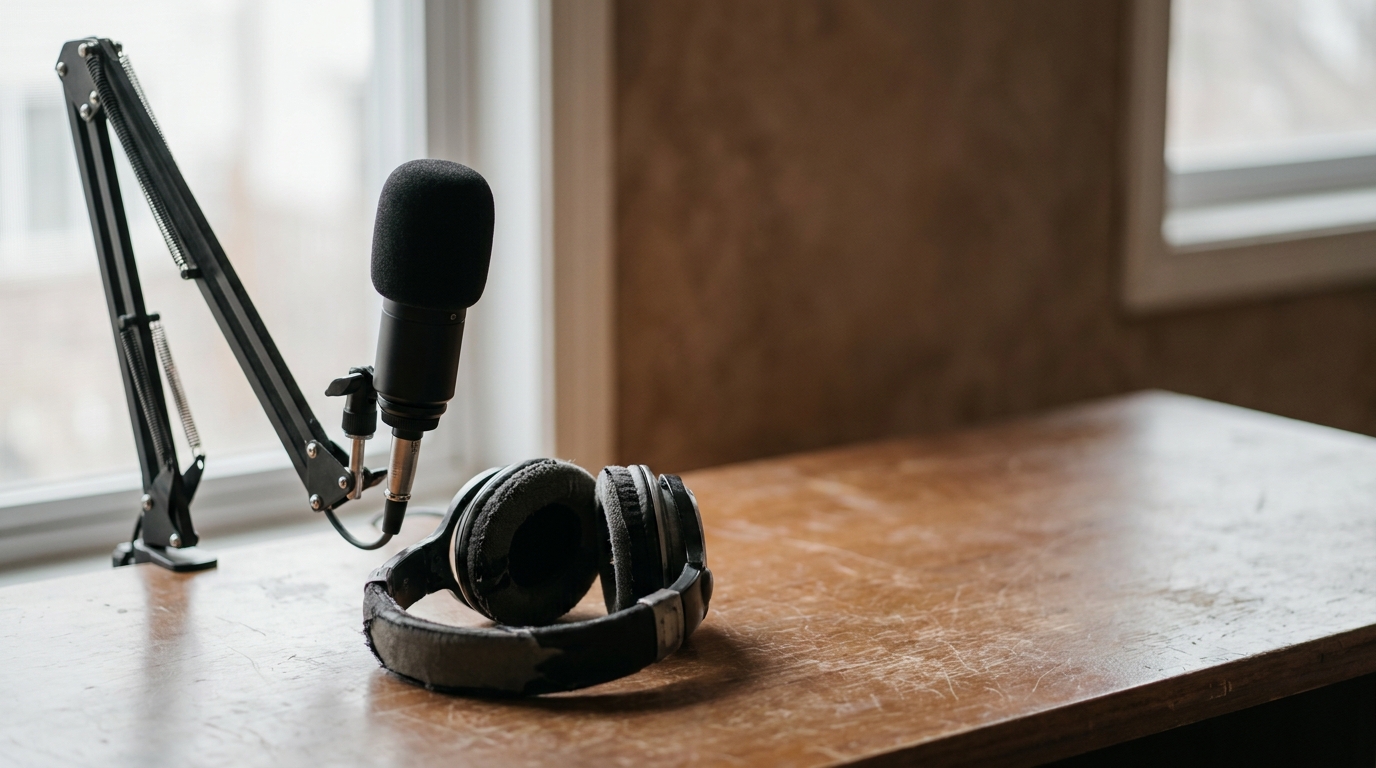
Part of the shift is cross-lingual capability. Text-to-audio engines can now take a short reference clip and generate speech in a completely different language while preserving the original voice’s texture, which matters enormously for creators dubbing content for international audiences instead of losing them at the language barrier. Fish Audio is one example of a platform built around that gap: it clones a voice from roughly 15 seconds of sample audio and can carry that voice across 80-plus languages, while letting creators drop inline emotion cues like [excited] or [whispering] directly into the script so the delivery does not sound like it was read off a teleprompter.
Dubbing, Companions and the Line Getting Blurrier
This overlaps with something gigwise readers have already seen covered here: the rise of AI companions and virtual performers that talk back instead of just broadcasting. An AI voice generator sitting behind a virtual idol or a fan-facing chatbot needs the same qualities a dubbing engineer wants, natural pauses, controllable tone, and consistency across thousands of lines, because a flat or robotic voice breaks the illusion just as fast in a fan chat as it does in a dubbed scene. The entertainment and companion-tech worlds are increasingly drawing from the same underlying voice stack.
What This Means for the Next Few Years
None of this replaces the working voice actor anytime soon, union pushback and quality expectations for flagship productions will keep human casting relevant for a long time. But for the enormous volume of secondary content, recaps, localized versions, game NPC barks, audiobook backlists that were never going to get a studio budget, AI voice generation is quietly becoming the default rather than the exception. Text to Speech used to be the tool you reached for when you had no other option. Now it is often the first option, and the gap between “synthetic” and “just how this show sounds” keeps getting harder to hear.