

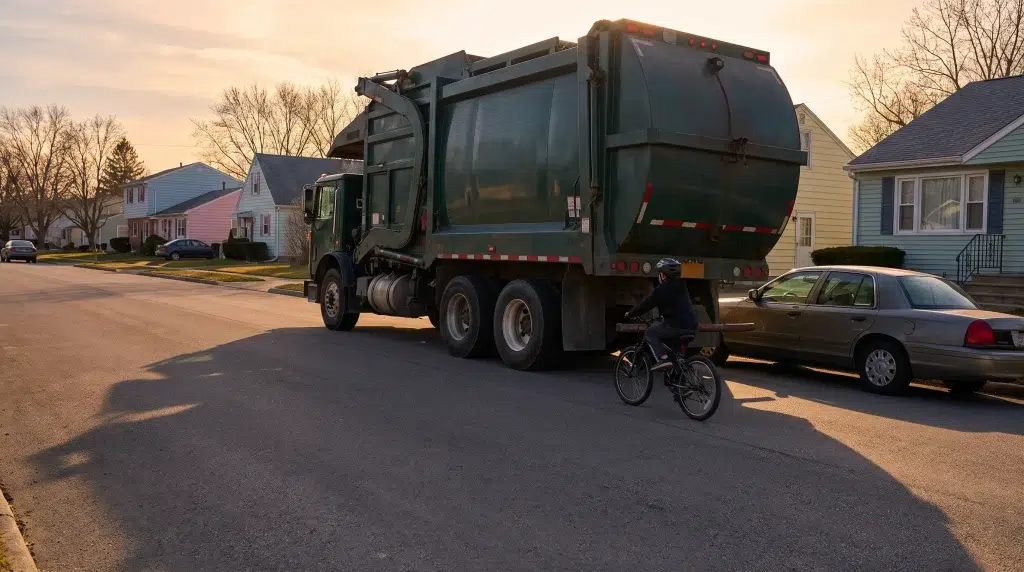
Garbage trucks can be found in every neighborhood. Their presence is noticeable since their services are widely used and are a daily presence. This phenomenon is one reason people often overlook the risks these trucks pose until an incident occurs.
Data provided by the federal government shows that there are more than 100 deaths and 1,400 severe accidents involving sanitation trucks annually. Three out of four victims are pedestrians, cyclists, and motorists, but not workers from the field. The information about what makes these trucks so risky and in what way it differs according to the location of the accident may be useful for residents on the collection routes.
Let’s look at the possible severe injuries caused by garbage trucks and what steps to take when this situation happens.
Why Garbage Trucks Are Different From Other Large Trucks
The risk factors associated with a garbage truck are not so much dependent on speed but rather on how the vehicle functions. Garbage trucks make several stops close to each other on residential roads. They back up regularly in places like driveways, which have many blind spots for children, pedestrians, and parked vehicles. The blind spots of a fully loaded garbage truck can stretch for more than twenty feet on each side and behind the truck, which is even more than the driver can compensate for with mirrors.
The presence of these factors explains why garbage truck accidents typically result in injury. If a garbage truck crashes into any car, the impact can still cause major damage because of the nature of the truck.
Common injuries in such accidents include head injuries from collisions with objects, spinal cord injuries from abrupt deceleration, and upper body burns from ignited hydraulic fluid leaks.
How the Risk Plays Out Locally
Collisions with garbage trucks tend to follow similar patterns, but the way a given instance is dealt with rests heavily on the laws of the relevant state. It is important to know that there are many differences in liability assignment and procedures between different states. Understanding these distinctions will strengthen a case before it even reaches a settlement.
In the state of California, a claim for a garbage truck accident becomes very complex because of the structure of the trucking industry. There may be several firms with separate insurance policies covering the truck, the cargo, and the driver. A truck accident lawyer in Fontana covers how that multi-party liability structure applies to truck accident claims.
In Georgia, a garbage truck accident lawsuit may be filed in state or superior court when the chosen court has jurisdiction and venue is proper. A claim for punitive damages does not, by itself, require the case to be filed in superior court. If a municipality operates or is responsible for the garbage truck, additional notice requirements, immunity rules, and other procedures may also apply.
Documenting a Garbage Truck Accident
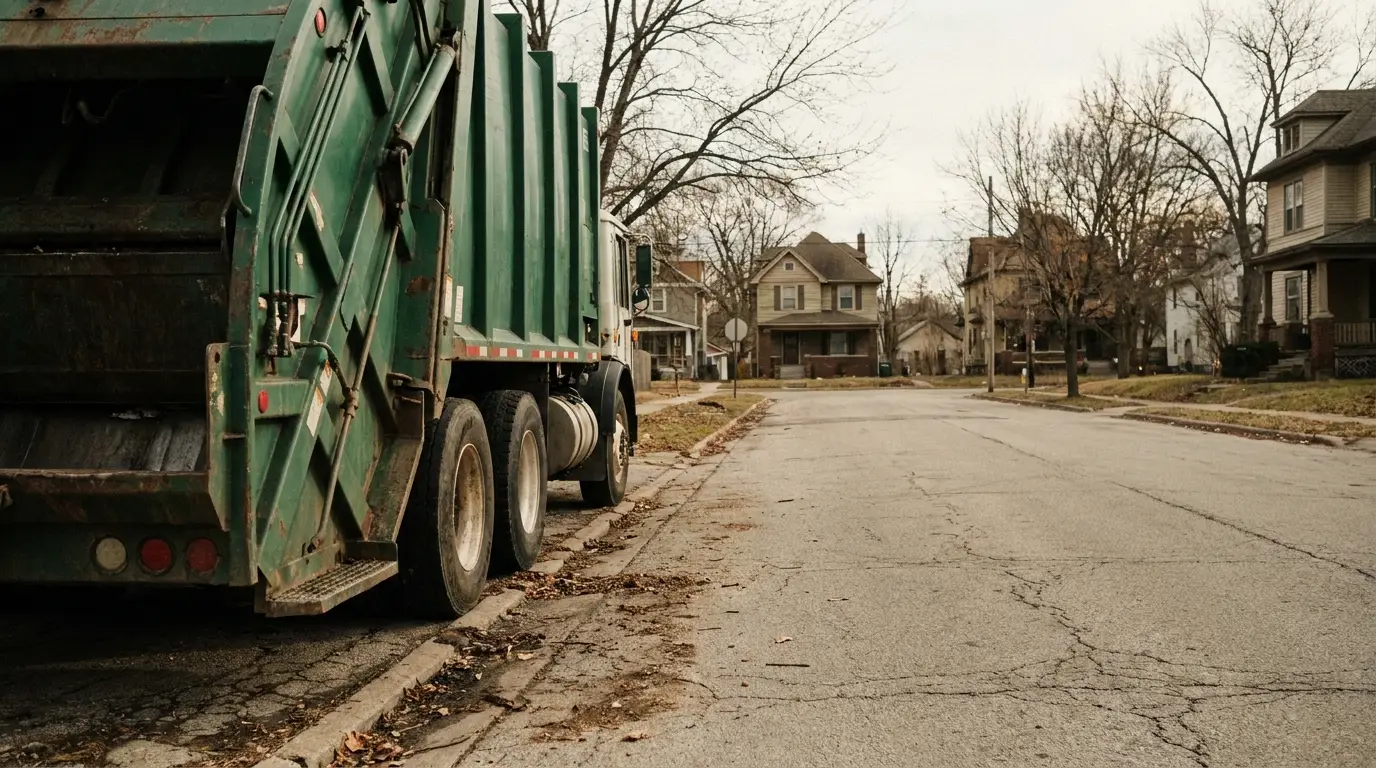
Since such incidents usually involve a commercial operator and sometimes a municipal contractor, it is important to preserve evidence quickly. Route maps, recorded videos from the onboard cameras, and maintenance schedules will help determine whether the truck followed its planned route. This information becomes easier to acquire before it gets cycled out of the company’s records.
Pictures taken of the accident scene can serve as evidence to support the case. Gathering evidence can also show how the accident affected injury victims and provide relevant information from nearby witnesses.
Most people walk and bike in the same places where garbage trucks travel. The truck’s weight and daily presence around resident areas contribute to them becoming safety hazards.
Various hazards are universal to all garbage trucks used for collection, including low visibility, frequent stops, and hydraulic equipment. But how a case plays out in the legal system after an accident can vary widely depending on the laws and jurisdiction of the city and state. Having a deeper understanding of these aspects can help a person build a case in a more composed manner.