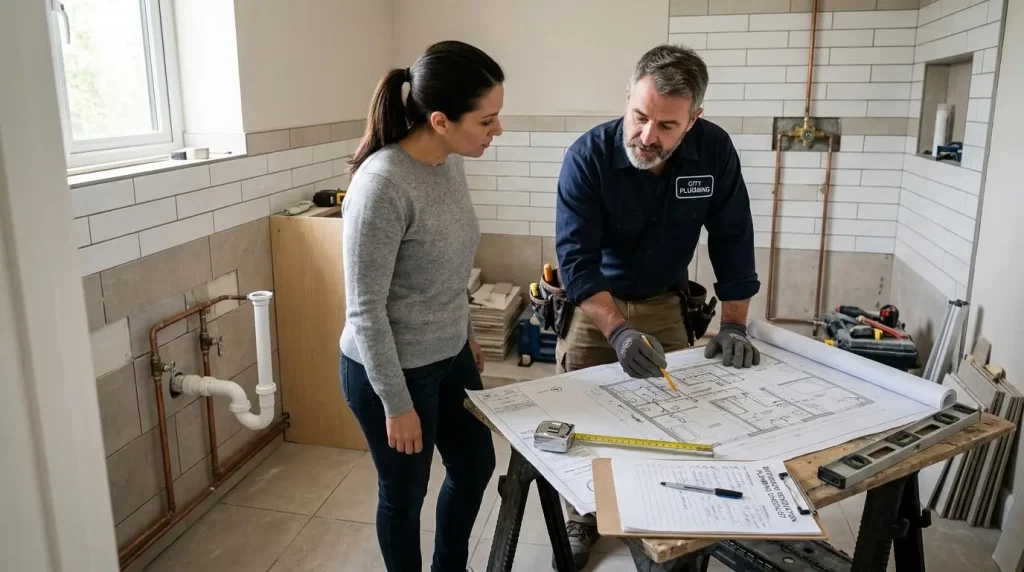
Everyone knows the feeling. You start January, or a Monday, or “the day after this holiday” with the best intentions. Three gym sessions a week, a meal plan, maybe even a fitness app that beeps at you to drink water. Then somewhere around week three, life happens. Work gets busy, the sofa gets comfortable, and the trainers end up back at the bottom of the wardrobe.
The problem usually isn’t motivation. It’s the plan itself. Most routines fail not because people are lazy, but because the routine was never built for real life in the first place.
Why Most Routines Fall Apart
A lot of workout plans are borrowed. You see something online, a friend’s routine, or a programme designed for someone with completely different goals, energy levels and free time, and you try to copy it exactly. That rarely works long term.
The routines that actually last tend to share a few things in common. They fit around a real schedule rather than an idealised one. They start smaller than feels impressive. And they leave room for bad weeks, because bad weeks always happen eventually.
If you’ve tried and stopped before, that isn’t a character flaw. It’s usually a sign the plan was wrong, not you.
Start With Honesty, Not Ambition
Before picking exercises, it helps to be honest about your actual week. Not the week you wish you had, the one you really live.
How many days can you realistically commit to, including the days when you’re tired or busy? What time of day do you actually have energy, rather than the time that sounds sensible on paper? Do you enjoy structure, or does a rigid plan make you want to quit out of spite?
Answering these questions properly, even if the answers feel unglamorous, is the difference between a routine that survives a difficult month and one that collapses the first time something goes wrong.
Small and Consistent Beats Big and Occasional
There’s a strong pull towards ambitious plans. Five sessions a week, an hour each time, a strict structure from day one. It feels productive to plan big. The trouble is that big plans require a lot of willpower, and willpower is a limited resource, especially early on.
A better starting point is usually smaller than you’d like. Two or three sessions a week, twenty to thirty minutes long, is enough to build a habit. Once that habit feels normal rather than effortful, it becomes far easier to add more.
Consistency compounds. Three short sessions every week for a few months will beat five intense sessions that stop after a fortnight almost every time.
Pick Movement You Don’t Dread

This sounds obvious, yet it’s one of the most common mistakes. People choose workouts because they’re supposed to be effective, not because they’re remotely enjoyable. Running is a good example. It works brilliantly for some people and feels like punishment for others, and there’s nothing wrong with either reaction.
If the gym feels intimidating, walking, swimming, cycling, home workouts or dance classes are all genuinely valid choices. The best type of exercise is the one you’ll actually repeat.
Comfort matters here too, and it’s often overlooked. Supportive, well fitted trainers make a bigger difference than people expect, especially for walking, light training or anything involving a lot of time on your feet. A pair of women’s skechers is a popular choice for exactly this reason, combining comfort with enough support to make regular movement feel easier rather than something to push through.
Build a Routine Around Anchors, Not Perfection
Rather than trying to plan every session down to the minute, it helps to attach workouts to something that already happens reliably. After the school run, before your morning coffee, straight after finishing work before you sit down. These small anchors make it far more likely the session actually happens, because you’re not relying purely on motivation in the moment.
It’s also worth accepting in advance that some days won’t go to plan. A missed session isn’t a failure, it’s just a normal part of a long term habit. The people who stick with exercise long term aren’t the ones who never skip a day. They’re the ones who don’t let one missed session turn into two, then a fortnight, then a quiet decision to give up entirely.
For anyone whose biggest obstacle is simply getting out of the house, it’s worth noting why more people than ever are choosing to work out at home. Cutting out the travel time and the need to fit around opening hours removes two of the most common excuses for skipping a session, which makes a routine noticeably easier to keep.
Track Progress in More Than One Way
Numbers on a scale or a fitness app can be useful, but they’re not the whole story, and relying on them alone is a common reason people lose motivation early.
Energy levels, sleep quality, mood and how your clothes fit are all genuine markers of progress. So is simply noticing that a walk that used to feel difficult now feels comfortable. These smaller wins often arrive before any visible change does, and noticing them helps keep momentum going during the weeks when nothing dramatic seems to be happening.
Let the Routine Evolve
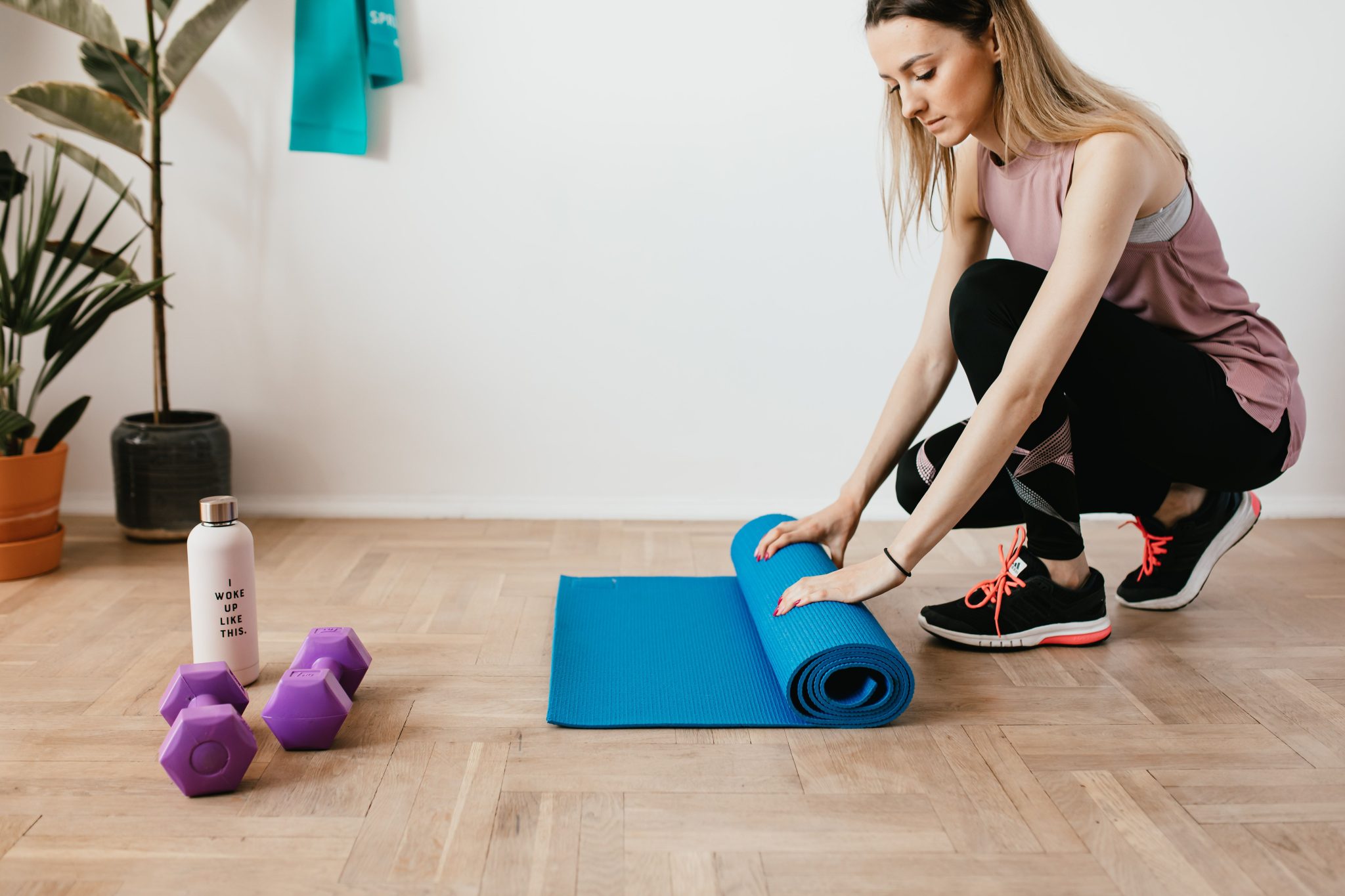
A routine that works for you in month one won’t necessarily work in month six, and that’s completely normal. As fitness improves, sessions that once felt challenging start to feel easy. As life changes, schedules shift too. Treating a routine as something fixed and permanent is often what makes people abandon it entirely rather than simply adjusting it.
Checking in every few weeks and asking whether the routine still fits your life, rather than whether you’re still following it exactly as written, keeps things sustainable. Small adjustments are normal. They’re not a sign of failure.
The Real Goal Isn’t a Perfect Routine
The aim was never to build a routine you follow with military precision. It’s to build one you can return to easily, even after a rough week, a holiday, or a stretch where life simply got in the way.
A workout routine that survives real life, with its busy weeks, tired days and unpredictable schedules, will always beat an impressive looking plan that quietly disappears by February. Start small, choose movement you don’t dread, and give yourself permission to adjust things as you go.