

Broccoli is one of those vegetables that often end up on healthy eating lists, but many people still ask about the carb content in broccoli and how it fits into a low-carb lifestyle.
It is easy to add to meals, gentle in flavor, and filling enough to make a plate feel more complete. That makes it useful for anyone trying to eat lighter without giving up satisfying food.
This blog looks at where broccoli fits in low-carb and keto diets, how it compares with other vegetables, and simple ways to enjoy it in everyday meals.
Why Broccoli is a Healthy Choice?
Broccoli is a green cruciferous vegetable in the same family as cauliflower, kale, and Brussels sprouts. It is known for its dense nutritional value despite being naturally low in calories.
A 100-gram serving contains about 6.6 grams of carbohydrates, 2.8 grams of protein, and only 34 calories, making it useful for anyone checking carbs in broccoli or overall nutrition.
Beyond the numbers, broccoli is packed with vitamins and antioxidants; its fiber also supports healthy digestion and may help you stay satisfied after meals.
If roasted, steamed, or added to soups and salads, broccoli is an easy way to increase your vegetable intake without adding many extra calories.
Broccoli Nutrition at a Glance
The Nutritional profile of broccoli explains why it is often recommended in balanced eating plans. It delivers a wide range of vitamins and minerals while remaining naturally low in fat.
| Nutrient | Amount per 100 g |
|---|---|
| Calories | 34 kcal |
| Total carbohydrates | 6.6 g |
| Dietary fiber | 2.6 g |
| Net carbs | 4.0 g |
| Protein | 2.8 g |
| Fat | 0.4 g |
| Vitamin C | 89.2 mg |
| Vitamin K | 101.6 mcg |
| Folate | 63 mcg |
| Potassium | 316 mg |
Is Broccoli Good for Protein, Low-Carb, and Keto Diets?
Broccoli offers more than vitamins and fiber, as it also contains plant-based protein while remaining naturally low in carbohydrates, making it a smart choice for many eating patterns.
Protein in Broccoli
A 100-gram serving of broccoli provides about 2.8 grams of protein, which is relatively high compared with many other vegetables.
While it is not a complete protein source or a substitute for meat, eggs, dairy, or legumes, it can still contribute to your daily intake.
Broccoli in a Low-Carb Diet
When looking at carbs in broccoli, net carbs matter more than total carbs for many low-carb eaters. Net carbs are calculated by subtracting dietary fiber from total carbohydrates.
Per 100 grams of raw broccoli, there are 6.6 grams of total carbohydrates and 2.6 grams of dietary fiber, leaving about 4 grams of net carbs, making it a practical choice for low-carb meal plans.
Keto-Friendly Broccoli
Yes, broccoli is considered one of the most keto-friendly vegetables. It is filling, easy to cook, and works well with common keto ingredients.
Most ketogenic diets allow 20 to 50 grams of net carbs per day, and broccoli fits comfortably within that range with only about 4 grams of net carbs per 100 grams.
Other Plant Compounds and Benefits
Broccoli’s value goes beyond its protein and carb numbers, as it contains sulforaphane and other glucosinolate compounds unique to this family and not typically found on a standard nutrition label.
It also carries lutein and zeaxanthin, plant pigments more commonly associated with leafy greens.
Research on these compounds is still ongoing, so it’s more accurate to treat broccoli as one solid piece of a varied diet than a fix for any single health outcome.
How Does Broccoli Compare to Other Vegetables?
Every vegetable has a different nutritional profile, as some are lower in carbohydrates, while others provide more protein or fiber.
| Vegetable (per 100 g) | Calories | Total Carbs | Net Carbs | Protein |
|---|---|---|---|---|
| Broccoli | 34 kcal | 6.6 g | 4.0 g | 2.8 g |
| Cauliflower | 25 kcal | 5.0 g | 3.0 g | 1.9 g |
| Spinach | 23 kcal | 3.6 g | 1.4 g | 2.9 g |
| Zucchini | 17 kcal | 3.1 g | 2.1 g | 1.2 g |
| Cabbage | 25 kcal | 5.8 g | 3.2 g | 1.3 g |
| Bell pepper | 31 kcal | 6.0 g | 4.2 g | 1.0 g |
Healthy Broccoli Recipes
Broccoli has a mild flavor that works with many cuisines and cooking styles. It can be served as a side dish or become the main ingredient in a complete meal.
1. High-Protein Broccoli & Chicken Stir-Fry
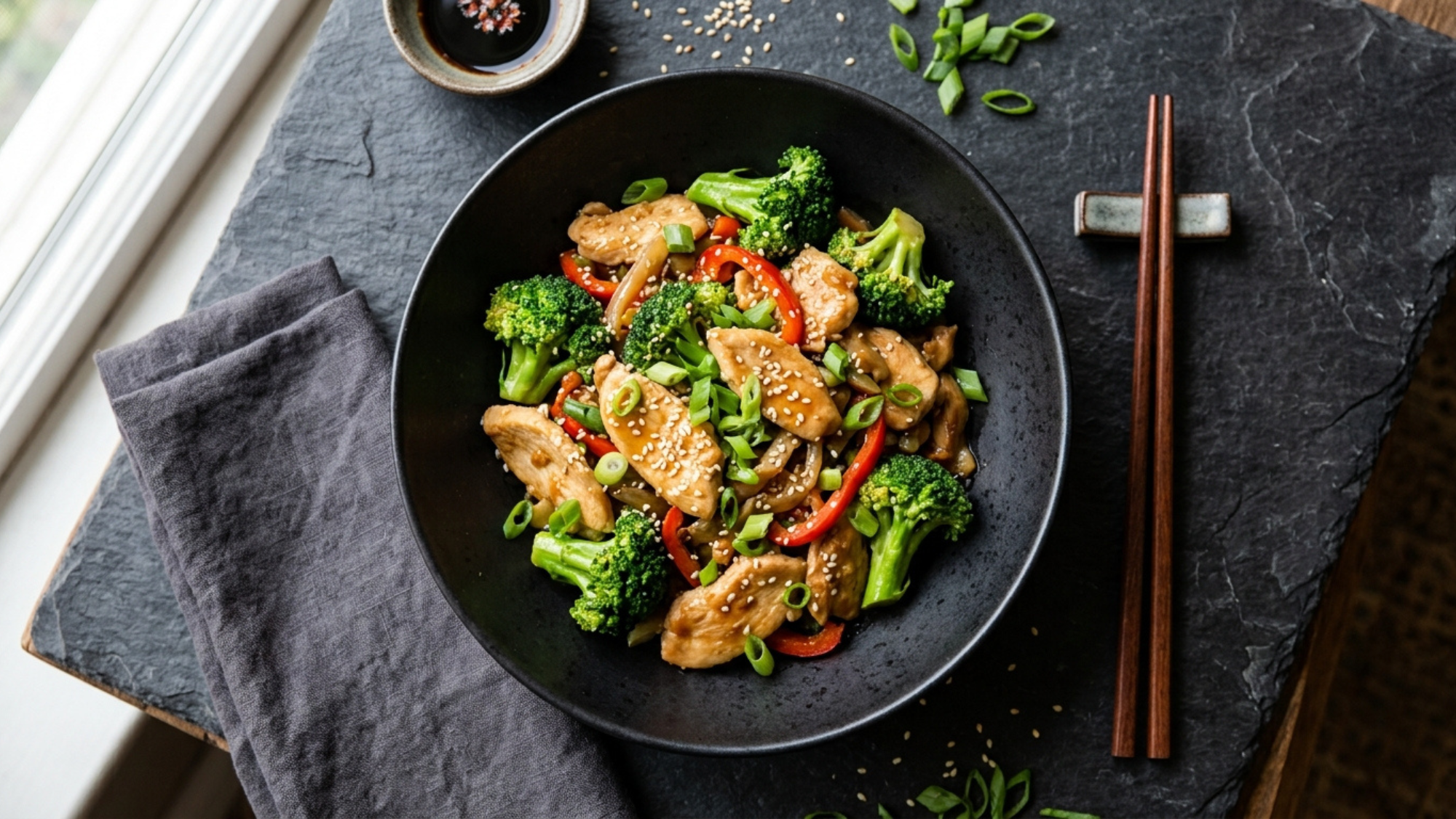
This quick stir-fry is a filling way to pair broccoli with lean protein.
- Main Ingredients: Broccoli florets, chicken breast, garlic, ginger, olive oil, low-sodium soy sauce, and black pepper.
- How to Make It: Cook the chicken until lightly browned. Add the garlic, ginger, and broccoli, then stir-fry until the broccoli is tender-crisp. Finish with the soy sauce and serve warm.
- Reasons to Incorporate in Diet: This meal combines lean protein with fiber-rich broccoli for a balanced dish.
2. Low-Carb Garlic Roasted Broccoli
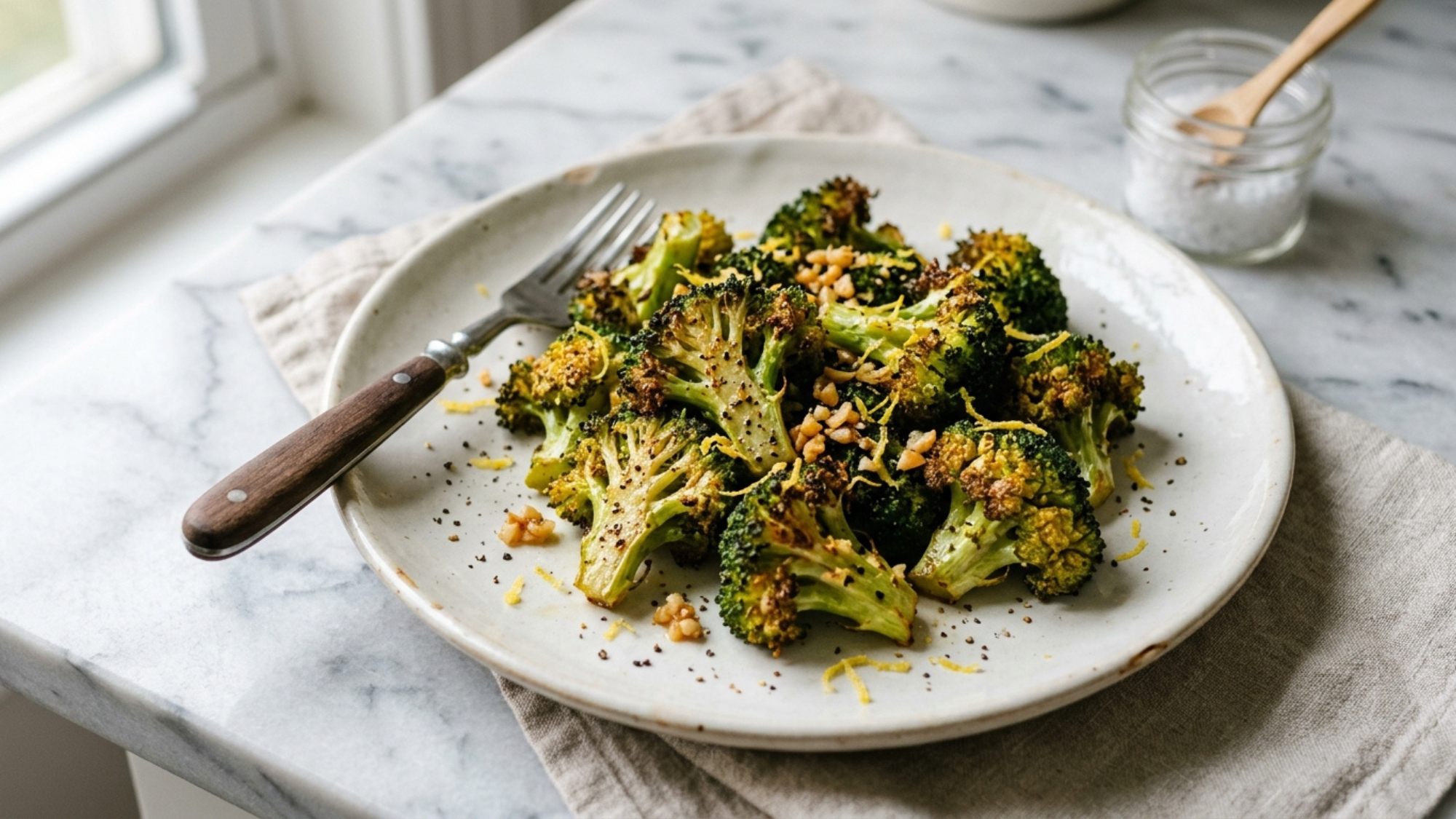
This simple roasted broccoli recipe adds flavor without making the meal feel heavy.
- Main ingredients: Broccoli florets, olive oil, garlic, black pepper, paprika, and fresh lemon juice.
- How to make it: Toss the broccoli with the oil and seasonings, then roast at 425°F (220°C) for 20-25 minutes. Finish with a squeeze of lemon before serving.
- Reasons to Incorporate into the Diet: Roasting enhances broccoli’s natural sweetness while keeping the dish low in carbohydrates.
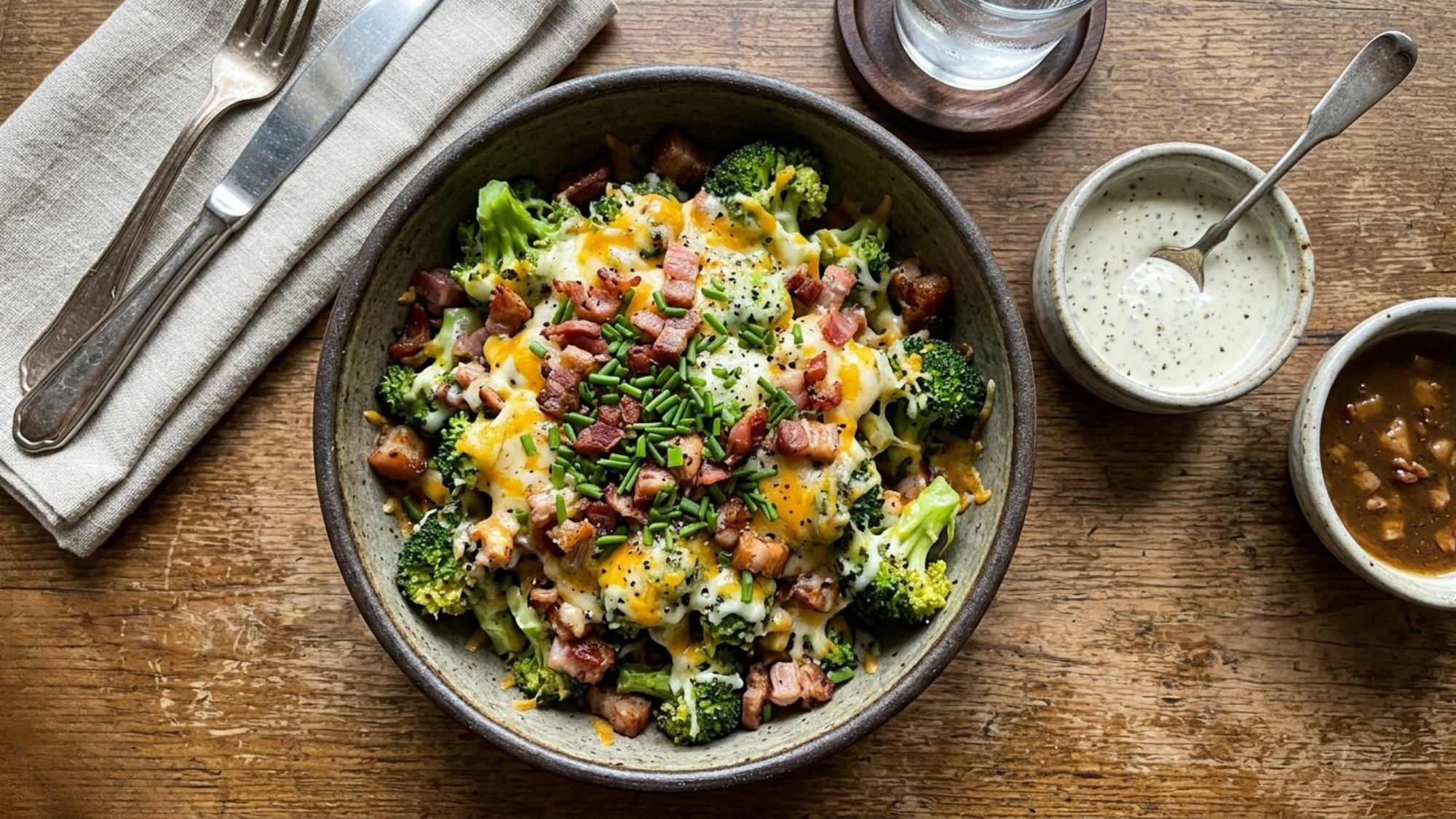
3. Keto Cheesy Broccoli Bake

This cheesy bake turns broccoli into a warm, satisfying keto-friendly side or dinner base.
- Main ingredients: Broccoli florets, cheddar cheese, cream cheese, heavy cream, garlic powder, and black pepper.
- How to make it: Mix the steamed broccoli with the remaining ingredients, then transfer to a baking dish. Bake until the cheese melts and turns golden on top.
- Reasons to Incorporate in Diet: Healthy fats and melted cheese make this recipe rich, comforting, and keto-friendly.
How to Cook, Buy, and Store Broccoli Better?
Proper cooking, choosing, and storage help protect its taste, texture, and nutrients. Steam or microwave it with little water to retain more vitamins, roast it for a sweeter flavor, and avoid overboiling.
When buying, choose dark green florets, tight buds, and firm stalks. Avoid yellowing, soft spots, or strong smells.
Store broccoli unwashed in a breathable bag inside the crisper drawer. Use it within 3 to 5 days, or blanch and freeze it for longer storage.
Broccoli Side Effects: Know Before You Overindulge
Broccoli earns its reputation for good reason, but that doesn’t mean it works the same way for everyone. A few downsides are worth knowing before adding it to every meal.
- Digestive Discomfort: Broccoli’s fiber and natural sugars (such as raffinose) can cause gas or bloating for some people, especially when eaten raw or in large amounts.
- Thyroid Considerations: Broccoli contains goitrogens, compounds that may interfere with thyroid function in very high amounts, mainly a concern for people with existing thyroid conditions.
- Blood Thinner Interactions: Its vitamin K content can affect how well blood-thinning medications like warfarin work, so intake should stay consistent if you’re on one.
- Not a Low-Fodmap Choice: People managing IBS may need to limit broccoli, since it’s higher in fermentable carbs that can trigger symptoms.
Final Thoughts
Broccoli is more than a simple side dish; it brings a range of plant-based nutrients to meals while remaining naturally low in carbohydrates.
With low broccoli calories and a small but useful amount of protein, it can fit into low-carb, keto, and balanced eating plans without making meals feel boring.
Try it steamed, roasted, or baked, or add it to quick meals for extra texture and color, and its mild taste makes it easy to use often without feeling repetitive.
Frequently Asked Questions
Which Vegetable Has the Lowest Carbs?
Leafy greens such as spinach, lettuce, and bok choy are among the lowest-carb vegetables. Zucchini, mushrooms, and cauliflower are also excellent low-carb choices.
Why is Broccoli High in Carbs?
Broccoli is not actually high in carbohydrates. Most of its carbohydrates come from natural fiber and complex carbs, making it a nutritious option that has a relatively low net carb content.
Is Broccoli Good for Diabetes?
Yes. Broccoli is generally considered a diabetes-friendly vegetable because it is high in fiber, has a low glycemic index, and provides nutrients that support overall health.