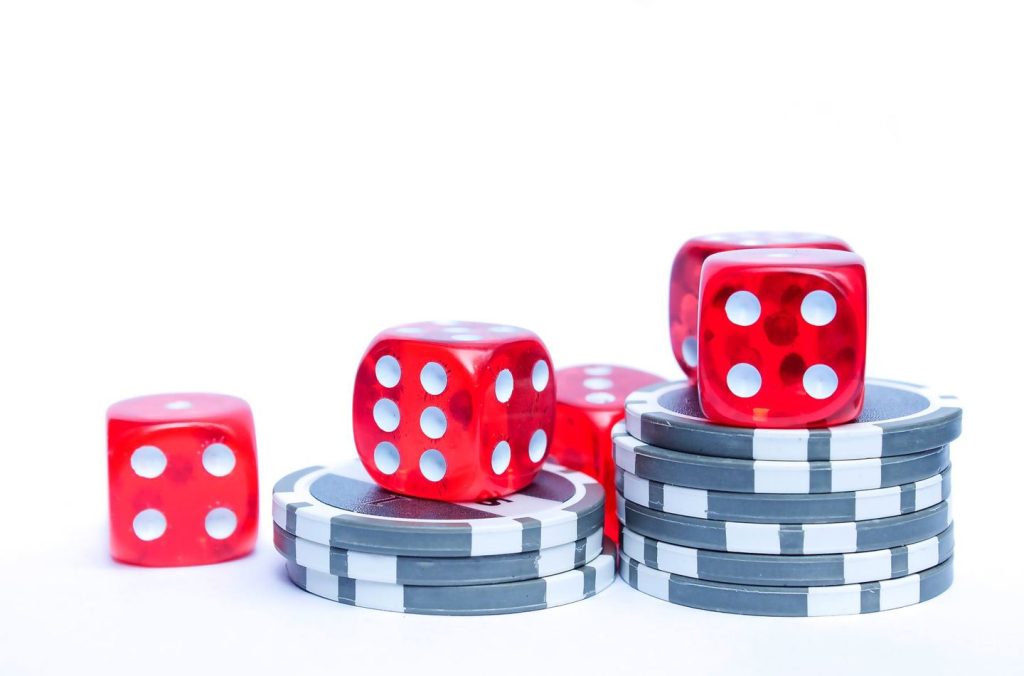
Primedice was among the first games online to become associated with gambling with Bitcoin. The game itself is quite easy to play; players have to guess a number and decide whether the outcome will be higher or lower. Low chances are coupled with high multipliers, while high chances are paired with low multipliers.
Stake Prime Dice keeps the classic PrimeDice style. The slider sets the winning range, while the numbers show the odds and the return for each bet. Once players understand how these settings work together, it becomes easier to follow the game and see how each change affects the possible payout.
From Bitcoin Forums to a Dice Classic
Primedice was made in 2013, during the time when Bitcoin was only talked about in tech forums and crypto-related circles. It introduced the traditional dice-rolling game in a gambling format to be used with Bitcoin. There was no need for a table as the player just needed to choose the numbers on the screen and the sides they wanted to bet on and then wait for the results, which would be generated instantly. The user-friendly interface made the game easy to play even for those who never had anything to do with crypto before. PrimeDice was created by Ed Craven and Bijan Tehrani, who would later found Stake in 2017.
Inside a Prime Dice Round
A round starts by choosing the betting amount, target value, and whether one wishes to bet over or under the chosen target value. The game generates a number in a range from 0 to 100. If the outcome is within the player’s selected conditions, the bet wins. Otherwise, the player’s bet loses.
It is important to pay attention to how the probability of winning is indicated on the playing screen. Move the target one way and the winning area becomes wider or narrower. This is the main decision in Prime Dice, and it is why the slider is so important.
A Simple Scale, One Random Result
The 0-to-100 scale makes the game easy to understand because any person can see where a number is located between those two extremes. Numbers close to 10 mean a low score; numbers close to 90 show a high score; numbers close to 50 mean an average score. In addition, the player does not have to remember dozens of rules and study the game board. Instead, the screen shows the goal and the potential outcome all at once.
This design makes it easy even for those who have never played a crypto dice game. However, the scale does not guarantee that each number can be predicted. Each turn gets an independent outcome, meaning that the next roll will not be influenced by the previous one.
Roll Over: Aim Above the Target
In case the player opts for Roll Over, the target is to get a result that will be higher than the target number. In case the target is set to about 40, the player will win when the result is higher than the target. The lower the target, the more chances the player has to win since there are more possible results that will win for them. The payout multiplier will be lower in this case because of the higher possibility of winning. As the target number increases, fewer results will be able to win the game. This will make it less likely for the player to win, but the payout multiplier will be higher when winning. The slider lets the player see how changes in the target number affect the probability of winning and the payout multiplier before playing.
Roll Under: Stay Below the Target
Roll Under works in a completely opposite manner. Here, the player sets a target number and wins when the result is smaller than this number. For instance, when the target number is large, the player will have a larger area where they can win since there will be more numbers from the 0 to 100 scale that are smaller than it. It means that the player will have more opportunities to win, but the payout multiplier will be smaller.
Moving the target closer to the bottom of the scale will reduce the winning area since there will be fewer results that can win, but at the same time, the possible payout multiplier will increase. The mechanics of both Roll Over and Roll Under are the same. The only difference here is that the winning area in one of them depends on the side of the target number. The result is random in both cases.
The Slider

The slider is the simplest feature to comprehend in Prime Dice. When the player uses the slider, the target number is altered, changing the odds of success. The larger the winning area is, the higher the chances of winning, but the lower the reward will be. If the winning area is smaller, then the player will have fewer chances to win, but the payout will be higher. In Prime Dice, all these numbers are displayed to players, allowing them to know how the decision influences the game before placing a bet.
The Multiplier Trade-Off: Risk and Reward
The payout multiplier is an indicator of how rare the winning result is supposed to be. If the selected winning space is small, then the number of results satisfying the condition is small, and the payout multiplier should be bigger. If the winning space is large, then the number of results satisfying the condition is large, and the payout multiplier is smaller. This is the same principle that applies to all types of gambling: the more money you can potentially earn from something, the less likely the result is to occur.
This does not mean that the large multiplier increases the chances of winning, or that a player should receive a win after losing several times. Each spin is an independent event. The shown multiplier is just a representation of the potential payout for that configuration, and it does not predict the outcome of the next spin.
RTP Explained
Primedice has an RTP of 99%. Return to player is a statistical indicator showing what share of the total money gambled the game is aimed to return to players over a long period of playing. RTP at 99% means that a game has the theoretical house edge of only 1 percent. It doesn’t mean that you are going to get back 99 percent of your funds after one session or that every hundred bets will bring you back €99 for every €100 that you bet. Your short-term earnings will vary a lot. It may turn out that you are way ahead in your estimated profits, or unfortunately you’ve lost more money than expected.
Provably Fair Means Putting Results to the Test
Provably fair technology is one of the essential technologies in crypto casinos since it enables players to prove the validity of game results on their own. They are not just required to trust the casino but can use cryptographic data to make sure of the way the result was generated.
In the most common setup, three numbers are used: a server seed, a client seed and a nonce. The server seed is initially hashed and disclosed to the user before the start of the game. After the game is played, the initial server seed is disclosed so that the player can compare it to the hash. Both the client seed and the nonce are also used to verify the result. This technology helps users to be sure that the results follow the published rules of the game.
The Appeal of a Simple Roll
One reason why Primedice draws attention is because of the simplicity of the game concept. Users select their target number from 0 to 100, decide whether it will be either a “roll over” or a “roll under” option, and discover the impact that it will have on their probability of winning and reward size. It is clear even for those who are playing this game for the first time. It makes the game easy to explain in different languages and cultures.
A Growing Name in Brazil and Latin America
Primedice also has fans in Latin America, Brazil included. In Spanish-speaking countries, it is important that content related to dice games has correct wording since search requests for dice games cover not only virtual games, but also the traditional ones.
Primedice already gets searches by its name in Brazil and is accessible via the Portuguese version of the Stake site. This helps local players understand how the game works. Language changes, but the game is the same – every target influences the chances of success and reward.
From Primedice to Stake: A Shared History
Primedice came to life back in 2013, four years prior to Ed Craven and Bijan Tehrani launching Stake in 2017. Primedice was one of the products created in those early days of crypto gambling when Bitcoin dice games were just getting popular. Stake became a big casino platform, whereas PrimeDice became part of the early history of the company. These two have a lot in common from the time of early Bitcoin games.
Understanding the Risks Before You Roll
The higher multiplier looks appealing, but it means a lower chance to succeed. A higher chance of winning is not a guarantee of victory. The 99% RTP is not a promise of guaranteed wins, and provably fair checks will not influence winning odds either. Those who want to try the game should consider that gambling online is illegal in some countries. Moreover, players should stop the game if they are no longer having fun playing it. Being part of the Stake ecosystem, Prime Dice brings the early Bitcoin gambling idea into the vast online casino industry.
Prime Dice FAQ: Your Questions Answered
What is Prime Dice?
Prime Dice is an online dice game that requires choosing a target number and a prediction (whether the outcome will be higher or lower).
How does a Prime Dice betting round work?
Players choose their bet, target number, and either the Roll Over or Roll Under option. The game automatically generates a random number from 0 to 100.
What is the difference between Roll Over and Roll Under?
The Roll Over option wins when the generated number exceeds the target number, and the Roll Under wins when the number is less than the target number.
What influence does the slider have on win probability and multiplier?
The range of numbers for a win means a greater probability of winning but a lower winning multiplier, and vice versa.