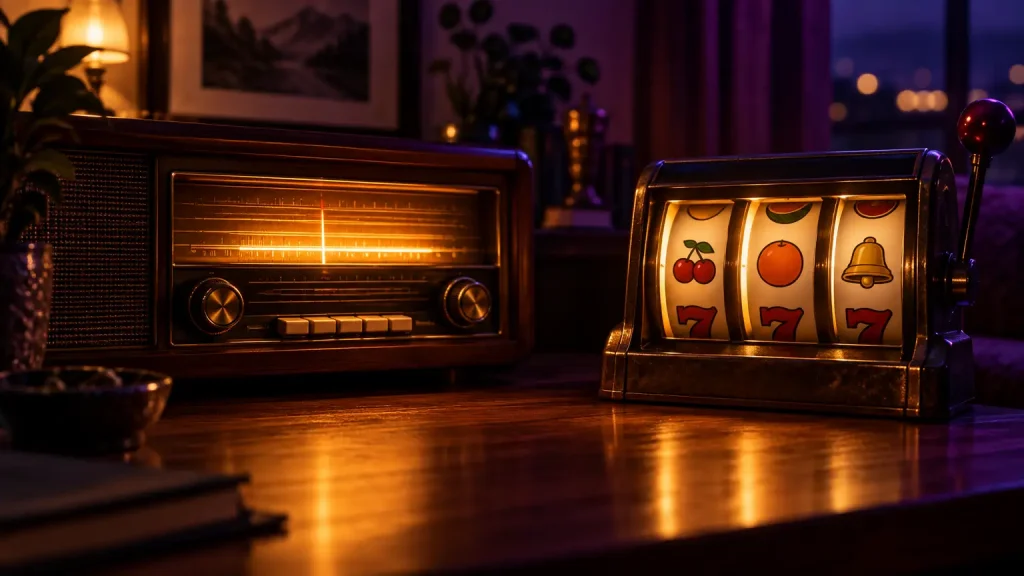
Video game music has undergone a remarkable transformation over the past few decades. What began as simple electronic melodies created within strict technological limitations has developed into a sophisticated musical genre with a growing cultural presence. Today, game soundtracks are performed by orchestras, released on streaming platforms and celebrated by audiences far beyond traditional gaming communities. As interactive entertainment becomes increasingly influential, the relationship between video game music and mainstream popular culture continues to evolve.
From Classic Game Soundtracks to Mainstream Music Recognition
The earliest video game composers worked with limited sound channels and basic electronic instruments. Despite these restrictions, they created melodies that remain instantly recognisable to generations of players. The distinctive sound of early gaming consoles eventually became part of popular music culture, influencing electronic producers and artists experimenting with synthesised sounds.
As gaming technology advanced, composers gained access to more sophisticated recording techniques, orchestral arrangements and professional sound libraries. Modern video game soundtracks can now feature everything from atmospheric electronic compositions to full symphonic scores. Games such as Final Fantasy, The Legend of Zelda and The Last of Us have demonstrated how music can establish emotional connections with audiences while supporting complex narratives.
The cultural impact of these compositions extends beyond gameplay. Dedicated concerts featuring video game music attract audiences interested in hearing familiar melodies performed in entirely new settings. Soundtrack releases also allow listeners to appreciate the compositions independently of the games themselves.
Recognition within the wider music industry reflects this development. Video game soundtracks have gained dedicated awards categories and increasing attention from music publications, demonstrating that interactive entertainment has become an important platform for contemporary composition.
For musicians, the genre offers considerable creative freedom. Rather than following traditional song structures, composers can experiment with evolving arrangements, unconventional instrumentation and musical themes that respond to different environments.
Interactive Sound Design Is Changing How Audiences Experience Music
One of the most distinctive features of video game music is its ability to respond to the listener’s actions. Unlike a traditional album or film soundtrack, interactive music can change according to what happens within a digital environment. This approach is commonly known as adaptive music.
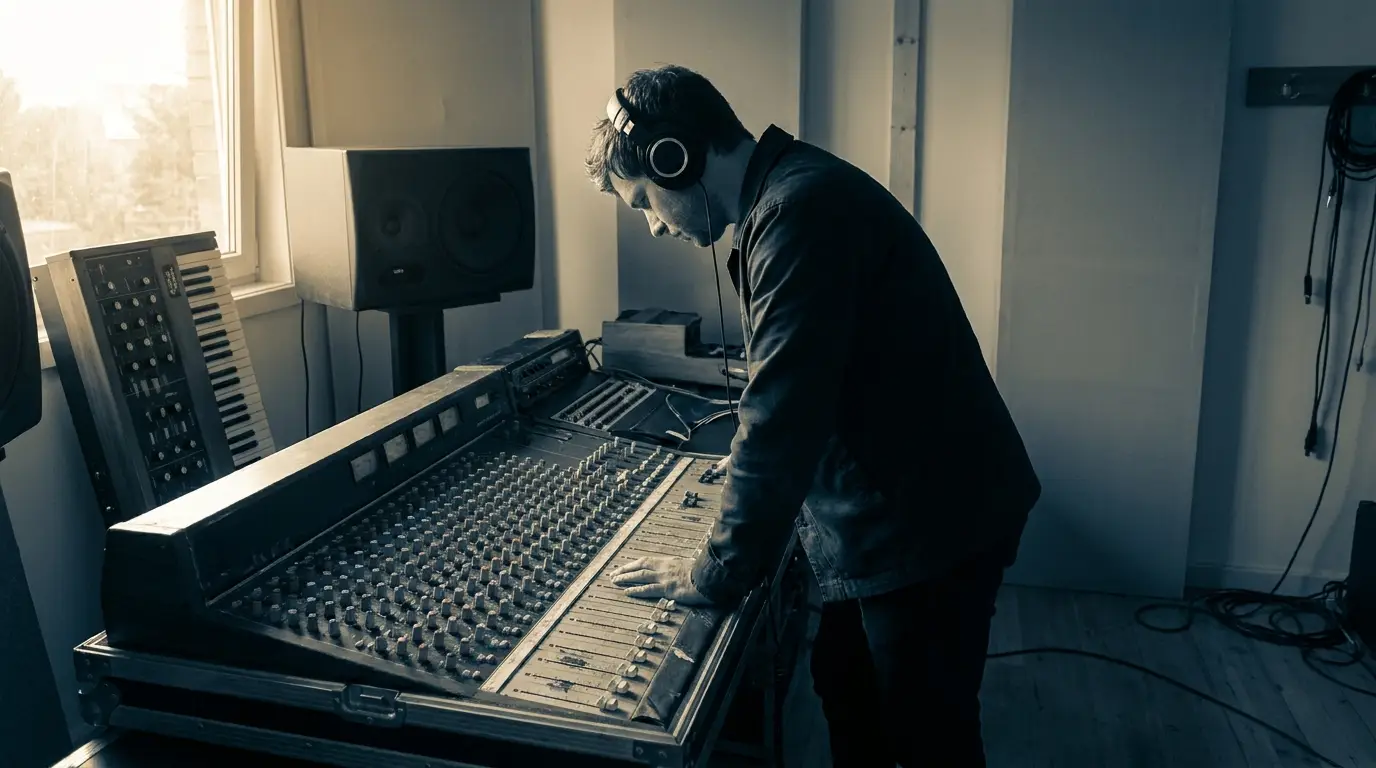
In adventure games, a quiet musical theme may gradually introduce additional instruments as the player approaches an important location. During an action sequence, percussion and faster rhythmic patterns can increase the sense of intensity. When the situation changes, the soundtrack can return to a calmer arrangement without interrupting the experience.
These techniques have influenced sound design across other areas of digital entertainment. Mobile games, interactive applications and browser-based gaming platforms increasingly use layered audio to communicate events and establish a distinctive atmosphere.
Online casino games provide another example of this approach. Modern slots frequently combine themed soundtracks with synchronised effects that respond to spinning reels, bonus features and changes in the game’s visual presentation. The musical styles can range from cinematic orchestration to electronic dance music depending on the creative direction.
The variety of these experiences also appears in discussions about newly launched gaming platforms. For instance, information resources covering new mga casinos 2026 offer a way to explore the wider online casino landscape, where different slot developers use music and audiovisual design to distinguish their games.
However, sound effects in real-money gaming also have a behavioural dimension. Celebratory audio can make outcomes seem more rewarding regardless of their actual financial value. Responsible design should therefore balance entertainment with clear feedback about the results of gameplay.
How Gaming Culture Is Influencing Artists and Live Performances
The relationship between gaming and mainstream music is no longer limited to composers creating original soundtracks. Established recording artists increasingly participate in gaming projects, while popular games provide new opportunities for audiences to discover music.
Open-world games have played a particularly interesting role in this development. Their fictional radio stations and carefully selected soundtracks introduce players to musical genres and performers they might not otherwise encounter. Hip-hop, alternative rock, electronic music and older catalogue recordings can become associated with memorable moments in an interactive world.
Gaming-inspired performances have also expanded into concert halls and festival programmes. Orchestral arrangements of familiar game themes demonstrate how compositions originally designed for interactive environments can work as standalone live experiences. These performances often combine traditional musicianship with visual storytelling, creating events that appeal to both music enthusiasts and gaming audiences.
Meanwhile, electronic producers continue to draw inspiration from classic gaming sounds. Chiptune textures, synthesised arpeggios and retro sound effects regularly appear in experimental electronic music. Such influences highlight how technical limitations from earlier gaming generations have become recognisable creative choices.
Music discovery is changing as well. Short gameplay clips and creator-produced videos can introduce a soundtrack to audiences who have never played the original title. A distinctive musical theme may find a second life through remixes, online performances and independent listening.
For artists, these developments demonstrate that interactive entertainment can provide more than promotional exposure. It can become a creative environment where music plays an essential role in shaping the audience’s experience.
The Future of Music Is Becoming More Interactive
As digital entertainment develops, the boundaries separating recorded music, live performance and interactive sound design are becoming less distinct. Improvements in audio technology allow composers to create increasingly detailed soundscapes that respond to the actions and preferences of individual users.
Artificial intelligence and procedural audio tools may introduce further possibilities, although creative direction and musical quality will remain central to meaningful composition. Technology can help organise musical elements, but memorable soundtracks still depend on artistic decisions about melody, rhythm and emotional expression.
Accessibility is another important consideration. Customisable audio settings, separate volume controls and alternative feedback systems can make interactive entertainment more comfortable for different audiences.
The growing influence of video game music reflects a wider cultural shift in how people discover and experience sound. Games are no longer simply places where music accompanies entertainment. They have become creative spaces that inspire composers, connect listeners and influence contemporary musical expression.
As these relationships continue to develop, interactive music is likely to remain an important part of both gaming culture and the broader entertainment industry.