Music has always been connected to visual expression. Album covers, concert posters, stage designs, promotional photography, and music videos help artists communicate the identity behind their sound.
For independent musicians, developing this visual identity can be challenging because professional production often requires additional funding and specialist support. An ai video generator offers another way for artists to explore creative concepts, experiment with visual atmospheres, and develop ideas that complement their musical projects.
The Visual Side of an Artist’s Identity
An artist’s identity is not defined by sound alone. Listeners may recognize a musician through a distinctive visual style, the themes explored in promotional artwork, or the atmosphere associated with live performances.
Consider an independent singer preparing to release a new single. The musical arrangement may communicate sadness, excitement, nostalgia, or confidence, but the accompanying visuals can help establish how audiences experience that emotion before listening to the track.
Album artwork, promotional photographs, short clips, and stage graphics all contribute to this presentation. When these elements share a recognizable creative direction, they help an artist develop a consistent identity across streaming platforms, social media, and live events.
The challenge is to create visuals that genuinely reflect the music rather than following every popular design trend. A strong visual concept should emerge from the artist’s personality, genre, lyrics, and intended audience.
Turning Musical Emotions Into Visual Concepts
Music often communicates feelings that are difficult to describe through ordinary language. A quiet acoustic recording may suggest intimacy, while an energetic electronic track might evoke movement and futuristic imagery.
Artists can translate these emotional qualities into visual ideas through lighting, color, composition, location, and movement. A melancholic song might inspire a restrained visual atmosphere with muted surroundings, while a celebratory release could use more dynamic imagery and brighter compositions.
Developing a visual concept begins with understanding the music itself. Artists should consider the story behind a song, the emotions they want listeners to experience, and the images that naturally connect with its themes.
This process can also help musicians communicate their ideas to photographers, designers, and video editors. A clear creative direction gives collaborators a shared reference point and reduces the likelihood of producing visuals that feel disconnected from the music.
The Changing Approach to Music Promotion
Independent musicians increasingly manage several aspects of their careers themselves. Beyond writing and recording songs, they may handle distribution, audience communication, release planning, promotional campaigns, and visual presentation.
This creates considerable pressure, particularly for artists without a dedicated management or creative team. A single release may require cover artwork, teaser content, announcement graphics, performance clips, and material for different digital platforms.
Planning these assets in advance can make the process more manageable. Musicians can establish a visual theme for a release and adapt it into several formats rather than designing every promotional item independently.
The result is a more coordinated campaign in which each piece of content reinforces the same musical identity.
Exploring New Creative Directions With Digital Tools
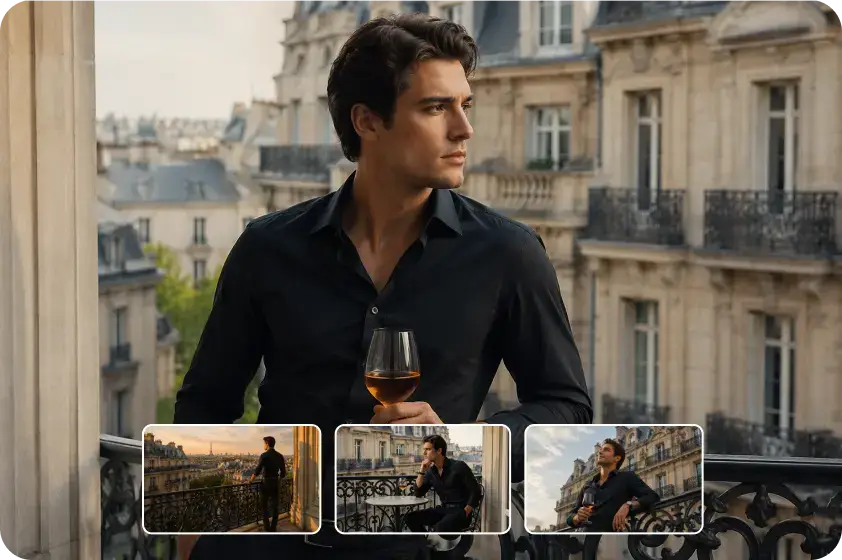
Artists sometimes have ambitious visual ideas but lack the resources to produce them immediately. A musician might imagine a particular environment for a song teaser, want to explore an abstract visual sequence, or need a preliminary concept to discuss with a production team.
AI-assisted tools introduce another option for exploring these ideas. They can help creators consider different visual directions during the planning stage and develop preliminary concepts before arranging a full production.
An ai video generator can be useful when musicians want to experiment with visual storytelling for a release or creative project. Dreamina is one option artists can explore when developing concepts that complement their musical ideas.
However, generated material should be treated as part of a wider creative process. Artists should examine whether the visuals match the mood of the recording, whether the movement feels appropriate, and whether the result communicates the intended message.
The technology should support artistic direction rather than determine it.
Creating Music Videos With a Clear Creative Purpose
A music video does not always need an elaborate narrative or expensive production design. Some successful concepts rely on a single strong visual idea, while others develop a story that follows the emotional progression of a song.
Before production begins, artists should decide what role the video will play. It might introduce a character, communicate the meaning behind the lyrics, create an abstract atmosphere, or document a performance.
The relationship between music and visuals is important. A slow, reflective track may benefit from deliberate pacing, while a fast composition might support more energetic editing. Visual changes should feel connected to the musical structure rather than appearing randomly.
Creators should also consider the intended viewing environment. A full-length video for a music platform may require a different approach from a short promotional teaser designed for mobile audiences.
Building a Recognizable Release Campaign
A music release often creates several opportunities for visual communication. Artists can introduce a project through early announcements, share behind-the-scenes material, publish short previews, and follow the release with performance-related content.
A coordinated visual campaign helps audiences recognize that these materials belong to the same project. This does not mean every image or video must look identical. Instead, recurring design elements, color choices, typography, and visual themes can establish continuity.
For example, a musician releasing an atmospheric electronic album might use a consistent futuristic aesthetic across the cover, promotional graphics, and video teasers. An acoustic singer-songwriter might prefer natural environments and more understated imagery.
The most effective approach reflects the actual sound and personality of the artist. Visual consistency should strengthen musical identity, not make every release appear interchangeable.
Balancing Artistic Freedom With Authenticity
Creative experimentation can produce interesting results, but musicians should consider how their audience interprets the material. A promotional video should not create a misleading impression about a live performance, recording session, collaboration, or personal experience.
When real people, locations, or performances are represented, artists should use authorized material and consider privacy and likeness rights. They should also review the licensing conditions associated with music, footage, photographs, and generated assets.
Authenticity matters because audiences often connect with musicians through their creative personality. A visually impressive campaign may attract initial attention, but a genuine connection depends on whether the presentation reflects the artist’s actual work and artistic direction.
Independent musicians can protect that connection by making deliberate decisions about what to share and how their projects are represented.
Making Visual Production More Sustainable
A consistent release schedule can become difficult when artists attempt to produce every promotional asset from scratch. Planning can reduce unnecessary work and help musicians use their resources more effectively.
One approach is to establish a visual concept early, prepare a list of required assets, and decide which elements can be adapted for different platforms. Artists can also identify where professional photography, filming, or specialist editing will make the greatest difference.
Not every project requires the same production investment. A simple announcement may need only carefully designed artwork, while a major single release may justify a more elaborate video concept.
The objective is to allocate time and money according to the creative importance of each project rather than treating every promotional item as equally demanding.
Understanding Audience Response
Visual campaigns can be evaluated through several indicators, including video completion rates, shares, audience comments, streaming activity, and visits to artist profiles.
However, musicians should interpret these measurements in relation to their goals. A teaser may be designed to create anticipation, while a performance video may aim to introduce the artist’s musical abilities to new listeners.
Feedback can help musicians understand which visual approaches resonate with their audience. It can also reveal whether promotional material communicates the music accurately or creates expectations that the finished release does not meet.
Numbers are useful, but they should not become the sole measure of artistic value. Creative development also involves experimentation and decisions that may not produce immediate commercial results.
A New Creative Space for Independent Artists
The relationship between music and visual storytelling continues to evolve as artists gain access to more flexible production methods. Independent musicians can now explore concepts, communicate creative directions, and develop promotional material through a wider range of digital tools.
Nevertheless, technology cannot replace musical originality, artistic judgment, or a genuine understanding of an audience. The most memorable visual projects remain connected to the emotions, ideas, and experiences behind the music.
For independent artists, the opportunity is to use new creative possibilities without losing the individuality that makes their work recognizable. When visuals and sound develop together, they can create a stronger experience that stays with listeners beyond the final note.