Walking into a casino has always been about more than cards and chips. The chatter at a blackjack table, the dealer’s banter, the small rituals of shuffling and dealing all add a texture that a quiet screen of digital symbols can never quite match. Live dealer games were built specifically to close that gap, bringing a real human dealer and a real table into an online format that still fits inside a browser or app.
At its core, a live dealer game is a video stream from a studio or sometimes an actual casino floor, where a professional dealer manages cards, a roulette wheel, or other equipment in real time. Players watching the stream place their bets through an on-screen interface, and the outcome unfolds exactly as it would at a physical table. The dealer can see betting activity reflected on a monitor and often greets players by name or acknowledges messages typed into a chat window.
Why the Human Element Still Matters
Random number generators power most standard online casino games, and they are reliable and fast, but they strip away the sense of occasion that a physical table provides. A live dealer reintroduces pacing, personality and small talk. Watching someone shuffle a deck or spin a wheel communicates a kind of transparency that a purely automated process cannot replicate in the same way.
Many players also say the presence of a dealer changes how they experience wins and losses. A nod, a congratulatory remark or simply the shared visual of a wheel slowing down turns a solitary click into something closer to a shared moment, even if the other participants are scattered across different time zones.
Chat Features and Shared Spectatorship
Most live dealer platforms include a chat panel where players can talk to each other and the dealer simultaneously. This feature does more than let people say hello. It recreates the informal commentary that happens naturally around a physical table, where strangers react to a lucky streak or commiserate over a bad run of cards.
Some tables also support multiple camera angles, close-up replays and side-bet options that spectators can discuss in real time, even if they are not playing that specific hand. This turns the format into something closer to watching a sporting event with friends than operating a slot machine alone.
Technical Infrastructure Behind the Experience
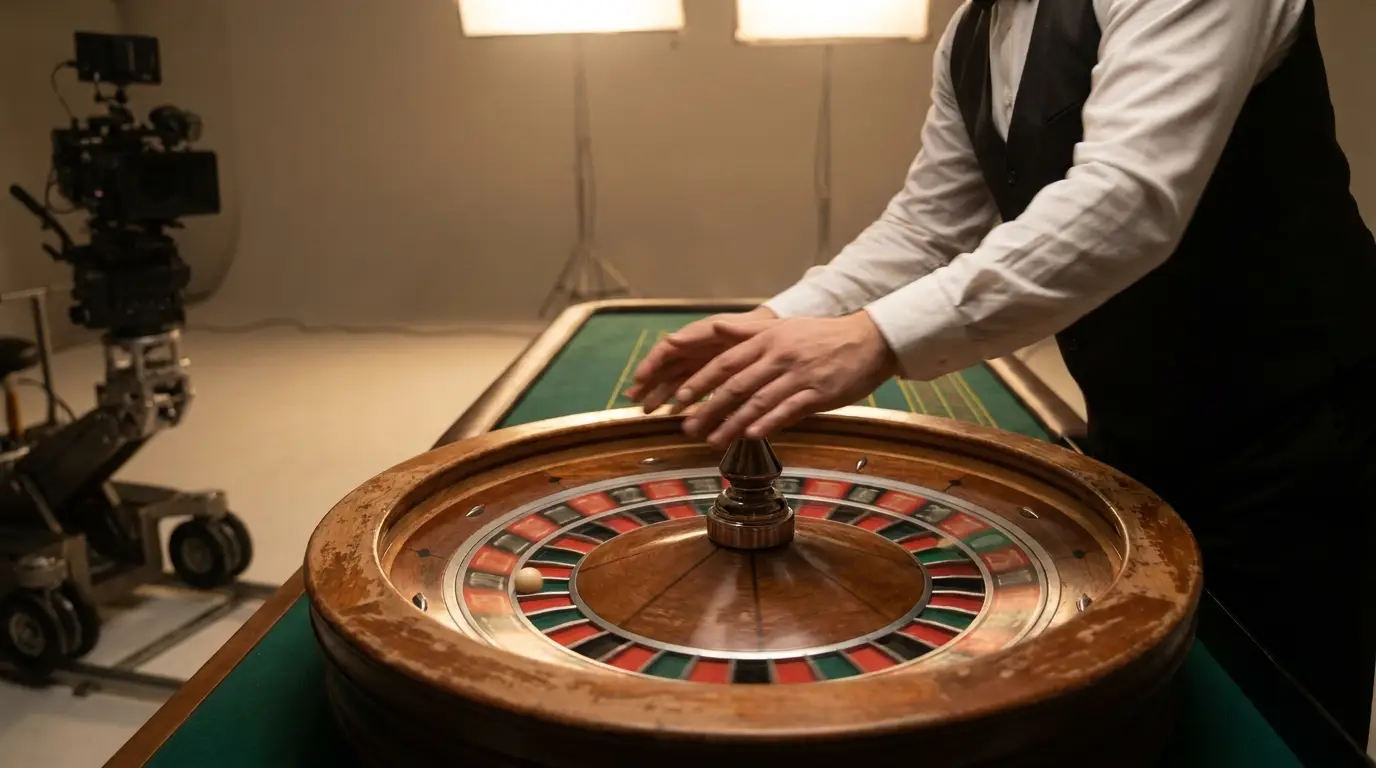
Delivering a convincing live experience depends on stable video streaming, low latency and synchronized data between the physical table equipment and the software players see on their devices. Optical character recognition and sensor technology read cards and wheel results instantly, feeding that information into the interface so bets resolve within moments of the real-world action.
Studios dedicated to this format are usually built with multiple tables running simultaneously, staffed by trained dealers working in shifts, much like a conventional casino floor. Oversight of gaming equipment and dealing standards in most jurisdictions follows frameworks similar to those maintained by bodies such as the UK Gambling Commission, which publishes technical standards for remote gambling software and game fairness.
A Regional Comparison Worth Noting
Social gaming culture in the wider Gulf region has traditionally centered on majlis gatherings, shisha lounges and large family or community events rather than table games, which shapes how live dealer formats are discussed and compared locally. Abu Dhabi, alongside the wider UAE, has become a major international hub for tourism, hospitality and large-scale entertainment, drawing visitors with its resorts, events and nightlife much like established gaming destinations abroad. Readers curious about how these experiences are framed and discussed can look at the way certain Abu Dhabi casino sites reviewed by Haztayeb break down these features for comparison. The comparison highlights how differently social gaming traditions translate when a physical gathering becomes a streamed table.
Live dealer games sit at an interesting midpoint between fully automated digital play and the in-person atmosphere of a casino floor. By combining real dealers, live video and interactive chat, the format answers a specific demand: players who want convenience without losing the social texture that made table games appealing in the first place. As streaming technology continues to improve, that gap between screen and table is likely to keep narrowing further.