Mild and occasional bouts of diarrhea are relatively common among pets. Some of those will likely be harmless and transient; some may indicate an underlying issue. If you understand what could potentially trigger your dog’s diarrhea, how to treat mild diarrhea at home and when to see your veterinarian for professional assistance, you can significantly improve both your dog’s comfort and chances for successful healing.
Common Causes of Diarrhea in Dogs
When a dog experiences some type of irritation or infection, whether it is caused by bacteria, viruses or other pathogens, his body has several options to respond. One of the most common responses is diarrhea.
Dietary indiscretion
The most common cause of diarrhea is dietary indiscretion. Dietary indiscretion includes consuming spoiled food, trash, table scraps, or anything else that does not belong in the dog’s diet. While this can happen unintentionally, a lot of times dogs eat things they find on the ground while out for a walk. Dogs are naturally curious, and their digestive systems are not built to handle sudden or inappropriate food intake.
Sudden diet changes
The second most common reason for diarrhea is a new diet. No matter how good the quality of the new dog food is, it can cause stomach upset in a dog’s stomach. A dog’s stomach takes time to become accustomed to a new food and until that time comes, the new food can cause a dog to experience diarrhea.
Infections and parasites
There are three types of infections (viruses, parasites, and bacteria) that can cause diarrhea in dogs. These include viral gastroenteritis, giardiasis (caused by Giardia), hookworms, whipworms and tapeworms. Younger dogs are more susceptible to infection due to underdeveloped immune systems.
Stress
While emotional/psychological stress has long been recognized as a potential contributor to physical symptoms in people, including ulcers and colitis, it is now becoming increasingly apparent that it can contribute to gastrointestinal problems in animals as well. Stress caused by travel or boarding can temporarily disrupt normal digestive processes resulting in diarrhea.
Adverse Food Reactions
Some dogs may have adverse reactions to protein sources, grains or other ingredients commonly found in commercial dog food. These reactions can occur intermittently, episodically or continuously after ingestion of the offending ingredient(s). These reactions can produce varying degrees of gastrointestinal upset depending upon the individual animal’s response.
What Mild Diarrhea Looks Like?
Mild diarrhea is typically defined as diarrhea where a dog has loose, but still-formed, bowel movements, or when he/she has a few bouts of diarrhea after which his/her bowel movements return to normal. Dogs who experience mild diarrhea remain awake, continue to eat and drink normally, and appear otherwise healthy. Mild diarrhea usually resolves on its own within 24-48 hours without treatment and will respond well to supportive care.
Home Care for Mild Cases
Supportive care alone may allow the digestive system to recover from mild diarrhea. Diet plays a large role in helping the digestive system recover from mild diarrhea. Bland diets (i.e., cooked rice, boiled chicken) are very effective at reducing stress on the digestive system. By feeding your dog small meals throughout the day, you are allowing the digestive system to work at a slower pace.
Hydration is essential when dealing with diarrhea. Diarrhea can lead to quick dehydration in dogs, so providing fresh water and possibly increasing the amount of fluids consumed by your dog is recommended. Rest is important as excessive exercise can exacerbate diarrhea. Monitor stool frequency and quality closely; if stool frequency improves over a couple of days then the cause of diarrhea was likely mild and self-limiting.
Signs of Dehydration to Watch For
One of the most serious complications associated with diarrhea is dehydration. This occurs when your pet loses too much bodily fluid through diarrhea. Dehydration develops rapidly in small dogs, puppies and elderly animals. Early signs of dehydration include; a reduction in gum moisture, decreased skin elasticity and sunken eyes.
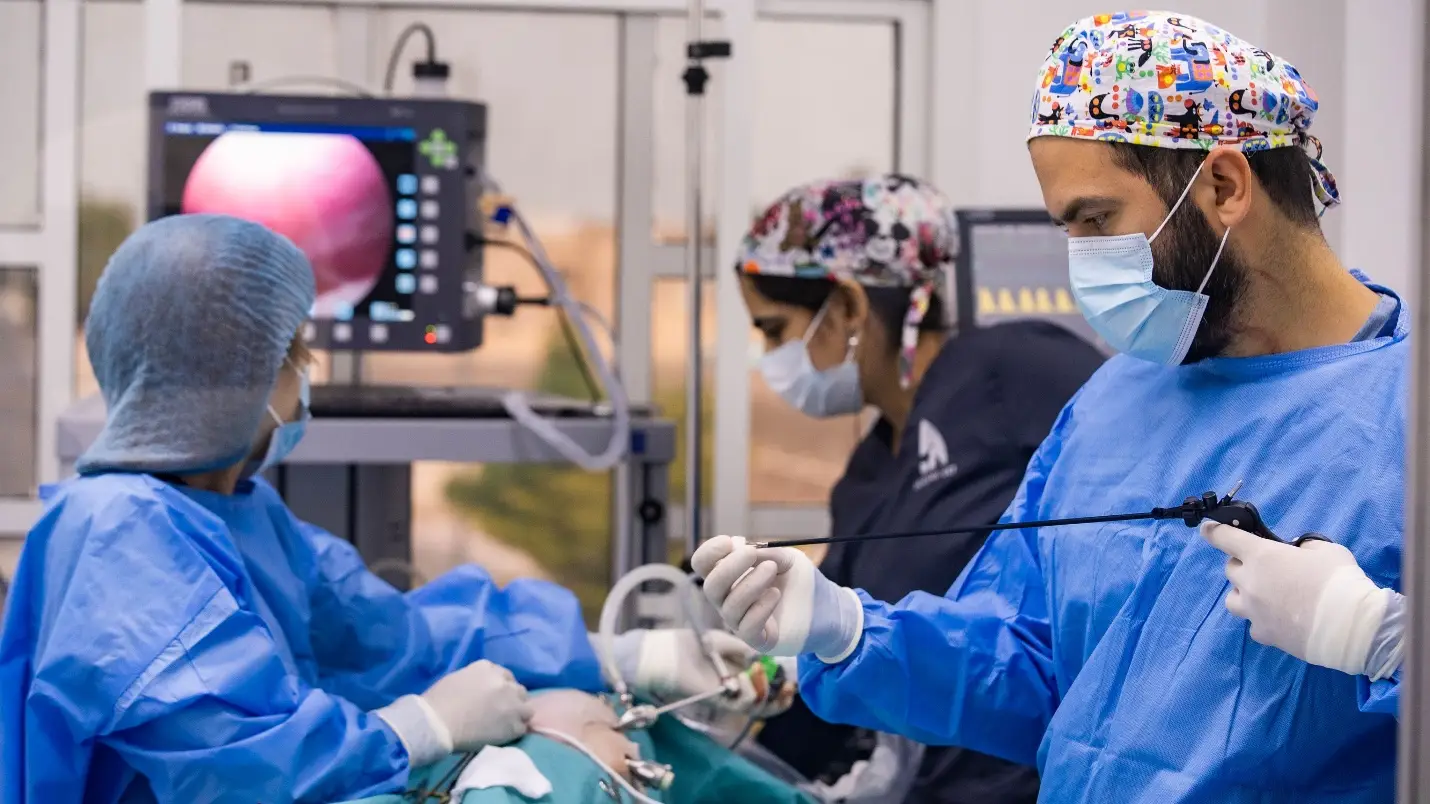
Your dog may become lethargic, lose interest in both food and water and display reduced interest in physical activities. As dehydration continues to progress, your pet may develop weakness, rapid pulse and prolonged lethargy. At this point, your veterinarian may recommend that your pet receive intravenous fluids.
Red Flags That Require Attention
While many times mild diarrhea is easy to manage with proper care at home, several red flags require veterinary care. If your dog experiences diarrhea for longer than 48 hours, shows no signs of improvement, worsens or produces blood/tar-like stools, vomiting along with diarrhea greatly increases the risk of dehydration and suggests infection/toxin exposure or other potential serious gastrointestinal conditions.
Other red flag indicators include severe lethargy, failure to consume food/water, abdominal pain and obvious signs of dehydration. Due to their small reserve systems, puppies are particularly susceptible to developing complications from diarrhea and should have their condition evaluated by a veterinarian as soon as possible.
When the Digestive System Needs Extra Attention
Some instances of diarrhea occur as part of an ongoing series of events. This series of events could potentially represent recurring episodes of acute diarrhea or chronic inflammatory/pancreatic disease/sensitivity reactions to long term dietary ingredients. Identifying patterns in diet/environment/triggers becomes important in understanding what factors contribute to the development of diarrhea episodes.
Conclusion
Diarrhea in dogs is relatively common; however, because diarrhea can result from a variety of different gastrointestinal abnormalities, owners must observe their dogs diarrhea for any red flags indicative of possible underlying disease processes. Owners whose dogs exhibit diarrhea that resolves itself with minimal supportive care at home are fortunate. Conversely, those owners whose dogs experience persistent symptoms/dehydration/unusual stool characteristics require medical intervention.