Autonomous ride-hailing has moved from experimental pilots to visible fleets on public streets, and the technology underpinning these vehicles keeps evolving. One factor drawing attention is the role of advanced wireless connectivity. While self-driving cars rely heavily on onboard sensors and processing, the surrounding communication layer shapes how effectively they operate together. Fifth-generation mobile networks introduce speed and responsiveness that could reshape how robotaxi systems share information, react to conditions, and coordinate movement across dense city environments where timing matters most.
Why Connectivity Matters for Autonomous Fleets
A robotaxi does not function as an isolated machine. It participates in a larger ecosystem of vehicles, traffic infrastructure, mapping services, and remote monitoring centers. The quality of the link between these components influences safety and efficiency in measurable ways. When a vehicle can exchange information rapidly with its network, decisions become more informed and less dependent solely on local computation. This ecosystem relies on several types of communication working together:
- Vehicle-to-vehicle links that share position, speed, and intended maneuvers among nearby cars.
- Vehicle-to-infrastructure connections that relay signals from traffic lights, road sensors, and roadside units.
- Cloud and mapping exchanges that deliver updated route data and real-time environmental context.
- Remote monitoring channels that allow human supervisors to observe and assist when needed.
Traditional cellular connections handle routine data transfers adequately, yet autonomous driving introduces demands that push older networks to their limits. High-resolution sensor feeds, continuous location updates, and software adjustments require bandwidth that scales with fleet size. As more vehicles operate simultaneously in a service area, the communication load grows, and network capacity becomes a defining constraint on how smoothly the system performs.
The Advantages 5G Introduces
Fifth-generation technology addresses several bottlenecks that affect autonomous mobility. Its combination of higher throughput and reduced delay creates conditions where vehicles respond to changing environments with greater precision. This matters particularly in situations where fractions of a second influence outcomes, such as merging, yielding, or navigating unpredictable pedestrian activity.
The same demand for instant responsiveness appears across many digital services, from real-time analytics platforms to live entertainment offerings like those found on Vulkanbet, where seamless data flow directly shapes the quality of the experience. Some of the most relevant improvements associated with this generation of connectivity include the following:
- Lower latency, allowing quicker transmission of critical instructions between vehicles and control systems.
- Higher bandwidth, supporting the transfer of detailed sensor and mapping data without congestion.
- Greater device density, enabling many vehicles and roadside units to communicate within the same area.
Real-Time Coordination Across Vehicles
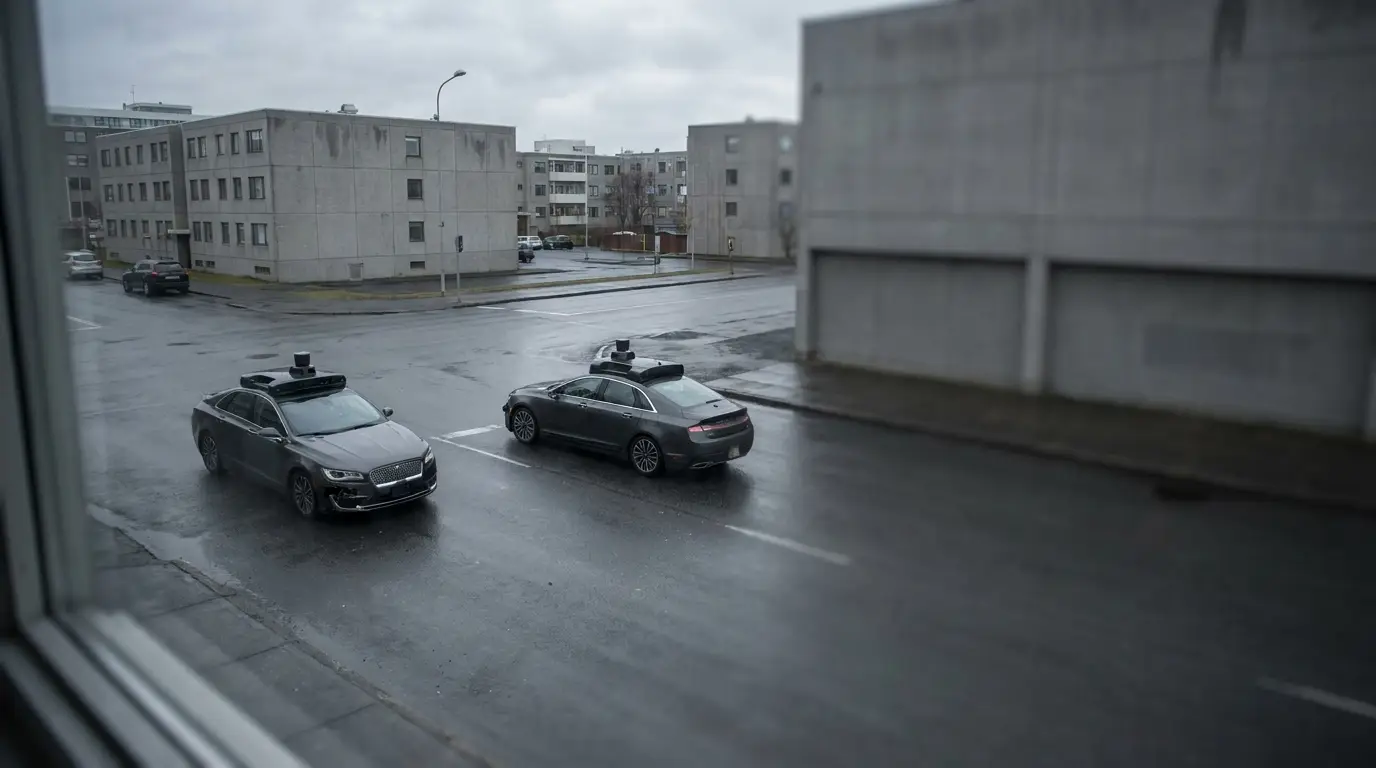
One of the more compelling possibilities involves vehicle-to-everything communication. When cars share intentions and observations almost instantly, the fleet begins to behave less like a collection of individual units and more like a coordinated system. A vehicle detecting an obstruction can relay that information to others approaching the same location, allowing them to adjust before encountering the problem directly. This shared awareness reshapes how vehicles navigate complex situations.
|
Scenario |
Without Shared Data |
With Real-Time Coordination |
|---|---|---|
|
Blind intersection |
Vehicle waits until cross traffic is visible |
Warnings arrive before traffic enters view |
|
Sudden braking ahead |
Reaction limited to sensor range |
Following cars adjust speed in advance |
|
Stalled vehicle |
Detected only upon approach |
Alternate routing triggered early |
|
Shifting road conditions |
Each car reacts independently |
Fleet adapts collectively and smoothly |
Remote Support and Software Management
Beyond direct driving tasks, connectivity influences how fleets are maintained and supervised. Remote operators sometimes assist vehicles that encounter ambiguous situations, and the quality of the video and data link determines how effectively they can help. A responsive connection allows a human supervisor to assess conditions clearly and provide guidance without disruptive delay.
Software updates represent another dimension where robust networks prove valuable. Autonomous systems improve through continuous refinement, and distributing new code across an entire fleet requires substantial bandwidth.
Limitations Worth Considering
Enthusiasm for advanced connectivity should be tempered by realistic expectations. Network coverage remains uneven, and areas with weak signals could reduce the reliability that autonomous systems require. For this reason, robotaxis are designed to operate safely even without constant external communication, relying on onboard capabilities as their foundation rather than treating connectivity as a substitute.
Infrastructure investment also shapes how quickly these benefits materialize. Deploying dense network coverage across an entire metropolitan area demands time, resources, and coordination among multiple parties. The potential of enhanced wireless technology is significant, yet its practical impact depends on how thoroughly supporting systems are built out in the regions where robotaxi services expand.
Where This Technology Is Heading
Advanced connectivity offers meaningful contributions to autonomous ride-hailing, strengthening coordination, remote assistance, and software delivery across growing fleets. Its value lies in complementing onboard intelligence rather than replacing it, extending awareness beyond what any single vehicle perceives. As networks mature and coverage broadens, the interplay between capable wireless systems and self-driving technology will likely define how efficiently and safely these services operate in the urban landscapes they aim to serve.