

Celebrities exchange gifts that cost more than a car payment, and gossip sites cover it like sports. Most people buying for someone this year are working with a real number, and that number rarely starts with a comma.
The good news is that what comes across as expensive – the weight of a bag in the hand, the way a fabric holds its shape, the absence of a shouted logo – has very little to do with the size of that number. All of it is buyable for under $1,000.
What Makes an Object Feel Expensive in the Hand
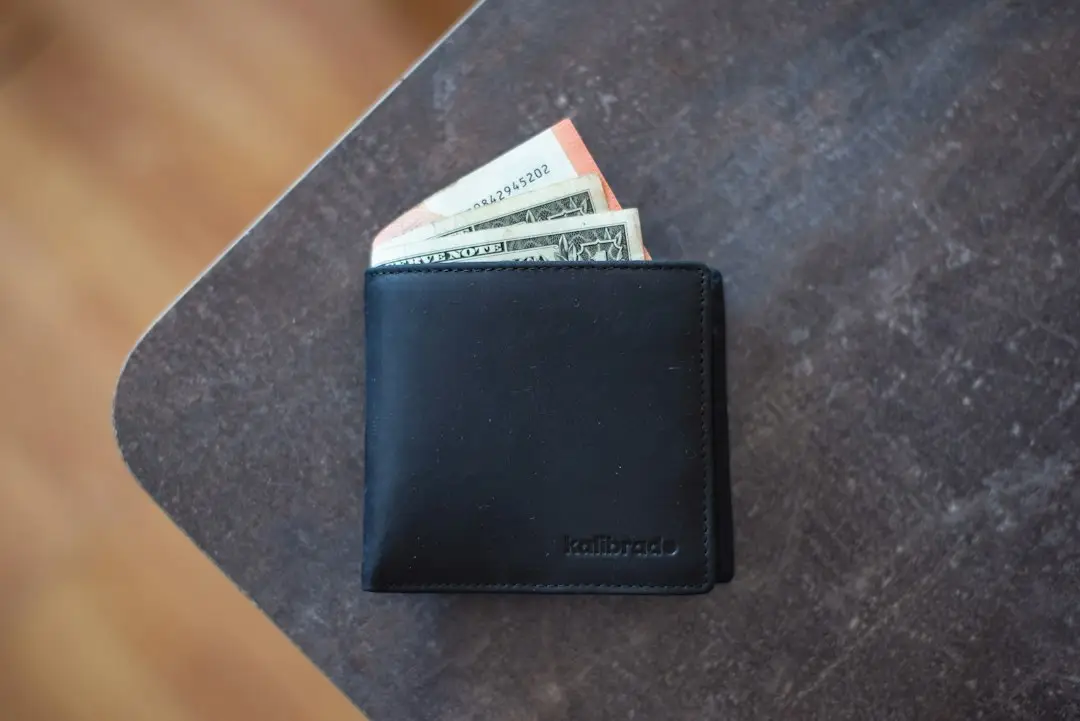
Cost, in the sense that matters for a gift, comes down to four things: weight, material density, construction, and restraint on branding.
A $300 leather wallet with no logo on it can use the same full-grain hide, the same hand-burnished edges, and the same solid-brass hardware as a $1,200 wallet from a name brand – the extra $900 is paying for the name, not the leather. Strip the logo off both wallets and set them on a table, and a hand can’t tell which one cost more; it can only feel the leather, the stitching, and the weight.
That is the quiet-luxury cue stylists work from when they dress a client for an event with no red carpet and no photographers: material and construction do the talking, because there is no logo left to do it for them.
- Weight: a heavier object sits still on a table instead of sliding or feeling hollow when picked up.
- Material density: full-grain leather, solid brass, thick glass, and long-staple cashmere all have a density that thin, coated, or synthetic versions don’t.
- Clean construction: stitches that run in a straight line, edges that are sealed and burnished rather than raw, and seams that meet instead of overlapping.
- Restraint on branding: a maker’s mark that is small, stamped, or set on the inside rather than printed across the front.
Why Quiet Luxury Became the Celebrity Default
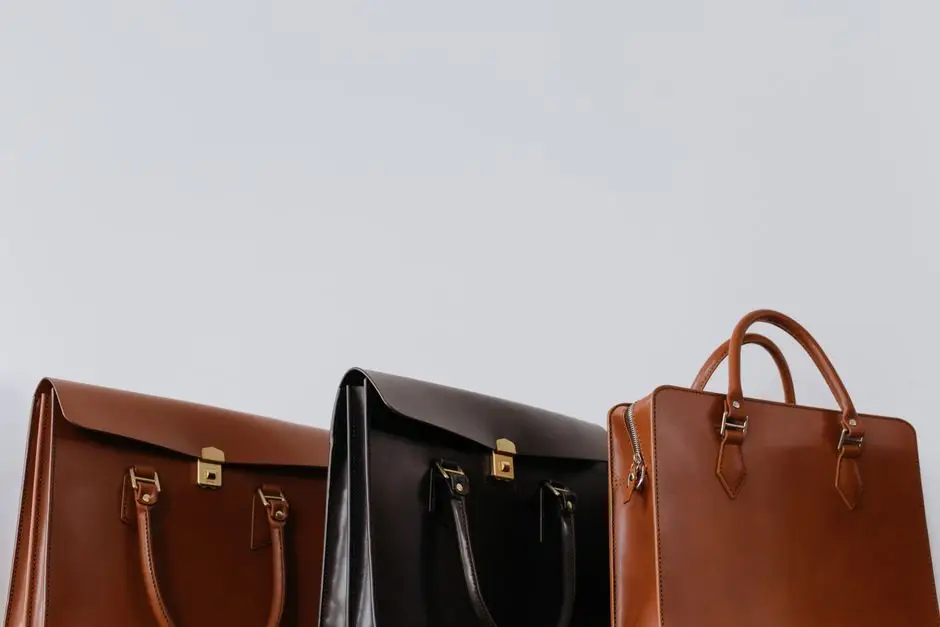
A logo on a bag used to be shorthand for money, back when the people carrying it were the only ones who could afford it. Once the logo became a manufacturing decision rather than a wealth signal – something a factory can print on a canvas tote for a few dollars – it stopped proving anything. A visible logo now looks like effort, while a heavy, unmarked coat or an unbranded leather bag looks like the real thing. Celebrities who have already arrived don’t need an object to introduce them, so their stylists dress them in the version of expensive that doesn’t announce itself.
The same shift works at any budget. Handing someone a box with a giant logo on it says the price was the point. Handing them something dense, well-made, and quiet says the buyer paid attention to how the gift feels.
Seven Gifts Under $1,000 That Overperform
Each of these sits in a different category, and each one justifies its price through material and construction rather than a name on the label.
1. A Heavyweight Cashmere Throw
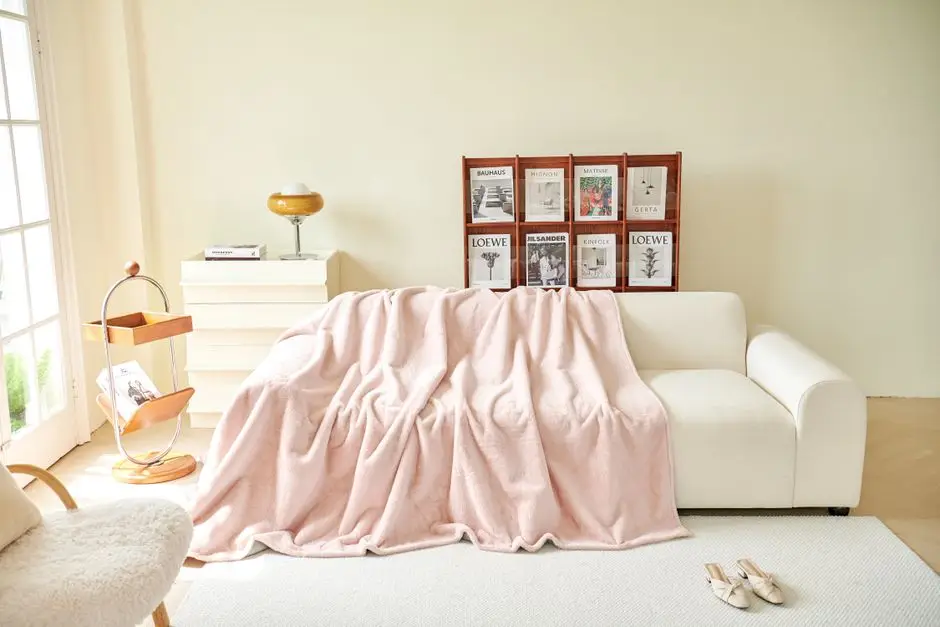
A cashmere throw made from long-staple fiber and woven densely enough to hold its own weight drapes differently than a thin, blended throw – it falls in folds instead of floating, and it doesn’t pill after two washes.
Draped over the back of a couch or the end of a bed, it gets picked up on the first cold evening, and the weight of it settles over the shoulders before anything else about it registers. The throw gets used through an entire winter instead of being folded away after the first photo, and by spring it still looks new.
2. A Full-Grain Leather Bag
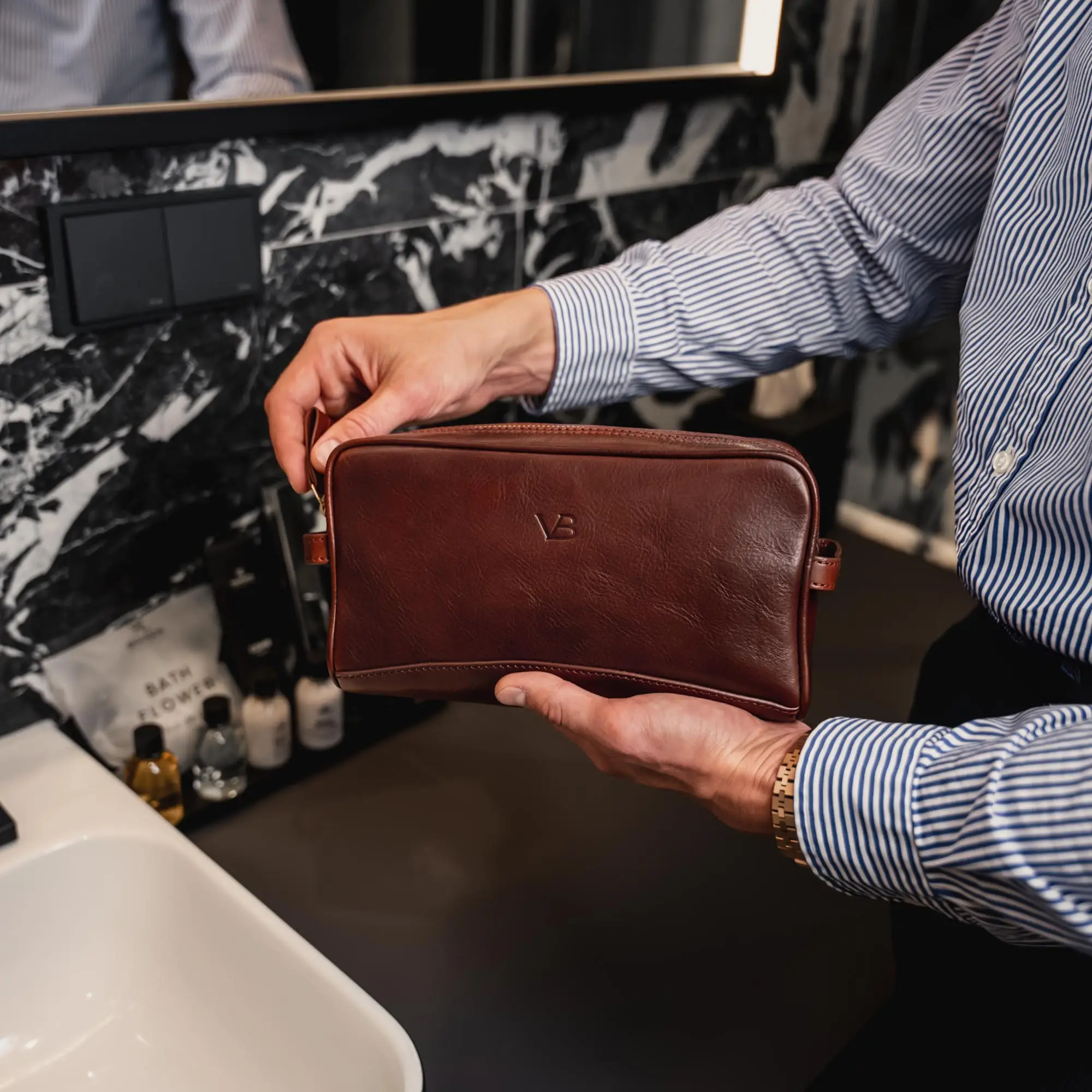
A full-grain leather bag is the clearest place to feel what material density buys. Von Baer’s Superior wash bag is a good example: full-grain leather from A-grade hides, dyed through the hide’s full depth, and the only branding on it is a small debossed name you’d have to go looking for. $595 is a lot for a wash bag – but pick it up next to an ordinary one and you can feel exactly where the money went. Their whole under-$1,000 gift collection is built the same way.
3. A Mechanical Desk Clock
A mechanical desk clock with a brass or solid-steel case has a weight and a mechanism that a battery-run clock doesn’t – it winds by hand and runs for a week on the spring, with no battery anywhere in it. It ends up on a desk or a nightstand, gets wound once a week, and the sound starts to register in a quiet room. The clock sits next to a laptop or a stack of books and looks like it belongs to someone who already has a watch collection, without costing anything close to what an actual watch would.
4. A Hand-Blown Glass Decanter Set
Hand-blown glass carries small irregularities – a slight waver in the wall thickness, a pontil scar on the base – that machine-pressed glass doesn’t, and those irregularities are what make the glass catch light instead of just reflecting it flatly. Whoever unwraps it fills it at the end of a dinner, sets it on a sideboard or a bar cart, and it becomes the piece guests pick up and turn in their hands before asking where it came from. The decanter stands up to daily use in a way delicate stemware doesn’t, so it stays out on display instead of getting packed away.
5. A Niche Eau de Parfum
A niche fragrance built on a higher concentration of oil and fewer synthetic fillers lasts longer on skin and smells less like everyone else in the room, because it wasn’t formulated to be recognized from ten feet away. On a wrist or the inside of an elbow, it changes over the next few hours instead of sitting flat, which is the part a mass-market fragrance usually can’t do. The bottle becomes the one reached for on nights that matter.
6. A Hand-Forged Kitchen Knife
A hand-forged knife from a small Japanese or German workshop holds an edge longer than a stamped, mass-produced blade because of the steel it’s made from and how that steel is heat-treated, and because the edge is ground by hand rather than machine-ground in seconds. The person who receives the knife uses it to break down a chicken or slice a tomato paper-thin, feels the balance in the handle, and reaches for it instead of the block of knives that came free with a wedding registry. The knife is the one that gets hand-washed and dried immediately instead of left in the sink, because it is worth that ten seconds of care.
7. A Chef’s Table Dinner for Two
A seat at the chef’s table puts two people close enough to the kitchen to watch a dish assembled in the seconds before it’s plated, which a normal dining room table never shows. The couple or friends who receive it pick a night, get dressed for it, and spend two or three hours eating a tasting menu they didn’t have to plan or cook. The dinner doesn’t sit in a drawer or get regifted, and it’s still being talked about months later.
Where Under $1,000 Can’t Compete
None of this is a claim that budget always wins. Two categories – mechanical watches and fine jewelry – exist specifically to be expensive, and pretending otherwise does a disservice to the person receiving the gift.
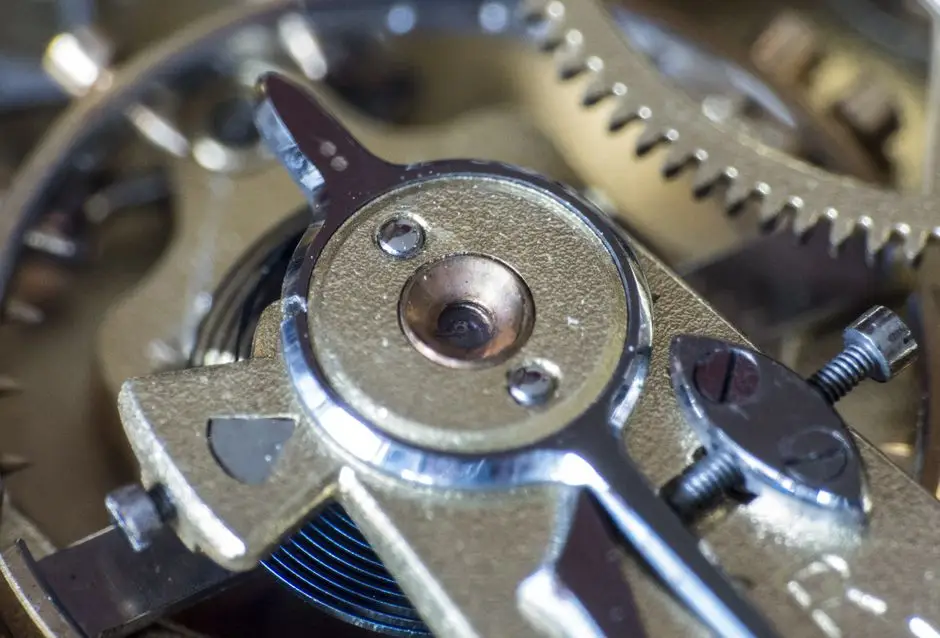
A mechanical watch under $1,000 is not the same category of object as a mechanical watch at $8,000 or $20,000, no matter how the marketing reads. Movement quality, in-house manufacturing, and long-term accuracy are functions of engineering and hand-assembly time that don’t compress into a smaller budget. A $600 watch can look sharp and keep reasonable time, but it isn’t quietly the same watch as one that costs fifteen times more, and it never will be.
Fine jewelry works the same way. A diamond, a sapphire, or a piece of solid gold is priced on the material itself, not on branding or styling, so there is no version of quiet-luxury logic that makes a $900 ring compete with a $9,000 one – the stone either has the size, clarity, and cut, or it doesn’t, and no amount of clean construction substitutes for carat weight. Buying in this category on a real budget means buying smaller and being honest about it, not looking for a shortcut that doesn’t exist.
FAQ
What Is a Good Luxury Gift?
A good luxury gift is a dense, well-made object in a material that ages well – leather, cashmere, solid metal, thick glass – with little or no visible branding, given in a category the recipient already uses. It comes across as expensive because of how it feels and how it holds up over time.
What Luxury Gifts Hold Their Value?
Objects with material value hold up best: solid leather goods, fine jewelry, mechanical watches, and anything made from precious metal. Most gifts under $1,000 in other categories – fragrance, home objects, textiles – are bought to be used up or lived with, not resold, and their value shows up in how long they stay in daily use, not in what they would fetch secondhand.
What Do You Buy Someone Who Has Expensive Taste on a Budget?
Buy the densest, best-made version of something ordinary rather than a cheaper version of something expensive. A full-grain leather wallet, a heavyweight cashmere scarf, or a hand-forged knife comes across as considered rather than budget-limited, because the person receiving it feels the material and the construction before they think about what it might have cost.
Final Thoughts
Pick the category the recipient already uses every day, then buy the best-made, most substantial version your budget allows. Every pick above follows that one rule, and it works just as well in categories these seven don’t cover.