


Healthcare is often associated with doctors, nurses, and specialists who provide direct treatment to patients. However, behind every successful healthcare experience is a much larger team of professionals who help medical facilities operate efficiently, support providers, and improve the quality of patient care.
From managing patient records to assisting with clinical procedures and supporting animal healthcare services, healthcare support professionals have become an essential part of modern medicine.
As healthcare systems continue to grow, these careers are creating new opportunities for people who want to make a meaningful impact without spending many years in traditional medical education.
The Growing Role of Healthcare Support Professionals
A patient’s experience in a healthcare facility depends on more than just the treatment they receive. Every step of the process requires skilled professionals who keep operations organized and ensure providers can focus on what matters most: patient care.
Healthcare support careers include a wide range of roles, such as:
- Medical assistants who support physicians and patients during clinical visits
- Veterinary assistants who help provide care for animals in clinics and hospitals
- Healthcare administrative professionals who manage essential information
- Clinical support teams who improve daily medical operations
These professionals often serve as the connection between patients, healthcare providers, and the systems that make medical care possible.
As healthcare demands increase, the need for trained support professionals continues to grow. Many people entering the industry today are looking for career paths that combine stability, personal connection, and the opportunity to help others.
Medical Assistants: The Connection Between Patients and Providers
One of the most important healthcare support roles is the medical assistant. These professionals work directly with healthcare providers and patients, helping clinics deliver efficient and organized care.
A medical assistant’s responsibilities can vary depending on the healthcare environment, but commonly include:
- Preparing patients for examinations
- Recording medical histories and vital signs
- Assisting doctors during procedures
- Managing appointment information
- Supporting basic clinical and administrative tasks
Because medical assistants work closely with both patients and providers, they play a major role in creating a positive healthcare experience.
For individuals interested in entering this field, completing structured training can provide the foundation needed to develop practical skills. Programs such as a medical assistant program riverside can help students gain hands-on knowledge and prepare for the responsibilities of working in modern healthcare environments.
Why Healthcare Support Careers Are Becoming More Important
The healthcare industry is changing rapidly. Growing populations, advances in medical technology, and increased demand for healthcare services are creating new challenges for medical organizations.
Support professionals help healthcare systems respond to these changes by providing valuable assistance in areas where efficiency and organization are essential.
Some reasons these careers are becoming increasingly important include:
1. Growing Demand for Healthcare Services
More people are seeking healthcare services for preventive care, chronic conditions, and routine medical needs. This creates a greater need for professionals who can support healthcare teams.
2. More Complex Healthcare Operations
Modern healthcare involves digital records, specialized equipment, and detailed patient management. Support professionals help ensure these systems work smoothly.
3. Better Patient Experiences
Patients often interact with healthcare support staff before, during, and after seeing a provider. Friendly and knowledgeable professionals can make healthcare visits more comfortable and efficient.
Veterinary Assistants: Supporting Animal Healthcare Teams
Healthcare support careers are not limited to human medicine. Veterinary healthcare also relies on skilled professionals who assist veterinarians and help provide quality care for animals.
Veterinary assistants work in environments such as:
- Animal hospitals
- Veterinary clinics
- Emergency animal care facilities
- Animal shelters
Their responsibilities may include:
- Preparing examination rooms
- Handling and comforting animals
- Assisting during procedures
- Maintaining equipment and supplies
- Supporting veterinarians with daily tasks
For animal lovers who want a career that combines healthcare and working with animals, training through a vet assistant school can provide the knowledge and practical skills needed to begin working in this growing field.
The Skills That Make Healthcare Support Professionals Successful
While technical knowledge is important, successful healthcare support professionals also rely on strong personal skills.
Some of the most valuable skills include:
Communication
Healthcare professionals interact with patients, families, doctors, and other team members every day. Clear communication helps create trust and improves teamwork.
Organization
Medical environments can be fast-paced. The ability to manage information, schedules, and responsibilities is essential.
Compassion
Many healthcare visits happen during stressful moments. Professionals who show patience and empathy can make a meaningful difference for patients and their families.
Attention to Detail
Small details can have a major impact in healthcare. Accurate records, careful preparation, and following procedures are critical parts of the job.
Shorter Training Paths Are Opening New Healthcare Opportunities
One reason healthcare support careers are attracting more attention is that many roles do not require the same educational path as physicians or other advanced medical professionals.
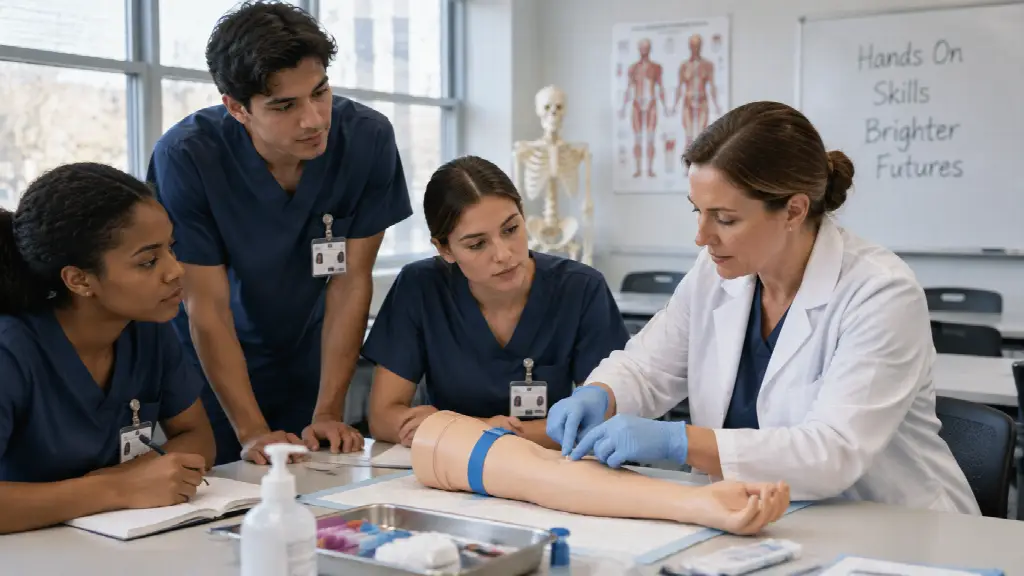
Career-focused training programs allow students to develop practical skills and enter the healthcare workforce sooner. For people changing careers, recent graduates, or anyone interested in healthcare, these programs can provide a realistic pathway toward professional growth.
Many healthcare support careers also offer opportunities to continue learning and advance over time. Experience gained in entry-level roles can become the foundation for additional education, certifications, and specialized positions.
The Future of Healthcare Depends on the Entire Team
Modern healthcare is built on collaboration. Doctors and nurses remain essential, but the professionals supporting them are equally important in creating efficient, patient-centered care.
Medical assistants, veterinary assistants, and other healthcare support professionals help ensure that healthcare organizations can meet the needs of the communities they serve.
As the industry continues to evolve, these careers will remain an important part of the future of healthcare. For individuals searching for a meaningful profession with opportunities for growth, healthcare support roles offer a chance to contribute, learn, and make a difference every day.